
Our Top Picks
Pros & cons
- Resists twists and kinks for smoother casting
- Maintains strength and durability even when submerged
- Clear finish keeps the line discreet underwater
- 6 pound test suits light tackle, not heavy fish
- 330 yard spool holds less line than bulk spools
 Seaguar Red Label 100% Fluorocarbon Fishing Line 8lbs8lbs/200yds4.75 x 3.75 x 1 inches0.12 poundsCheck on Amazon
Pros & cons
- Zero stretch design boosts sensitivity for better hooksets
- Smaller diameter lets you spool more line onto the reel
- Backed by a lifetime warranty from the manufacturer
- 300 yard spool length is shorter than some bulk options
- Braided line requires specific knots to hold full strength


Fishing line is the single point of failure between you and every fish you hook, yet it is often the most overlooked piece of gear in an angler’s setup. The three main types, monofilament, braided, and fluorocarbon, each solve different problems: mono offers forgiving stretch and easy handling, braid delivers exceptional strength and sensitivity in a thin diameter, and fluorocarbon disappears underwater while resisting abrasion. Picking the wrong type for your technique can mean missed hooksets, break-offs on structure, or spooked fish in clear water. This guide breaks down five well-regarded lines across these categories, explaining where each excels and where it falls short, so you can match line choice to your target species, water clarity, and preferred techniques rather than defaulting to whatever is cheapest on the shelf.
What to Look for Before You Buy
Line Type Fundamentals
Monofilament stretches significantly, which absorbs shock from sudden strikes and hard-fighting fish, making it forgiving for beginners and topwater techniques where some give prevents pulling hooks free. Braided line has virtually no stretch, transmitting even subtle bites directly to your rod tip and allowing thinner diameters to carry higher breaking strength, ideal for fishing heavy cover or working topwater frogs through vegetation. Fluorocarbon sits between the two in stretch but has a refractive index close to water, making it far less visible to fish, which matters most in clear water or with pressured fish. Many anglers use a fluorocarbon leader tied to a braided mainline to combine the strengths of both.
Abrasion Resistance and Structure Fishing
Fishing around rocks, docks, timber, and shell beds wears line down quickly, and abrasion resistance varies significantly between products even within the same line type. Fluorocarbon generally resists abrasion better than standard monofilament due to its denser molecular structure, which is why it is favored for fishing near cover despite its higher cost. Braided line resists direct abrasion less predictably since sharp edges can nick individual fiber strands, though its overall strength often compensates. If you regularly fish rock piles, oyster beds, or heavy wood cover, prioritize a line specifically marketed for abrasion resistance rather than assuming any line within a category performs identically.
Visibility and Water Clarity Matching
Line visibility affects strike rates more than many anglers realize, particularly in clear lakes, low-stained rivers, or heavily pressured fisheries where fish have learned to avoid obvious line. Fluorocarbon’s near-invisibility underwater makes it the top choice for line-shy species in clear conditions, while high-visibility monofilament, often tinted yellow or bright colors, helps anglers watching for subtle bites or line movement in murky or stained water. Braided line is highly visible underwater in clear conditions, which is why many anglers pair it with a fluorocarbon leader when fishing gin-clear water, keeping the visible braid away from the fish while retaining its sensitivity and strength benefits.
Line Memory and Handling
Line memory refers to how much a line retains coiled shape from being stored on a spool, and high-memory lines cause more tangles, reduced casting distance, and line twist over time. Premium monofilament and fluorocarbon lines use manufacturing processes that reduce memory significantly compared to bargain-bin alternatives, resulting in smoother casts and fewer wind knots. Braided line has essentially no memory, which is part of why it casts so smoothly, but it can be more prone to wind knots if not spooled correctly. When comparing lines, checking user reviews for memory complaints is often more informative than the manufacturer’s marketing copy.
Quick Comparison
| Model | Best For | Typical Price |
|---|---|---|
| Berkley Trilene XL | Best all-around monofilament for beginners | $8–$15 |
| PowerPro Spectra Braid | Best braided line for heavy cover and sensitivity | $20–$35 |
| Seaguar Red Label Fluorocarbon | Best fluorocarbon for clear water finesse fishing | $15–$30 |
| KastKing Superpower Braid | Best budget braided line | $10–$20 |
| Stren Original | Best value monofilament for casual anglers | $6–$12 |
Prices are approximate market ranges and change frequently; always confirm the current price on the live listing.
Top Picks Reviewed
Berkley Trilene XL — Best all-around monofilament for beginners
Berkley Trilene XL has been a staple monofilament for decades because it combines low memory, consistent knot strength, and enough abrasion resistance for general freshwater use at a genuinely low price point. Its manageable stretch forgives hookset mistakes and absorbs strikes from aggressive fish like bass and pike without excessive break-offs. It is not the most technically advanced line available, but its consistency spool after spool, combined with wide availability in every tackle shop, makes it the default recommendation for anglers who want dependable performance without thinking too hard about line selection for general-purpose fishing.
Check price and availability on Amazon →
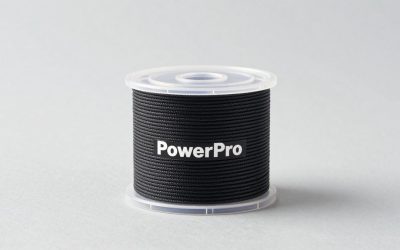
PowerPro Spectra Braid — Best braided line for heavy cover and sensitivity
PowerPro’s Spectra-based braid delivers exceptional strength-to-diameter ratio, letting anglers spool heavier effective strength onto smaller reels while retaining excellent castability and near-zero stretch for maximum bite sensitivity. It excels at flipping and pitching into heavy vegetation or wood cover, where its strength helps horse fish away from cover before they can wrap around structure. The line does show up more visibly underwater than fluorocarbon, so many anglers pair it with a fluorocarbon leader in clear water. For techniques demanding raw power and sensitivity, such as frogging or punching mats, this braid remains a top recommendation.
Check price and availability on Amazon →
Seaguar Red Label Fluorocarbon — Best fluorocarbon for clear water finesse fishing
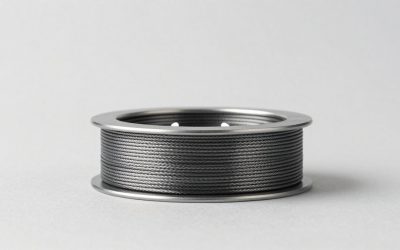
Seaguar pioneered fluorocarbon fishing line, and the Red Label remains one of the most trusted options for anglers needing near-invisible line in clear water conditions. Its abrasion resistance holds up well around rocks and light cover, and its sinking properties help keep finesse presentations like drop shots and Ned rigs in better contact with the bottom. It carries more stretch resistance than basic monofilament while still offering enough give to avoid pulling hooks on light-wire finesse hooks. For pressured bass in clear reservoirs, or any situation where fish are line-shy, Red Label consistently earns strong results.
Check price and availability on Amazon →
KastKing Superpower Braid — Best budget braided line
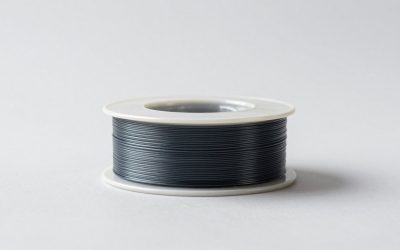
KastKing’s Superpower Braid offers a genuinely strong, low-stretch braided line at a fraction of the cost of premium competitors, making it accessible for anglers wanting to try braid without a big investment. Its consistent diameter and reasonably smooth coating cast well off both spinning and baitcasting reels, and the color holds up reasonably well over a season of use. It will not quite match the ultimate strength consistency of top-shelf braids, but for general bass, catfish, and panfish applications where extreme performance is not required, it delivers dependable results at a price that makes experimentation easy.
Check price and availability on Amazon →
Stren Original — Best value monofilament for casual anglers
Stren Original has remained a budget-friendly monofilament staple for generations of anglers, offering reliable knot strength and reasonable abrasion resistance for casual freshwater fishing without a premium price tag. Its stretch characteristics make it particularly forgiving for beginners still learning proper hookset timing, and it handles well on both spinning and baitcasting reels. While it will show more memory than pricier monofilament lines after extended storage on a spool, respooling once or twice a season easily addresses that. For anglers who fish occasionally and want dependable, inexpensive line, Stren Original remains a sensible default choice.
Check price and availability on Amazon →
How to Choose the Right Option
Match your line choice to your primary technique and water clarity rather than defaulting to one type for everything: use monofilament for topwater and crankbait fishing where stretch helps you avoid pulling hooks, braid for heavy cover techniques like flipping and frogging where strength and zero stretch matter most, and fluorocarbon for finesse presentations in clear water where invisibility and sensitivity are priorities. Respool monofilament every season or two since it degrades from UV exposure and loses strength over time, while braid can last several seasons if not heavily abraded. When tying a fluorocarbon leader to a braided mainline, use a double uni knot or FG knot for a strong, low-profile connection that passes smoothly through rod guides.
The Bottom Line
There is no single best choice for every buyer when it comes to fishing gear — the right pick depends on your budget, how you will use it, and the features you value most. The models above were selected because they balance real-world performance, build quality and value rather than winning on spec sheets alone. If you are unsure, start with the option we highlight as the best overall or best value; both are safe choices that suit the majority of buyers, and you can step up to a premium pick if a specific feature matters to you. Whatever you choose, buy from a listing with clear return terms so you can confirm the fit works for your needs, and always check the current price before ordering, since deals and stock change frequently.
Frequently Asked Questions
What is the difference between monofilament, braided, and fluorocarbon line?
Monofilament is a single extruded nylon strand with noticeable stretch, moderate visibility, and forgiving handling, making it a solid all-around choice, especially for beginners. Braided line consists of woven synthetic fibers with virtually no stretch, exceptional strength for its diameter, and high sensitivity, but it is more visible underwater. Fluorocarbon is a denser single-strand material that is nearly invisible underwater, resists abrasion well, and sinks faster than monofilament, but it is generally more expensive and can be stiffer to handle. Many experienced anglers use different line types for different techniques rather than one line for everything.
How often should I replace my fishing line?
Monofilament should generally be replaced every season, or sooner if fished heavily, since UV exposure and repeated stress cause it to weaken and become brittle even if it looks fine visually. Fluorocarbon holds up somewhat longer but still benefits from annual replacement for serious anglers. Braided line can last multiple seasons since it does not degrade from UV exposure the same way, though the section nearest the leader connection should be trimmed periodically as it wears from repeated casting and retying. Always inspect line closely after landing a fish that put up a hard fight.
What pound test line should I use for bass fishing?
Most bass anglers use 10 to 17 lb monofilament or fluorocarbon for open water and moderate cover, stepping up to 20 to 30 lb (or higher braid equivalent) for heavy vegetation, docks, or flipping into wood cover where break-offs are a real risk. Finesse techniques in clear water often drop down to 6 to 10 lb fluorocarbon for a more natural presentation with light lures. There is no single correct pound test; matching line strength to cover density and lure weight, while staying within your rod’s rated line range, produces the best results across situations.
Can I mix braided line with a fluorocarbon leader?
Yes, and it is a very common and effective setup, especially for finesse and clear-water fishing. Braid as a mainline provides thin diameter, high strength, and excellent bite sensitivity, while a fluorocarbon leader tied to the end adds near-invisibility and abrasion resistance right where the fish sees the line. A three to six foot leader is typical, connected with a strong, low-profile knot like the FG knot or a double uni knot so it passes smoothly through rod guides during casting without catching or creating unnecessary friction.
Related Guides
- Best Tackle Boxes and Bags in 2026
- Best Fish Finders in 2026
- Best Fishing Lures for Bass in 2026
- Best Fishing Kayaks in 2026
- Best Fishing Waders in 2026
- Best Ice Fishing Gear in 2026
As an Amazon Associate we earn from qualifying purchases. This guide is informational; verify specifications and pricing on the product listing before buying.


Write Your Review
No reviews yet. Be the first to share your experience!