
Our Top Picks
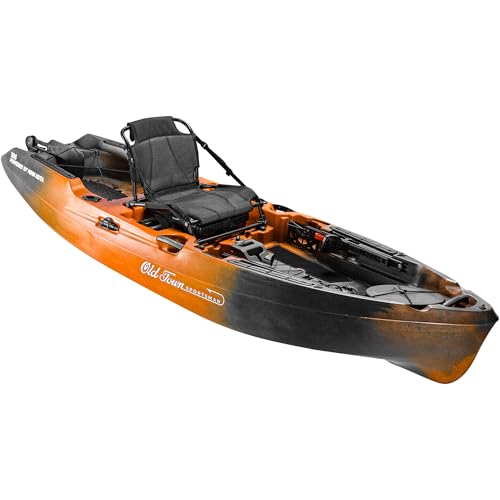
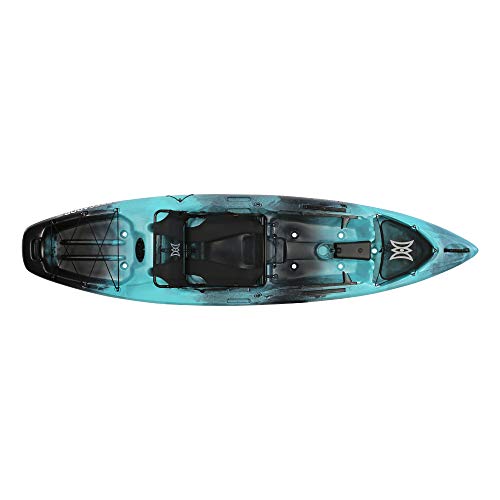


Fishing kayaks have transformed how anglers access water that boats cannot reach, offering a quiet, low-cost, and highly mobile platform for everything from small farm ponds to open coastal flats. The right kayak depends heavily on where you fish, since a river-focused kayak prioritizes maneuverability and a lower profile against wind, while a lake or coastal kayak benefits from a wider, more stable hull that supports standing to sight-fish or cast comfortably. This guide compares five well-regarded fishing kayaks across sit-on-top designs, evaluating stability, storage capacity for gear and catch, and available propulsion options including paddle, pedal drive, and motor-ready models. We focused on kayaks with strong reputations for durability and genuine fishing-specific features, since a kayak built for recreational paddling rarely serves anglers as well as one designed from the ground up for fishing.
What to Look for Before You Buy
Stability and Hull Design
Hull width and shape determine primary and secondary stability, meaning how steady a kayak feels sitting still versus how well it resists tipping when you shift weight, such as reaching for a rod or fighting a fish at the rail. Wider hulls, typically 32 to 36 inches, offer substantially more stability and often allow standing for sight-casting, which is a significant advantage for sight-fishing flats or simply improving casting accuracy and comfort over long days. Narrower hulls track straighter and paddle more efficiently but sacrifice some stability. Pontoon-style tunnel hulls, found on many dedicated fishing kayaks, further boost stability at a modest cost to top paddling speed.
Storage and Rigging Capacity
Fishing requires carrying more gear than typical recreational paddling, including rods, tackle, a cooler, and safety equipment, so storage layout matters significantly. Look for a dedicated rear tank well sized for a milk-crate style storage system or specific fishing crate, along with front hatch storage for dry items like electronics or a phone. Built-in rod holders, both flush-mount for trolling and adjustable for various angles, reduce the need for aftermarket accessories. Accessory tracks along the gunwales let you add rod holders, fish finders, and other gear without drilling into the hull, which preserves resale value and keeps the kayak flexible as your fishing needs change.
Propulsion Options
Traditional paddle kayaks remain the lightest, most affordable, and simplest option, well suited to smaller waters and anglers who do not mind hands-on paddling between spots. Pedal-drive kayaks use foot-powered propulsion, freeing your hands to fish while moving and often providing faster, more efficient travel across larger lakes or against light current, though they add weight and mechanical complexity. Motor-ready kayaks accept small trolling motors for the least physical exertion and fastest travel, ideal for anglers covering larger water or dealing with mobility limitations, but they add battery weight and cost. Choosing propulsion type should reflect the size of water you typically fish and your physical preferences.
Weight and Transport Practicality
A kayak’s weight directly affects how easily you can load, unload, and transport it, which matters enormously if you are launching solo without a dedicated trailer. Lighter kayaks, generally under 60 pounds, are manageable for one person to load onto a roof rack or truck bed, while pedal-drive and heavily rigged kayaks can exceed 100 pounds, often requiring a kayak cart, trailer, or a second person to load safely. Consider your vehicle, launch locations, and whether you typically fish solo or with a partner when weighing the stability and feature benefits of a heavier kayak against the practical burden of moving it regularly.
Quick Comparison
| Model | Best For | Typical Price |
|---|---|---|
| Old Town Sportsman 106 | Best all-around sit-on-top for lakes and rivers | $700–$900 |
| Perception Pescador Pro 10 | Best budget-friendly stable kayak for beginners | $500–$650 |
| Vibe Sea Ghost 130 | Best large kayak for stability and standing casts | $1,000–$1,300 |
| Pelican Catch 110 | Best lightweight budget option for casual anglers | $450–$600 |
| Wilderness Systems Tarpon 100 | Best maneuverable kayak for rivers and tight waters | $700–$900 |
Prices are approximate market ranges and change frequently; always confirm the current price on the live listing.
Top Picks Reviewed
Old Town Sportsman 106 — Best all-around sit-on-top for lakes and rivers
The Sportsman 106 delivers a well-balanced combination of stability, storage, and maneuverability that suits the widest range of fishing environments, from small rivers to larger lakes. Its stable hull supports comfortable seated casting and reasonably confident standing for shorter periods, while its rear tank well and multiple accessory tracks make rigging with rod holders, a fish finder, and a crate straightforward. At around 60 pounds, it remains manageable for solo transport without needing specialized equipment. For anglers who fish varied water and want one versatile kayak rather than a highly specialized platform, the Sportsman 106 is a strong, well-rounded choice.
Check price and availability on Amazon →
Perception Pescador Pro 10 — Best budget-friendly stable kayak for beginners
The Pescador Pro 10 offers genuinely solid stability and fishing-specific features, including flush-mount rod holders and a rear tank well, at a price point considerably below many dedicated fishing kayak competitors. Its lighter weight, around 60 pounds, makes solo transport and launching easier than heavier pedal-drive alternatives, which suits anglers just getting into kayak fishing who do not want to invest in a premium platform before knowing how often they will use it. It lacks the standing stability and rigging depth of pricier kayaks, but for lake and calm river fishing on a budget, it delivers dependable performance.
Check price and availability on Amazon →
Vibe Sea Ghost 130 — Best large kayak for stability and standing casts
The Sea Ghost 130’s wide, stable hull is specifically designed to support standing comfortably for sight-casting and improved casting range, making it a strong choice for anglers who fish flats, clear lakes, or coastal areas where standing improves both visibility and presentation. Its generous storage, including a large rear tank well and bow hatch, accommodates gear for full-day trips. At over 100 pounds when rigged, it is heavier to transport and generally benefits from a kayak cart or trailer, but the stability and casting advantages it provides make it a favorite among anglers prioritizing a standing-friendly platform over lightweight portability.
Check price and availability on Amazon →
Pelican Catch 110 — Best lightweight budget option for casual anglers
The Pelican Catch 110 uses Pelican’s RAM-X material to keep weight manageable while still offering fishing-specific features like a center console with rod holders and accessory mounts, along with a stable, wide hull for its price class. It is an approachable entry point for anglers wanting to try kayak fishing without a major financial commitment, handling calm lakes and slow rivers well. It will not match the storage capacity or standing stability of larger, pricier kayaks, but for casual weekend fishing trips where budget and easy transport matter most, it represents a genuinely practical, lightweight choice.
Check price and availability on Amazon →
Wilderness Systems Tarpon 100 — Best maneuverable kayak for rivers and tight waters
The Tarpon 100’s shorter length and responsive tracking make it particularly well suited to river fishing and smaller, winding waterways where maneuverability matters more than raw top-end stability or storage capacity. It still includes practical fishing features like a rear tank well and molded-in rod holders, and its lighter weight compared to larger fishing-specific kayaks makes solo transport and portaging around river obstacles more manageable. For anglers whose primary fishing water involves creeks, rivers, or tight coves rather than large open lakes, the Tarpon 100’s agility is a genuine practical advantage over bulkier stand-up-focused kayaks.
Check price and availability on Amazon →
How to Choose the Right Option
Choose kayak width and propulsion based primarily on where you fish most: narrower, lighter kayaks suit rivers and creeks where maneuverability matters, while wider, more stable hulls suit lakes and coastal flats where standing to cast is valuable. Rig your kayak with a rear crate for tackle, a rod holder set matched to your typical rod count, and a properly mounted fish finder transducer if you plan to use electronics. Always wear a properly fitted life jacket designed for paddling, since bulky standard vests restrict the arm movement needed for casting and paddling. Practice re-entry techniques in shallow, controlled water before fishing alone in open water, and check local regulations on required safety equipment like a whistle, light, and flag for visibility to boat traffic.
The Bottom Line
There is no single best choice for every buyer when it comes to fishing gear — the right pick depends on your budget, how you will use it, and the features you value most. The models above were selected because they balance real-world performance, build quality and value rather than winning on spec sheets alone. If you are unsure, start with the option we highlight as the best overall or best value; both are safe choices that suit the majority of buyers, and you can step up to a premium pick if a specific feature matters to you. Whatever you choose, buy from a listing with clear return terms so you can confirm the fit works for your needs, and always check the current price before ordering, since deals and stock change frequently.
Frequently Asked Questions
What size kayak is best for fishing?
Most fishing kayaks range from 10 to 13 feet, with shorter kayaks around 10 feet offering better maneuverability for rivers and tight waters at the cost of some top-end stability and storage, while longer kayaks around 12 to 13 feet track straighter, hold more gear, and often provide a wider, more stable platform suited to lakes and coastal fishing. There is no single best size; matching kayak length to your typical fishing water and how much gear you need to carry produces a better outcome than defaulting to the largest available option.
Do I need a pedal-drive kayak or is paddling enough?
Paddle kayaks are lighter, more affordable, and simpler to maintain, working well for anglers fishing smaller waters or who do not mind occasionally setting the paddle down to fish. Pedal-drive kayaks free your hands for fishing while moving and often cover larger water more efficiently, which benefits anglers regularly fishing big lakes, working against current, or covering long distances between spots. The added weight, mechanical complexity, and higher price of pedal drives are worth it primarily for anglers who fish frequently on larger water where hands-free mobility provides a real practical advantage.
How stable are fishing kayaks compared to regular kayaks?
Fishing kayaks are generally built with significantly wider, flatter hulls than recreational or touring kayaks, specifically to support the stability needed for casting, standing, and fighting fish without the constant tipping risk that a narrow touring kayak would present. Many dedicated fishing kayaks in the 32 to 36 inch width range allow confident standing for sight-casting, something most recreational kayaks are not designed to support safely. This added stability does come at some cost to paddling speed and efficiency compared to narrower touring designs, which is a reasonable trade-off for most anglers.
Can one person load a fishing kayak onto a vehicle alone?
Lighter fishing kayaks, generally under 65 pounds, can typically be loaded solo onto a roof rack or into a truck bed using proper lifting technique, though a kayak cart for moving it across parking lots is still helpful. Heavier, more heavily rigged kayaks, particularly pedal-drive models that can exceed 100 pounds, are considerably more difficult to load solo onto a roof rack and often benefit from a trailer, a specialized kayak loading assist system, or a second person to help, so factor your typical loading situation into kayak weight decisions before buying.
Related Guides
- Best Fishing Waders in 2026
- Best Ice Fishing Gear in 2026
- Best Spinning Reels in 2026
- Best Baitcasting Reels in 2026
- Best Fishing Rods for Beginners in 2026
- Best Fishing Line in 2026
As an Amazon Associate we earn from qualifying purchases. This guide is informational; verify specifications and pricing on the product listing before buying.


Write Your Review
No reviews yet. Be the first to share your experience!