
Our Top Picks
 Eskimo 69445 Quickfish 3i Insulated Pop-Up Portable Hub-Style3 Person70 x 70 x 80 inches34 PoundsCheck on Amazon

Ice fishing demands a genuinely different equipment approach than open-water fishing, since staying warm, safely accessing the ice, and efficiently drilling and monitoring holes all directly affect both comfort and how many fish you actually catch during a short winter day. A poorly chosen shelter leaves you exposed to brutal wind chill, an underpowered auger turns hole-drilling into exhausting work across a full day, and without a flasher or portable sonar you are essentially guessing at depth and fish presence beneath the ice. This guide covers five essential categories of ice fishing gear, from portable shelters and power augers to sonar flashers and cold-weather safety suits, focusing on equipment that holds up to genuinely harsh winter conditions and genuinely improves your efficiency and comfort on the ice, rather than gear that looks good in a catalog but underperforms in real sub-freezing conditions.
What to Look for Before You Buy
Shelter Type and Wind Protection
Portable flip-over and hub-style shelters both protect anglers from wind and precipitation, but they suit different use cases. Flip-over shelters attach to a sled base, allowing quick setup by simply flipping the fabric top over a built-in frame, and they tend to hold up better in strong wind due to their lower profile and integrated sled anchoring. Hub-style shelters pop open into a larger, roomier dome shape, offering more interior space for multiple anglers or added gear, but generally requiring additional stakes or ice anchors for stability in high wind. Insulated shelter fabric significantly improves heat retention when using a portable heater, an important consideration for extended sits in extreme cold.
Auger Power Type and Blade Sharpness
Hand augers are lightweight, affordable, and require no fuel or charging, but they demand real physical effort, especially through thick late-season ice, making them best suited to early-season ice or anglers drilling only a few holes. Gas augers cut through ice quickly regardless of thickness and work well for anglers drilling many holes across a full day, but they require fuel storage, starting in cold weather, and more maintenance. Battery-powered augers have become increasingly popular, offering gas-like cutting speed without fuel handling or pull-start hassles in freezing temperatures, though battery life and cold-weather performance vary between models. Sharp, well-maintained blades matter more to cutting speed than the power source itself.
Sonar Flasher vs Camera Systems
A flasher unit displays real-time depth, your jig’s position, and fish moving through the water column as colored bands or flashes, giving nearly instantaneous feedback on how a fish reacts to your bait’s movement, which is enormously valuable for adjusting jigging technique on the spot. Underwater cameras show an actual video feed of what is happening beneath the ice, useful for identifying structure, fish species, and behavior with more visual detail than a flasher provides, but with a slight lag that makes it less ideal for real-time jigging feedback. Many serious ice anglers use a flasher as their primary real-time tool and a camera for scouting new holes or specific structure identification.
Cold-Weather Safety and Insulation
Staying safe and warm on the ice requires layered clothing, insulated boots rated for the temperatures you fish in, and genuine ice safety equipment including ice picks worn around the neck for self-rescue and a spud bar or ice chisel to check ice thickness as you walk out to a new spot. Floating ice suits, which provide buoyancy assistance in the event of falling through thin ice, add a meaningful safety margin for anglers fishing early or late-season ice when thickness can be inconsistent. Never rely on gear alone for ice safety; checking ice thickness personally at multiple points and knowing local ice conditions remains essential regardless of what safety equipment you carry.
Quick Comparison
| Model | Best For | Typical Price |
|---|---|---|
| Eskimo Quickfish 3 | Best portable hub shelter for small groups | $150–$220 |
| StrikeMaster Lithium 40V Auger | Best battery-powered auger for effortless drilling | $400–$550 |
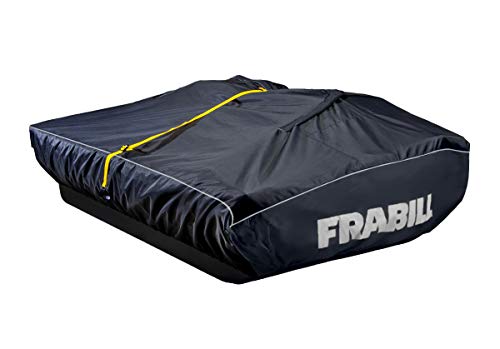
| Frabill Ice Shelter and Sled Combo | Best integrated shelter and gear-hauling system | $200–$350 |
| Clam Ice Armor Suit | Best insulated safety suit for extreme cold | $200–$350 |
| Vexilar FL-8 Flasher | Best entry-level sonar flasher for real-time jigging feedback | $300–$400 |
Prices are approximate market ranges and change frequently; always confirm the current price on the live listing.
Top Picks Reviewed
Eskimo Quickfish 3 — Best portable hub shelter for small groups
The Eskimo Quickfish 3 pops open in seconds and provides enough interior room for two anglers and gear, making it a popular choice for anglers who want quick setup without sacrificing meaningful interior space compared to smaller one-person flip shelters. Its fabric offers decent wind resistance when properly staked, and the shelter packs down reasonably compactly for transport across the ice by sled. It is not quite as wind-stable as a low-profile flip-over shelter in genuinely severe conditions, but for typical winter days and anglers prioritizing quick, simple setup and adequate space, the Quickfish 3 remains a reliable, frequently recommended choice.
Check price and availability on Amazon →
StrikeMaster Lithium 40V Auger — Best battery-powered auger for effortless drilling
The StrikeMaster Lithium 40V auger delivers gas-auger cutting speed without the fuel handling, cold-weather starting struggles, or exhaust fumes of a traditional gas unit, cutting cleanly through thick late-season ice with noticeably less physical effort than a hand auger. Its battery holds a charge well even in cold temperatures, typically allowing dozens of holes per charge depending on ice thickness, and the auger’s blade design stays sharp through a full season of typical use. It costs considerably more than a hand auger, but for anglers drilling many holes across a season, the reduced physical strain and reliable cold-weather performance justify the investment.
Check price and availability on Amazon →
Frabill Ice Shelter and Sled Combo — Best integrated shelter and gear-hauling system
Frabill’s combination shelter and sled systems solve two problems at once, providing both wind and precipitation protection and a rugged sled base for hauling gear, an auger, and a heater across the ice to your fishing spot. The integrated design typically offers better wind stability than a standalone hub shelter since the fabric attaches directly to a low, stable sled frame. This setup particularly suits anglers who walk out to their spots rather than using an ATV or snowmobile, since it consolidates shelter and gear transport into one manageable unit rather than requiring separate hauling equipment for each component.
Check price and availability on Amazon →
Clam Ice Armor Suit — Best insulated safety suit for extreme cold
The Clam Ice Armor suit combines heavy insulation with a floating design that provides meaningful buoyancy assistance in the event of an unexpected fall through thin ice, addressing both comfort and a genuine safety concern that many ice anglers underestimate. Its windproof, waterproof outer shell holds up well to the harsh conditions of extended sits on open, exposed ice, and the suit’s mobility allows comfortable jigging and hole-drilling without feeling overly bulky. For anglers who spend full days on the ice in genuinely cold conditions, particularly early or late season when ice thickness is less predictable, this suit’s combined warmth and safety features are a strong practical investment.
Check price and availability on Amazon →
Vexilar FL-8 Flasher — Best entry-level sonar flasher for real-time jigging feedback
The Vexilar FL-8 gives ice anglers real-time depth, bait position, and fish presence feedback through its color-banded flasher display, which is significantly more useful for active jigging than simply guessing where your bait is relative to fish. Its adjustable sensitivity and zoom features let anglers dial in a clear signal in both shallow and deeper water without excessive clutter on the display. Compared to premium flasher units with larger screens and more advanced target separation, the FL-8 is a more accessible entry point that still delivers the core real-time feedback that meaningfully improves ice fishing hookup rates for anglers transitioning from fishing blind.
Check price and availability on Amazon →
How to Choose the Right Option
Before heading onto any ice, check thickness personally at multiple points using a spud bar or auger, since ice thickness can vary significantly even across a small area, and never trust ice thickness reports from other anglers as a substitute for your own verification. Set up your shelter with the door facing away from prevailing wind, and stake hub-style shelters securely even on seemingly calm days since wind can pick up quickly. Drill holes in a pattern around likely structure, checking depth and bottom composition with your flasher before settling in. Dress in moisture-wicking base layers topped with insulating mid-layers and a windproof, insulated outer shell, and always carry ice picks around your neck for self-rescue in case of an unexpected break-through.
The Bottom Line
There is no single best choice for every buyer when it comes to fishing gear — the right pick depends on your budget, how you will use it, and the features you value most. The models above were selected because they balance real-world performance, build quality and value rather than winning on spec sheets alone. If you are unsure, start with the option we highlight as the best overall or best value; both are safe choices that suit the majority of buyers, and you can step up to a premium pick if a specific feature matters to you. Whatever you choose, buy from a listing with clear return terms so you can confirm the fit works for your needs, and always check the current price before ordering, since deals and stock change frequently.
Frequently Asked Questions
How thick does ice need to be for fishing?
Generally, four inches of new, clear ice is considered the minimum for foot travel for a single angler, though many experienced ice anglers prefer five inches or more as a safety margin, since ice strength is not perfectly uniform across any given body of water. Thicker ice, eight to twelve inches, is typically recommended before considering a snowmobile, and considerably more for vehicle travel. Always check ice thickness personally at multiple points as you move across a lake, since inflow areas, current, and springs can create dangerously thin ice even when surrounding areas measure safely thick.
What is the difference between a flasher and a fish finder for ice fishing?
A flasher is specifically designed for the stationary, vertical jigging style of ice fishing, displaying depth, jig position, and fish presence in real time as colored bands with virtually no lag, which is ideal for immediately seeing how a fish reacts to your bait’s movement. Standard fish finders, typically designed for boats, generally have more lag and less intuitive real-time feedback for stationary vertical presentations, though many combination units now offer a dedicated flasher mode for ice fishing. Serious ice anglers generally prefer a true flasher for real-time jigging feedback specifically because of this responsiveness advantage.
How do I choose between a gas and electric ice auger?
Gas augers cut quickly through ice regardless of thickness and suit anglers drilling many holes across a full day, but they require fuel handling, cold-weather starting effort, and more regular maintenance. Battery-powered augers offer comparable cutting speed without fuel handling or pull-start struggles in freezing temperatures, though very heavy late-season ice can drain battery charge faster than expected, so carrying a spare battery is wise for serious use. Hand augers remain the lightest, most affordable, fuel-free option, best suited to early-season ice or anglers who only need to drill a handful of holes per outing.
What safety gear is essential for ice fishing?
Essential ice safety gear includes a set of ice picks worn around your neck for self-rescue if you break through, a spud bar or ice chisel to check ice thickness as you walk toward new spots, and ideally a length of rope that a fishing partner could use to assist a rescue from a safe distance. A floating ice suit provides meaningful buoyancy assistance and insulation, particularly valuable during early and late-season fishing when ice thickness is least predictable. Always let someone know your fishing location and expected return time, and avoid fishing alone on unfamiliar or early-season ice whenever possible.
Related Guides
- Best Spinning Reels in 2026
- Best Baitcasting Reels in 2026
- Best Fishing Rods for Beginners in 2026
- Best Fishing Line in 2026
- Best Tackle Boxes and Bags in 2026
- Best Fish Finders in 2026
As an Amazon Associate we earn from qualifying purchases. This guide is informational; verify specifications and pricing on the product listing before buying.
Write Your Review
No reviews yet. Be the first to share your experience!