
Our Top Picks


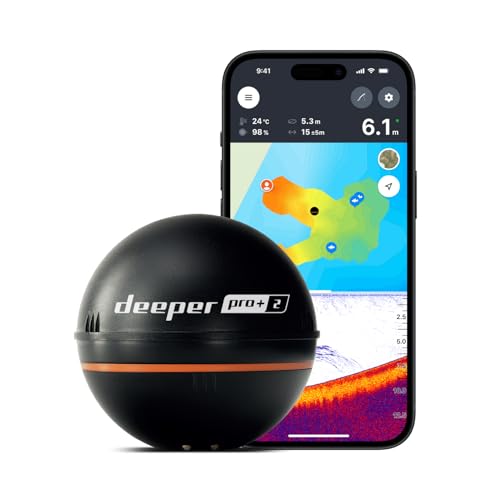
A good fish finder turns guesswork into genuine understanding of what is happening beneath your boat or kayak, showing structure, depth changes, baitfish schools, and the fish themselves in real time. Modern units range from simple, affordable displays that show depth and basic fish arches to advanced systems with side imaging, down imaging, and built-in GPS mapping that can mark and return you to productive spots automatically. Choosing the right unit depends heavily on your platform, whether that is a small kayak with limited power and mounting space, a bass boat with a full electrical system, or an ice shanty needing a portable, battery-powered flasher. This guide compares five well-regarded fish finders across these use cases, focusing on sonar clarity, ease of interpretation for newer users, and genuine value rather than chasing every available feature.
What to Look for Before You Buy
Sonar Technology and Screen Clarity
Traditional 2D sonar shows fish as arches and structure as solid returns, requiring some interpretation experience but remaining highly effective for depth and basic fish location. CHIRP sonar improves on this by sending a sweeping range of frequencies rather than one, producing sharper target separation and clearer distinction between fish, structure, and bottom composition. Down imaging and side imaging technologies render a photo-like view of what is beneath and beside the boat, making it dramatically easier for less experienced users to identify structure and fish without learning to read traditional arches. Screen resolution and size also matter, since a cluttered, low-resolution display is hard to interpret at a glance while running a boat.
GPS Mapping and Waypoint Marking
Built-in GPS lets you mark productive spots as waypoints and navigate back to them precisely on future trips, which is enormously valuable for finding submerged structure like brush piles, drop-offs, or ledges that are invisible from the surface. Preloaded lake maps, when available for your local waters, add contour lines and depth data before you even arrive, saving considerable time compared to mapping unfamiliar water yourself. Some units support additional mapping card purchases for expanded coverage. For anglers who fish the same lake repeatedly, GPS and waypoint marking often deliver more practical fishing improvement than sonar clarity alone, since it turns one good day into a repeatable pattern.
Power Source and Platform Compatibility
Fish finder power needs vary dramatically by platform: kayak anglers typically rely on a small, portable battery pack, so units with lower power draw and dedicated portable kits matter for all-day battery life. Boat anglers with an existing 12-volt electrical system have far more power available and can run larger, more power-hungry units with bigger screens and multiple transducer frequencies. Ice anglers need a fully self-contained, portable unit with a rechargeable battery designed to function in cold temperatures without the battery dying prematurely. Matching the unit’s power requirements and mounting hardware to your actual platform prevents frustrating compatibility issues after purchase.
Ease of Use for Interpretation
A powerful fish finder is only useful if you can quickly interpret what it shows while actively fishing, so menu simplicity and default display settings matter, especially for newer users. Units with a straightforward, uncluttered interface and sensible default sonar sensitivity settings let beginners get useful information immediately, while overly complex menus with many manual adjustments can overwhelm new users and lead to a poorly tuned, confusing display. Look for units with good manufacturer tutorials or a strong community of user guides, since even an excellent fish finder underperforms if its owner never learns to adjust sensitivity and range for their local water conditions.
Quick Comparison
| Model | Best For | Typical Price |
|---|---|---|
| Garmin Striker 4 | Best budget fish finder for kayaks and small boats | $100–$150 |
| Humminbird Helix 5 | Best mid-range unit with CHIRP and DualBeam Plus | $300–$400 |
| Lowrance Hook Reveal | Best all-around imaging for serious anglers | $250–$450 |
| Garmin Striker Vivid 7cv | Best vivid color imaging for structure identification | $300–$400 |
| Deeper Pro+ Smart Sonar | Best portable castable sonar for bank and ice anglers | $150–$250 |
Prices are approximate market ranges and change frequently; always confirm the current price on the live listing.
Top Picks Reviewed
Garmin Striker 4 — Best budget fish finder for kayaks and small boats
The Garmin Striker 4 remains one of the most recommended entry-level fish finders because it pairs clear CHIRP sonar with built-in GPS in a compact, affordable package that is easy to mount on a kayak or small jon boat. Its waypoint marking function lets anglers save productive spots and structure without needing a more expensive full-mapping unit, and the display, while modest in size, renders fish arches and bottom structure clearly enough for confident interpretation. It lacks side imaging and larger multi-touch screens found on pricier units, but for anglers wanting genuine sonar and mapping capability without a big investment, it delivers strong value.
Check price and availability on Amazon →
Humminbird Helix 5 — Best mid-range unit with CHIRP and DualBeam Plus
The Helix 5 steps up from entry-level units with a larger, higher-resolution color display and Humminbird’s DualBeam Plus sonar, giving noticeably clearer target separation and bottom detail than basic budget finders. Its built-in GPS supports detailed waypoint mapping, and the unit’s menu structure remains approachable for anglers upgrading from a simpler model. It handles both boat and larger kayak installations well, striking a solid middle ground between the affordability of entry-level units and the advanced imaging of premium systems. For anglers ready to invest in noticeably better sonar without jumping to flagship pricing, the Helix 5 is a strong choice.
Check price and availability on Amazon →
Lowrance Hook Reveal — Best all-around imaging for serious anglers
The Hook Reveal line combines CHIRP sonar with both down imaging and, on select models, side imaging, giving anglers a genuinely detailed, photo-like view of underwater structure and fish location that is far easier to interpret than traditional arches for many users. Its Autotuning sonar automatically adjusts sensitivity settings for current conditions, reducing the learning curve for less experienced users significantly. The unit’s built-in GPS supports advanced mapping features including the option to add detailed lake contour cards. It represents a strong step into imaging technology without reaching the price of top-tier multi-screen systems.
Check price and availability on Amazon →
Garmin Striker Vivid 7cv — Best vivid color imaging for structure identification
The Striker Vivid 7cv improves on Garmin’s Striker line with vivid, high-contrast color palettes specifically designed to make fish and structure pop against the background more clearly than standard blue-scale displays, which noticeably speeds up interpretation for anglers still learning to read sonar. Its larger 7-inch screen and CHIRP ClearVu scanning sonar produce sharp, near-photographic detail of structure beneath and beside the boat. Built-in GPS and waypoint mapping round out a unit well suited to serious kayak and small boat anglers who want strong imaging performance without moving into the premium multi-function display category.
Check price and availability on Amazon →
Deeper Pro+ Smart Sonar — Best portable castable sonar for bank and ice anglers
The Deeper Pro+ takes a different approach entirely, packing sonar and GPS into a small, castable ball that connects wirelessly to a smartphone app, making it ideal for bank anglers, kayakers without permanent mounting space, or ice anglers wanting a genuinely portable option. It scans depth, structure, and fish location by simply casting it out on your line and reeling it back, then displays results on your phone screen. It will not match the raw power of a mounted unit with a large dedicated screen, but for anglers needing maximum portability, it opens up sonar scouting in situations where traditional units cannot be mounted at all.
Check price and availability on Amazon →
How to Choose the Right Option
Mount your fish finder’s transducer according to the manufacturer’s angle and depth guidelines, since a poorly positioned transducer produces noisy, unreliable readings regardless of the unit’s actual capability. Start with default sonar sensitivity settings, then gradually adjust upward in clear, deep water and downward in shallow or weedy water to reduce clutter on the display. Use CHIRP or imaging modes at slower boat speeds for the clearest detail, since higher speeds reduce sonar resolution on most consumer units. Mark waypoints immediately when you find productive structure or catch fish, building a personal map of your local water over time that becomes one of the most valuable tools you own for repeating good days on the water.
The Bottom Line
There is no single best choice for every buyer when it comes to fishing gear — the right pick depends on your budget, how you will use it, and the features you value most. The models above were selected because they balance real-world performance, build quality and value rather than winning on spec sheets alone. If you are unsure, start with the option we highlight as the best overall or best value; both are safe choices that suit the majority of buyers, and you can step up to a premium pick if a specific feature matters to you. Whatever you choose, buy from a listing with clear return terms so you can confirm the fit works for your needs, and always check the current price before ordering, since deals and stock change frequently.
Frequently Asked Questions
Do I need GPS on a fish finder or just sonar?
GPS adds significant long-term value by letting you mark and return to productive spots precisely, which matters enormously for finding submerged structure again on future trips. Basic sonar-only units are cheaper and still show depth, structure, and fish location in real time, which is enough for anglers fishing small, familiar waters where remembering landmarks is easy. For anglers fishing larger lakes, unfamiliar water, or wanting to build a repeatable pattern of productive spots over a season, GPS with waypoint marking is generally worth the modest price increase over sonar-only models.
What is the difference between down imaging and side imaging?
Down imaging shows a detailed, photo-like view of what is directly beneath the boat, excellent for identifying individual fish, brush piles, and bottom composition in the boat’s direct path. Side imaging extends that same photo-like clarity out to both sides of the boat, letting you scan a much wider area without driving directly over it, which is particularly useful for locating structure like drop-offs, rock piles, or schools of baitfish before running the boat over them and potentially spooking fish. Many mid-range and premium units include both, letting anglers switch between wide-area scouting and precise identification.
Can I use a boat fish finder on a kayak?
Many compact fish finders designed for small boats work well on kayaks, provided the unit’s power draw fits within a portable battery’s capacity and you have a way to mount the transducer, either through a scupper hole mount, a suction-cup arm, or a dedicated kayak fishing accessory track. Larger, power-hungry units with bigger screens designed for full boat electrical systems can drain a small kayak battery quickly, so kayak anglers generally do better with compact, lower-power units like the Garmin Striker series rather than assuming any boat unit will transfer over comfortably.
How deep can most consumer fish finders read?
Most mid-range consumer fish finders using standard CHIRP sonar can read effectively to depths of 200 to 500 feet, though practical fishing depth for the majority of freshwater anglers rarely exceeds 60 to 100 feet. Deeper-rated capability matters more for offshore or big-water anglers targeting species that hold in deep basins. Imaging technologies like side and down imaging typically have a shallower effective range than traditional 2D sonar, often performing best within 100 to 150 feet, since the higher-frequency signals used for detailed imaging lose clarity at extreme depth.
Related Guides
- Best Fishing Lures for Bass in 2026
- Best Fishing Kayaks in 2026
- Best Fishing Waders in 2026
- Best Ice Fishing Gear in 2026
- Best Spinning Reels in 2026
- Best Baitcasting Reels in 2026
As an Amazon Associate we earn from qualifying purchases. This guide is informational; verify specifications and pricing on the product listing before buying.

Write Your Review
No reviews yet. Be the first to share your experience!