
Our Top Picks



Bass respond to an enormous range of lure types, and no single bait works everywhere, every season, which is why experienced anglers carry a rotation rather than relying on one favorite. Matching lure type to water clarity, cover density, seasonal water temperature, and bass behavior is what separates consistently productive anglers from those who get lucky occasionally. This guide covers five proven lures spanning topwater, crankbait, soft plastic, spinnerbait, and worm categories, each explained with the conditions where it truly shines. We focused on lures with long track records of catching quality bass across different regions of the country rather than passing fads, so whether you are fishing a farm pond, a grassy reservoir, or a rocky highland lake, this list gives you a genuinely useful, versatile starting rotation for building your own tackle box around bass fishing success.
What to Look for Before You Buy
Matching Lure Type to Water Clarity
Water clarity heavily influences which lure colors and styles trigger strikes, since bass rely more on sight in clear water and more on vibration and silhouette in stained or murky conditions. In clear water, natural, translucent colors like shad patterns or subtle greens tend to outperform bold, bright colors that can look unnatural and spook wary fish. In stained or muddy water, darker colors like black and blue, or bright colors like chartreuse, create a stronger silhouette and are easier for bass to locate using their lateral line to sense vibration. Adjusting lure choice to water clarity, rather than fishing the same color everywhere, meaningfully improves strike rates.
Seasonal Presentation Adjustments
Bass behavior shifts dramatically with water temperature across the year, and lure presentation should shift with it. In cold water during late fall and winter, bass metabolism slows, favoring slow-moving presentations like jigs, suspending jerkbaits, and slow-rolled soft plastics fished with long pauses. As water warms in spring, reaction baits like lipless crankbaits and spinnerbaits trigger aggressive pre-spawn feeding. Summer often rewards early morning topwater and deep structure fishing with crankbaits or Carolina rigs as bass retreat to cooler depths during the heat of the day. Understanding this seasonal pattern helps you select lures that match current bass behavior rather than fishing on habit alone.
Cover Type and Weedless Design
Different lures perform better in different cover types, and choosing weedless designs when fishing heavy vegetation or wood prevents constant snagging that wastes fishing time and spooks nearby fish. Texas-rigged soft plastics and weedless frogs excel in matted vegetation and thick cover where treble-hooked lures like crankbaits would foul instantly. Open water and moderate cover allow for treble-hooked reaction baits like crankbaits and spinnerbaits, which generally trigger more reaction strikes than weedless presentations but cannot handle truly thick cover. Matching lure design to the specific cover density you are fishing prevents wasted casts and keeps your bait working through the strike zone rather than hung up.
Retrieve Speed and Action Control
How you work a lure through the water often matters more than lure selection itself, since the same bait fished at different speeds and with different pause patterns can produce completely different results on a given day. Reaction baits like spinnerbaits and crankbaits generally benefit from experimenting with retrieve speed until you find what triggers strikes that day, since bass preference shifts with temperature, pressure, and mood. Soft plastics typically reward patience, with long pauses between subtle twitches often outproducing constant movement, particularly in cold water or when fish are pressured. Developing feel for varying retrieve speed and cadence is a skill that improves catch rates more than any single lure purchase.
Quick Comparison
| Model | Best For | Typical Price |
|---|---|---|
| Rapala Original Floater | Best classic topwater and shallow twitch bait | $8–$12 |
| Strike King KVD Squarebill | Best crankbait for shallow cover and rocky banks | $8–$14 |
| Zoom Trick Worm | Best soft plastic worm for finesse and Texas rigging | $4–$7 |
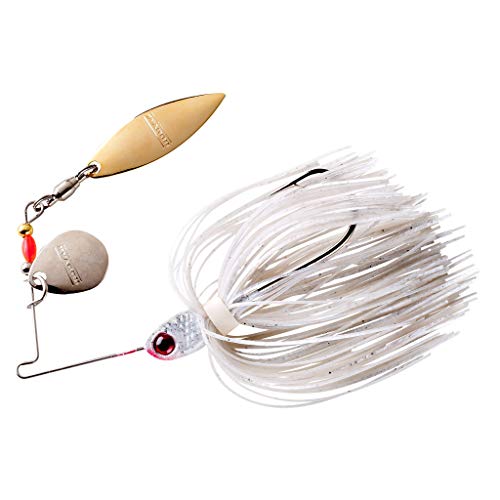
| Booyah Pond Magic Spinnerbait | Best spinnerbait for stained water and active fish | $6–$10 |
| Berkley PowerBait Power Worm | Best scented soft plastic for slow, subtle presentations | $5–$8 |
Prices are approximate market ranges and change frequently; always confirm the current price on the live listing.
Top Picks Reviewed
Rapala Original Floater — Best classic topwater and shallow twitch bait
The Rapala Original Floater has caught bass for generations thanks to its realistic wounded-baitfish action on both a steady retrieve and a twitch-pause presentation, making it genuinely versatile across topwater and just-subsurface applications. Its balsa wood construction gives it a subtle, natural roll that reaction-strike-triggering hard plastics often cannot replicate. It excels during low-light periods, early morning and evening, when bass move shallow to feed, and works particularly well over grass flats or near shoreline cover. It is a finesse presentation compared to more aggressive topwater baits, making it a strong choice for pressured or clear-water bass.
Check price and availability on Amazon →
Strike King KVD Squarebill — Best crankbait for shallow cover and rocky banks
Designed with input from tournament pro Kevin VanDam, the KVD Squarebill crankbait deflects off rocks, wood, and stumps rather than hanging up, making it a top choice for fishing shallow, hard cover where bass frequently ambush prey. Its wide wobbling action at moderate retrieve speeds triggers reaction strikes effectively in both clear and stained water, and its square bill design keeps it running true even after bouncing repeatedly off cover. It is most effective in the pre-spawn and post-spawn periods when bass hold shallow, and remains a staple in the boxes of tournament anglers across the country for good reason.
Check price and availability on Amazon →
Zoom Trick Worm — Best soft plastic worm for finesse and Texas rigging
The Zoom Trick Worm’s subtle tail action and buoyant salt-impregnated plastic make it an outstanding finesse bait for both wacky rigging and Texas rigging around cover, producing a natural, enticing fall that triggers strikes from wary or pressured bass. It performs well in a wide range of conditions, from clear highland reservoirs to grassy natural lakes, and its relatively low cost means anglers can fish it aggressively around snaggy cover without worrying excessively about losing baits. This worm’s versatility across multiple rigging styles is why it remains one of the best-selling soft plastics in bass fishing history.
Check price and availability on Amazon →
Booyah Pond Magic Spinnerbait — Best spinnerbait for stained water and active fish
The Booyah Pond Magic Spinnerbait combines a strong vibrating blade thump with a compact profile well suited to smaller waters and stained conditions where bass rely heavily on vibration to locate prey. Its skirt and blade combination creates a flash and pulse that triggers reaction strikes from active, feeding bass, particularly effective during spring and fall when bass are aggressively chasing baitfish in shallow to mid-depth water. It fishes well around moderate cover like laydowns and grass edges, and its relatively weedless design compared to crankbaits lets anglers work it through light cover without constant hang-ups.
Check price and availability on Amazon →
Berkley PowerBait Power Worm — Best scented soft plastic for slow, subtle presentations
The PowerBait Power Worm built its reputation on Berkley’s proprietary scent and flavor technology, which encourages bass to hold onto the bait longer than unscented plastics, giving anglers a better chance to detect subtle bites and set the hook in time. Its classic ribbon-tail design creates a seductive, undulating action on both a slow drag and a slack-line fall, making it especially effective for pressured bass in clear water or during tough post-frontal conditions when fish are less willing to chase moving baits aggressively. It remains a confidence bait for finesse-minded anglers nationwide.
Check price and availability on Amazon →
How to Choose the Right Option
Build a basic bass lure rotation around four categories: a topwater or shallow-diving bait for low-light hours, a crankbait for covering water and triggering reaction strikes, a spinnerbait for stained water or active fish, and a soft plastic worm for finesse presentations when fish are pressured or inactive. Start each outing with a moving bait like a crankbait or spinnerbait to locate active fish efficiently, then slow down to soft plastics if reaction baits are not producing. Match lure color to water clarity, using natural translucent colors in clear water and darker or brighter contrasting colors in stained water. Vary your retrieve speed and pause length throughout the day, since bass preference for speed can change even within a single outing.
The Bottom Line
There is no single best choice for every buyer when it comes to fishing gear — the right pick depends on your budget, how you will use it, and the features you value most. The models above were selected because they balance real-world performance, build quality and value rather than winning on spec sheets alone. If you are unsure, start with the option we highlight as the best overall or best value; both are safe choices that suit the majority of buyers, and you can step up to a premium pick if a specific feature matters to you. Whatever you choose, buy from a listing with clear return terms so you can confirm the fit works for your needs, and always check the current price before ordering, since deals and stock change frequently.
Frequently Asked Questions
What is the best all-around bass lure for beginners?
A soft plastic worm, such as the Zoom Trick Worm or Berkley Power Worm rigged Texas-style with a bullet weight, is widely considered the best starting lure for beginners because it is forgiving of imperfect technique, works in nearly any water condition, and consistently produces bites without requiring precise retrieve timing. It can be fished slowly along the bottom near cover, which gives new anglers time to feel a bite and react, unlike faster reaction baits that demand quicker hooksets and more casting accuracy to place correctly near cover.
When should I use a crankbait versus a soft plastic for bass?
Crankbaits work best for covering water quickly to locate active, feeding bass, particularly effective around moderate cover like rocky banks, points, and shallow flats during pre-spawn and post-spawn periods. Soft plastics excel when bass are less active or more pressured, such as during a cold front, in heavily fished clear water, or in the heat of summer when fish hold tight to cover and want a slower, more subtle presentation. Many anglers start a day with a crankbait to locate active fish, then switch to soft plastics once initial reaction bites slow down.
What color lures work best for bass fishing in murky water?
In murky or stained water, darker colors like black and blue, junebug, or red create a bolder silhouette that bass can detect using their lateral line even when visibility is limited, while bright colors like chartreuse also perform well by standing out against a dark background. Natural, translucent, or subtle colors that work well in clear water tend to blend into murky backgrounds and produce fewer strikes. Lures with strong vibration, like spinnerbaits and rattling crankbaits, also help compensate for reduced visibility by giving bass another way to locate the bait besides sight.
How do I choose the right size lure for bass?
Lure size should generally match the size of baitfish or forage present in the water you are fishing, since bass key in on the dominant food source available seasonally. Smaller finesse baits, typically 3 to 5 inches, work well for pressured fish or when targeting numbers rather than size, while larger baits, 6 inches and up, tend to filter out smaller bass and appeal to trophy-sized fish that require more calories per strike to make chasing worthwhile. When in doubt, starting with a moderate size and adjusting based on the day’s bite is a reasonable approach.
Related Guides
- Best Fishing Kayaks in 2026
- Best Fishing Waders in 2026
- Best Ice Fishing Gear in 2026
- Best Spinning Reels in 2026
- Best Baitcasting Reels in 2026
- Best Fishing Rods for Beginners in 2026
As an Amazon Associate we earn from qualifying purchases. This guide is informational; verify specifications and pricing on the product listing before buying.


Write Your Review
No reviews yet. Be the first to share your experience!