
Choosing between a portable and mounted fish finder for a kayak is less about sonar technology than it is about how you store, transport, and use your gear. A mounted unit can make every fishing trip faster and more organized, while a portable model keeps your kayak flexible and your equipment easier to move between boats. For buyers thinking about the whole home—not just the water—the choice also affects storage space, charging habits, cleaning, and the risk of leaving expensive equipment outdoors.
The right option depends on whether your kayak is a permanent fishing setup or one item in a shared collection of outdoor gear. A dedicated angler may prefer a fixed display, battery, and transducer installation. Someone who rents, owns more than one kayak, or fishes only occasionally may get more value from a compact kit that can be packed away after every trip.
Our top picks
 Garmin 010-01550-00 Striker 4 with Transducer
- Clear Vu scanning Sonar shows you more of…
- The power of simple offers a keyed interface…
- Waypoint map: Use the way point map to…
| Product | Key specs | |
|---|---|---|
 INIU 10000mAh 45W Fast Charging Portable Charger INIU 10000mAh 45W Fast Charging Portable Charger | Check price | |
 Miady 2-Pack Portable Charger Miady 2-Pack Portable Charger | Check price | |
| Garmin 010-01550-00 Striker 4 with Transducer | Clear Vu scanning Sonar shows you more of… The power of simple offers a keyed interface… Waypoint map: Use the way point map to… | Check price |
 LUCKY Kayak Portable Fish Depth Finder Water LUCKY Kayak Portable Fish Depth Finder Water | ✦ Fish Finder and Depth Finder : It… ✦ Helpful Data Display : Besides fish depth… ✦ Handheld & Portable : The size of… | Check price |
As an Amazon Associate we earn from qualifying purchases at no extra cost to you.
Quick Verdict
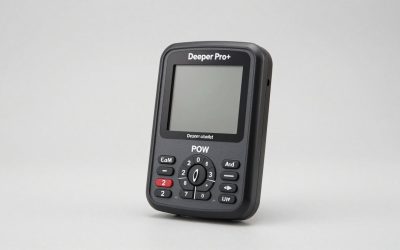
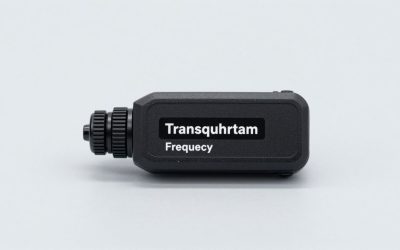
Choose a portable fish finder if you want low commitment, simple storage, and the freedom to use the same device on different kayaks. Portable units are also the better match for renters, beginners, inflatable kayaks, and households where gear must fit in a closet or apartment entryway. A handheld model such as the LUCKY Kayak Portable Fish Depth Finder FFC1108 is an example of the compact category, with a listed price of $42.99.
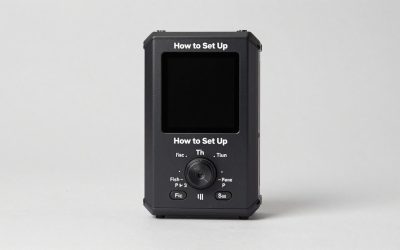
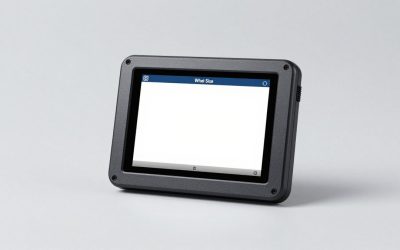
Choose a mounted fish finder if you fish regularly, own a rigid kayak, and want a display that stays in a predictable position. Mounting reduces setup time and can make navigation and depth readings easier to see while you paddle. The Garmin Striker 4 with transducer, listed at $139.99, represents the more complete mounted-style setup, although installation may also require a battery, bracket, wiring, and a transducer solution compatible with your hull.
For most occasional kayak anglers, portable is the sensible starting point. For a dedicated fishing kayak used several times a month, mounted is usually the more comfortable long-term choice.
Side by Side
| Factor | Portable fish finder | Mounted fish finder |
|---|---|---|
| Comfort | Requires occasional handling or repositioning | Screen and controls stay within a consistent reach |
| Durability | More exposed to drops during setup and packing | Protected when installed well, but brackets and wiring can be damaged |
| Price range | About $40–$180, plus batteries or charging gear | About $100–$500 installed, depending on display and battery |
| Maintenance | Charge, rinse, dry, and store after each outing | Inspect mounts, cables, seals, battery, and transducer regularly |
| Space needed | Often 6–12 inches of storage length | Permanent kayak hardware plus a battery storage area |
| Look | Clean kayak when removed; less integrated on the water | Neater, purpose-built appearance when installed carefully |
| Resale | Easy to sell separately or move to another kayak | May add appeal to a fishing kayak but can limit buyer compatibility |
| Setup time | Usually several minutes at the launch | Usually faster once the system is permanently configured |
| Best for | Renters, beginners, multiple kayaks, and occasional trips | Frequent anglers with one primary rigid kayak |
Where Portable Wins
Portability is most valuable when your storage situation changes from trip to trip. A portable fish finder can live on a shelf, in a gear bin, or in a padded case instead of remaining attached to the kayak. That matters in a small home, where a mounted display can make a kayak harder to hang or slide into a closet.
A portable unit is also easier to share. If two people in the household use different kayaks, one finder can move between them without duplicating the display and transducer. The same advantage applies to owners who transport a kayak on a roof rack and want to remove delicate electronics before driving home.
Installation is another reason to choose portable. You generally avoid drilling holes, routing permanent cables, or deciding where a battery box should live. That is particularly useful with inflatable kayaks, rental boats, and kayaks with unusual hull shapes. Before buying, confirm whether the portable unit uses a float, suction cup, transom-style attachment, or a handheld transducer. Those approaches do not all work equally well in moving water.
Portable gear can also cost less at the beginning. A $42.99 handheld finder leaves room in the budget for a protective case, spare batteries, or a compact paddle leash. If the unit requires USB charging, a power bank can provide backup energy on a long outing. For example, the INIU 10000mAh 45W Fast Charging Portable Charger is listed at $21.59, while the Miady 2-Pack Slim 10000mAh Power Bank Travel Battery Pack is listed at $19.97. These accessories add weight, so keep them in a dry bag and check that the finder can safely use the charger’s output.
The tradeoff is attention. You may need to place the transducer, secure the display, and remove everything after fishing. A handheld screen can also be less convenient to read while paddling, especially in bright sun or choppy water.
Where Mounted Fish Finder for Kayak Wins
A mounted fish finder creates a more predictable cockpit. The display sits in the same location every time, the transducer is already positioned, and the battery can remain organized in a dedicated compartment or waterproof box. That consistency is valuable for anglers who fish often and do not want to rebuild their setup at every launch.
Mounted systems generally win on usability during a full day on the water. A screen fixed near the seat is easier to glance at than a device sitting in a cup holder or being held in one hand. A well-positioned unit can also reduce clutter because the bracket, wiring, and transducer cable follow a planned route instead of being packed as separate parts.
There is a practical comfort benefit as well. When the finder is mounted at eye level or just below it, you can check depth without turning your torso or interrupting your paddle stroke. However, avoid placing the screen where it blocks your legs, paddle path, hatch access, or emergency equipment. A mounting location that looks tidy on dry land can become frustrating once you are seated and casting.
The main drawback is commitment. A mounted installation may require a rail mount, track adapter, battery, fuse, cable management, and a hull-compatible transducer installation. Drilling is not always necessary, but it is possible depending on the kayak and mounting method. The system also adds equipment that must be protected during transport and winter storage.
Mounted does not automatically mean better sonar. The display’s screen size, frequency options, GPS features, transducer placement, and power supply matter more than the fact that the unit is fixed in place. A compact GPS fishfinder such as the Garmin Striker 4 with transducer is listed at $139.99, but the total installed cost will be higher once mounting and power accessories are included.
Cost Over 5 Years
A realistic five-year comparison should include more than the display price. A basic portable setup might cost $40–$180 for the finder, $10–$35 for a case or dry bag, and $0–$30 for spare charging or battery accessories. That creates a typical starting range of about $50–$245. If the battery is replaceable and needs renewal once during the period, add approximately $10–$30.
A mounted setup commonly starts around $100–$500 for the finder and transducer. Add roughly $30–$100 for a bracket or rail mount, $25–$100 for a small 12-volt battery or power pack, and $15–$50 for wiring, fuses, and waterproof storage. A reasonable five-year total is therefore about $170–$750, before factoring in replacement parts or professional installation.
These are planning ranges, not guarantees. Portable units can become expensive if you buy several specialized mounts, while a mounted system may cost less than expected if your kayak already has a compatible track and battery compartment. The less frequently you fish, the harder it is to justify permanent hardware purely on convenience.
Which One for Your Home
Small apartment
Portable is usually the better fit. Store the finder in a 6–12-inch padded case on a closet shelf, and keep the charger in the same bin as your kayak accessories. A mounted kayak can take more wall depth and may be awkward to carry through a narrow hallway or elevator. If you need backup power, choose one compact power bank rather than a two-pack unless you regularly travel with multiple devices.
Family with kids or pets
Portable equipment is easier to lock away and less likely to create exposed cables or hard brackets at home. Keep the screen and transducer in a sealed container above floor level, and rinse and dry them before storage. A mounted setup can work if the kayak has a dedicated garage rack, but remove loose batteries and secure the boat so children cannot climb on it.
Rental
Portable is the clear choice. Avoid drilling, permanent adhesives, and modifications that could affect a deposit or violate a lease. A portable finder also lets you move your fishing setup when you change homes. Select a model with a straightforward attachment method that can be removed without tools or residue.
Long-term home
Mounted is attractive when you have a dedicated garage, shed, or gear wall and one primary fishing kayak. You can leave the bracket and cable routing organized, then remove only the display or battery for security. If the kayak is stored outdoors, portability may still be preferable because electronics last longer when protected from sun, moisture, and temperature swings.
FAQ
Can a portable fish finder work as well as a mounted one?
It can provide useful depth and fish information, but performance depends on the transducer position, water conditions, display, and power source. Mounting mainly improves consistency and convenience; it does not guarantee stronger sonar.
Does a mounted fish finder need a separate battery?
Usually, yes. Many kayak-mounted units use a small rechargeable 12-volt battery or a compatible power pack. Confirm the finder’s voltage and connector requirements, and keep the battery in a waterproof enclosure that remains accessible for charging.
How much storage space should I plan for a portable setup?
Allow approximately 6–12 inches for the finder and case, plus room for the transducer, cable, charger, and dry bag. A complete kit may fit in a small gear bin, but measure the packed components rather than relying only on the display dimensions.
Is portable or mounted better for a first-time kayak angler?
Portable is generally the safer first purchase because it costs less, requires fewer modifications, and lets you learn where you want the display before committing to a permanent layout. Upgrade to mounted equipment after you know how often you fish and which kayak will remain your primary boat.



Write Your Review
No reviews yet. Be the first to share your experience!