
Key takeaways
- Finds productive structure faster. A sonar screen can reveal creek channels, ledges, drop-offs, humps, and submerged trees instead of making you search blindly.
- Shows depth changes. Even when fish are not visible, knowing whether you are over 4, 12, or 30 feet of water helps you choose lures, retrieve speeds, and fishing locations.
- Improves safety and navigation. Depth information can warn you about sudden shallow areas, while GPS on some units can help you mark launches, channels, productive spots, and hazards.
- Useful from shore to open water. A compact unit can serve on small lakes, reservoirs, rivers, and some protected coastal environments, provided it is installed and weather-protected appropriately.
- Can shorten the learning curve. New anglers get visual feedback about how bottom contours and cover relate to bites. That can make practice more productive.
- Basic models are relatively affordable. Entry-level fish finders commonly cost about $100 to $180, with batteries and mounting adding roughly $30 to $100.
The Short Answer
It depends—but you need one only if you regularly fish unfamiliar water, deeper areas, or structure that is difficult to locate by sight. A fish finder is helpful equipment, not essential kayak-fishing equipment. You can catch plenty of fish with a rod, basic tackle, and an understanding of seasonal patterns. However, a compact sonar unit can show depth, bottom contours, drop-offs, vegetation, and suspended fish that you would otherwise have to find by trial and error.
For most kayak anglers, the decision comes down to how you fish. If you stay on a small, familiar lake and fish shallow cover, skip the electronics at first. If you explore reservoirs, coastal bays, or water deeper than about 10 to 15 feet, a fish finder becomes much easier to justify. Budget roughly $140 to $300 for a basic installed setup, including the unit, a small battery, mounting hardware, and protective accessories.
Our top picks
 Garmin 010-01550-00 Striker 4 with Transducer
- Clear Vu scanning Sonar shows you more of…
- The power of simple offers a keyed interface…
- Waypoint map: Use the way point map to…
 Humminbird PiranhaMAX 4 Fish Finder with Transducer
- Dual Beam Sonar: Choose from a narrow and…
- Tilt and Swivel Mount: Quickly adjust your viewing…
- 1-Year Limited Warranty
As an Amazon Associate we earn from qualifying purchases at no extra cost to you.
What You Actually Get
A kayak fish finder uses sonar to send sound pulses into the water and interpret the returning echoes. The screen can display water depth, the shape of the bottom, submerged vegetation, hard structure, and potential fish targets. More advanced units add GPS mapping, waypoint storage, temperature readings, side imaging, or down imaging, but basic models are much simpler.
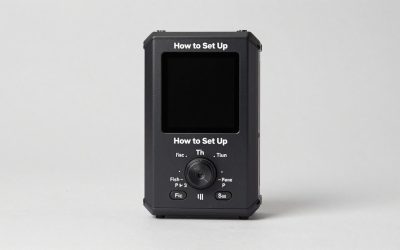
At the entry level, a 3.5- to 5-inch screen is common. That is compact enough for a kayak but still readable when mounted within arm’s reach. A small unit typically draws about 0.2 to 0.5 amps at 12 volts, so a sealed 7- to 12-amp-hour battery can power it for a full day or several shorter trips. A waterproof battery box, inline fuse, and secure cable routing are important because kayak electronics live around splashes, dripping paddles, and wet hands.
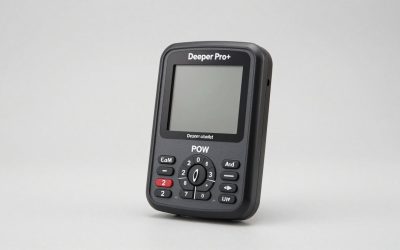
The Garmin Striker 4 with transducer is a representative basic option. It has a 3.5-inch display, CHIRP sonar, GPS, and a transducer, with a listed price around $139.99. The Humminbird PiranhaMAX 4 is another straightforward choice, with a 4.3-inch display, dual-beam sonar, and transducer at about $139. These are useful reference points for what a basic fish finder costs in 2026—not a promise that either model is the best fit for every kayak.
Installation matters as much as the screen. A transducer may mount through the hull, in a scupper hole, on a removable arm, or inside a dedicated transducer pocket. Through-hull and in-hull mounting can be clean and protected, but the hull material and mounting location affect performance. An arm mount is easier to remove and adjust, though it can snag on weeds or obstacles. Before buying, confirm that the unit’s transducer is compatible with your kayak and that you have a practical place for the display and battery.
Pros
- Finds productive structure faster. A sonar screen can reveal creek channels, ledges, drop-offs, humps, and submerged trees instead of making you search blindly.
- Shows depth changes. Even when fish are not visible, knowing whether you are over 4, 12, or 30 feet of water helps you choose lures, retrieve speeds, and fishing locations.
- Improves safety and navigation. Depth information can warn you about sudden shallow areas, while GPS on some units can help you mark launches, channels, productive spots, and hazards.
- Useful from shore to open water. A compact unit can serve on small lakes, reservoirs, rivers, and some protected coastal environments, provided it is installed and weather-protected appropriately.
- Can shorten the learning curve. New anglers get visual feedback about how bottom contours and cover relate to bites. That can make practice more productive.
- Basic models are relatively affordable. Entry-level fish finders commonly cost about $100 to $180, with batteries and mounting adding roughly $30 to $100.
Cons
- It adds clutter. A display, mount, battery, cables, and transducer take up limited deck and hatch space on a kayak.
- Installation can be inconvenient. Drilling into a kayak is a permanent decision, while temporary arms and suction-style solutions may move, snag, or need adjustment.
- Sonar does not identify fish perfectly. A mark on the screen may be a fish, bait, debris, or an interpretation error. You still need to understand water temperature, forage, weather, and seasonal behavior.
- Small screens require concentration. A 3.5-inch display is useful but not spacious. Bright sun, polarized sunglasses, glare, and spray can make details hard to read.
- Batteries require care. A drained or poorly secured battery can end a trip early. Rechargeable sealed lead-acid and lithium batteries both need appropriate charging and storage.
- It increases cost and failure points. Water intrusion, damaged cables, loose mounts, and dead batteries are additional problems that do not exist with a basic rod-and-tackle setup.
Who Should Buy It
Buy a fish finder if you fish several different bodies of water, target species that use offshore structure, or frequently fish deeper than about 10 to 15 feet. It is especially valuable on reservoirs, large lakes, and tidal water where depth changes are difficult to judge from the surface. Tournament anglers and serious weekend fishermen may also benefit from GPS waypoints and repeatable routes.
It is a sensible purchase if you already have dependable basics: a properly sized personal flotation device, paddle, leash, lighting where required, and a stable kayak setup. Choose a simple 3.5- to 5-inch model first unless you already know you need mapping, side imaging, or a larger screen. For many recreational anglers, a $120-to-$180 sonar unit with a transducer provides the most useful information without overwhelming the boat.
Who Should Skip It
Skip the fish finder if you mainly fish ponds, narrow rivers, or familiar shallow flats where you can see cover and consistently catch fish without electronics. It is also reasonable to wait if you are still learning kayak balance, paddle control, casting, or basic lure presentation. A fish finder will not compensate for poor positioning or an unsuitable lure.
You may also want to skip it if your kayak has no secure mounting location or if you frequently drag, transport, and launch in places where exposed electronics could be damaged. In that situation, spend the money on a better paddle, anchor system, dry storage, quality rain gear, or a reliable PFD. Those upgrades can improve every trip.
Cheaper Alternatives
| Option | Cost | Trade-off |
|---|---|---|
| Fish without electronics | $0 if you already own basic tackle | You save money and reduce clutter, but must locate depth and structure through observation, maps, and repeated casts. |
| Printed depth map or free lake map | $0 to $20 | Useful for major contours and access points, but it does not show today’s depth, vegetation, fish marks, or your exact position. |
| Phone with a waterproof case and mapping app | $10 to $25 for a case, plus any app fee | Good for navigation and recording locations, but a phone is not a traditional sonar fish finder and can be difficult to see in direct sun. |
| Used basic fish finder | About $50 to $120 | Can deliver depth and sonar affordably, but battery condition, waterproofing, software support, and a missing transducer are common concerns. |
| Castable sonar unit | About $100 to $250 | Requires no permanent installation and can be moved between kayaks, but it relies on a phone, has limited range, and may use more battery. |
FAQ
Can I use a fish finder on any kayak?
Most sit-on-top fishing kayaks can accept a fish finder, but the installation method varies. Look for a transducer pocket, scupper-compatible mount, gear tracks, or a flat area for the display. Sit-inside kayaks can also use electronics, though routing cables and accessing the battery may be harder. Avoid a setup that interferes with your paddle stroke, rudder controls, pedal drive, or emergency access.
Do I need GPS on a kayak fish finder?
No. GPS is useful for marking productive locations, recording launch points, and navigating large water, but it is not required to read depth or bottom structure. If you fish small, familiar waters, a basic sonar-only unit can save money. If you explore reservoirs or coastal areas, GPS is usually worth the added cost and convenience.
How big should a kayak fish finder be?
A 3.5- to 5-inch screen is a practical range for most kayaks. Smaller displays save deck space and battery power, while a 5- to 7-inch screen is easier to read but costs more and needs a stronger mount. Prioritize waterproof construction, readable controls, a suitable transducer, and reliable installation over screen size alone.
What else do I need besides the fish finder?
Plan on a compatible transducer mount, a 12-volt battery, a waterproof battery container, an inline fuse, cable ties or clips, and a display mount. Depending on your kayak, the complete setup may add $40 to $120 to the unit’s price. Test everything on land, secure loose cables, and keep the battery protected from direct water exposure before launching.



Write Your Review
No reviews yet. Be the first to share your experience!