
Key takeaways
- How long does braided fishing line last? Learn typical lifespans by use, the wear signs that mean replace it, and storage habits that add seasons.
Braided fishing line often lasts several seasons, and many anglers get one to three years from a spool before replacing it, though the range is wide. The real answer depends on how often you fish, what the line rubs against and how you store it. Because braid does not stretch or take a set like mono, it usually fails by abrasion and fraying rather than by simply aging. Plan to replace it when you see wear, not on a fixed date.
Why braid outlasts most other lines
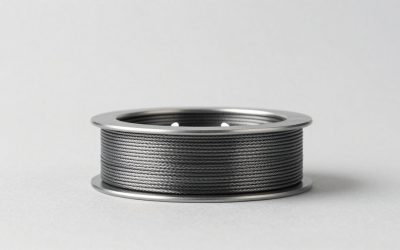
Braid is woven from several strands of fiber, which makes it thin for its strength and resistant to the memory that makes monofilament coil. It also tends to resist sunlight better than many monofilaments. That is why one spool can serve more than one season.
It is not indestructible. The same weave that gives it strength also lets it fuzz when strands snap, and a worn section can look fine from a distance. Because braid has almost no stretch, damage tends to reveal itself as a sudden break rather than a gradual loss of strength.
Typical lifespan by how you fish
| Fishing style | Rough replacement window (illustrative) | Main wear source |
|---|---|---|
| Occasional freshwater, open water | Often two to three seasons | Sunlight and storage |
| Weekly freshwater around light cover | Often one to two seasons | Weeds and casting wear |
| Heavy cover, rocks or timber | Often a single season or less; trim often | Abrasion |
| Saltwater, jetties or pilings | Often one season; rinse after trips | Salt, sand and structure |
These ranges are rules of thumb from general fishing practice, not manufacturer guarantees. Check your line’s package or maker for any specific guidance.
Signs it is time to replace it
- Fuzzy or furry sections where strands have broken.
- Flat or ribbon-like spots where the round weave has been crushed.
- Stiffness that makes the line cast poorly or knot badly.
- Frequent breaks at knots or when pulling free of snags.
- Rough guide wear that shows up as grooves in the first inches of line.
- Bad twist or tangles that return even after you re-spool.
If you spot one of these only at the end of the line, you can often cut off ten to twenty yards and keep fishing with the rest. If the damage runs deep into the spool, replace the whole thing.
Simple worked example
Assume an angler fishes about twenty days a year in open freshwater and fills a spool with 150 yards of braid. The only part of the line that sees real wear is the section from the tip back to about thirty yards, because that is what gets cast and retrieved most. If that angler cuts away the worn end once a season, they use roughly thirty yards a year. At that rate the spool could cover several seasons, with the cutoff pieces serving as a rough wear log.
A different assumption changes the answer. An angler who fishes weekly around docks and rocks may lose line to nicks much faster and replace it more often. Use the table as a guide and trust what the line looks and feels like.
Habits that add seasons
- Check the last few feet of line before each trip, running it between fingertips or a cotton ball.
- Retie after snags and big fish, and trim damaged line.
- Rinse your reel with fresh water after saltwater use and let it dry before storing.
- Store spools and reels out of direct sun and away from heat.
- Keep guides clean and free of nicks, which can saw through braid.
- Use a leader where rocks, teeth or sharp structure are common.
Backing, flipping and filling the spool
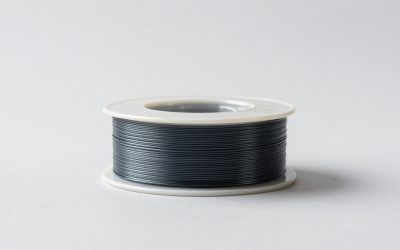
Because braid is slippery, many anglers add a few wraps of tape or a mono backing to stop the line sliding on a smooth spool. Backing also lets you fill the spool with less braid, which cuts cost. If you want to reuse the line, you can strip it onto another spool so the unused end becomes the working end. It only makes sense if the line is long enough and the joint is secure. Do not overfill the spool, since loose coils can dig into the layers below.
Line diameter, color and what the label tells you
Braid is sold by pound-test, but the diameter is usually far smaller than monofilament of the same rating. That thin profile is a benefit for casting and for packing more line on a spool, and it is also why nicks matter: there is little material to spare. Labels often quote a breaking strength measured in a lab, and real knots and wear will lower the working strength well below it.
Color is mostly a convenience. High-visibility lines make it easier to watch the line, while low-visibility ones blend into water. Dye often washes out within weeks, which is normal and does not by itself mean the line is weak. Some braids have a coating that wears off and leaves the line feeling rougher; that change in feel is worth noticing, since a rough line casts shorter and wears guides faster.
Braid compared with mono and fluorocarbon
| Line type | Common wear pattern | Typical care note |
|---|---|---|
| Braid | Fuzzing and abrasion, little stretch | Trim damaged ends and check knots |
| Monofilament | Memory, UV and stretch changes | Often replaced more often |
| Fluorocarbon | Abrasion and kinks | Check near the lure or leader |
That is why many anglers use braid as the main line and add a mono or fluorocarbon leader. The leader takes the abuse, and you replace the leader instead of the whole spool.
Rinsing, drying and storing spools
After saltwater trips, rinse the reel with a light spray of fresh water, not a hard blast, and let it dry before storage. Salt crystals on the spool can scrape the line and corrode parts. Winter storage is easier on line when reels are kept in a cool, dry place with the drag loosened, away from sunlight and fumes from fuel or solvents. Spare spools should be sealed in a bag or box so dust and sunlight stay off them.
When to replace even if it looks fine
Replace braid before a trip where a lost fish would hurt, such as an important tournament or a rare chance at a trophy. Replace it after the line gets caught in a prop or a trailer axle. Replace it if you cannot remember when it was last changed and it feels rough. Fresh line is cheap compared with a lost fish or a broken rod tip.
When you cut or handle line, be careful with hooks and scissors, and keep lures covered while you work.
Related guides
Frequently asked questions
Does braided line go bad sitting on the spool?
Braid does not rot the way some materials can, but long exposure to sunlight, heat and chemicals can weaken it and fade the color. A spool stored cool, dry and dark generally stays usable for years. Before trusting old line, run a length through your fingers, check for stiffness or fuzz, and pull-test the knot.
Can I flip braided line to extend its life?
Some anglers strip the line onto another spool and reverse it so the unused portion sits on top. This is only practical if the line is long enough and joined cleanly. Using a mono backing under the braid also lets you reuse the line more easily. Always watch for knots and weak spots on the reversed end.
Why does my braid look faded, and is it weak?
Fading is usually dye loss from sunlight and water, and many braids shed color early in their life. Faded color alone is not proof that the line is weak. Judge it by feel and appearance instead, since those show real wear: fuzzy sections, flat spots and stiff lengths matter more than a lighter shade.
How often should I retie my knots?
Retie after a snag, a break-off, a long fight with a big fish, or whenever you see curling or fraying near the knot. Braid is thin and slick, so knots can cinch tight and wear at the tag end. Checking the last few feet each trip and cutting off damaged line is a cheap habit that prevents lost fish.
Is braid a good choice for saltwater?
Many saltwater anglers use braid for its low stretch and thin diameter, but salt, sand and sharp structure can all wear it. Rinse reels with fresh water after use, avoid drying salt on the spool, and use a leader where abrasion is likely. Follow your reel maker’s care guidance for the drag and bearings as well.

Write Your Review
No reviews yet. Be the first to share your experience!