
Key takeaways
- It often comes with lower upfront cost. Lines that show more memory are frequently monofilaments, which are among the least expensive choices. A $5.99, 330-yard spool is far easier to replace regularly than a premium braid fill.
- It can be a reasonable trade-off for simple freshwater setups. For pond fishing, kids’ rods, panfish, and occasional bass trips, a little coiling may be acceptable when affordability and easy knot tying matter more than maximum casting performance.
- It encourages timely line replacement. Visible coils, loops, and rough handling make it easier to recognize when a line is past its best. Fresh line is inexpensive insurance against avoidable break-offs.
- It is not the same as weak line. A line with memory can still have reliable knot strength and adequate abrasion resistance for its intended use. Coil behavior is one buying factor, not a complete quality grade.
- It can be reduced with basic setup habits. Using a larger reel spool, avoiding overfilling, closing the bail by hand, and respooling correctly can make ordinary monofilament much more pleasant to fish.
The Short Answer
It depends: fishing line memory is usually a drawback, but it is manageable if you are using inexpensive monofilament on a properly sized spinning reel and replace it regularly. “Memory” is the line’s tendency to retain the tight coils it held on the filler spool or reel spool. When that line leaves the reel, it can spring into loops, twists, and loose coils.
For most anglers, lower memory is better. High-memory line can reduce casting distance, create wind knots, and make a spinning outfit frustrating to use. Still, memory is not an automatic reason to reject a line. Monofilament remains popular because it is affordable, easy to knot, and forgiving around fish—even though it commonly develops more coil than braid.
Our top picks
 Berkley Trilene® XL®
- League Name: x
- Item Length: 330 yard
- Warranty Description: Manufacturer Warranty
Low-vis green tint helps disguise the line underwater
Resists twists and kinks for smoother casting
Maintains strength and durability even when wet
330 yard length is shorter than many bulk spools
8 pound test still limits use for larger gamefish
As an Amazon Associate we earn from qualifying purchases at no extra cost to you.
In 2026, the practical choice is simple: accept a modest amount of memory if the line’s price, stretch, visibility, and handling suit your fishing. Do not choose a line because it has memory.
What You Actually Get
Fishing line memory is not a feature you buy separately. It is a behavior that becomes noticeable after line spends time wrapped around a spool. Pull several feet of line off a reel and it may hang in circles matching the spool’s diameter. The smaller the spool, the tighter those circles tend to be.
Memory matters most on spinning gear, where line must uncoil freely during a cast. A 6- to 10-pound monofilament line on a compact spinning reel can become loopy after sun exposure, long storage, repeated casting, or a poor spooling job. Those coils may catch the spool lip or tangle with other loops leaving the reel.
Monofilament generally has more noticeable memory than braid. Fluorocarbon can also be springy, particularly in heavier diameters, because it is typically stiffer than monofilament. Braided line has very little spool memory, although it can still form knots, dig into itself under pressure, or twist when the reel is incorrectly spooled.
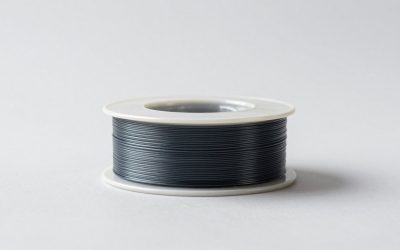
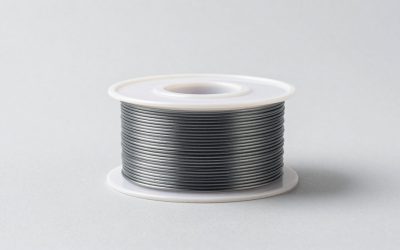
A product such as Berkley Trilene XL in 8-pound test is a typical value-oriented freshwater monofilament option: a 330-yard spool costs about $5.99. That amount is enough for multiple fills on many small or medium spinning reels, depending on the reel’s line capacity and whether backing is used. It will not behave like braid, but a fresh spool of supple mono can be a sensible choice for casual freshwater fishing.
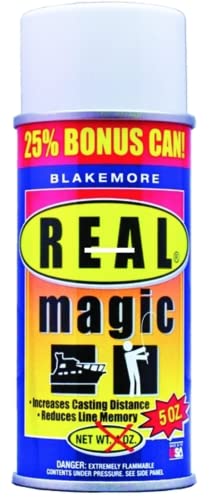
Line conditioner is another management option. Blakemore TTI Fishing Co Reel/Line Magic comes in a 5-ounce aerosol can and is priced around $16.14. A conditioner may help line slide and relax temporarily, but it cannot permanently remove old coils, reverse sun damage, or fix line that was installed with twist.
Pros
- It often comes with lower upfront cost. Lines that show more memory are frequently monofilaments, which are among the least expensive choices. A $5.99, 330-yard spool is far easier to replace regularly than a premium braid fill.
- It can be a reasonable trade-off for simple freshwater setups. For pond fishing, kids’ rods, panfish, and occasional bass trips, a little coiling may be acceptable when affordability and easy knot tying matter more than maximum casting performance.
- It encourages timely line replacement. Visible coils, loops, and rough handling make it easier to recognize when a line is past its best. Fresh line is inexpensive insurance against avoidable break-offs.
- It is not the same as weak line. A line with memory can still have reliable knot strength and adequate abrasion resistance for its intended use. Coil behavior is one buying factor, not a complete quality grade.
- It can be reduced with basic setup habits. Using a larger reel spool, avoiding overfilling, closing the bail by hand, and respooling correctly can make ordinary monofilament much more pleasant to fish.
Cons
- It can shorten or disrupt casts. Coiled line does not leave a spinning spool as smoothly as relaxed line. The result can be reduced distance, uneven lure flight, and more frequent interruptions.
- It increases the chance of loops and wind knots. Loose coils can spill from a spinning reel during a cast. Wind can worsen the problem, especially with light lures that do not pull line firmly from the spool.
- It makes line twist more troublesome. Twist and memory are different problems, but they compound one another. A twisted, high-memory line is much more likely to corkscrew and tangle.
- It is more frustrating on small spinning reels. Compact spools impose a tight curve on line. Heavier line diameters on those small spools are especially likely to spring off in loops.
- It can reduce sensitivity to subtle handling issues. Anglers may blame the lure, rod, or reel when the actual problem is old, tightly coiled line. That can make a perfectly serviceable setup feel unreliable.
- It requires more maintenance. You may need to cut off damaged sections, respool more often, use a line conditioner, or strip line off and let it relax before a trip.
Who Should Buy It
Choose an affordable monofilament line that may develop moderate memory if you fish occasionally, want easy-to-manage knots, or need a low-cost line for freshwater use. It is especially practical for anglers filling several family reels, maintaining spare spools, or using 4- to 10-pound test for bluegill, crappie, trout, and general-purpose pond fishing.
It also makes sense for someone willing to maintain the setup. Fill the reel to roughly 1/16 to 1/8 inch below the spool lip rather than packing it to the edge. Match the line diameter to the reel’s stated capacity, and replace line when it becomes visibly coiled, chalky, nicked, or difficult to cast. A line conditioner can be worth considering if you already like the line but want smoother short-term handling.
Who Should Skip It
Skip high-memory line, or at least minimize it, if you rely on a spinning reel for long casts, fish in consistent wind, or use light lures. Finesse bass anglers, trout anglers casting small spinners, and anyone who has little patience for untangling loose loops will generally prefer a low-memory mono or a braid main line with a monofilament or fluorocarbon leader.
Also avoid using heavy, stiff line on an undersized spinning reel. Putting 15- or 20-pound monofilament on a reel designed around lighter line can create constant coils regardless of brand. In that situation, use a larger reel, select a thinner line, or switch to braid in an appropriate diameter.
Cheaper Alternatives
| Option | Cost | Trade-off |
|---|---|---|
| Respools with 8-pound monofilament, such as a 330-yard spool | About $5.99 | Lowest-cost reset, but monofilament will still develop memory over time. |
| Use less line and add backing underneath | $0 to a few dollars if backing is already on hand | Saves fresh line, but does not solve twist or poor spooling. |
| Correct the spool fill and close the bail by hand | $0 | Reduces loose loops but cannot restore old or damaged line. |
| Soak a filled monofilament spool in lukewarm water before fishing | $0 | May temporarily relax coils; it is not a permanent fix and should not involve hot water. |
| Line conditioner, 5-ounce aerosol | About $16.14 | Can improve handling, but costs more than a basic replacement spool and will not repair worn line. |
FAQ
Is fishing line memory good or bad?
It is usually bad for casting and tangle prevention. Low memory helps line leave a spinning reel smoothly. The exception is practical rather than performance-based: an inexpensive line with some memory can still be a good value for occasional fishing.
Which line type has the least memory?
Braided line generally has the least spool memory. Monofilament usually has more, while fluorocarbon can be noticeably springy in thicker diameters. Every line type can still develop twist, knots, or handling problems if it is spooled incorrectly.
How do I reduce memory on a spinning reel?
Use line within the reel manufacturer’s recommended size range, do not overfill the spool, and replace old line. Close the bail by hand after each cast and pull the line snug before reeling. If loops persist, remove the line and respool it carefully rather than continuing to fish through repeated tangles.
Will line conditioner remove memory permanently?
No. Conditioner can improve slickness and temporarily relax coiling, but it cannot permanently change the condition of line that has aged on a spool. If the line remains springy, twisted, rough, or unreliable after basic maintenance, replacement is the better answer.



Write Your Review
No reviews yet. Be the first to share your experience!