
Choosing between fluorocarbon and monofilament for leader line is less about finding one universally “better” material and more about matching the line to your water, target species, knots, and budget. The real decision a buyer faces is whether to pay more for a denser, less visible leader with strong abrasion resistance—or choose an affordable, forgiving line that is easier to handle and replace.
That trade-off matters whether you keep a compact tackle setup in a small home, fish occasionally from shore, or maintain several saltwater rigs. Fluorocarbon typically costs more and can be stiffer, while monofilament offers greater stretch, easier knot tying, and more line for your money. This guide compares the two materials directly so you can make a practical purchase decision in 2026.
Our top picks
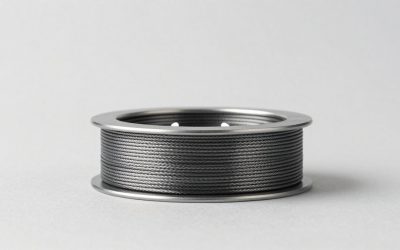
 Seaguar Fluorocarbon Leader 20lb Test 25 Meter
- This double structure 100% fluorocarbon boasts exceptional knot…
- Blue Label Leader Material has a proven track…
- Whether you’re trolling, casting plugs or deep water…

As an Amazon Associate we earn from qualifying purchases at no extra cost to you.
Quick Verdict
Choose fluorocarbon leader when water clarity, abrasion resistance, and a low-visibility presentation are priorities. It is a strong choice for clear freshwater, wary fish, rocky structure, and techniques where you want less stretch and a compact leader.
Choose monofilament leader when price, ease of use, shock absorption, and quick replacement matter most. Mono is especially practical for beginners, larger leaders, rough everyday use, and saltwater setups where you may need to change line frequently.
For many anglers, the best answer is not either-or. Use fluorocarbon for finesse presentations and clear water, then keep monofilament available for heavier rigs, topwater applications, or situations where losing a leader is likely.
Side by Side
| Factor | Fluorocarbon | Monofilament |
|---|---|---|
| Comfort | Stiffer and less forgiving; can feel springy in small diameters. | Softer, more flexible, and generally easier on the hands. |
| Durability | Excellent abrasion resistance for rocks, wood, and rough mouths. | Good general durability, but it can nick or weaken more quickly in abrasive cover. |
| Stretch | Low stretch provides a more direct connection and quicker contact. | More stretch helps absorb sudden runs and hard strikes. |
| Visibility | Usually less visible underwater, particularly in clear water. | Clear mono is useful but can be easier for fish to detect in very clear conditions. |
| Price range | Commonly about $10–$25 for a 20–30-yard leader spool. | Often about $6–$12 for a 50–55-yard leader spool. |
| Maintenance | Inspect often for nicks; stiffness can create coils and memory. | Also needs inspection, but it is usually easier to straighten and manage. |
| Space needed | A 25-yard spool is compact, but multiple strengths can add up. | Longer 50–55-yard spools offer more line without much additional storage. |
| Look | Clear, dense, and relatively inconspicuous below the surface. | Clear and familiar, with a slightly more noticeable profile in clear water. |
| Resale | Unused, sealed spools may retain appeal because of higher initial cost. | Low purchase prices make resale less practical than simply keeping spare line. |
| Best for | Clear water, finesse fishing, abrasion, and wary fish. | Budget setups, shock absorption, heavy leaders, and frequent changes. |
Where Fluorocarbon Wins
Low visibility is the headline advantage. Fluorocarbon has a refractive index closer to water than standard nylon monofilament, so it tends to blend in more effectively. That does not make it invisible in every condition, but it can be valuable when fish have time to inspect the bait, especially in clear lakes, spring creeks, and calm inshore water.
It handles abrasion well. A fluorocarbon leader is a sensible choice around rocks, dock edges, shell, submerged timber, and toothy or rough-mouthed fish. A 20- to 30-pound leader can suit many general applications, while heavier strengths may be appropriate when structure or larger fish are involved. Always match breaking strength and diameter to the species, lure, hook, and local regulations.
It transmits more direct contact. Fluorocarbon generally stretches less than monofilament, which can make it easier to feel bottom contact or a light pickup. That direct feel can be useful with jigs, soft plastics, and other techniques where subtle changes matter.
The trade-offs are real. Fluorocarbon is denser and often sinks, so it may not be ideal when you want a bait or lure to remain high in the water. It can also be noticeably stiffer, particularly in heavier tests. Poorly tied knots, sharp bends, or an improperly seated knot can reduce confidence in any leader, so wet the line and tighten knots gradually.
For reference, the Seaguar Blue Label 100% Fluorocarbon Fishing Line leader, 30 pounds and 25 yards, is listed at $19.72. The Seaguar Fluorocarbon Leader 20-pound Test 25 Meter Coil is listed at $13.99. Those prices illustrate the usual fluorocarbon pattern: a relatively compact spool with a higher cost per foot or yard.
Where Monofilament for Leader Line Wins
Monofilament is easier to work with. Its softer nylon construction is usually more manageable when tying, cutting, coiling, and attaching terminal tackle. That makes it a useful choice for new anglers, children learning to rig, or anyone who changes leaders often.
Stretch can protect connections. Mono acts like a small shock absorber. When a fish surges close to the boat or shore, its stretch can reduce the chance of a sudden break at the knot or hook. That benefit can be especially helpful when using a powerful rod, tight drag, or light main line.
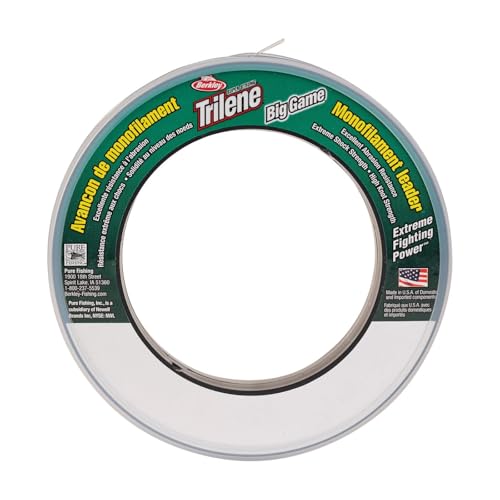
It is economical for heavy applications. If you fish around snaggy cover or expect to lose leaders, the lower cost of mono makes replacement less painful. The Berkley Trilene Big Game Monofilament Leaders in clear 40-pound, 55-yard size are listed at $6.99, while the 80-pound, 55-yard version is listed at $7.99. Both are marketed for saltwater environments and provide substantially more length per dollar than many fluorocarbon leader spools.
Mono also floats or suspends more readily than fluorocarbon, depending on diameter and rig design. That can be useful for topwater lures, surface presentations, and situations where you do not want the leader pulling the front of the rig downward.
Its weaknesses include greater visibility in clear water, more stretch, and somewhat lower abrasion performance in many comparable setups. Mono can also absorb water over time, and sunlight, heat, and repeated use can weaken it. Store unused line in a cool, dark place and replace leaders that are cloudy, rough, flattened, or visibly nicked.
Cost Over 5 Years
A simple five-year estimate shows why many anglers keep both materials on hand. Actual use depends on how often you fish, how much leader each rig requires, and how frequently you retie.
Assume a fluorocarbon user buys one 25-yard spool each year at approximately $14–$20. Over five years, that is about $70–$100. A monofilament user buying one 55-yard spool each year at approximately $7–$8 would spend about $35–$40.
If you fish only occasionally and use 2 feet of leader per rig, a 25-yard fluorocarbon spool contains about 37 usable sections before waste, while a 55-yard mono spool contains about 82 sections. If you fish around heavy cover and replace leaders frequently, you may use several spools per year, making the difference more significant.
However, replacement cost is not the entire calculation. Losing a lure, bait, or rig because a damaged leader failed can cost more than the line itself. In clear water or abrasive structure, fluorocarbon may provide useful insurance. For routine rigs and frequent retying, mono usually delivers the lower five-year ownership cost.
Which One for Your Home
Small apartment
Choose based on storage and versatility. A single 25-yard fluorocarbon spool takes little room and works well for clear-water applications, but a 55-yard monofilament spool may cover more everyday needs. Store either in a small lidded container away from windows and heaters. If you own only one spool, 20- to 30-pound mono is often the more forgiving general-purpose starting point.
Family with kids or pets
Monofilament is usually the practical choice because it costs less and is easier to handle during quick repairs. Keep spools, cutters, hooks, and loose leader pieces in a locked tackle box or high cabinet. Do not leave cut line on floors, patios, or around pets; discarded nylon and fluorocarbon can create entanglement and ingestion hazards.
Rental
Choose compact, tidy storage and avoid leaving line, hooks, or wet gear on floors and countertops. A mono leader is inexpensive if a rig is lost during travel or a move, while a small fluorocarbon spool is useful when you fish clear water and want a discreet setup. A sealed plastic box prevents line memory, moisture, and accidental damage to household surfaces.
Long-term home
If you fish several environments, keep both materials organized by strength and diameter. Fluorocarbon in the 20- to 30-pound range can cover many clear-water and abrasion-focused needs; mono in 40- to 80-pound sizes can serve heavier saltwater or shock-absorbing applications. Label each spool with purchase date and strength, and replace line that has spent years in heat, sunlight, or damp storage.
FAQ
Is fluorocarbon stronger than monofilament for leader line?
Not automatically. Strength depends on diameter, brand, knot quality, and damage. Fluorocarbon often offers better abrasion resistance and less stretch, while mono can absorb shock more effectively. Compare the same rated test and inspect both materials before use.
Can I use monofilament instead of fluorocarbon?
Yes. Mono is a suitable substitute when water is stained, the presentation is not highly finesse-oriented, or you want more stretch and lower cost. Fluorocarbon is more beneficial when stealth and abrasion resistance are central to the setup.
What pound test should I buy?
Match leader strength to the target species, cover, lure, main line, and local rules. Light freshwater presentations may use single-digit or low-teens test, while general-purpose leaders often fall around 20–30 pounds. Heavy saltwater applications can require 40–80 pounds or more.
How often should I replace a leader?
Replace it after noticeable nicks, roughness, discoloration, flattened sections, or a hard snag. Even an undamaged leader should be changed when it has been used through repeated fish, rocks, or structure. Frequent inspection is more reliable than following a fixed calendar.



Write Your Review
No reviews yet. Be the first to share your experience!