
Choosing between monofilament and braided line for ice fishing is less about finding one universal winner and more about matching the line to your shelter, reel, target species, and tolerance for maintenance. A compact apartment angler may value a low-cost, forgiving setup that stores neatly in a closet. Someone fishing deep water from a permanent shack may care more about sensitivity, abrasion resistance, and long-term consistency.
The decision also becomes confusing when shopping results mix fishing line with unrelated products. A clear monofilament fishing line marketed for hanging balloons or craft decorations, such as the $5.69 WUINOID Fishing Line Wire, is not automatically suitable for fishing. Likewise, the $10.49 Healifty monofilament tester pen is a medical diagnostic tool, not fishing tackle. For ice fishing, look specifically for line labeled for fishing, with a stated test strength and cold-water use.
Our top picks
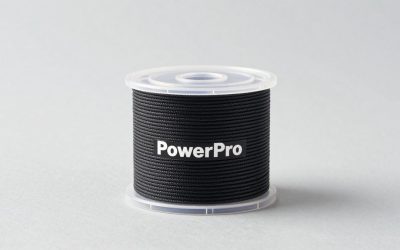
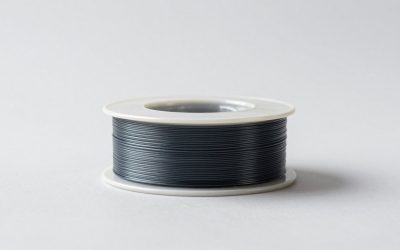
 Fishing Line Wire
- Item Length: 755 feet
- Warranty Description: no
- Line Weight: 0.02


As an Amazon Associate we earn from qualifying purchases at no extra cost to you.
For 2026, the practical rule is simple: monofilament is usually the better all-around choice for beginners, shallow water, and budget setups, while braid is the stronger choice for deep water, heavy cover, and anglers who want maximum sensitivity with minimal stretch.
Quick Verdict
Choose monofilament if you want a forgiving, inexpensive line that is easy to tie, comfortable to handle, and less likely to punish mistakes. It is particularly useful on ultralight ice-fishing reels, tip-ups, and rods used for panfish or modest-size walleye. A 2- to 6-pound-test monofilament line covers many light-duty applications, while 8- to 12-pound test is more appropriate for larger fish or abrasive structure.
Choose braided line for ice fishing if you fish deep water, need to detect subtle bites, or regularly pull fish away from weeds, wood, or rough ice edges. Braid has very little stretch and a thin diameter, so it transmits movement efficiently and lets more line fit on a small spool. Its drawbacks are higher initial cost, greater visibility in clear water, and a tendency to feel harsher against bare hands in freezing conditions.
Side by Side
| Factor | Monofilament | Braided line |
|---|---|---|
| Comfort | Softer and easier to grip in cold weather; less likely to cut skin | Thin, firm fibers can feel sharp under heavy tension, especially without gloves |
| Durability | Good general durability, but can weaken from abrasion, age, and repeated freezing | Excellent resistance to many forms of abrasion, though ice buildup and sharp edges still matter |
| Price range | About $4–$15 for a 100- to 300-yard spool | About $12–$30 for a 100- to 200-yard spool |
| Maintenance | Simple; replace when cloudy, nicked, badly coiled, or stretched | Requires careful knot checks and occasional inspection for fraying or ice damage |
| Space needed | Thicker line takes more spool capacity at the same test strength | Thin diameter stores more usable length on a small reel |
| Look | Clear or low-visibility options blend well in clear water | Colored braid is easier to see above the hole but may need a clear leader |
| Stretch | Moderate stretch cushions sudden runs and angler errors | Minimal stretch improves bite detection and hook-setting control |
| Resale | Usually has little resale value once spooled or opened | Also has limited resale value; condition and unused packaging matter most |
| Best for | Beginners, panfish, shallow water, tip-ups, and low-cost setups | Deep water, heavy cover, larger fish, and sensitive presentations |
Where Monofilament Wins
Monofilament’s biggest advantage is forgiveness. Nylon line stretches under load, which gives a fish more time to take a bait and helps prevent a small hook from tearing free during a sudden surge. That cushion is valuable when using light tackle or when multiple family members share the same gear.
It is also easier to tie in a cold shelter. Clinch knots, improved clinch knots, and simple loop knots are generally easier to form with relatively soft nylon than with stiff, slippery braid. If your fingers are numb or you are wearing bulky gloves, that difference can save time.
Visibility is another reason to choose mono. Clear monofilament is less conspicuous in clear, shallow water, and many anglers can fish it without adding a leader. The line’s larger diameter can also be easier to see around a hole, which helps prevent tangles when moving between spots.
Monofilament is usually the economical choice. A spool costing $4 to $15 can refill one or several small reels, depending on capacity. It is sensible for seasonal anglers who fish a handful of weekends each winter and do not need maximum performance in every situation.
There are tradeoffs. Nylon develops memory, especially after sitting on a small spool for months. It can form coils and loops that interfere with tiny jigs. It also absorbs some water and becomes less supple in severe cold. Replace it after obvious nicks, flattened sections, or a season of heavy use rather than trying to stretch its service life indefinitely.
Where Braided Line for Ice Fishing Wins
Braid excels when sensitivity and capacity matter. Because it stretches very little, a small jig’s movement travels directly up the line. In 20 to 50 feet of water, that responsiveness can make it easier to distinguish a light bite from contact with the bottom or a strand of weeds.
Its thin diameter is useful on compact ice reels. Six-pound braid is substantially thinner than six-pound monofilament, so a 150-yard spool can provide generous capacity without filling a small spool to the rim. More capacity also gives extra margin when a fish runs or when you must cut away a damaged section.
Braid can be a strong choice for larger fish and rough surroundings. It handles repeated pressure well and does not develop the same level of memory as nylon. The Reaction Tackle Ice Braid 8 Strand, for example, is sold in 150-yard, 6-pound spools for $19.98, with Ice Camo and Ice White color options. Those color choices may be useful when you prefer a visible main line, although a clear leader can still be appropriate in very clear water.
However, braid is not maintenance-free. Its fibers can fray after rubbing against the hole, a sharp shelter edge, or rough structure. Check the first several feet frequently and cut back damaged material. Because braid is slippery, use a knot designed for braided line or connect it to a leader with a reliable braid-to-leader knot. A short monofilament or fluorocarbon leader can add abrasion protection and reduce visibility.
Cold-weather handling also deserves attention. Wet braid may carry water upward and freeze near the rod tip. Keep the line moving smoothly, clear ice from guides, and avoid grabbing a tightly loaded strand with bare fingers. The lack of stretch means sudden movements transfer more force directly to knots, hooks, and fish.
Cost Over 5 Years
Five-year cost depends more on how often you fish and how much line you replace than on the price of the first spool. For a casual angler with one small reel, a reasonable planning estimate is one replacement each winter. Five monofilament spools at $4 to $15 each cost approximately $20 to $75. Five braid spools at $12 to $30 each cost approximately $60 to $150.
A heavier-use angler might replace line twice per season after cutting away damaged sections. Over five years, that could mean 10 spools: about $40 to $150 for monofilament or $120 to $300 for braid. These figures exclude leaders, backing, terminal tackle, and shipping.
There is one way to reduce braid’s long-term cost: reverse the line on the spool when the working end becomes worn. Since the unused portion at the bottom is often still in good condition, this can extend a spool’s practical life. Do not reuse line that has significant fraying, chemical damage, or flattened fibers.
Which One for Your Home
Small apartment
Choose monofilament if you store gear in a closet, under a bed, or in a narrow entry cabinet. A 100- to 300-yard spool is inexpensive and easy to organize, and mono is less likely to create sharp-feeling tangles during quick setup. If you fish deep water from a compact reel, braid’s capacity advantage may justify the higher price.
Family with kids or pets
Monofilament is generally the friendlier household option because it is softer and easier for beginners to handle. Keep all line, hooks, and cutoffs in a sealed container; even soft line can create a hazard if left on the floor. Braid is appropriate for an experienced adult’s dedicated setup, but supervise children whenever line is under tension.
Rental
For a rental home, prioritize low cost, simple storage, and easy replacement. Monofilament meets those needs and is a sensible choice for occasional ice trips. Choose clear line in the 4- to 8-pound range for general-purpose fishing, then dispose of damaged sections responsibly rather than storing loose scraps.
Long-term home
If you maintain a dedicated fishing area, keep both types available. Use monofilament for light rods, shallow water, and tip-ups, and braid for deep-water rods or presentations requiring precise feel. Store spools in a cool, dry bin away from sunlight, heaters, solvents, and children’s play areas.
FAQ
Is monofilament or braid better for ice fishing beginners?
Monofilament is usually better for beginners because it is less expensive, easier to knot, and more forgiving of sudden mistakes. Start with 4- to 6-pound test for many panfish applications, adjusting upward for larger species or abrasive cover.
Does braided line freeze more than monofilament?
It can. Braid’s woven fibers may hold water, which can freeze near the rod tip or guides. Keeping the line moving, clearing ice regularly, and fishing with a suitable leader can reduce problems. Monofilament also stiffens in cold weather, so neither option is completely freeze-proof.
Do I need a leader with braided ice-fishing line?
Not always, but a leader is often useful. A 12- to 24-inch monofilament or fluorocarbon leader can improve abrasion protection and make the terminal connection less visible. In stained water or around heavy cover, some anglers use a shorter leader or tie directly to braid.
How often should I replace ice-fishing line?
Inspect it before every trip and replace it when you see nicks, fraying, severe coils, discoloration, or unexplained breakage. Lightly used monofilament may last one or two seasons, while heavily used line may need replacement sooner. Braid can last several seasons if protected, but damaged fibers should be cut away immediately.



Write Your Review
No reviews yet. Be the first to share your experience!