
Key takeaways
- Overfilling the spool: Stop about 1/8 inch below the rim. A completely full spool is harder to control.
- Starting with brakes too low: Distance is not the first goal. Begin with a forgiving setting and reduce braking slowly.
- Using a sudden wrist snap: Abrupt acceleration makes the lure and spool speed change too quickly.
- Ignoring line memory: Stiff, coiled line can form loose loops. Replace line that has become brittle or severely curled.
- Changing several settings at once: Adjust only braking, spool tension, or technique at a time so you know what helped.
- Stopping the spool too late: Use your thumb before the lure reaches the target, not after it lands.
- Practicing with an unsuitable lure: Start with a stable lure around 3/8 to 1/2 ounce rather than a tiny, wind-resistant bait.
- Skipping cleaning: Salt, grit, and old lubricant can increase friction and make spool behavior inconsistent.
A baitcaster backlash happens when the spool spins faster than the line can leave it. The result is a loose, tangled “bird’s nest” that can waste line, damage your cast, and turn a quick trip into a frustrating repair session. The good news is that learning how to prevent baitcaster line backlash mostly comes down to matching your reel settings, lure weight, casting motion, and thumb pressure.
Backlash is more likely when you cast into the wind, use a lure that is too light, spool the reel too full, or abruptly stop the lure without controlling the spool. The steps below work for most freshwater and saltwater baitcasters, whether you are fishing for bass, crappie, catfish, or inshore species. Use them when setting up a new reel and again whenever you change line, lure weight, or fishing conditions.
Our top picks


As an Amazon Associate we earn from qualifying purchases at no extra cost to you.
What You Need
| Item | Why | Optional? |
|---|---|---|
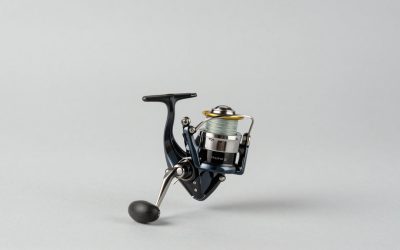
| Baitcasting reel and rod | A properly matched setup makes spool control easier. A medium or medium-heavy rod is a versatile starting point. | No |
| Monofilament, fluorocarbon, or braided line | Line diameter and stiffness affect how easily the spool overruns. Beginners often find 12- to 17-pound monofilament forgiving. | No |
| Practice lure or casting plug | A lure weighing about 3/8 to 1/2 ounce is generally easier to control than an ultralight lure. | No |
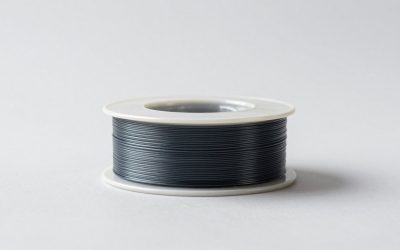
| Piscifun Speed E Fishing Line Spooler | A portable spooler, typically priced around $10 to $20, can help keep line tension consistent during spooling. | Yes |
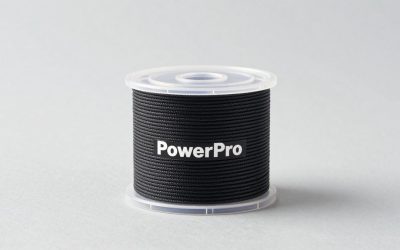
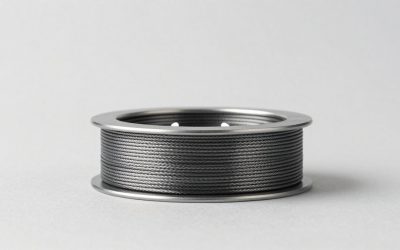
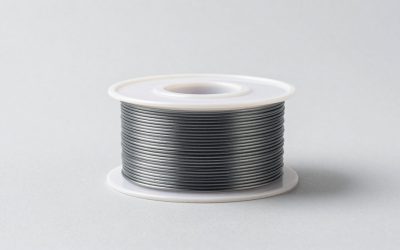
| Sturdy Reel 164ft Camera Baitcaster Gear Spool | This compact gear spool, generally around $10 to $20, can be useful for organizing or carrying spare line and small tackle. | Yes |
| Scissors or line cutters | Cleanly trims damaged line and removes severe tangles. | No |
| Small screwdriver and reel oil | Useful for basic adjustment and routine maintenance when your reel’s instructions call for it. | Yes |
Step-by-Step
1. Match the lure to the rod and reel (5 minutes)
Check the rod’s lure rating before you begin. A lure near the middle of that range is usually easier to cast than one at the extreme low end. For example, if a rod is rated for 1/4 to 3/4 ounce, begin with a lure weighing about 3/8 to 1/2 ounce.
Very light lures may not pull line from the spool quickly enough, while an oversized lure can accelerate the spool suddenly. Remove hooks or use a practice plug when adjusting the reel indoors. Never cast a sharp lure in a confined space.
2. Inspect and load the line correctly (10 to 20 minutes)
Look for nicks, flattened sections, wind knots, or line that has absorbed water and dirt. Replace badly damaged line before troubleshooting the reel. Tie the new line to the spool with a secure arbor knot, then spool it under steady tension.
Fill the spool to about 1/8 inch below the outer rim. Overfilling reduces the amount of thumb control needed to make the spool spin, which can make backlash more likely. Underfilling too much can shorten casting distance and create extra friction.
Keep the line coming off the supply spool in the direction recommended by your reel or line manufacturer. A line spooler can make it easier to maintain even tension, but you can also have another person hold the spool with light pressure.
3. Set the spool tension knob (2 minutes)
Attach the lure you plan to cast. Hold the rod at about a 45-degree angle, press the thumb bar, and let the lure drop. Tighten the spool tension knob until the lure stops falling. Then loosen it gradually until the lure drops smoothly with little side-to-side spool movement.
This is a starting adjustment, not a replacement for thumb control. If the lure falls extremely fast or the spool wobbles laterally, tighten the knob slightly. If the lure barely moves, loosen it in small increments, about one-eighth of a turn at a time.
4. Set the braking system conservatively (3 minutes)
Most baitcasters use magnetic, centrifugal, or dual braking. Start with a relatively high brake setting—roughly 60 to 80 percent of the available range. Higher braking reduces the chance of an overrun while you learn the reel.
Make one adjustment at a time. If your reel has a numbered dial from 1 to 10, begin around 7 or 8. If it uses individual centrifugal blocks, activate more blocks first. Once your casts are smooth, lower the braking gradually to gain distance.
5. Practice a controlled casting motion (10 minutes)
Use a smooth overhead or sidearm cast instead of snapping the rod tip. Load the rod with a steady motion, accelerate through the target, and release the thumb bar when the rod points toward the target. Avoid stopping the rod sharply immediately after release.
Keep your thumb lightly over the spool during the entire cast. It should touch the spool enough to sense speed, not clamp down so hard that the lure stops. As the lure approaches the target, increase thumb pressure. Press firmly just before the lure lands or hits the water.
Begin with short casts of 20 to 30 feet. When you can make 10 consecutive casts without a significant overrun, move to 40 or 50 feet. Short, controlled practice is more useful than trying to maximize distance immediately.
6. Adjust for wind and lure changes (2 to 5 minutes)
Cast with the wind at your back while learning. A headwind slows the lure while the spool continues spinning, creating an overrun. In a headwind, increase the brake setting, use more thumb pressure, and make a lower, smoother cast.
Recheck the settings whenever you change lure weight. A heavier lure may require slightly more spool tension or more thumb control during the first part of the cast. A lighter lure usually needs higher braking and a slower casting motion.
7. Clear a developing backlash safely (1 to 5 minutes)
Do not pull hard on a tangled spool. First, engage the reel’s free-spool function and gently pull a few inches of line. If the knot remains, press the spool with your thumb, turn the handle slightly, and pull the line again. Repeat this process to work the loose loops out gradually.
For a severe tangle, remove the spool if your reel design permits it and separate the loops with a small pick or blunt tool. Cut the line only after you have confirmed the knot cannot be removed without damaging it.
Mistakes to Avoid
- Overfilling the spool: Stop about 1/8 inch below the rim. A completely full spool is harder to control.
- Starting with brakes too low: Distance is not the first goal. Begin with a forgiving setting and reduce braking slowly.
- Using a sudden wrist snap: Abrupt acceleration makes the lure and spool speed change too quickly.
- Ignoring line memory: Stiff, coiled line can form loose loops. Replace line that has become brittle or severely curled.
- Changing several settings at once: Adjust only braking, spool tension, or technique at a time so you know what helped.
- Stopping the spool too late: Use your thumb before the lure reaches the target, not after it lands.
- Practicing with an unsuitable lure: Start with a stable lure around 3/8 to 1/2 ounce rather than a tiny, wind-resistant bait.
- Skipping cleaning: Salt, grit, and old lubricant can increase friction and make spool behavior inconsistent.
How Often
Check your spool fill level and line condition before every trip. Wipe the reel after fishing, especially after exposure to saltwater, and follow the manufacturer’s instructions for rinsing and lubrication. Do not flood the reel with water or oil unless the instructions specifically allow it.
Practice for 10 to 15 minutes whenever you switch to a different reel, line type, or lure weight. Clean and inspect the reel after several trips, or sooner if the handle feels rough, the spool sounds noisy, or the brake setting no longer produces consistent results.
When to Call a Pro or Replace
Consider professional service if the spool has noticeable side-to-side play, the handle binds, the reel makes grinding sounds, or the brakes do not change spool speed. A technician can inspect bearings, bushings, the levelwind system, and the spool shaft without risking further damage.
Replace line when it has deep abrasions, repeated hard kinks, discoloration from chemical exposure, or several sections that feel rough. Replace the reel when repair costs approach the price of a dependable replacement or when a cracked frame, bent spool, or damaged drag cannot be economically fixed.
FAQ
Why does my baitcaster backlash at the end of the cast?
The lure has usually slowed or stopped while the spool is still rotating. Apply thumb pressure as the lure nears the target, increase braking slightly, and avoid casting directly into a strong headwind.
Should I tighten the spool tension knob all the way?
No. Tighten it only enough to remove side play and control the lure’s drop. Excessive tension reduces casting distance and can hide problems that should be solved with braking and technique.
Is braided line more likely to backlash?
Braid can backlash, and its thin diameter may allow loops to dig into lower layers under heavy pressure. Spool it firmly, avoid overfilling, and use a slightly higher brake setting while learning. Some anglers prefer a short monofilament backing layer to prevent spool slippage.
What is the best setting for a beginner?
Use a lure around 3/8 to 1/2 ounce, fill the spool to 1/8 inch below the rim, set moderate-to-high braking, and adjust tension so the lure drops smoothly. Keep your thumb lightly on the spool and practice short casts before pursuing maximum distance.


Write Your Review
No reviews yet. Be the first to share your experience!