
Our Top Picks
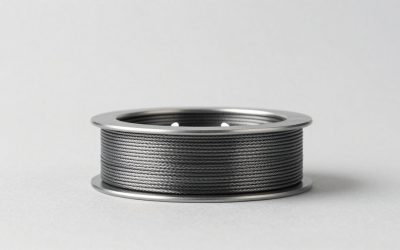
 Sufix 832 Advanced Superline Braid -300 yards10800 inches2.4 ounces300 yards fishing lineCheck on Amazon
Pros & cons
- Fluoropolymer coating helps the line cast smoother and farther
- Blue camo pattern blends into open water conditions
- Low memory keeps the line straight, cutting down on tangles
- 300 yard spool is on the shorter side for bulk use
- Camo coloring may stand out in clear, shallow water

The best braided fishing line for heavy cover is a tight, slick braid in the 50 to 65 pound class, and among the four lines below, Sufix 832 is the best overall pick for anglers who want one braid that handles frogs, flipping jigs and everyday casting. Beyond Braid’s 4-strand line is the cover-first alternative, SpiderWire Stealth is the familiar all-rounder, and Reaction Tackle is the color-first option. In this guide, “braid” means a line woven from several polyethylene fibers, which gives almost no stretch and a much thinner diameter than monofilament of the same strength, and “heavy cover” means matted grass, lily pads, laydowns and brush.
Quick List
- Sufix 832 – best for anglers who want one smooth, durable braid for casting, flipping and frogging
- SpiderWire Stealth – best for a widely available, coated braid in many colors and test classes
- Beyond Braid 4X – best for punching and frogging through vegetation, where a grippy 4-strand weave helps
- Reaction Tackle braid – best for anglers who want a wide spread of test classes and visible color choices
Which One Is Right for You?
| If you… | Choose |
|---|---|
| want one braid for open-water casting and heavy cover alike | Sufix 832 |
| prefer a coated, well-known braid that is easy to find in many pound-test classes | SpiderWire Stealth |
| fish mostly frogs, mats and punching rigs and want the line that cuts through vegetation | Beyond Braid 4X |
| want to pick between 4-strand and 8-strand versions of the same brand and need very high test classes | Reaction Tackle braid |
If you only buy one spool, choose a 50 pound class for moderate cover and a 65 pound class for dense mats. If you fish both heavy cover and open water on the same reel, an 8-strand line casts more smoothly, while a 4-strand line gives up some smoothness in return for a firmer, grippier surface in grass. Whichever you pick, confirm the strand count and the exact pound test printed on the spool before you check out.
All 4 Picks in Detail
1. Sufix 832 Advanced Superline – Best for All-Round Heavy-Cover Use
As an Amazon Associate we earn from qualifying purchases at no extra cost to you.
Sufix 832 is the line to pick when you want a single braid that casts well on a baitcaster, handles frogs and flipping jigs, and still feels smooth through the guides. The listed version is a 300 yard spool. It is built from eight fibers: one GORE Performance Fiber and seven HMPE fibers, woven at 32 weaves per inch with Sufix’s R8 braiding process. That makes it a true 8-strand design, which gives it a rounder profile than a 4-strand line. Sufix publishes it from 6 up to 80 pound test, so you can run the same line on a light spinning outfit and a heavy flipping stick.
- Construction: eight fibers, one GORE Performance Fiber plus seven HMPE fibers
- Weave: 32 picks per inch
- Published test range: 6, 8, 10, 15, 20, 30, 40, 50, 65 and 80 pound
- Published diameter: about 0.014 inch at 50 pound, 0.016 inch at 65 pound and 0.018 inch at 80 pound
- Mono-equivalent diameter: roughly 12 pound mono at 50 pound braid and 17 pound mono at 65 pound braid, according to retailer charts
- Spool length on this listing: 300 yards; confirm test class and color on the listing
Pros:
- Round 8-strand weave runs quietly through guides and resists digging into the spool
- Wide pound-test choice, from finesse classes to heavy-cover classes
- Thin for its strength, so more line fits on a baitcaster spool
Cons:
- A smooth 8-strand line slides less aggressively through grass than a 4-strand line
- Claims such as “30x more abrasion resistant” are the maker’s marketing, not an independent measurement
- Published diameters vary slightly between retailers, so check the spool label
Compared with Beyond Braid 4X, Sufix 832 is the smoother and more versatile line, while the Beyond Braid is the one to reach for when you are punching through the thickest mats.
2. SpiderWire Stealth Braid – Best for a Coated, Easy-to-Find All-Rounder
SpiderWire Stealth is a Dyneema-fiber braid treated with a fluoropolymer, which is meant to make it smoother and help it cast farther than uncoated braid. It has been on the market for a long time, which means it is easy to match to a rod and reel and easy to find in the test class you need. The brand lists it from 6 pound test all the way to 100 pound test, with spool lengths from 125 to 500 yards and colors that include Moss Green, Hi-Vis Yellow, Translucent and several camo patterns.
- Fiber: Dyneema, fluoropolymer treated
- Published test range: 6 to 100 pound
- Published diameter: about 0.014 inch (0.35 mm) at 50 pound, which SpiderWire compares to 14 pound monofilament
- Published diameter at 30 pound: about 0.012 inch (0.30 mm)
- Carrier count: sources disagree, with some describing 4 carriers in light classes and 8 in heavier classes; confirm on the listing
- Colors: Moss Green and Hi-Vis Yellow are the standard options, with other colors by spool
Pros:
- Wide range of test classes and colors makes it easy to match to different techniques
- Coated finish helps the line shed water and cast smoothly
- Strong name recognition, so replacement spools are simple to find
Cons:
- Carrier count and spool details vary by version, so the exact line on your spool may differ from older write-ups
- One independent lab comparison measured diameters thinner than the published figures, which means a spool’s label and its real diameter can disagree
- The coating can wear off with heavy use against rocks and wood, and the color can fade
Next to Sufix 832, the Stealth is a more familiar choice, but it does not offer the same published 8-fiber construction, and next to Beyond Braid it is the smoother of the two.
3. Beyond Braid 4X – Best for Punching and Frogging Through Vegetation

Beyond Braid’s 4X line is a four-strand braid made from tightly woven PE fibers with a fluoropolymer coating. The brand sorts its own chart by use: 8 to 15 pound is “light tackle,” 20 to 40 pound is “everyday use,” and 50 pound and up is “heavy cover.” That is exactly the class you want for frogs, punching and heavy flipping. A four-strand weave is a bit rougher and louder through the guides than an eight-strand weave, but anglers who fish thick vegetation often like that firmer, grippier surface because it tends to slice through grass rather than sliding over it.
- Construction: four PE strands, fluoropolymer coated, zero stretch
- Published test range: 8 to 100 pound (the listing title mentions 4 strand; confirm class and color)
- Diameter chart: 50 pound is 0.37 mm, 60 pound is 0.40 mm, 80 pound is 0.48 mm, 100 pound is 0.55 mm
- Lighter classes: 20 pound is 0.20 mm and 30 pound is 0.28 mm
- Colors on the listing include blue camo, moss camo, white, green and pink
- Maker claim: each class breaks at its rated pound test, per the brand’s own testing
Pros:
- Brand’s chart sorts classes by use, so the heavy-cover classes are easy to identify
- Firm 4-strand feel is a good fit for mats, pads and thick weeds
- Many color options, including camo and moss shades that blend with weeds
Cons:
- A 4-strand line is louder and slightly rougher through the guides, and it casts a little less smoothly than an 8-strand line
- Thicker than 8-strand braid at the same pound test, so spool capacity is lower
- Strength and testing claims come from the maker, so treat them as marketing
Compared with Reaction Tackle, Beyond Braid is the more focused heavy-cover choice because its published guide points directly to the 50 pound and up classes.
4. Reaction Tackle Braided Fishing Line – Best for Color and Class Choices

Reaction Tackle sells braid in both a 4-strand version and an X8 8-strand version, and it publishes a very wide range of classes. The 8-strand line runs from 10 up to 300 pound test, while the 4-strand line covers 6 to 100 pound. The listing for this pick describes a colored braid for saltwater or freshwater, but the title is cut off, so confirm whether the spool you are buying is the 4-strand or the X8 version. The brand says X8 spools show “X8” on the photo, and if you do not see it, the spool is 4-strand.
- 8-strand (X8) diameters: 20 pound is 0.20 mm, 30 pound is 0.28 mm, 50 pound is 0.36 mm, 65 pound is 0.42 mm, 80 pound is 0.48 mm and 100 pound is 0.55 mm
- 4-strand diameters run thicker at the same test, for example 80 pound is 0.52 mm and 100 pound is 0.60 mm
- 4-strand test classes: 6, 8, 10, 15, 20, 25, 30, 40, 50, 65, 80 and 100 pound
- 6 and 8 pound classes are made in 4-strand only
- Spool lengths on the maker’s site: 150, 300, 500, 1000 and 1500 yards
- Colors include moss green, hi-vis yellow, blue camo, white, pink, gray and purple
Pros:
- Very wide choice of classes, including heavy options for punching or offshore work
- Both 4-strand and 8-strand lines let you choose between value and smoothness
- A large color range helps you pick between a stealthy shade and a high-visibility one
Cons:
- The listing title is truncated, so the strand count has to be checked before you buy
- Diameter depends on which version you receive, so two spools of the same pound test can differ
- Fewer published construction details than Sufix 832
Nearest alternative is Beyond Braid, which also offers 4-strand and 8-strand options but arranges its chart by use rather than by class alone.
Specs Compared
| Line | Construction | Published test range | 50 lb diameter | Spool on listing | Best use |
|---|---|---|---|---|---|
| Sufix 832 Advanced Superline | 8 fibers (1 GORE, 7 HMPE), 32 weaves per inch | 6 to 80 lb | about 0.014 in | 300 yards | All-round, casting and cover |
| SpiderWire Stealth | Dyneema, fluoropolymer treated; carrier count varies | 6 to 100 lb | about 0.014 in | confirm on listing | Coated everyday braid |
| Beyond Braid 4X | 4 PE strands, fluoropolymer coated | 8 to 100 lb | 0.37 mm | confirm on listing | Heavy cover, frogs, punching |
| Reaction Tackle braid | 4-strand or X8 8-strand | 4-strand 6 to 100 lb; X8 10 to 300 lb | X8 0.36 mm; 4-strand thicker | confirm on listing | Color and class choice |
How We Chose These
This comparison is built from research rather than on-the-water use. We started with the four lines in the product list, then checked each one against the maker’s own pages and independent buying guides. We compared published pound-test classes, published diameters, strand or fiber counts, and spool lengths, and we noted where sources disagreed, such as the SpiderWire carrier count and Reaction Tackle’s strand version. We then matched the lines to the way anglers actually rig for heavy cover, using pound-test recommendations from established fishing guides. Where a number was unclear or inconsistent between sources, we say so and point you to the listing instead of guessing.
What to Look For
Match the pound-test class to the cover
Heavy cover is a spectrum, and the right class changes with the thickness of the vegetation. Published guidance from major fishing outlets puts frogs over matted grass at around 65 pound braid, and pitching heavy cover at 20 pound fluorocarbon or 65 pound braid. Other guides suggest 50 pound for moderate cover and 65 pound for dense mats and punching. Use the table below as a starting point rather than a rule.
| Situation | Braid class to start with | Why |
|---|---|---|
| Frogs in scattered pads or open grass | 50 lb | Thinner line lets a frog walk with a wider action |
| Frogs over matted grass | 65 lb | Extra strength for hauling fish out of thick cover |
| Flipping jigs and Texas rigs in vegetation | 50 to 65 lb | Handles heavy hooksets without a leader |
| Punching heavy weights through mats | 65 lb | Thicker diameter resists cutting and abrasion |
Diameter matters as much as pound test
Pound test tells you the strength, but diameter tells you how much line fits on the spool, how far it casts and how it handles wind. At the 50 pound class, the published diameters are very close across these four lines: about 0.014 inch for Sufix 832, about 0.014 inch for SpiderWire Stealth, 0.37 mm (about 0.0146 inch) for Beyond Braid 4X and 0.36 mm (about 0.0142 inch) for Reaction Tackle X8. At higher classes, 4-strand lines get noticeably thicker, as shown by Reaction Tackle’s 4-strand 100 pound line at 0.60 mm against its X8 version at 0.55 mm. If you fish a smaller baitcaster, those small differences add up to less line on the spool.
4-strand or 8-strand?
More strands of thinner fiber give a rounder, smoother line, while fewer strands give a stiffer, more textured line. Sources agree that 8-strand braid generally casts a bit farther, runs quieter through the guides and handles knots a little better, while 4-strand braid is usually the firmer, grippier option that fishermen like in thick vegetation. A 4-strand line can also be the less expensive choice, though cost depends on the brand and spool size rather than on strand count alone. Strength claims vary between sources, so rely on the maker’s published pound test and diameter. For open-water casting and finesse work, choose 8-strand. For mats, pads and thick weeds, a 4-strand line is a reasonable first choice.
Setting braid up correctly
Braid does not grip a bare spool, so it can slip under heavy pressure, especially on spinning reels. A common fix is to put on 50 to 100 yards of monofilament backing, join it to the braid with a double uni knot, then fill the rest of the spool with braid. Use backing close to the braid’s diameter, because thick mono makes a bulky knot. For a double uni knot, one guide recommends 7 to 10 wraps on the braid and 4 to 6 wraps on the leader. Fill a spinning spool to roughly 1/16 to 1/8 inch from the lip, since overfilling invites wind knots. Cut braid with sharp scissors, because a nail clipper leaves frayed ends.
Leader or no leader?
In thick mats and pads, many anglers tie braid straight to the lure, because every knot is a potential failure point. In clear water or around pressured fish, a short fluorocarbon leader can reduce visibility. As a worked example, say you are pitching a jig into a laydown on a 7 foot 6 inch heavy rod. A 65 pound braid tied directly to the jig gives you the most control for pulling the fish out of the wood. If the same laydown sits in clear water and the fish seem line-shy, switching to 20 pound fluorocarbon is a reasonable alternative that Wired2Fish also lists for pitching heavy cover.
Questions
What pound-test braid is best for heavy cover?
For most heavy-cover situations, 50 to 65 pound braid is the standard. Use 50 pound for scattered cover and open grass, and 65 pound for dense mats and punching.
Do I need a leader with braid?
Not always. In thick vegetation, many anglers tie braid straight to the lure to avoid extra knots. In clear water, a fluorocarbon leader can help with line-shy fish, but it adds a knot that needs to be tied carefully.
Is 4-strand or 8-strand braid better for cover?
Four-strand braid is usually considered the grippier, more abrasion-friendly choice for thick vegetation, while 8-strand braid is smoother and casts farther. Many anglers keep one of each, using 4-strand for mats and 8-strand for open water.
Why does my braid slip on the spool?
Braid is slick and does not grip a bare spool well. Adding mono backing, using a little tape under the first wraps, or tying braid to the spool with a Palomar knot are the common fixes, with mono backing the most widely recommended.
How often should braid be replaced?
There is no fixed schedule. Replace the line when you see fuzzing, flattened sections, or fading to the point where the color no longer helps you, and always cut off the last few feet after a snag.
Does braid color matter?
Color mostly affects how well you can see the line. High-visibility colors help you watch for subtle bites, while moss and camo shades blend into vegetation. Some coatings fade with use, so a colored spool may look different after a season.
Update History
- October 15, 2026 – Updated with specification checks and a revised product comparison.
- Check the product page for current specifications and availability before buying.
Sources
- Sufix and Rapala product information for 832 Advanced Superline
- FishUSA and Tackle World specification charts for Sufix 832
- SpiderWire product pages and Tackle Tour independent line comparison
- Beyond Braid manufacturer pages and its “Find Your Line” chart
- Reaction Tackle product pages for 4-strand and X8 braid
- Wired2Fish guides on choosing bass fishing line and braided line
- West Marine guidance on braided line knots
- Angling forum and retailer comparisons of 4-strand and 8-strand braid


Write Your Review
No reviews yet. Be the first to share your experience!