
Our Top Picks
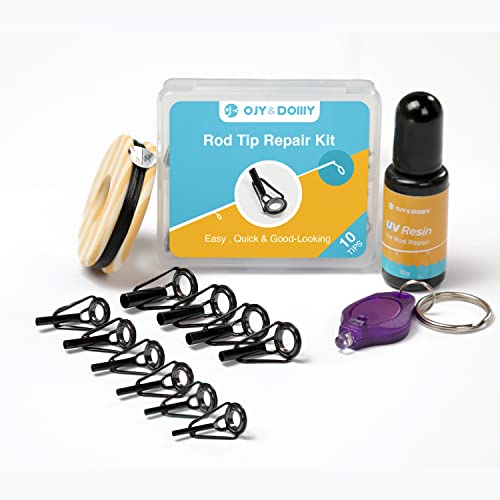 Fishing Rod Tip Repair Kit with Glue/Supplies/Step-by-Step Instructions10 Tips0.1 PoundsCheck on Amazon
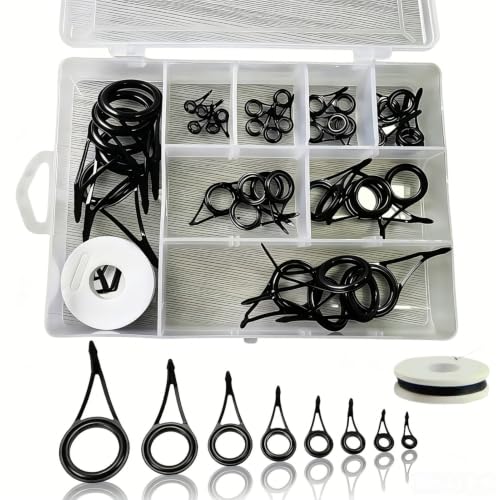 Houderrong Fishing Rod Guide Replacement Kit 8‑Size for8 size5.9 x 5.9 x 1.18 inches0.4 poundsCheck on Amazon
Replacing a damaged guide can look like a simple repair: match the color, choose a similar-looking ring, and secure it to the blank. That shortcut is responsible for many poorly performing repairs. A guide that is slightly too small can restrict line flow, while one with the wrong foot, angle, or frame height may create friction, noise, and uneven stress on the rod.
The right choice depends on more than the number of pieces in a kit. Before buying, compare the guide’s inside diameter, frame material, insert, mounting style, and position on the rod. A complete assortment may be useful for a full rebuild, but it is not automatically the best match for one broken guide. This guide explains what to look for in rod guides, including the practical specifications that matter most in 2026.
Fishing Rod Tip Repair Kit with Glue/Supplies/Step-by-Step Instructions | anti-rust stainless steel rod tips with visual guide, no prior experience required
Chosen because it specifies anti-rust stainless steel rod tips with visual guide and no prior experience required.
View on Amazon
Litoexpe 8 Pieces Single Leg Fishing Rod Guide Kit | Ceramic Guides, Stainless Steel, Sizes 6# to 30#, for Rod Building
Chosen because it specifies Ceramic Guides and Stainless Steel.
View on Amazon
9KM DWLIFE Fishing Rod Repair Kit, Fishing Rod Guides for Spinning&Casting | Fishing Rod Eyelets with Low-Friction Zirconia Inserts, Replacement Guides for Freshwater, Saltwater and DIY Rod Repair
Chosen because it specifies Fishing Rod Guides for Spinning&Casting and Fishing Rod Eyelets with Low-Friction Zirconia Inserts.
View on AmazonHouderrong Fishing Rod Guide Replacement Kit 8‑Size for Fishing Rod Repair | 40pcs Spinning& Casting Rod Eyelets& Tip‑Top Guides,Stainless‑Steel With Ceramic Inserts Universal For Most Rod Eyes Repair
Chosen because it specifies 40pcs Spinning& Casting Rod Eyelets& Tip‑Top Guides.
View on AmazonDecide These 3 Things First
- Identify the rod and guide position. A spinning rod, casting rod, surf rod, and fly rod use different guide layouts. The tip guide is also sized differently from the guides near the handle. Measure the damaged guide and note whether it is a single-foot, double-foot, spinning, or casting style.
- Choose the line and reel type. Monofilament, fluorocarbon, braid, and heavier leader materials place different demands on an insert. Braid can expose rough edges quickly, particularly when used with a knot that repeatedly passes through the guides.
- Set the repair scope and budget. A single replacement may cost less than $5, while a mixed-size repair kit generally costs about $5 to $25. Decide whether you are matching one guide or replacing the entire set, because a visually similar guide is not always mechanically compatible.
Size: Match the Inside Diameter and Guide Position
The most important measurement is the inside diameter of the ring, not the outside diameter of the frame. Measure the opening in millimeters with calipers if possible. A ruler can work for larger guides, but it is easy to misread a 4 mm opening as 5 mm.
Common replacement sizes range from approximately 2.5 mm to 10 mm for many freshwater rods, with larger 12 mm to 20 mm guides appearing on heavier saltwater and surf setups. Tip guides are often around 3 mm to 6 mm, while guides closer to the reel may be 8 mm to 20 mm depending on the rod and line system. These are general ranges, not a universal layout.
Measure the guide’s overall height and foot length as well. A taller guide can alter line flow and may require more thread wraps. A foot that is too long can extend beyond the original thread area; one that is too short may not sit securely. If replacing a single guide, photograph the rod before removal and compare the neighboring guides for diameter, height, and frame shape.
Material: Inspect the Frame and Insert Separately
Guide frames are commonly made from stainless steel, aluminum oxide-coated metal, titanium, or lightweight alloys. Stainless steel is a practical choice for general use because it is relatively durable and affordable. Titanium is lighter and highly corrosion resistant, but it usually costs more and is less common in inexpensive repair kits.
The insert is the ring that contacts the line. Ceramic and ceramic-based materials are popular because they are hard and smooth. Aluminum oxide inserts offer a useful balance of cost and wear resistance. Harder premium ceramics can be worthwhile for frequent braided-line use, but material names alone do not guarantee quality: the insert must be seated evenly, with no chips, gaps, or sharp transitions.
For occasional freshwater fishing, a sound stainless-steel frame with a smooth ceramic insert is generally sufficient. For saltwater, rinse the guides with fresh water after use and look for corrosion-resistant frames. Avoid assuming that “metal” means saltwater-safe; untreated or poorly finished metal can stain, pit, or seize around the insert.
Construction: Look at the Foot, Ring, and Finish
Single-foot guides are lighter and common on light and medium rods. They typically use fewer thread wraps and can flex slightly with the blank. Double-foot guides offer more support and are often used on heavier rods, casting rods, or locations that experience higher loading. Installing a double-foot replacement where a single-foot guide was removed may require additional thread and finish.
Check that the guide foot is flat enough to sit against the blank. A raised edge or uneven underside can create a weak spot beneath the wrapping thread. The transition from foot to frame should be smooth rather than sharply stamped. On a replacement tip, confirm that the tube or sleeve fits over the blank without crushing it. A tip that is too loose may require excessive adhesive; one that is too tight can damage the blank during installation.
Inspect the ring from several angles. It should be centered in the frame, with no visible wobble. Run a cotton swab around the inside edge. Loose fibers indicate a burr, crack, or rough spot that can damage line. Reject any guide with a chipped ceramic insert, even if the damage seems minor.
Comfort and Performance: Reduce Friction Without Overbuilding
Guide quality affects casting smoothness, line noise, knot passage, and rod balance. The best guide is not necessarily the largest or heaviest option. Oversized guides add weight and can change how a light rod recovers after a cast. Undersized guides may cause the line to slap the frame or drag against the insert, especially when a leader knot passes through.
For braided line, prioritize a polished, uninterrupted insert and enough opening for the braid-to-leader knot. For monofilament and fluorocarbon, a properly sized ceramic insert is usually adequate. If the rod uses a spinning reel, preserve the original spinning-guide layout; casting guides are not interchangeable simply because their rings look similar.
Comfort also includes handling during repair. A kit with clearly separated sizes, smooth feet, and included thread or adhesive can reduce installation mistakes. However, bundled accessories should not outweigh compatibility. A poorly matched guide with a generous accessory pack is still a poor repair.
Price Tiers: Pay for the Match, Not the Piece Count
Budget guide kits usually cost about $5 to $10. For example, an 8-piece single-leg kit priced at $5.49 or an 8-piece ceramic baitcasting set priced at $9.49 may be useful for basic repairs. At this level, expect mixed sizes, basic stainless-style frames, and limited information about exact insert composition. Verify every size before installation.
Midrange kits generally run from $12 to $20. The 9KM DWLIFE repair kit, listed at $17.06, and the Houderrong 8-size replacement kit, listed at $19.99, represent the sort of assortment aimed at repeated repairs or a full guide replacement. A midrange kit should provide clearer size labeling, more consistent finishing, and a broader selection than a single low-cost pack.
Premium individual guides and specialized sets can cost $20 to $60 or more, depending on frame material, insert type, size, and intended saltwater or heavy-duty use. Premium pricing makes sense when replacing a high-use guide, matching a custom rod, or reducing weight. It makes less sense when the kit lacks measurements or is being used on an inexpensive spare rod.
Warranty and Seller Support: Verify What Is Covered
Many inexpensive guide kits have limited warranty information, so inspect the parts as soon as they arrive. A useful return policy should cover chipped inserts, bent frames, missing pieces, and incorrect size assortments. Look for a stated return window of at least 30 days and packaging that protects ceramic rings from impact.
Warranty coverage normally does not include damage caused by incorrect installation, cutting the guide foot, or using an incompatible size. Before buying, confirm whether the seller lists exact inside diameters, foot dimensions, material details, and photographs of the actual set. If those details are absent, support may not be able to resolve a fit problem.
Delivery and Assembly: Plan for the Repair, Not Just the Purchase
Most replacement guides weigh only a few grams each, while a mixed 8-piece kit commonly weighs approximately 10 to 40 grams depending on the frames and packaging. Weight matters more after installation across an entire rod than for one small replacement. Check the package contents and sizes immediately rather than waiting until the rod is on the workbench.
Assembly may require rod-wrapping thread, thread finish or epoxy, a small file, scissors, masking tape, and a way to hold the blank straight while the finish cures. Avoid filing aggressively: removing too much material from a guide foot can weaken it. If using two-part finish, allow the full curing period listed by the manufacturer, often 12 to 24 hours or longer. Do not fish the rod merely because the surface feels dry.
For a tip guide, use an adhesive intended for rod-tip installation and apply only enough to secure the fit. Heat should be minimal and controlled; excessive heat can damage the blank or finish. When a guide is badly misaligned, the blank is cracked, or the repair involves a high-value rod, professional installation is safer than forcing a quick fix.
Spec Checklist
| Spec | Budget | Mid | Premium |
|---|---|---|---|
| Typical price | $5–$10 | $12–$20 | $20–$60+ |
| Set size | 6–8 pieces | 8–12 pieces | Individual or matched sets |
| Common inside diameters | 3–10 mm | 2.5–12 mm | Position-specific, often 2.5–20 mm |
| Frame | Basic stainless-style metal | Finished stainless steel or alloy | Lightweight alloy or titanium options |
| Insert | Ceramic or ceramic-based | Aluminum oxide or improved ceramic | Premium ceramic or specialized insert |
| Best use | Occasional freshwater repair | Full rebuild or regular use | Custom, heavy-use, or saltwater rods |
Red Flags
- No inside-diameter measurements, only vague labels such as “small,” “medium,” and “large.”
- Chipped, cloudy, off-center, or visibly loose inserts.
- Sharp frame edges, rough guide feet, uneven plating, or bent rings.
- A kit marketed for both spinning and casting rods without explaining the frame differences.
- Unusually low pricing paired with no material information, no size chart, and no return terms.
- A tip guide that fits only with force or wobbles after adhesive is applied.
- Guides that add substantially more weight than the originals without explaining why.
FAQ
How do I measure a rod guide?
Measure the inside opening of the ring in millimeters, then record the frame height and foot length. Compare the guide with the one immediately before and after it. For a tip guide, also measure the blank diameter where the guide sits.
Are spinning and casting rod guides interchangeable?
Usually not. Spinning guides generally have a taller frame to manage the larger line loops leaving a spinning reel. Casting guides are typically lower and arranged differently. Match the guide type and preserve the original layout whenever possible.
Is ceramic better than metal for every rod?
No. Ceramic or ceramic-based inserts provide a smooth line-contact surface and are widely useful, especially with braid. A metal guide may be appropriate for certain specialized applications, but the frame and insert still need to be smooth, secure, and correctly sized.
Should I replace one guide or the entire set?
Replace one guide when the remaining guides are sound and an accurate match is available. Replace the full set when several inserts are cracked, the frames are corroded, or the rod needs a new layout. A full kit is worthwhile only if its size range and guide styles match the rod.
Write Your Review
No reviews yet. Be the first to share your experience!