
Key takeaways
- Lower weight: A lighter rod is easier to hold, especially when casting repeatedly or fishing for several hours. Weight matters even more when paired with a balanced reel.
- Better sensitivity: A responsive blank can transmit subtle taps, lure contact, and changes in bottom texture more clearly.
- More consistent performance: Better manufacturing can produce a predictable action and power rating, which helps when selecting line, lures, and hooks.
- Improved components: Higher-priced rods may use smoother guides, a more secure reel seat, and handles that remain comfortable during long sessions.
- More specialized choices: Premium lines often offer specific lengths, actions, and powers for techniques such as finesse fishing, crankbaits, jigging, or inshore saltwater.
- Potentially longer service life: A well-made rod can last for years when stored properly and protected from impacts, though no rod is immune to damage.
The Short Answer
Sometimes. Expensive fishing rods are worth it if you fish often enough to notice better sensitivity, lighter weight, and more consistent construction. If you fish only a few times each year, a dependable $40-to-$100 combo will usually catch the same fish and leave more money for tackle, bait, and licenses.
The important condition is that the rod must match your fishing style. A $300 bass rod is not automatically a better choice for surf fishing, trout streams, or travel. Action, power, length, line rating, and durability matter more than the price tag alone.
Our top picks

 PLUSINNO Fishing Rod and Reel Combos -24
- Fishing Technique: Casting
- Target Species: Bass
- Line Weight: 10 pounds
Twelve plus one bearings give a smooth casting retrieve
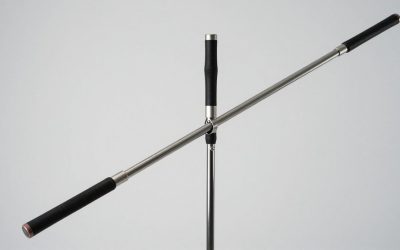
Collapsible handle switches between left and right-hand use
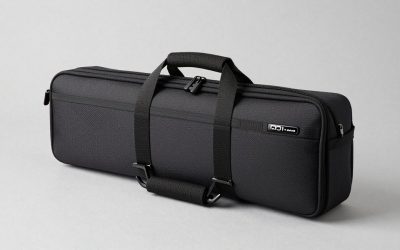
Kit includes rod, reel, line, lures, and a carrier bag
10 pound line weight limits use to lighter fish
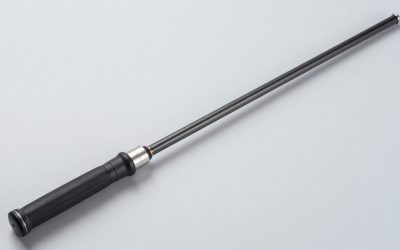
Telescopic sections may feel less rigid than one-piece rods
As an Amazon Associate we earn from qualifying purchases at no extra cost to you.
What You Actually Get
At the low end, you are usually buying a complete setup or a general-purpose rod. A combo may include the rod, reel, line, and sometimes lures, hooks, a case, or other accessories. That convenience is valuable for beginners, occasional anglers, and families who want to start fishing without assembling a system piece by piece.
More expensive rods are often sold separately from the reel. Your money generally goes toward a lighter blank, more precise tapers, better guides, improved reel-seat fit, and more consistent handling from one rod to the next. Those improvements do not make fish bite, but they can make it easier to detect a soft strike, cast accurately, work a lure, and control a fish near cover.
Rod length is one of the first practical differences. A 6- to 7-foot rod is manageable around docks, small ponds, and tight banks. A 7- to 8-foot rod can cast farther and help with line control from shore. Surf rods may be 9 to 12 feet, while compact travel rods can collapse to roughly 18 to 30 inches for transport. Longer is not automatically better: it can add casting distance but also increase weight and reduce maneuverability.
Power and action are equally important. Power describes how much force it takes to bend the rod, from ultralight to heavy. Action describes where it bends, such as fast near the tip or moderate farther down the blank. A light, fast rod may be excellent for small lures and sensitive bites. A medium-heavy rod may be better for larger bass, heavier hooks, or thick vegetation. Choosing the wrong specification can make an expensive rod feel worse than a cheaper rod that suits the job.
Price can also reflect refinement rather than a dramatic change in capability. A $200 rod may feel noticeably more comfortable after several hours than a $50 rod, but it will not cast four times farther or land four times as many fish. The benefit is usually incremental: less fatigue, cleaner lure control, and better feedback through the blank.
Pros
- Lower weight: A lighter rod is easier to hold, especially when casting repeatedly or fishing for several hours. Weight matters even more when paired with a balanced reel.
- Better sensitivity: A responsive blank can transmit subtle taps, lure contact, and changes in bottom texture more clearly.
- More consistent performance: Better manufacturing can produce a predictable action and power rating, which helps when selecting line, lures, and hooks.
- Improved components: Higher-priced rods may use smoother guides, a more secure reel seat, and handles that remain comfortable during long sessions.
- More specialized choices: Premium lines often offer specific lengths, actions, and powers for techniques such as finesse fishing, crankbaits, jigging, or inshore saltwater.
- Potentially longer service life: A well-made rod can last for years when stored properly and protected from impacts, though no rod is immune to damage.
Cons
- High prices do not guarantee a better fit: A $250 rod with the wrong action or line rating can perform poorly for your preferred fishing.
- Fragility can increase: Lightweight, sensitive blanks may be less forgiving of slammed doors, high-sticking, stepping on the rod, or lifting fish by the tip.
- Accessories cost extra: Premium rods are commonly sold without a reel, line, lures, or carrying case. A complete setup can quickly exceed $300.
- Small gains at the top end: The jump from a very basic rod to a solid midrange model is often easier to feel than the jump from a good midrange rod to a luxury model.
- Travel risk: A one-piece rod may offer a refined feel but is awkward to transport in a small car or on an airplane. Multi-piece and telescopic designs are more convenient, with some compromise in feel or durability depending on construction.
- Replacement is expensive: Breaking a premium blank hurts more financially, particularly if the warranty has exclusions or shipping costs.
Who Should Buy It
Buy an expensive fishing rod if you fish at least several times a month, spend long sessions on the water, or have developed a specific technique. Frequent anglers are more likely to appreciate a 1- to 3-ounce weight difference, a comfortable handle, and clearer lure feedback. Those details add up over hundreds of casts.
It can also make sense for anglers targeting larger or more powerful fish. A properly selected rod with the right line rating and lure rating can provide better control than a bargain rod, particularly around docks, rocks, vegetation, or current. Saltwater anglers should pay attention to corrosion-resistant components and rinse equipment with fresh water after use.
Experienced anglers who already own a reliable reel may benefit from upgrading the rod first. The rod is the tool that controls lure presentation and bite detection, while the reel provides line storage, retrieve, and drag. Buy based on the technique rather than assuming the most expensive option is the best one.
Who Should Skip It
Skip the premium price if you are still learning basic casting, fish only a handful of times per year, or are unsure whether you will continue with the hobby. Beginners often gain more from a simple medium or medium-light spinning combo, a small tackle box, and practice time than from an expensive blank.
A costly rod is also a poor choice for rough shared use. If several family members will borrow it, if it will ride loose in a truck, or if storage is limited, a durable and replaceable setup may be less stressful. The same applies to children who are still learning how to transport and handle fishing equipment.
Cheaper Alternatives
| Option | Cost | Trade-off |
|---|---|---|
| Entry-level spinning combo | $30-$70 | Affordable and easy to use, but usually heavier with less refined components and less specialized performance. |
| PLUSINNO 24-ton carbon-fiber telescopic combo | $44.95 | Includes a travel-friendly telescopic setup and accessories; convenience comes before the sensitivity and consistency of a premium one-piece rod. |
| Ghosthorn telescopic 7-piece fishing kit | $79.79 | A broad starter package with multiple pieces and gear; a practical choice for portability, though a kit is less tailored than a technique-specific rod and reel. |
| Midrange rod and reel purchased separately | $120-$250 total | Better balance and component quality than many starter combos, but you must select compatible rod power, reel size, and line. |
| Used premium rod from a reputable seller | $75-$200 | Can provide higher-end performance for less, but inspect every guide, the reel seat, joints, and blank for cracks before buying. |
For many people, the best value is a midrange rod rather than the cheapest or most expensive model. Expect to spend roughly $80 to $160 on a standalone rod with a useful combination of comfort, sensitivity, and durability. Add a reel in the $50-to-$120 range, plus line and terminal tackle, and you can build a capable setup without paying luxury prices.
FAQ
How much should a beginner spend on a fishing rod?
A beginner can start comfortably with a $40-to-$100 spinning combo. Choose a medium or medium-light power, a length around 6 feet 6 inches to 7 feet, and a reel sized for the line recommended on the rod. This range is inexpensive enough to learn with but capable of handling common freshwater fishing.
Does a more expensive rod cast farther?
Not necessarily. Casting distance depends on rod length and action, lure weight, line type, reel setup, technique, and wind. A premium rod may load more smoothly and feel more controlled, but the correct lure and well-matched equipment usually matter more than price.
Is a one-piece rod better than a telescopic rod?
A one-piece rod often offers the most consistent feel because it has no folding sections or telescoping joints. A telescopic rod is much easier to store and transport. For hiking, travel, or keeping a rod in a small vehicle, portability may outweigh the modest performance advantage of a one-piece design.
What is the best upgrade after a cheap combo?
First, replace worn or poor-quality line and make sure the reel is properly matched to the rod. After that, upgrade to a rod selected for your actual technique: the right length, power, action, and lure rating. If the reel has rough bearings, an unreliable drag, or excessive play, a balanced rod-and-reel upgrade may be more sensible than buying an expensive rod alone.

Write Your Review
No reviews yet. Be the first to share your experience!