
Key takeaways
- Limited lifetime warranties: Coverage may last as long as you own the rod, but the original purchaser, proof of purchase, and product registration may be required.
- Express replacement programs: You pay a stated service fee and receive a replacement, sometimes without waiting for a detailed inspection. The fee may range from about $20 to $100, depending on the rod and damage.
- Standard limited warranties: Coverage lasts for a fixed period, commonly one to five years, and is focused on defects rather than accidental damage.
The Short Answer
Rod warranties are worth it for anglers who fish often enough that a broken rod would immediately cost more than the warranty claim fee, shipping, or replacement charge. If you fish only a few times a year, own inexpensive rods, or are unlikely to keep receipts and follow claim instructions, skip the warranty and protect the rod instead.
The value is not simply the length of coverage. A lifetime warranty can still be a poor deal if it excludes accidental damage, charges $50 to $100 per claim, or requires you to ship a 7-foot rod across the country. Conversely, a straightforward replacement policy can be useful on a quality rod that costs $130 to $300 and sees regular use.
Our top picks


As an Amazon Associate we earn from qualifying purchases at no extra cost to you.
For most recreational anglers in 2026, the sensible answer is “depends.” Buy coverage when the rod is expensive enough to justify the paperwork and the warranty terms clearly cover the type of break you are most likely to experience.
What You Actually Get
A fishing rod warranty is usually a promise from the manufacturer to repair or replace a rod that fails because of a manufacturing defect. That often includes problems such as a blank separating, a guide coming loose under normal use, or a finish defect that appears during ordinary fishing. It usually does not mean the company will replace every rod that gets stepped on, slammed in a car door, overloaded, or broken while pulling a snag.
Most policies fall into three categories:
- Limited lifetime warranties: Coverage may last as long as you own the rod, but the original purchaser, proof of purchase, and product registration may be required.
- Express replacement programs: You pay a stated service fee and receive a replacement, sometimes without waiting for a detailed inspection. The fee may range from about $20 to $100, depending on the rod and damage.
- Standard limited warranties: Coverage lasts for a fixed period, commonly one to five years, and is focused on defects rather than accidental damage.
Read the exclusions before treating a warranty as insurance. Common exclusions include normal wear, cosmetic scratches, misuse, high-sticking, modifications, commercial use, lost rods, and damage caused by improper storage or transportation. Some warranties cover only the blank and not the guides, reel seat, handle, or labor.
Also check who pays shipping. Sending a rod in a long cardboard tube can cost $25 to $70 each way, particularly if the rod is a two-piece model with a package longer than 48 inches. A claim that sounds inexpensive can approach the cost of a new rod once you add postage, a service charge, and packaging.
Pros
- Protects a meaningful investment. Replacing a $250 or $400 rod is painful, especially when the break occurs early in the season. A warranty can reduce that surprise expense.
- Useful for frequent anglers. Weekly anglers, guides, tournament competitors, and people who fish from kayaks or boats put more hours and transportation stress on their equipment.
- Can preserve access to a discontinued model. Some manufacturers replace a failed rod with the closest current model, which may be preferable to searching the used market.
- Encourages manufacturer accountability. A clear policy gives you a formal remedy if a blank or component fails during normal use.
- May be cheaper than self-insuring an expensive rod. A $40 claim fee is easier to absorb than buying another $300 rod immediately.
- Helpful when buying specialized equipment. Specialty fly, surf, offshore, and finesse rods can be difficult to replace locally, making a manufacturer-supported repair channel valuable.
Cons
- Accidental damage is often excluded. The most common rod failures involve doors, boots, ceiling fans, car trunks, and overloaded blanks—not factory defects.
- Claim fees can be substantial. A replacement charge of $50 to $100 can make a warranty less attractive on a $100 to $150 rod.
- Shipping is inconvenient and expensive. You may need to find a rigid tube, protect the guides, photograph the damage, and pay shipping before the claim is approved.
- Coverage may not transfer. A used rod can lose its warranty if the policy applies only to the original buyer. This matters when buying secondhand equipment.
- Turnaround times vary. During peak fishing season, repairs or replacements can take weeks. A warranty does not guarantee that you will have a rod for next weekend.
- Terms can change by product line. A company may offer different coverage for entry-level, premium, fly, and saltwater rods. Never assume every rod from one brand has identical protection.
- The warranty may not cover the whole setup. A broken guide, missing tip, damaged reel seat, or lost section may be handled differently from a cracked blank.
Who Should Buy It
Consider paying for warranty-backed protection when you fish at least monthly and your rod costs enough that replacement would disrupt your budget. A practical threshold is around $150 to $200 for a general-purpose rod, or lower if the rod is a specialized model that is hard to find.
A warranty is also more valuable when you routinely travel with rods, fish from a crowded boat, hike into remote water, or carry equipment in a truck bed. Those situations increase handling and transportation risks. Anglers who own only one preferred rod may also value fast replacement more than someone with a dozen backups.
Before buying, answer five questions:
- How much is the service or replacement fee?
- Is accidental breakage covered, or only manufacturing defects?
- Who pays for shipping, and is a receipt required?
- Does coverage follow the rod if you sell it?
- What happens if the exact model is discontinued?
If the answers are easy to find and the worst-case claim cost is less than about one-third of replacement cost, the warranty is easier to justify.
Who Should Skip It
Skip an extended warranty when the rod costs about $75 to $125, you fish occasionally, or you already own several spare rods. On an inexpensive rod, a $30 to $50 claim fee plus shipping can erase most of the benefit.
You should also skip it if the policy is vague about accidental damage or if the seller cannot explain whether the coverage is from the manufacturer or a third-party plan. A warranty that requires extensive documentation, excludes transportation damage, and offers only store credit may not solve the problem you are trying to insure.
New anglers may be better served by buying a sturdy rod, a protective sleeve, and a suitable case. Careful storage prevents more failures than a warranty fixes.
Cheaper Alternatives
| Option | Cost | Trade-off |
|---|---|---|
| Protective rod sleeve | About $15–$25 | Reduces guide tangles and scratches but will not protect against a car door or a heavy impact. The Scientific Anglers Rod Sleeve – Full Size is listed at $18.95. |
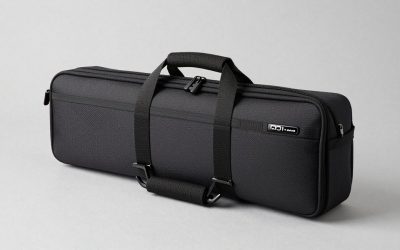
| Hard rod tube or travel case | About $40–$150 | Offers much better transport protection, but adds bulk and may not fit assembled rods. |
| Self-insurance fund | $10–$20 per month | Flexible and usable for any brand, but you must save consistently and accept the risk of a loss before the fund is large enough. |
| Buy a less expensive rod | About $60–$150 | Limits the financial hit of breakage, though sensitivity, components, balance, and warranty support may be less refined. For comparison, the St. Croix Triumph Spinning Rod Medium/Fast, 7’0" is listed at $129.99. |
| Buy a two-piece rod | About $70–$250 | Easier to store and replace by section in some cases, but the ferrule adds a connection that needs regular cleaning and inspection. |
FAQ
Does a lifetime rod warranty really last forever?
Not necessarily in the way buyers expect. “Lifetime” usually means for the lifetime of the original owner or the product, subject to exclusions and claim rules. It does not promise free replacement for any cause, and a discontinued rod may be replaced with a comparable current model. Read the definition of lifetime and confirm whether the warranty is transferable.
Are accidental breaks covered by fishing rod warranties?
Usually not under a standard defect warranty. Some manufacturers offer separate replacement programs that cover accidental damage for a fee, while others treat impact damage as misuse. Ask specifically about high-sticking, vehicle damage, tip breaks, lost sections, and damage during travel. Those examples reveal more than the phrase “limited lifetime warranty.”
Is a rod warranty better than buying a spare rod?
It depends on the rod’s price and your fishing habits. A spare $80 to $120 rod gives you immediate backup and avoids shipping delays. A warranty may be better for a $250 specialty rod that is expensive to replace. Many serious anglers use both: a warranty-backed primary rod and an affordable backup kept in the vehicle or tackle room.
How can I prevent a warranty claim?
Transport rods in a sleeve or rigid tube, keep them away from doors and heavy tackle, and inspect guides and ferrules before each trip. Do not lift large fish by the rod tip, use the blank to pull free a snag, or exceed the lure and line ratings. For two-piece rods, seat the sections fully and clean the connection periodically. These habits cost little and prevent the most common avoidable failures.
Bottom line: A rod warranty is worthwhile when the rod is expensive, frequently used, and backed by clear terms with reasonable claim costs. For a modestly priced rod, protection and a small emergency fund usually offer better value than paying extra for coverage you may never use.
Write Your Review
No reviews yet. Be the first to share your experience!