
Our Top Picks
The Ugly Stik GX2 is the pick for anglers who put durability and range of sizes first, the Elite suits freshwater anglers who want a lighter, more sensitive rod with a cork handle, the Tiger family targets boat, charter and heavier saltwater work, and the Bigwater is the heavy-duty option for surf and big-weight situations. The brand built its reputation on rods that survive abuse, and the lineup now spreads from very tough fiberglass-heavy designs to more graphite-forward models.
Ugly Stik, a brand with roots going back to 1976 according to its own website, lists a broad set of series: GX2, Carbon, Bigwater, Elite, Carbon Inshore, and species or use-specific families including Catfish, Walleye, Striper, Tiger, Ice, Inshore, Camo and Ugly Tuff. The brand states that its rods combine graphite and fiberglass in a composite construction, with carbon-leaning models highlighting added sensitivity while keeping the toughness the name is known for.
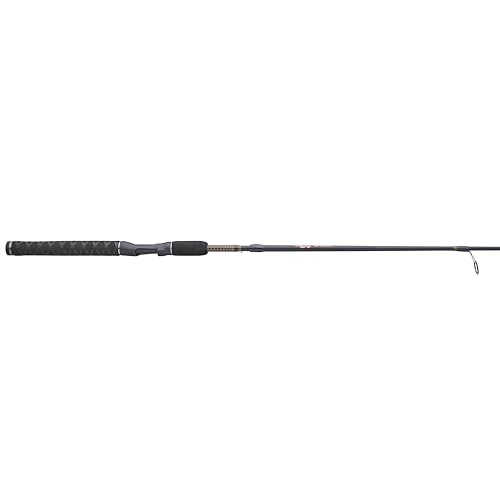

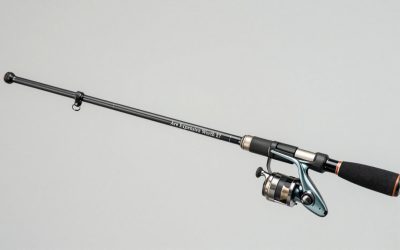
Ugly Stik 7' GX2 Casting Rod, 2 Piece Fishing Rod, 8-20 lb Line Rating, Medium Rod Power, 1/4-5/8 oz Lure Rating
Chosen because it specifies 2 Piece Fishing Rod and 8-20 lb Line Rating.
View on Amazon
Ugly Stik 7'6" Carbon Inshore Spinning Rod, 1-Piece Fishing Rod, Medium Rod Power, 10-17 lb Line Rating, 1/4-1 oz Lure Rating
Chosen because it specifies 1-Piece Fishing Rod and Medium Rod Power.
View on Amazon
Ugly Stik Lineup Compared
| Model line | Best for | Key stated or reported details | Notable limits |
|---|---|---|---|
| GX2 | Beginners, kids, catfish, shore and dock fishing, general-purpose use | Composite graphite and fiberglass; reviewers report spinning lengths from 4 ft 6 in to 9 ft and a thick EVA foam handle; wide range of powers and multi-piece travel versions | Reviewers describe it as less sensitive and heavier than graphite-forward rods |
| Elite | Light to medium freshwater, panfish, bass finesse, anglers who want a lighter rod | Reviewers report about 35 percent more graphite than the GX2, plus a cork handle; standard spinning series reported from 4 ft 6 in to 7 ft 6 in, with longer salmon and steelhead models up to 9 ft | Fewer lengths and heavy-duty options than the GX2; cork can be slick when wet |
| Tiger (including Tiger Elite) | Boat, charter and jigging use, heavier fish | Reviewers call the Tiger Elite fast and sensitive in casting and jigging versions | One roundup notes the tip can struggle with very hard presses on big fish |
| Bigwater | Surf fishing, heavy sinkers, dependable heavy-duty work | Brand describes it for situations where dependability, toughness and durability matter | Overbuilt for light freshwater; limited independent review coverage |
GX2: The Workhorse
The GX2 is the model most people picture when they hear Ugly Stik. The brand describes it as built tough to stand up to abuse, and a comparison from one fishing site says it uses a higher proportion of fiberglass, which is why reviewers consider it the safer bet for rough use. It comes in more lengths and powers than the Elite, including longer rods suitable for catfish and pier work, and multi-piece versions that travel more easily.
The downside is feel. Reviewers repeatedly note that the GX2 is heavier and less sensitive than graphite-heavy competitors, which matters if you fish light jigs, drop-shot rigs or other presentations where you must detect subtle bites. For a first rod, a rod to leave in a boat, or a rod you will hand to a child, those limits matter less than the willingness to be dropped, stepped on and tossed in a truck bed.
Elite: Lighter and More Sensitive
The Elite keeps the Ugly Stik composite approach but shifts toward graphite. One comparison says it carries about 35 percent more graphite than the GX2, which is why reviewers describe it as lighter and more sensitive. The brand highlights premium cork handles on the Elite. Some reviewers prefer cork for ergonomics and feel, though others point out that cork can be slipperier when wet than the thick foam on the GX2.
The Elite fits anglers who want to keep Ugly Stik toughness but fish lighter lures: panfish, trout, bass with soft plastics and similar. Its range of lengths and powers is narrower than the GX2, so if you need a very long rod or a heavy catfish stick, the GX2 is the more complete family. One review concludes that the Elite is currently the best of the standard Ugly Stik rods for sensitivity, while the GX2 remains the more durable choice for heavy use. The brand’s warranty page lists a ten-year limited warranty on its rods (the brand says the GX2 is covered by it), although some older sources and one line on the same page cite seven years and no Elite-specific term could be confirmed; verify the current terms on the brand’s warranty page before purchase.
Tiger and Tiger Elite: Boat and Jigging Rods
The Tiger family is aimed at heavier boat and charter work; the brand lists Tiger Elite spinning and casting rods in medium to heavy powers. Reviewers describe the Tiger Elite casting and jigging models as fast, sensitive and enjoyable to use, and one table of use cases lists the Tiger for boat and charter fishing. A cautionary note from one roundup says the tip may not always handle very hard presses on large fish, which is worth keeping in mind if you target heavy species and plan to put maximum pressure on the rod.
Bigwater: Heavy Duty
The brand positions Bigwater for situations where dependability, toughness and durability matter. In a use-case table from one review, it is recommended for surf fishing because it handles heavy sinkers. Independent coverage of this specific series is thinner than for the GX2 and Elite, so rely on the brand’s rated line and lure weights, and consider matching it with a sturdy reel designed for heavy line.
Reading Power and Line Ratings
Every Ugly Stik carries a line rating and a lure weight rating on the blank. Staying inside those numbers is the simplest way to protect the rod. Reviewers note that the GX2 comes in heavier powers suited to catfish and pier use, so check the line rating printed on the specific rod. Lighter Elite models are better suited to lines in the single digits through the teens.
- Ultra light and light powers: panfish, trout, small jigs.
- Medium: bass, walleye, general freshwater use.
- Medium heavy and heavy: catfish, pike, pier and boat use with heavier lures.
- Specialty families (catfish, walleye, striper, ice): choose when you fish that species most of the time.
Who Should Buy and Who Should Skip
Buy an Ugly Stik if
- You want a rod that tolerates rough handling and still performs.
- You are buying for a beginner, a child, a boat locker or a vacation rental.
- You need lengths and powers that are hard to find in graphite-only budget rods.
Skip or look elsewhere if
- You fish ultralight finesse presentations and need maximum bite detection.
- You want the lightest possible rod for all-day casting.
- You want a technique-specific rod for tournament bass fishing.
How Ugly Stik Compares with Other Brands
Ugly Stik originated under the Shakespeare name, and against Shakespeare’s own current rods Ugly Stik is generally described as the more durable, flagship option. Against St. Croix, the trade is toughness and budget-friendliness versus lighter, more sensitive graphite blanks and a longer warranty program. Against Penn, Ugly Stik is more of a freshwater and light-saltwater all-rounder, while Penn leans toward saltwater and heavier gear. One review concludes that nothing in the same price range matches Ugly Stik for durability and versatility, while acknowledging that competitors can be lighter and more sensitive.
Care and Common Issues
- Rinse with fresh water after saltwater use, including the guides and reel seat.
- Inspect guide inserts and wraps periodically; the tough blank does not protect small components.
- Clean cork with a damp cloth; foam grips can be wiped with mild soap.
- Avoid using the rod to pry or lift heavy objects, even though the blank is forgiving.
- Store rods upright or in a rack, not bent against walls, to avoid developing a permanent set.
Decision Table
| Pick this if… | Choose |
|---|---|
| You want maximum toughness and wide size choice | GX2 |
| You want a lighter feel and a cork handle for freshwater | Elite |
| You fish from a boat or charter and jig or cast heavier lures | Tiger or Tiger Elite |
| You surf fish or throw heavy sinkers | Bigwater |
| You target catfish with long rods | GX2 or the catfish family |
| You fish light finesse rigs | Elite, or consider a graphite-only brand |
Frequently Asked Questions
Is the Ugly Stik Elite better than the GX2?
It depends on the use. The Elite is lighter and more sensitive, which suits light freshwater fishing. The GX2 is reported as the tougher choice with a wider range of lengths and powers.
What is Ugly Stik made of?
The brand describes its rods as composites of graphite and fiberglass, with carbon-oriented models emphasizing sensitivity. The proportion of graphite varies by series, with the Elite reported to contain more graphite than the GX2.
Which Ugly Stik is best for kids and beginners?
The GX2 is the usual suggestion because of its durability and wide choice of lengths and powers. A light or medium light spinning model paired with a simple reel is a common starting point.
Are Ugly Stik rods good for saltwater?
Some families are designed for it, including the Bigwater and the inshore lines. Rinse the rod after every saltwater trip and check the brand’s rating for the specific model.
Do Ugly Stik rods have a warranty?
The brand’s warranty page lists a ten-year limited warranty covering defects in materials or workmanship on its rods, with exclusions for abuse, misuse and commercial use. Some older sources cite seven years and no Elite-specific term could be confirmed, so confirm the terms for your model before buying.
Why do some anglers say Ugly Stik rods lack sensitivity?
The extra fiberglass that makes the rods durable also dampens vibration compared with graphite-heavy blanks. If bite detection is your priority, the Elite or a graphite-focused brand is the better fit.


Write Your Review
No reviews yet. Be the first to share your experience!