
Our Top Picks
For most anglers, the Triumph is the value entry to St. Croix, the Premier and Avid series are the mid-to-upper step for regular freshwater anglers who want better blanks and components, the Mojo Bass line (now shown as end-of-life or limited stock at some retailers) targets bass anglers who want a purpose-built rod without flagship pricing, and the Legend Elite is the premium choice for anglers who fish often and care about sensitivity and weight. Which one fits depends less on the St. Croix name and more on how many days a year you fish, which technique you favor, and how much blank quality you will notice at the end of your line.
St. Croix is a Wisconsin-based rod maker that stresses “North American Manufacturing” on its own website. The brand does not break down on its main pages exactly which series are built where, and independent sources disagree on some details, so this guide treats origin claims carefully and attributes them. Check the spec sheet on the specific rod you are considering before relying on any made-in claim.

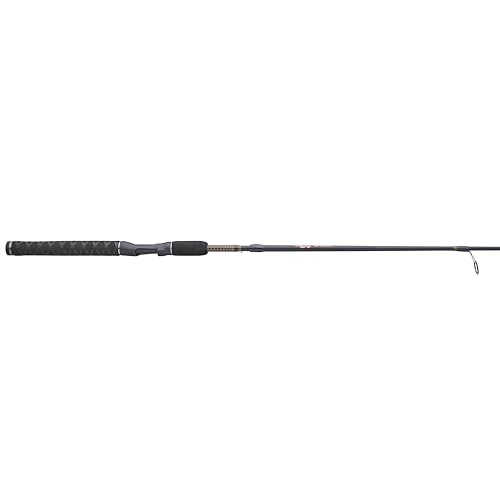
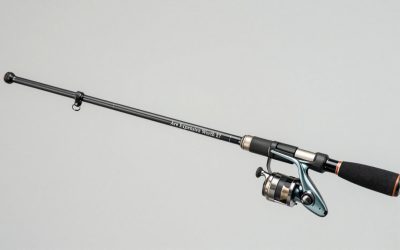
St. Croix Rods Premier Spinning Rod - SCPS70MHF 7'0"
Chosen because it specifies SCPS70MHF 7'0".
View on Amazon
St. Croix Rods Triumph Spinning Rod Ultra-light/Fast ULF, 5'6"
Chosen because it specifies 5'6".
View on AmazonSt. Croix Rods Premier Spinning Rod - SCPS70MLF 7'0"
Chosen because it specifies SCPS70MLF 7'0".
View on Amazon
St. Croix Rod Series at a Glance
The brand’s current site lists the Premier (marked as new for 2026), Triumph (also marked new, with freshwater, inshore, surf and salmon/steelhead variants), the Avid and Avid Trek, the Legend Elite, Legend Xtreme and several saltwater and specialty families. The brand’s freshwater list also shows Rayfin, Legend Xtreme, Trout Pack, Mojo Yak and Mojo Ice Combo. The Mojo Bass series is widely discussed by reviewers and retailers, but it does not appear on the brand’s front-page freshwater list, and at least one retailer marks the older Mojo Bass casting and spinning rods as end-of-life while still selling a Mojo Bass Trigon casting version, so confirm availability of individual Mojo Bass models with a retailer.
| Series | Best for | Key stated or reported details | Notable limits |
|---|---|---|---|
| Triumph | Newer anglers, family rods, budget-conscious buyers | Brand lists freshwater, inshore, surf, salmon/steelhead and combo versions; powers from ultra light to medium heavy; fast, moderate and slow actions | Entry tier; older reviews suggest it is not built to the same standard as Avid or Legend; origin of manufacture is not spelled out on the brand’s listing |
| Premier | Regular anglers moving up from entry rods | Brand marks the line as new for 2026; historically positioned between Triumph and Avid | New generation has limited independent coverage so far; older-generation forum details may not apply |
| Avid series | Serious weekend anglers, tournament-minded bass and walleye anglers | Retailers describe SCIII+ carbon fiber blanks, handcrafted in Park Falls, Wisconsin, with a 15-year transferable warranty; a separate Avid Trek travel line exists | Costs noticeably more than Triumph; not the lightest St. Croix blank |
| Mojo Bass | Bass anglers wanting a technique-specific rod at a mid-range level | Previous generation or limited availability. Reviewers and retailers describe an SCIII carbon blank and a 5-year warranty (one retailer lists a fee); designed in Park Falls, with sources disagreeing on whether it is built in Wisconsin or Fresnillo, Mexico | Older casting and spinning versions marked end-of-life at some retailers; a Trigon casting version exists; fewer extras than higher series |
| Legend Elite | Frequent anglers, tournament competitors, sensitivity seekers | Retailers describe SCV graphite with SCVI in the lower section, designed and handcrafted in Park Falls, and a 15-year transferable warranty | Premium tier; guide specification and warranty fee wording differ between sellers |
Triumph: The Entry Point
The Triumph line is built to get a person into a St. Croix without a big financial jump. The brand’s own filters show it covering ultra light through medium heavy powers and fast, moderate and slow actions, which means a new angler can pick a rod for panfish, bass, inshore or surf without leaving the series. Combos are available, which is helpful for someone who does not yet own a reel.
Reviewers and forum posters generally place the Triumph at the bottom of the St. Croix performance ladder. That is not an insult; it is still a branded graphite rod with a warranty program behind it. The tradeoff is weight, sensitivity and component quality compared with the Avid and Legend families. If you fish a handful of times a year, you are unlikely to feel the difference. If you fish weekly with light jigs or finesse baits, you probably will.
Premier: The New Mid-Step
The brand flags Premier as new for 2026. Older-generation Premier rods were described on forums as sitting just above Triumph and below Avid, and it is reasonable to expect the refreshed line to occupy that same middle ground. Because the 2026 version has little independent coverage, the safest approach is to read the specification table on each rod, compare the line weight and lure weight ratings, and handle one in a shop if possible.
Avid: The Sweet Spot for Many Anglers
Avid is the series most often cited by owners as the point where St. Croix performance and price balance well. Retailers describe it as built on SCIII+ carbon fiber and handcrafted in Park Falls, Wisconsin, and forum owners consistently rank it well above Triumph, with comments that you get “much more rod” for a modest step up. The Avid line also has a travel-oriented sibling, the Avid Trek, for anglers who fly to their water.
The Avid suits the angler who fishes enough to feel a lighter, more sensitive blank and who wants a rod that will last years. It is a sensible choice for walleye jigging, bass techniques that depend on feeling bottom contact, and trout or steelhead spinning setups. It is less suited to someone who wants the absolute lightest blank available or who is shopping at a strict budget.
Mojo Bass: Technique-Specific Bass Rods
The Mojo Bass series is aimed squarely at bass anglers, offering casting and spinning rods tuned to specific lures such as jigs, crankbaits and worms. Reviewers describe an SCIII carbon blank, split-style grips on many models, and a 5-year warranty. Opinions in owner discussions are mixed in an instructive way: some call it an excellent value, with one owner praising a glass-composite model as a crankbait rod, while others describe it as closer to a Triumph with nicer grips and suggest stepping up to Avid for a modest extra cost.
Origin is where the sources conflict. One retailer describes the Mojo Bass spinning rods as designed in Park Falls but handcrafted in Fresnillo, Mexico, while some marketplace listings say made in the USA or manufactured in North America. Older forum threads place Mojo production in Mexico. Because the sources disagree, rely on the label on the rod you buy rather than a general claim.
Legend Elite: The Premium Freshwater Rod
The Legend Elite is described by retailers as built from high-modulus SCV graphite, with super-high-modulus SCVI graphite added in the lower section for strength. Retailer descriptions call it designed and handcrafted in Park Falls, with Fuji Torzite guides on titanium frames on many models, although one listing describes silicon nitride guides, so guide specifications vary by model and seller. Reviewers call it among the most sensitive and responsive rods available, though that is opinion rather than a measurable standard.
The warranty wording deserves attention. Retailers list a 15-year transferable warranty for the Legend Elite and Avid series, and some sellers mention a service fee while others do not. The brand also runs a 5-year program on lines such as Triumph and Mojo, per retailer pages, and it states that if a broken rod is no longer made, it replaces it with the most compatible current model. Confirm the fee and coverage at the time of purchase.
Power and Action: Reading the Rod Label
St. Croix labels rods with a length, a power (ultra light through heavy) and an action (extra fast, fast, moderate fast, moderate). Power describes how much force it takes to bend the rod; action describes where along the blank it bends. A fast action concentrates the bend near the tip and suits single-hook baits where you need quick hook sets, such as jigs and soft plastics. Moderate actions bend deeper into the blank and are friendlier for treble-hook crankbaits and for light line, because they absorb shock.
- Match the lure weight rating to the baits you actually throw most.
- Match the line rating to your reel’s spool; braid on a rod rated for light mono needs care with drag settings.
- Choose spinning for lighter lures and finesse presentations; choose casting for heavier baits and accuracy.
Who Should Buy and Who Should Skip
Buy a St. Croix if
- You fish regularly and want a rod with a long warranty and a repair program.
- You value a lighter, more sensitive blank for finesse techniques.
- You want a technique-specific rod rather than an all-purpose stick.
Skip or step down if
- You fish a few times a season and mainly need something durable and forgiving; a heavier-duty budget rod may serve you better.
- You plan to abuse the rod around boat gear and truck beds; a more rugged composite design may last longer.
- You are not sure which technique you will favor; a versatile mid-power spinning rod from a lower tier may be enough.
How St. Croix Compares with Other Brands
Against Shimano, St. Croix competes closely at the mid-range; Shimano’s rod range often pairs with its own reels and is widely stocked, while St. Croix leans on its warranty and US-based identity. Against Fenwick, the comparison is mostly value: Fenwick lines are often positioned at accessible tiers, whereas St. Croix reaches higher at the premium end. Against Daiwa, reviewers commonly point to St. Croix for blank feel and Daiwa for technology-forward guides and finishes. Against Ugly Stik, the contrast is toughness versus sensitivity: Ugly Stik rods are known for durability and budget-friendliness, while St. Croix emphasizes lighter, more sensitive graphite.
Care and Common Issues
- Check guide inserts and frames after rough trips; a cracked insert can fray line.
- Rinse after saltwater use, even on freshwater-rated rods, and let them dry before storage.
- Avoid closing rod tips in car doors or carrying a rod without a tube or sleeve; graphite blanks are strong in compression but weak against nicks and side impacts.
- Register the rod and keep proof of purchase so warranty service is smooth.
- Do not use the rod as a lever to free snagged lures; point the tip at the snag and pull by hand or with the line.
Decision Table
| Pick this if… | Choose |
|---|---|
| You are new to the brand and want a low-risk entry | Triumph |
| You want a step up with a newly refreshed line | Premier |
| You fish often and want the widely recommended middle ground | Avid series |
| You are a bass angler wanting technique-specific rods | Mojo Bass (confirm model availability; older versions are end-of-life at some retailers) |
| You want the lightest, most sensitive blank and a long warranty | Legend Elite |
| You travel by air to fish | Avid Trek |
Frequently Asked Questions
Are St. Croix rods made in the USA?
The brand emphasizes North American manufacturing on its website but does not publish a series-by-series breakdown on its main pages. Retailers describe Avid and Legend Elite as handcrafted in Park Falls, Wisconsin, while sources disagree about the Mojo Bass, with at least one retailer citing Mexico. Check the product specification for the exact rod.
Which St. Croix rod is best for beginners?
The Triumph is positioned as the entry series and comes in combos, which simplifies a first purchase. If you already know you will fish often, the Avid is the series most owners suggest as a longer-lasting step up.
Is the Legend Elite worth it over the Avid?
That depends on how much you fish and what you fish for. Reviewers describe the Legend Elite as lighter and more sensitive, which matters most for finesse and bottom-contact techniques. For occasional anglers, the Avid usually delivers most of the practical benefit.
What warranty do St. Croix rods carry?
Retailers describe a 15-year transferable warranty for the Avid and Legend Elite series and a 5-year warranty for lines such as Triumph and Mojo Bass. Fees and transferability can vary, so read the warranty terms for the specific rod before buying.
What is the difference between rod power and action?
Power describes how much load it takes to flex the rod, from ultra light to heavy. Action describes where the rod bends, with fast actions bending mainly near the tip. Match power to your lure weight and line, and action to your technique.
Is the Mojo Bass still a current St. Croix line?
Reviewers and retailers continue to discuss Mojo Bass rods, but the brand’s front-page freshwater list shows other Mojo products (Mojo Yak and Mojo Ice Combo) rather than Mojo Bass, and some retailers mark older Mojo Bass rods as end-of-life. Confirm the specific model’s availability with a retailer or the brand before planning around it.

Write Your Review
No reviews yet. Be the first to share your experience!