
Our Top Picks
 Fitzgerald Stunner X Slow Pitch Jigging Offshore Saltwater6 Feet 6"78 x 2 x 0.1 inches0.4 poundsCheck on Amazon
Saltwater snapper can punish a poorly matched jigging setup. The right rod must load smoothly when a fish surges near structure, recover quickly enough to keep pressure in the fight, and remain comfortable when you are working jigs repeatedly. A rod that is too light may feel lively but lack control, while an overly powerful model can make lighter jigs difficult to work.
This roundup focuses on the best jigging rod for saltwater snapper across slow-pitch, conventional jigging, and general boat-fishing applications. We compared power, listed lure or line ratings, length, construction details, piece count, and price to identify where each rod fits best in a 2026 saltwater tackle lineup.
Fitzgerald Stunner X Slow Pitch Jigging Offshore Saltwater Fishing Rod Series | Carbon Fiber Blank | Spiral Guides | Snapper Grouper Tuna | 6'6" Power 3-200g-400g
One of the home product options compared in this guide.
View on Amazon
Shimano Saguaro, Saltwater, Boat, Spinning, 6'6", Medium Heavy, 1 pcs, (SGBS66MHB) Fishing
One of the home product options compared in this guide.
View on AmazonFitzgerald Stunner X Slow Pitch Jigging Offshore Saltwater Fishing Rod Series | Carbon Fiber Blank | Spiral Guides | Snapper Grouper Tuna | 6'6" Power 4-250g-500g
One of the home product options compared in this guide.
View on Amazon
Penn Squadron IV Jig Spinning Rod, 6'6", 1-Piece Saltwater Fishing Rod, Medium Power, 30-80 lb Line Rating, 4-7 oz Lure Rating
One of the home product options compared in this guide.
View on Amazon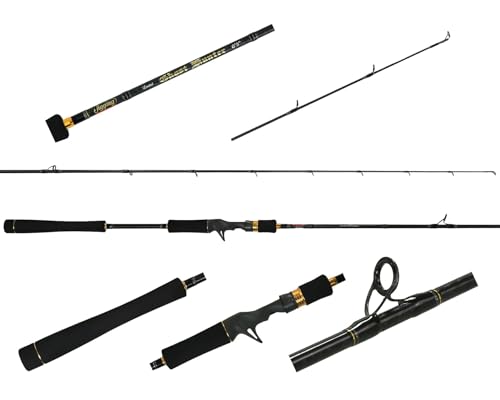
Jigging World Ghost Hunter Slow Pitch Rods (JW-GHS-C200)
One of the home product options compared in this guide.
View on Amazon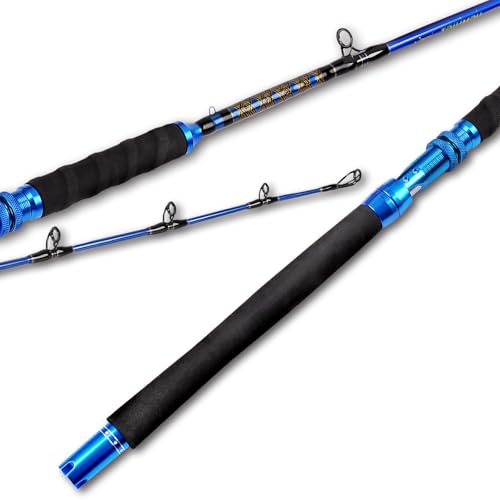
Fiblink Saltwater Graphite Jig Jigging Casting Fishing Rod 6'-50-80lbs | Deep Sea Jig Pole,1 Piece 6' Jig Rod,Stainless Steel Guide with Ceramic Insert,EVA Handle,Hook Keeper
One of the home product options compared in this guide.
View on Amazon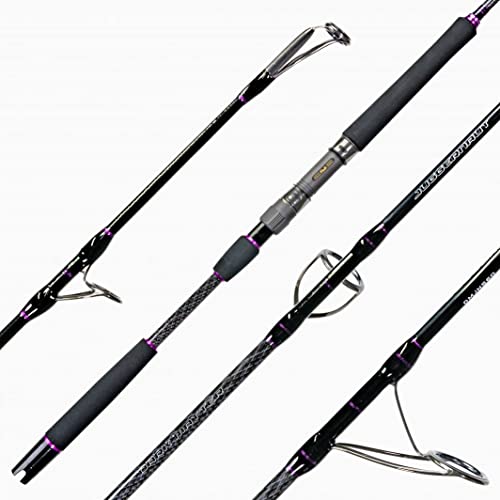
Dark Matter Fishing Rods - Juggernaut Jigging Rod, Spinning Rods for Fishing, Lightweight Jigging Rod with Fuji Guides & EVA Grips, Carbon Fiber for Saltwater & Deep Sea - Carbon, 6'0"
One of the home product options compared in this guide.
View on AmazonQuick Picks
| Product | Best for | Price tier |
|---|---|---|
| Fitzgerald Stunner X Slow Pitch 6’6" Power 3 | Heavy slow-pitch snapper jigging | Mid-range to premium |
| Shimano Saguaro 6’6" Medium Heavy | Affordable general boat fishing | Budget |
| Fitzgerald Stunner X Slow Pitch 6’6" Power 4 | Deep-water and heavier jigs | Mid-range to premium |
| Penn Squadron IV Jig Spinning Rod 6’6" | Value-minded jig spinning | Mid-range |
| Jigging World Ghost Hunter Slow Pitch Rods JW-GHS-C200 | Dedicated slow-pitch anglers | Varies by listing |
| Fiblink Saltwater Graphite Jig Casting Rod 6′ | Budget deep-sea jig casting | Budget |
| Dark Matter Juggernaut Jigging Rod 6’0" | Premium lightweight jigging | Premium |
How We Compared
We first checked whether each rod is clearly suited to saltwater, jigging, boat fishing, or some combination of those uses. Snapper anglers often fish around structure, so power and lure compatibility matter as much as portability. We also considered length: shorter rods are generally easier to manage from a boat, while longer rods can offer more reach and casting leverage.
Construction details also shaped the ranking. Carbon fiber and graphite appear on several models, while features such as spiral guides, Fuji guides, and EVA grips can make a rod more appealing for specific techniques. We did not assign performance claims that cannot be supported by the supplied specifications.
The Best Picks
1. Fitzgerald Stunner X Slow Pitch Jigging Offshore Saltwater Fishing Rod Series, Power 3
The Power 3 Fitzgerald Stunner X is a serious slow-pitch option for anglers targeting snapper, grouper, and tuna with heavier presentations. Its 6’6" carbon fiber blank offers a useful boat-friendly length, while the spiral guides are purpose-built for a specialized jigging setup. The listed 200g-400g range puts this model on the heavy end, making it a natural choice for deeper water or strong current where lighter jigs may not stay productive.
- Pro: Carbon fiber blank and spiral guides suit dedicated slow-pitch work.
- Pro: The 200g-400g range covers heavy jig presentations.
- Con: Its Power 3 profile and heavy jig range may be excessive for light snapper jigging.
Skip it if your normal jigs are well below 200g or you want a versatile all-purpose spinning rod.
2. Shimano Saguaro 6’6" Medium Heavy
The 6’6" Shimano Saguaro is the most approachable pick for anglers who want an inexpensive saltwater boat rod without committing to a specialized slow-pitch setup. Its Medium Heavy rating should appeal to snapper anglers who fish a mixture of jigs and other boat presentations. The 1-piece design keeps the setup straightforward and avoids a connection between sections.
- Pro: Low price makes it an easy entry point for saltwater fishing.
- Pro: The 6’6" length and Medium Heavy rating are practical for general boat use.
- Con: It does not list the specialized slow-pitch features found on the Fitzgerald models.
Skip it if you specifically need a rod rated for very heavy slow-pitch jigs or want a dedicated premium jigging blank.
3. Fitzgerald Stunner X Slow Pitch Jigging Offshore Saltwater Fishing Rod Series, Power 4
The Power 4 Fitzgerald Stunner X is the most forceful of the two similarly named Fitzgerald options in this roundup. It retains the 6’6" length, carbon fiber blank, and spiral guides but is listed for 250g-500g jigs. That makes it the better fit for anglers who routinely fish especially heavy presentations, deep water, or demanding current. It is designed around snapper, grouper, and tuna, so it makes the most sense as part of a dedicated offshore jigging arsenal rather than as a do-everything rod.
- Pro: The 250g-500g range is suited to very heavy jigging applications.
- Pro: Carbon fiber construction and spiral guides support its specialized purpose.
- Con: The heavy Power 4 designation limits its usefulness with smaller jigs.
Skip it if you mostly fish shallow water, light tackle, or modestly sized snapper jigs.
4. Penn Squadron IV Jig Spinning Rod, 6’6"
The Penn Squadron IV offers a clearly stated jig-oriented package at a midrange price. Its 6’6" 1-piece design is suitable for boat use, while the Medium power, 30-80 lb line rating, and 4-7 oz lure rating define a useful window for snapper anglers who prefer spinning tackle. Those specifications make it easier to match the rod with a reel and line system than a model without listed ratings. It is a strong value choice for anglers who want more specific jigging guidance than a general-purpose rod provides.
- Pro: The 30-80 lb line rating and 4-7 oz lure rating give clear setup guidance.
- Pro: Its 6’6" 1-piece format is well suited to boat jigging.
- Con: The listed 4-7 oz lure range is narrower and lighter than the heavy slow-pitch options.
Skip it if you need jigs above 7 oz or want a high-power deep-water slow-pitch rod.
5. Jigging World Ghost Hunter Slow Pitch Rods, JW-GHS-C200
The Jigging World Ghost Hunter is aimed at anglers who already know they want a dedicated slow-pitch rod. The JW-GHS-C200 designation identifies a specific model within the Ghost Hunter series, but the published listing information do not include a length, lure range, or line rating. That means it is best considered by shoppers who can confirm those specifications before matching it to a reel and jig collection.
- Pro: It is purpose-built for anglers seeking a slow-pitch jigging setup.
- Con: The supplied listing does not state length, lure range, or line rating.
Skip it if you need complete specifications immediately or want a rod suitable for several unrelated techniques.
6. Fiblink Saltwater Graphite Jig Jigging Casting Fishing Rod
The Fiblink is a budget-oriented casting rod for anglers who want a saltwater jigging setup without moving into premium pricing. Its 6-foot length is compact for boat work, and the Medium Heavy rating with a 50-80 lb line range points toward robust saltwater use. The graphite construction keeps the product focused on jigging rather than general-purpose casting.
- Pro: The 6-foot length is easy to manage from a boat.
- Pro: Its 50-80 lb line rating suits substantial saltwater tackle.
- Con: It is a casting rod, so it is not the right match for anglers committed to spinning gear.
Skip it if you need a spinning rod or prefer a longer blank for casting away from the boat.
7. Dark Matter Juggernaut Jigging Rod, 6’0"
The Dark Matter Juggernaut is the premium-priced option in this group, built around a 6’0" saltwater and deep-sea jigging design. Its carbon construction, Fuji guides, and EVA grips are attractive details for anglers who spend long sessions working jigs and want a purpose-built rod. The compact length should be manageable in a boat, especially when fish make sudden runs around structure.
- Pro: Fuji guides and EVA grips provide a feature-rich jigging package.
- Pro: The 6’0" length is compact for saltwater and deep-sea boat work.
Skip it if you are building a first setup on a strict budget or need published lure and line ratings before buying.
8. Shimano Trevala 6’6″ Medium Heavy Spinning (TVC66MH)

The Shimano Trevala is a long-running jigging line, and the 6’6″ medium heavy spinning version is the extra pick for anglers who want a recognised brand and a compact boat length. The listing names the model as a Trevala 66 MH spinning rod, so the length and power are confirmed, but line and lure ratings are not shown in the title. Check them on the product page before matching a reel.
It fits the same role as the Penn Squadron IV in the main list: a spinning jigging rod for vertical drops over reefs and wrecks, with enough backbone to turn a snapper away from structure. Several competing guides cite the Trevala family when they talk about snapper, kingfish and tuna from a boat. Compared with the Shimano Saguaro 6’6" above, the Trevala is a dedicated jigging blank rather than a general boat rod, and it sits in a higher price tier.
The trade-off is that medium heavy is a versatile power but not a specialist slow-pitch action. If you want long, soft slow-pitch lifts with 200g or heavier jigs, a purpose-built slow-pitch rod will load more naturally. Pair it with braided line and a fluorocarbon leader, and skip it if you fish only the lightest micro jigs, or if you want casting tackle.
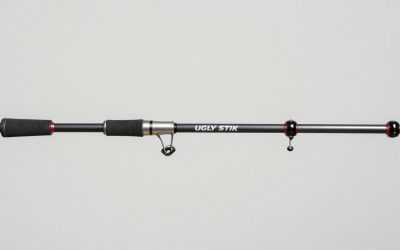
9. Ugly Stik 6’4″ Carbon Jigging Spinning Rod
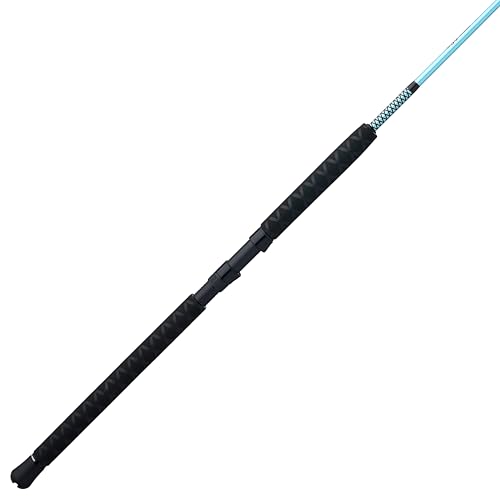
Ugly Stik 6'4" Carbon Jigging Spinning Rod, 1 Piece Fishing Rod, Medium Heavy Rod Power, 50 - 130 lb Line Rating, Lure Rating 5 - 8 oz
One of the home product options compared in this guide.
View on AmazonThe Ugly Stik carbon jigging spinning rod is a 6’4″, 1-piece, medium heavy rod. The listing states a 50 to 130 lb line rating, which is a wide range that points to heavy braid and deep-water or reef work. Ugly Stik is known for rugged builds, and this model uses a carbon blank for lighter weight and better feel than the brand’s fibreglass classics.
It is the practical choice for anglers who want a tough rod that tolerates knocks on a boat deck, rod holders and sandy trips. The 6’4″ length is short enough for a crowded boat. Compared with the Fiblink casting rod already in the list, it is a spinning rod with a cleaner line rating, and compared with the Penn Squadron IV it has a heavier line rating but a lure range that is not shown in the title.
The drawback is that a line rating up to 130 lb means a stiffer, more powerful blank than many snapper anglers need. It is better for larger reef fish and bottom-jig work than for finesse slow-pitch. Skip it if you chase snapper with light jigs in shallow water, or if you want a delicate tip for bite detection.
10. Tsunami Trophy 7′ Spinning Jigging Rod (TSTBS-J701MH)

Tsunami Trophy 1pc Spinning Jigging Saltwater Boat Striper Rod 7' TSTBS-J701MH
One of the home product options compared in this guide.
View on AmazonThe Tsunami Trophy is a 1-piece 7-foot spinning jigging rod designed for boat and striper-style work, and the model code indicates medium heavy power. A competing guide lists a Trophy rod with a 20 to 50 lb line rating, but that figure is not confirmed for this specific model, so treat it as unverified.
The extra length is the reason to pick it. A 7-footer gives more leverage for picking up slack on a long drop, a bigger casting arc when you need to put a jig out to birds or bait, and more cushion when a fish makes a hard run at the boat. Compared with the 6’6″ rods in the main list, it is easier to cast and fight standing in a rod holder, but harder to manage in tight spaces.
The compromise is handling weight and one-piece storage. A 7-foot 1-piece blank is awkward to carry and to transport in a small car. Skip it if you fish from a crowded centre-console or kayak, or if you need a travel rod.
11. Soloking Ocean Rose Slow Pitch Jigging Rod

SOLOKING Ocean Rose Saltwater Fishing Rod, 2-Piece, Slow Pitch Jigging, Fuji Components, Toray Carbon Fiber (RG-S622-2-Spin-6'17''-ML)
One of the home product options compared in this guide.
View on AmazonThe Soloking Ocean Rose is a 2-piece slow-pitch jigging rod built from Toray carbon fibre with Fuji components, according to its listing. It sits in a lower price tier than the dedicated slow-pitch rods in the main ranking, so it is the entry point for people who want to try the technique before committing to a premium rod.
Slow-pitch jigging relies on a rod that bends deeply and returns slowly, letting the jig flutter on the drop. Anglers who want a first slow-pitch rod can use this one with a small spinning or overhead reel, braided line and a fluorocarbon leader. The 2-piece design is easy to travel with. Compared with the Jigging World Ghost Hunter, the Soloking publishes its blank and guide materials in the title, while the Ghost Hunter listing does not.
The listing in the title does not state exact jig weight or line ratings, and the series includes several models, so confirm the specific code before buying. A joint also adds a small amount of weight and a stiff spot compared with a 1-piece blank. Skip it if you want a deep-water heavy-jig rod, or if you prefer the simplicity of a 1-piece build.
Buying Guide
Match the rod to your jig weight
Jig weight is the clearest dividing line among these rods. The Fitzgerald Power 3 lists 200g-400g, while the Power 4 lists 250g-500g. Those are specialized heavy-jig choices. The Penn Squadron IV lists a lighter 4-7 oz lure range, making it a better match for anglers working within that window. If your usual jigs do not fit a rod’s stated range, choose another model rather than forcing the setup.
Choose length for the boat and technique
A 6’0" or 6’6" rod is generally the more compact choice for vertical boat jigging. A 7-foot blank such as the Tsunami Trophy offers more reach but may be less convenient around other anglers and equipment. A 2-piece rod is easier to transport than a 1-piece model, while 1-piece rods offer a simple, uninterrupted format. Consider storage and deck space before choosing length.
Decide between spinning, casting, and slow pitch
Spinning models such as the Shimano Saguaro 6’6" and Penn Squadron IV suit anglers who already prefer spinning reels. The Fiblink is a casting rod, while the Fitzgerald, Ghost Hunter, and Dark Matter choices are more specialized jigging options. For a first saltwater setup, a general boat rod may be more flexible. For a dedicated snapper jigging arsenal, specialized guides, blanks, and ratings can justify the higher price.
Jig weight, depth and line: the working numbers
For snapper, the setup is decided by depth and current, not by the species name. As a starting rule, use about 1.5 grams of jig per foot of water up to roughly 300 feet, then drop to about 1 gram per foot as you go deeper. So a reef in 100 feet of water usually calls for jigs of about 150g, and a 200-foot ledge points to around 300g. Check the rod’s stated jig range against that depth, and use the heavier jig only when drift speed demands it.
| Depth | Starting jig weight | Reel size class | Braid and leader |
|---|---|---|---|
| Up to about 150 feet | 60 to 200g | About 1500 to 3000 spin size | 20 to 30 lb braid, 12 to 15 feet of 40 to 60 lb fluorocarbon |
| 150 to 300 feet | 200 to 400g | About 2000 to 4000 spin size | 30 to 50 lb braid, 40 to 60 lb leader |
| Beyond 300 feet | About 1 gram per foot or more | Larger spin or overhead reel | 50 lb braid, 60 lb leader |
Use these as starting points, not strict rules. Fast current may need heavier jigs, and a calm drift lets you drop lighter. Rod length, line rating and jig range should all match; a rod rated for 30 to 80 lb line will handle heavier braid than a 20 to 30 lb setup, but may feel stiff with very light jigs.
Slow-pitch, speed jigging and casting rods compared
| Style | Blank action | Typical length | Best for |
|---|---|---|---|
| Slow-pitch jigging | Parabolic, soft bend, slow recovery | About 6 to 6’8″ | Fluttering the jig on the fall for snapper, grouper and amberjack |
| Speed or conventional jigging | Fast, stiffer, quick recovery | About 5’6″ to 6’6″ | Fast, aggressive retrieves for tuna and kingfish |
| Spinning jig and bottom rods | Medium heavy, fast | About 6’6″ to 7′ | Mixed boat fishing, light and medium jigs |
| Casting jigging rods | Stiff, heavy line rating | About 5’6″ to 6’6″ | Heavy line, strong drag and overhead reels |
Common mistakes when choosing a snapper jigging rod
- Buying a heavy jig rod for light-tackle snapper. A rod rated for very heavy jigs will not load properly with small jigs.
- Choosing a long rod for a crowded boat. A 6’6″ length is easier to manage than a 9-foot blank.
- Skipping the leader. Snapper near structure bite through braid, so use a fluorocarbon leader of about 40 to 60 lb.
- Setting the drag too tight. Many guides suggest starting around 12 to 15 lb of strike drag for heavier setups, then adjusting to the rod rating.
- Resting the rod on the rail while fishing slow-pitch. It dulls bite detection and can crack the blank.
- Rinsing nothing after the trip. Salt corrodes guides and reel seats, so wash the rod with fresh water and dry it.
Who should skip a dedicated jigging rod
If you only fish jigs a few times a year, a versatile medium heavy boat rod will do the job and leave more of the budget for a reel and line. A dedicated slow-pitch rod is worth it only when you plan to fish the technique regularly and understand how to work the jig. Anglers who mostly cast soft plastics from the shore are better served by an inshore spinning rod.
Our Verdict
The Fitzgerald Stunner X Power 3 is our top choice for dedicated heavy slow-pitch snapper jigging because it combines a practical 6’6" length with a carbon fiber blank, spiral guides, and a substantial 200g-400g range. For heavier work, step up to the Power 4; for lighter snapper jigging, the Penn Squadron IV is the more practical pick. The Shimano Saguaro 6’6" is the standout budget pick, while the Penn Squadron IV is the clearest midrange option for anglers who want specific line and lure ratings. Choose the Dark Matter Juggernaut if premium components matter more than price.
FAQ
What is the best jigging rod for saltwater snapper?
For dedicated heavy slow-pitch jigging, the Fitzgerald Stunner X Power 3 is the strongest all-around recommendation in this list. Its 6’6" length, carbon fiber blank, spiral guides, and 200g-400g range make it suited to substantial jig presentations. Anglers using lighter jigs should consider the Penn Squadron IV instead.
Is a 6’6" rod good for snapper jigging?
Yes. A 6’6" rod offers a practical balance of control and maneuverability on a boat. The Fitzgerald Power 3, Fitzgerald Power 4, Shimano Saguaro Medium Heavy, and Penn Squadron IV all use this length while serving different power and technique needs.
Should I choose spinning or casting tackle?
Choose spinning if you already own spinning reels or want a familiar setup. Choose casting if you prefer the Fiblink’s casting format and heavier line-focused design. Slow-pitch rods such as the Fitzgerald and Jigging World models are better suited to anglers intentionally building a specialized jigging system.
What is the cheapest rod in this roundup?
The Shimano Saguaro 6’6" is the most approachable budget pick here, and the Fiblink is also budget-oriented. Prices change often, so check current listings.
What jig weight do I need for snapper?
Start with about 1.5 grams per foot of depth in water up to 300 feet. For example, around 100 feet of water usually calls for jigs near 150g, adjusted up for strong current and down for calm drift.
What line should I use for jigging snapper?
Many anglers use 20 to 30 lb braid with a 12 to 15 foot fluorocarbon leader rated about 40 to 60 lb. Heavier braid suits deeper water and structure, but the rod’s stated line rating should always be your upper limit.
What is the difference between slow-pitch and conventional jigging rods?
Slow-pitch rods have a softer, more parabolic bend and recover slowly so the jig flutters. Conventional or speed jigging rods are stiffer and quicker, built for fast retrieves and heavier fish.
Spinning or casting reel for jigging?
Spinning reels are easier for beginners and light jigs, while casting or overhead reels give better line control and cranking power for heavier jigs. Choose a rod built for the reel type you plan to use.
How long should a jigging rod be?
Between 6 feet and 6’8″ is the usual range for vertical boat jigging. Longer rods add casting reach but are harder to manage in a crowded boat.
Can I use a freshwater rod for saltwater jigging?
It is not recommended. Saltwater rods use corrosion-resistant guides and reel seats. A freshwater rod can corrode quickly and may not handle heavy fish.
FAQ
What is the best jigging rod for saltwater snapper?
Is a 6’6" rod good for snapper jigging?
Should I choose spinning or casting tackle?
What is the cheapest rod in this roundup?
What jig weight do I need for snapper?
What line should I use for jigging snapper?
What is the difference between slow-pitch and conventional jigging rods?
Spinning or casting reel for jigging?
More from Amazon
Programs that pair well with the guide above. Offers and eligibility are set by Amazon and may change.
Free shipping on eligible items, Prime Video and more. Eligible new members can start with a free trial.
Start a Prime free trialA Prime membership for ages 18-24 with a trial period. Eligibility is set by Amazon.
See Prime for Young AdultsAudiobooks and podcasts to listen to on the go. Eligible new members can start with a free trial.
Try Audible freeAd-free music streaming. Eligible new subscribers can start with a free trial.
Try Music Unlimited freeAs an Amazon Associate we earn from qualifying purchases.
Write Your Review
No reviews yet. Be the first to share your experience!