
Key takeaways
- Choosing by pound test alone: Two lines with the same breaking strength can have different diameters and fill the spool differently.
- Using heavy line on a shallow spool: Thick line may leave too little usable capacity for long casts.
- Filling above the spool lip: This increases the chance of overruns and tangles.
- Using very thin line in heavy cover: A clean cast is not worth frequent break-offs or damaged line.
- Ignoring lure weight: Line diameter cannot compensate for a rod and reel that are poorly matched to the lure.
- Confusing line-pawl dimensions with line diameter: Replacement pawls and levelwind parts must match the reel model and factory measurements.
The Short Answer
For most baitcasting reels, start with 0.010 to 0.014 inches (0.25 to 0.36 mm) of monofilament or fluorocarbon. That range usually corresponds to approximately 10- to 17-pound test and works well for bass, walleye, pike, and general freshwater casting.
Use 0.008 to 0.010 inches (0.20 to 0.25 mm) for finesse presentations and lighter lures, 0.014 to 0.018 inches (0.36 to 0.46 mm) for heavy cover and larger fish, and 0.018 to 0.024 inches (0.46 to 0.61 mm) for exceptionally powerful applications such as muskie or heavy saltwater fishing.
Our top picks
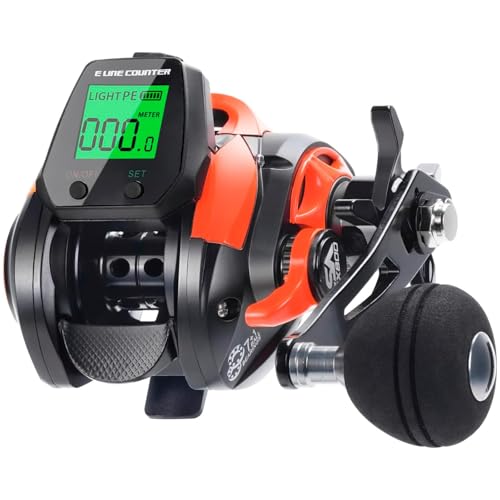
 Piscifun Torrent II Baitcasting Reel
- Innovative Design: The Piscifun Torrent II Low Profile…
- Excellent Durability: The CNC Aircraft-grade hardened, anodized aluminum…
- Fast Retrieve & Multiple Choices: The Torrent II…

As an Amazon Associate we earn from qualifying purchases at no extra cost to you.
If you use braided line, choose by its actual diameter rather than its advertised breaking strength. A 30-pound braid may have a diameter similar to 8- or 10-pound monofilament, depending on the brand. For a general-purpose baitcaster, 20- to 30-pound braid is a practical starting point, usually measuring about 0.009 to 0.012 inches (0.23 to 0.30 mm).
Standard Sizes
The ideal line diameter depends on lure weight, cover, casting distance, and the reel’s spool capacity. Thicker line is tougher and resists abrasion, but it fills the spool faster and can reduce casting distance. Thin line casts farther and handles light lures better, but it is less forgiving around rocks, wood, and vegetation.
| Line type and diameter | Approximate size | Best use |
|---|---|---|
| 0.008 in / 0.20 mm | 6-8 lb mono or fluoro; 10-15 lb braid | Light lures, open water, finesse fishing |
| 0.010 in / 0.25 mm | 8-10 lb mono or fluoro; 15-20 lb braid | Small crankbaits, jerkbaits, and light plastics |
| 0.012 in / 0.30 mm | 10-14 lb mono or fluoro; 20-25 lb braid | General-purpose bass and freshwater fishing |
| 0.014 in / 0.36 mm | 14-17 lb mono or fluoro; 25-30 lb braid | Spinnerbaits, jigs, moderate cover |
| 0.016 in / 0.41 mm | 17-20 lb mono or fluoro; 30-40 lb braid | Heavy vegetation, docks, and abrasion-prone areas |
| 0.020 in / 0.51 mm | 20-25 lb mono or fluoro; 40-50 lb braid | Heavy cover, large swimbaits, pike, and inshore use |
| 0.024 in / 0.61 mm | 25-30 lb mono or fluoro; 50-65 lb braid | Large fish, thick cover, and specialized heavy tackle |
These figures are useful starting points, not universal standards. Diameter varies among manufacturers, especially with fluorocarbon and braided line. Check the line label when possible. A reel rated for 12-pound line may hold substantially less 20-pound line because the thicker diameter occupies more spool space.
For example, a compact baitcaster with a shallow spool may perform best with approximately 100 to 120 yards of 10- to 12-pound line. A larger spool may hold 150 to 200 yards of 14- to 20-pound line. Avoid filling the spool beyond about 1/16 inch (1.5 mm) below the upper lip; overfilling can cause backlashes, while underfilling can noticeably reduce casting distance.
How to Measure Your Space
With baitcasting reels, “space” means the spool’s available line capacity and the clearance around the line guide, not a physical installation opening. Use the following steps before buying line or replacement reel parts:
- Read the spool markings. Look for capacity figures such as 12/150, which generally means the reel holds about 150 yards of 12-pound line. Treat the rating as an estimate because brands measure different line constructions differently.
- Measure the existing line. Remove a short section and measure it with a digital caliper. Measure mono or fluorocarbon without squeezing it flat. Record the result in inches or millimeters.
- Check the spool width and diameter. Measure across the spool from lip to lip and measure the usable width between the side plates. A wide, deep spool holds more thick line but may be less suitable for compact finesse setups.
- Inspect the line guide. The guide must move smoothly across the spool and should not pinch or scrape the line. A worn guide insert or pawl can damage line regardless of whether the diameter is correct.
- Leave room for backing. If you are using braid, add inexpensive monofilament backing first. Fill the spool so the braid finishes about 1/16 inch below the lip. This reduces slipping and avoids buying more braid than the spool needs.
- Match the line to the lure. A 1/8-ounce lure generally benefits from thinner line, while a 1-ounce lure or a lure pulled through grass needs a thicker, stronger setup.
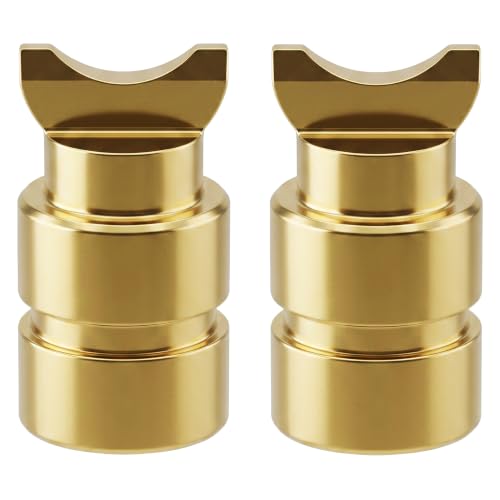
Replacement parts do not determine the correct line diameter. For instance, a MARVELURE line pawl listed at 8.65 x 4.65 mm should be selected by confirming the factory pawl size and reel compatibility; those measurements are part dimensions, not a recommendation for 8.65 mm line. The listed versions cost about $10.95 for one piece or $18.95 for two.
By Room or Use Case
General bass fishing
Use 0.012 to 0.014 inches (0.30 to 0.36 mm) of 10- to 17-pound fluorocarbon or monofilament. This range covers many Texas rigs, small jigs, spinnerbaits, and crankbaits. For braided main line, 20- to 30-pound braid with a 10- to 15-pound fluorocarbon leader is a versatile alternative.
Finesse and light lures
Choose 0.008 to 0.010 inches (0.20 to 0.25 mm). This diameter reduces resistance when casting small hard baits and lightweight plastics. A shallow-spool reel can be easier to control with 75 to 100 yards of thin line rather than a deep spool filled completely with heavy line.
Heavy cover and frogging
For lily pads, thick grass, brush, and wood, use 0.016 to 0.020 inches (0.41 to 0.51 mm) of braid, commonly 40- to 65-pound test. Braid’s small diameter relative to its strength helps maintain casting distance, while its low stretch supports solid hooksets. Check the rod and reel drag ratings before moving to the heaviest line.
Large swimbaits and muskie
Start at 0.020 to 0.024 inches (0.51 to 0.61 mm), or select a line size recommended by the lure and rod manufacturer. Heavy mono or fluorocarbon can become difficult to manage on a standard bass reel, so a larger spool and a powerful levelwind are preferable.
Saltwater and brackish use
Choose a corrosion-resistant reel and line suited to the target species. A 20- to 40-pound braid measuring roughly 0.009 to 0.014 inches (0.23 to 0.36 mm) is common for inshore casting, with a 15- to 30-pound fluorocarbon leader when abrasion resistance matters. Rinse the reel with fresh water after every saltwater trip.
Budget baitcasters
Entry-level reels such as the Piscifun Torrent II, listed at about $39.99, or a line-counter model such as the SAMOLLA TX800, also listed at about $39.99, can work with ordinary 10- to 17-pound line when their capacity and drag ratings suit the application. The important measurements are spool capacity, line guide clearance, and the manufacturer’s recommended line range—not the purchase price alone.
Common Sizing Mistakes
- Choosing by pound test alone: Two lines with the same breaking strength can have different diameters and fill the spool differently.
- Using heavy line on a shallow spool: Thick line may leave too little usable capacity for long casts.
- Filling above the spool lip: This increases the chance of overruns and tangles.
- Using very thin line in heavy cover: A clean cast is not worth frequent break-offs or damaged line.
- Ignoring lure weight: Line diameter cannot compensate for a rod and reel that are poorly matched to the lure.
- Confusing line-pawl dimensions with line diameter: Replacement pawls and levelwind parts must match the reel model and factory measurements.
FAQ
What line diameter is best for a baitcasting reel?
For general use, choose 0.012 to 0.014 inches (0.30 to 0.36 mm) for mono or fluorocarbon. For braid, 0.009 to 0.012 inches (0.23 to 0.30 mm) is a useful starting range.
Is thicker line better for baitcasting reels?
Thicker line provides better abrasion resistance and strength, but it reduces spool capacity and can shorten casting distance. Use the smallest diameter that safely handles the lure, cover, and fish.
Can I put braid on any baitcaster?
Usually, yes, but the spool should be filled with backing or have a braid-ready surface. Select braid by diameter, check capacity, and use a leader when rocks, docks, or sharp cover could cut the main line.
How much line should I put on a baitcasting reel?
Fill the spool to about 1/16 inch (1.5 mm) below the lip. This provides a smooth casting surface without the tangles commonly caused by overfilling.
Write Your Review
No reviews yet. Be the first to share your experience!