
Our Top Picks
Piscifun’s Carbon X family suits anglers who want the lightest spinning reel the brand makes, the Viper X is the stronger-drag, ten-bearing step up for all-round freshwater and light inshore use, the Flame is the simpler value option, and the Alloy X and the newer AlumiX are the metal-bodied choices for anglers who prefer an aluminum frame. Piscifun is a value-positioned brand that sells mostly online, so the practical question is which of its several overlapping models fits your technique, line size and tolerance for long-term maintenance.
The brand’s own site currently highlights the Carbon X, Carbon X II, Carbon X3 (marketed with AirBlade technology and a claimed lighter, stronger build), Carbon XT, Viper X, the aluminum AlumiX series, the Alinox, the Chaos Pro baitcaster and an electric reel called the AtlantiX. The Flame and Alloy X did not feature on the brand’s front page when this article was prepared, so confirm that a specific model is still sold before building a purchase around it. Spec figures below come from the brand’s size charts as repeated by reviewers, or from independent reviews, and are labeled accordingly.

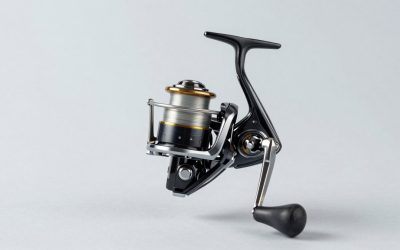
Piscifun Carbon X II Ultralight Spinning Reel, Light to 7.2oz, 2000 Size
Chosen because it specifies Light to 7.2oz and 2000 Size.
View on Amazon
Piscifun Alinox 400 Baitcasting Reel, Bluish Violet Right Hand 8.1:1 | Freshwater saltwater, aluminum frame, line cast alarm, 8+1 bearings, low-profile body
Chosen because it specifies Bluish Violet Right Hand 8.1:1 and Freshwater saltwater.
View on Amazon
Piscifun NautiX Spinning Reel, Aluminum Body, 26lb Max Drag, 3000 Size | CNC Aluminum Gear, 8+1 Sealed BB, 6.0:1 Gear Ratio, smooth retrieve for Saltwater Fishing
Chosen because it specifies Aluminum Body and 26lb Max Drag.
View on Amazon
Piscifun NautiX Spinning Reel, Aluminum Body, 26lb Max Drag, 4000 Size | CNC Aluminum Gear, 8+1 Sealed BB, 6.0:1 Gear Ratio, smooth retrieve for Saltwater Fishing
Chosen because it specifies Aluminum Body and 26lb Max Drag.
View on AmazonPiscifun Reel Lineup Compared
| Model | Best for | Key stated or reported specs | Notable limits |
|---|---|---|---|
| Carbon X | Ultralight and light freshwater work, long casting days | Carbon fiber body, rotor and side plate; the brand’s chart lists 5.1 oz (500), 5.7 oz (1000), 7.6 oz (2000), 8.0 oz (3000) and 9.6 oz (4000); 10+1 shielded stainless bearings reported | Carbon construction is not designed for the hardest saltwater abuse; check claimed drag against the size you buy |
| Carbon X II / X3 / XT | Buyers wanting the newest carbon-frame versions | Brand markets X3 with AirBlade technology and a lighter, stronger build; retail listings give the Carbon X II at 5.5 oz (1000), 7.2 oz (2000) and 7.4 oz (3000) with 22 lb max drag, and the X3 at about 5.6 oz (2000) and 7.4 oz (3000) with listings that conflict on max drag (22 or 30 lb) | Limited independent coverage of the newer versions |
| Viper X | All-round freshwater, light inshore, anglers wanting stronger drag | Reported 22 lb max drag on the 3000 size and about 8.6 oz (the line is listed at roughly 5.4 to 10.9 oz and 8.8 to 33 lb across sizes); carbon drag washers; 10+1 bearings reported | Heavier than the Carbon X; drag figures vary by size |
| Flame | Budget freshwater and general use | One review lists 19.8 lb drag and 8.9 oz | Fewer upgrades than Viper X; availability unconfirmed |
| Alloy X | Anglers wanting an aluminum body for heavier use | One review reports sizes 2000 to 6000, weights of about 8.4 to 11.6 oz and drag of 26 to 39 lb, with inconsistencies in the source | Weakly sourced; data may be dated |
| AlumiX | Aluminum-body buyers who want a current model | Retail listings mention about 6.1 oz (1000), 7.5 oz (2000) and 7.9 oz (3000); 11 lb drag on the 1000 and 26 lb on 2000/3000; 5.2:1 gear ratio on the 1000, 6.2:1 on the larger sizes; carbon rotor | Different from the Alloy X; confirm size-specific specs |
Carbon X: The Lightweight Option
The Carbon X is Piscifun’s best-known reel, and the brand’s own buyer’s guide describes it as lighter than the Viper X. The Wired2Fish review described the reel’s smoothness as surprising for its category, and noted a measured weight of 7.8 ounces on the model they examined. The brand’s chart lists drag ratings that scale by size, from 8.8 lb on the 500 and 1000 up to 22 lb on the 2000 and 3000 and 33 lb on the 4000. Some marketing copy implies a single high number across the line, so check the specific size you are buying.
Carbon fiber bodies resist corrosion and keep weight down, which helps on a long day of casting small lures. They are less rigid than metal under heavy load, so for big fish or heavy line a metal frame can be the better choice. Anglers who throw light jigs, spinners or small crankbaits for trout, panfish and bass are the natural audience.
Viper X: The Step-Up Reel
According to a TruWildlife comparison, the Viper X is the higher-end reel versus the Flame, with upgraded internals, a higher gear ratio, a more advanced drag system and ten bearings. Drag is reported at 22 lb on the 3000 size (listings for the Viper X line cite up to 33 lb on the largest sizes), against 19.8 lb for the Flame, and the Viper X 3000 weighs about 8.6 oz against 8.9 oz for the Flame. The brand also markets high-speed versions for situations like ice fishing.
The Viper X fits the angler who wants more drag headroom and a retrieve fast enough for moving baits, without paying for premium-brand reels. It is a sensible choice for bass, walleye, pike, and light inshore species.
Flame: Simple Value
The Flame has been described as a straightforward spinning reel with a lower specification than the Viper X. If your use is occasional, or if you want a backup reel, it fills the entry role. Because it no longer features prominently on the brand’s front page, availability may vary.
Alloy X and AlumiX: Metal Bodies
The Alloy X is described by one review as a saltwater-oriented, sealed reel with an aluminum body that was released in 2021, in sizes 2000 through 6000 and with high drag figures. That review contains internal inconsistencies, such as differing bearing counts, so the figures should be treated cautiously. The brand’s newer aluminum offering, AlumiX, is listed on its site with retail descriptions that cite aluminum frame, carbon rotor, 10+1 shielded bearings, a 5.2:1 gear ratio on the 1000 and 6.2:1 on the 2000 and 3000, and weights of about 6.1, 7.5 and 7.9 oz for the 1000, 2000 and 3000. If you want a metal frame for heavier line, big fish or rougher handling, look at those, and read the exact spec for your size; note that the brand markets the AlumiX for freshwater.
Drag Ratings: What to Take Seriously
Max drag is a laboratory-style number that is rarely used while fishing. A practical approach is to set working drag at around a quarter to a third of your line’s breaking strength. A reel that claims 22 lb of maximum drag is not suited to putting 22 lb of pressure on a 6 lb line. Use the rating to compare reels within a brand, not as a promise of usable performance.
Sizing Advice
- 500 to 1000: panfish, trout and ultralight spinners.
- 2000 to 3000: general freshwater bass, walleye and light inshore.
- 4000 and above: catfish, pike, surf and heavier inshore use.
- Match the reel to a rod’s line rating; a large reel on a light rod feels unbalanced.
Who Should Buy and Who Should Skip
Buy a Piscifun if
- You want good specifications at a budget or mid-range level.
- You want a lightweight reel for casting all day.
- You are building a second or third setup and do not need flagship refinement.
Skip or look elsewhere if
- You need a long-established service network with local repair shops.
- You fish heavy saltwater regularly and want a proven, serviceable sealed reel.
- You want exact, consistent specs; model naming and listings change frequently.
How Piscifun Compares with Other Brands
Against Shimano, the established benchmark, Piscifun usually costs less but offers less proven long-term durability and a smaller support network. Against Daiwa, the comparison is similar: Daiwa has stronger engineering reputation and wider retail presence. Against KastKing, a direct value rival, Piscifun and KastKing trade blows on weight and drag numbers, so the choice often comes down to current availability and warranty terms. Against Penn, Piscifun is positioned toward freshwater and light inshore, while Penn is the heavy-duty saltwater specialist.
Care and Common Issues
- Rinse after any saltwater exposure and wipe dry; do not blast with high-pressure water.
- Add a drop of reel oil to the handle knob and bail roller periodically.
- Loosen the drag after each trip to preserve the washers.
- Use the correct line size for the spool; overfilling causes loops and wind knots.
- Reviewers of value reels often mention variability, so test the drag and bail action when the reel arrives.
Decision Table
| Pick this if… | Choose |
|---|---|
| You want the lightest reel in the brand | Carbon X (or newer Carbon X3) |
| You want stronger drag and more bearings | Viper X |
| You want a simple budget reel | Flame, if available |
| You want an aluminum body for heavier use | AlumiX or Alloy X |
| You fish ultralight spinners | Carbon X in 500 or 1000 |
| You target bigger fish with heavier line | Larger Viper X or Alloy X sizes |
Frequently Asked Questions
Are Piscifun reels any good?
Reviewers generally describe them as strong value, with the Carbon X praised for smoothness and light weight. Long-term durability and service are less established than with major legacy brands.
Which Piscifun reel is the lightest?
The brand’s size chart lists the Carbon X 500 at about 5.1 oz, the lightest in that chart. The AlumiX 1000 is advertised at about 6.1 oz in retail listings.
What is the difference between the Viper X and Carbon X?
The Carbon X uses a carbon fiber body and is the lighter reel, according to the brand. The Viper X is reported to have a more advanced multi-disc drag and a higher gear ratio, making it the step-up in strength.
Can Piscifun reels be used in saltwater?
The Alloy X was marketed as a sealed saltwater reel in one review, while the AlumiX is marketed by the brand for freshwater, and the carbon-bodied models are mainly aimed at freshwater and light inshore use; all reels need rinsing and care. For frequent heavy saltwater use, a dedicated saltwater reel from a specialist brand may be safer.
Is the maximum drag number realistic?
It is a peak figure, not a working setting. Set your drag well below your line’s breaking strength and use the rating mainly to compare reels.
Is the Alloy X still sold?
Review coverage exists, but the brand’s current front page highlights the AlumiX instead. Confirm availability and size-specific specs before ordering.



Write Your Review
No reviews yet. Be the first to share your experience!