
Key takeaways
- Buying by maximum drag alone. Line capacity, spool shape, retrieve rate, and reel weight matter just as much as a high drag number.
- Assuming all size numbers match. Compare the actual capacity chart and exterior dimensions rather than treating every 8000 or 10000 reel as identical.
- Using too little line. A spool holding only 150 yards may be fine for a dock, but it leaves little reserve for surf fishing.
- Overfilling braid. Braid is slick and thin; filling to the very edge of the spool can cause tangles during a hard cast.
- Choosing a reel too heavy for the technique. A 14000 reel may be effective in a rod holder but uncomfortable for hours of lure casting.
- Ignoring line diameter. Two 30-pound braided lines can have different diameters and occupy different amounts of spool space.
The Short Answer
For most surf fishing, a reel should hold enough line to make a long cast, handle a strong fish’s first run, and still leave several wraps on the spool. A practical starting point is 250 to 300 yards of 20- to 30-pound braided line on an 6000 to 8000 spinning reel. For heavier bait fishing, sharks, large rays, or fast-running saltwater species, move up to an 8000 to 14000 reel with 300 to 500 yards of 30- to 50-pound braid.
If you are wondering what line capacity for surf reel shopping, do not choose only by the reel number printed on the body. A “10000” reel from one brand may be closer in physical size and spool volume to another brand’s “8000” or “12000.” Read the manufacturer’s line-capacity chart, then match it to the diameter and strength of the line you actually plan to use.
Our top picks
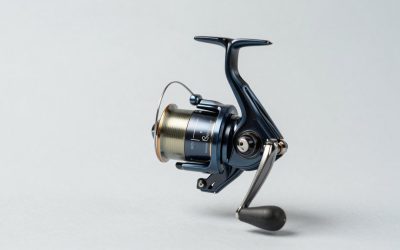
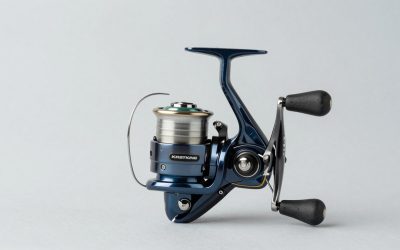
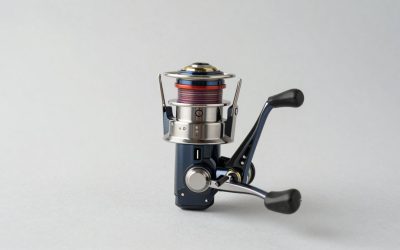
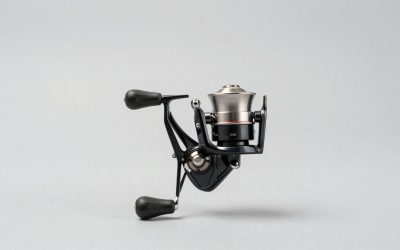
 Big Game Surf Spinning Fishing Reel
- Hand Orientation: Ambidextrous
- Fishing Technique: Surf Fishing
- Gearbox Ratio: 5.1
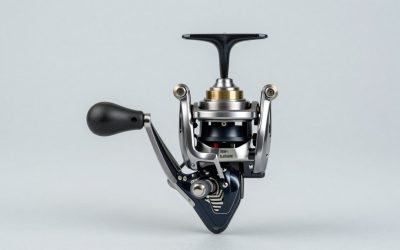
 8000/10000/14000 Heavy Duty Saltwater Fishing Spinning Open
- 【Unmatched Drag Power】The spinning reel delivers serious stopping…
- 【Innovative Geometric Structure Design】The reel features a lightweight…
- 【Saltwater-Ready Design】The reel is built to withstand saltwater,…
| Product | Key specs | |
|---|---|---|
| Big Game Surf Spinning Fishing Reel | Hand Orientation: Ambidextrous Fishing Technique: Surf Fishing Gearbox Ratio: 5.1 | Check price |
| 8000/10000/14000 Heavy Duty Saltwater Fishing Spinning Open | 【Unmatched Drag Power】The spinning reel delivers serious stopping… 【Innovative Geometric Structure Design】The reel features a lightweight… 【Saltwater-Ready Design】The reel is built to withstand saltwater,… | Check price |
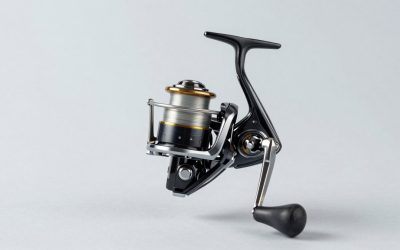
 ACCURETTA Fishing Spinning Reel ACCURETTA Fishing Spinning Reel | Check price | |
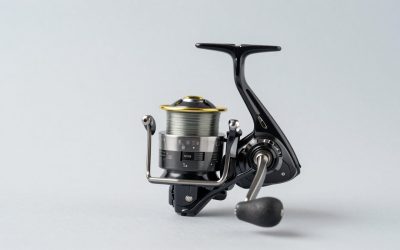
 GARRET 12000/16000 Surf Fishing Reel GARRET 12000/16000 Surf Fishing Reel | Check price |
As an Amazon Associate we earn from qualifying purchases at no extra cost to you.
For a versatile beach setup in 2026, an 8000-size long-cast spinning reel filled with 30-pound braid is a dependable middle ground. It is large enough for cut bait, metal lures, and moderate current, but generally not as tiring as a 12000 or 14000 reel during a full day of casting.
Standard Sizes
Spinning-reel size labels are useful shorthand, but they are not universal measurements. The dimensions below are typical exterior ranges for surf-capable spinning reels, measured across the spool lip and from the reel foot to the top of the spool. Always verify the exact reel’s published specifications before buying.
| Typical Reel Size | Approx. Spool-Lip Diameter | Approx. Overall Height | Typical Reel Weight | Useful Braid Capacity | Best Fit |
|---|---|---|---|---|---|
| 5000–6000 | 2.3–2.6 in. / 5.8–6.6 cm | 4.7–5.4 in. / 11.9–13.7 cm | 13–18 oz. / 369–510 g | 200–300 yd. of 20–30 lb. | Light surf, jetties, casting lures |
| 7000–8000 | 2.6–3.0 in. / 6.6–7.6 cm | 5.2–6.0 in. / 13.2–15.2 cm | 17–25 oz. / 482–709 g | 250–350 yd. of 30 lb. | General-purpose surf fishing |
| 10000–12000 | 3.0–3.4 in. / 7.6–8.6 cm | 5.8–6.7 in. / 14.7–17.0 cm | 23–32 oz. / 652–907 g | 300–450 yd. of 30–40 lb. | Heavy bait rigs, big drum, rays |
| 14000–16000 | 3.3–3.8 in. / 8.4–9.7 cm | 6.4–7.3 in. / 16.3–18.5 cm | 30–42 oz. / 850–1,191 g | 400–550 yd. of 40–50 lb. | Sharks, large rays, long bait runs |
A 6000 reel is often enough for anglers casting plugs or small bait rigs close to shore. An 8000 reel is the most flexible choice for many surf anglers because it balances capacity, casting performance, and manageable weight. A 10000 or 12000 model becomes more useful when sinkers reach 5 to 8 ounces, the beach has strong current, or fish may make long runs.
Heavy-duty models in the 12000 to 16000 range often advertise maximum drag ratings from 45 to 66 pounds. That does not mean you should fish 45 pounds of drag. A common starting point is roughly one-quarter to one-third of the line’s rated breaking strength, adjusted for the rod, knot quality, leader, and target species.
How to Measure Your Space
With a surf reel, “space” means usable spool space rather than room dimensions. The goal is to fit the needed amount of line without overfilling the spool or wasting money on an oversized reel.
- Choose your target line strength. Use 20- to 30-pound braid for lighter surf work, 30- to 40-pound braid for all-around bait fishing, and 40- to 50-pound braid for heavy rigs and large fish.
- Set a minimum yardage. Plan on 200 yards for short-to-medium casting distances, 250 to 350 yards for standard beach fishing, and 400 yards or more when large fish, boats, current, or long casts can take line quickly.
- Check the reel’s capacity label. It may list monofilament in a format such as “20/300,” meaning approximately 300 yards of 20-pound mono. Because braid is thinner than mono of the same strength, compare line diameter in millimeters or inches whenever possible.
- Allow room below the spool lip. Stop filling about 1/16 to 1/8 inch (1.5 to 3 mm) below the spool lip. An overfilled spool can create wind knots and loose loops; an underfilled spool reduces casting distance.
- Add backing if necessary. If a braid spool does not fill the reel properly, put inexpensive monofilament backing underneath it. Most anglers need only enough backing to bring the braid close to the recommended fill level.
- Account for leader and rig. A 2- to 6-foot leader does not require a larger reel, but a long shock leader used for heavy casting can affect knot clearance and casting comfort.
As an example, an 8000-size reel may be a good match if it holds about 300 yards of 30-pound braid. If the same reel only holds 180 yards of your chosen 40-pound braid, it may be too small for heavy bait fishing even if its maximum drag rating looks impressive.
By Room or Use Case
Light Surf, Piers, and Casting Lures
Choose a 5000 to 6000 reel with 200 to 300 yards of 20- or 30-pound braid. This is a sensible range for throwing spoons, bucktails, plugs, and smaller jig heads. Reel weight usually matters more here because you will cast repeatedly rather than leave the rod in a sand spike. Pair it with a 7- to 9-foot rod and use a modest leader suited to the species and structure.
General Beach Bait Fishing
An 7000 or 8000 reel loaded with 250 to 350 yards of 30-pound braid is the standard all-purpose setup. It handles 3- to 6-ounce sinkers, fish-finder rigs, pyramid sinkers, and common bait presentations without feeling excessively bulky. This size works well for striped bass, bluefish, red drum, snook, smaller sharks, and many regional surf species. Expect many budget surf reels in this category to fall around $35 to $65, while better-sealed or more refined models can cost more.
Heavy Current, Large Bait, and Big Fish
Choose a 10000 to 12000 reel when you need 300 to 450 yards of 30- or 40-pound braid. The larger spool can improve line pickup and accommodate heavier mono leaders, while the extra capacity offers a better margin when a large ray, drum, or shark runs down the beach. Reels with aluminum spools, screw-in handles, and stronger drag assemblies are common in this category. Prices often range from roughly $45 to $120, depending on materials, spare spools, sealing, and drivetrain design.
Dedicated Shark and Long-Run Fishing
A 14000 to 16000 reel is appropriate when you genuinely need 400 to 550 yards of 40- to 50-pound braid. These reels are heavy, often weighing 2 pounds or more once filled with line, so they are best on a sturdy 10- to 12-foot surf rod and a stable rod holder. Bigger is not automatically better: using an oversized reel for everyday casting can cause fatigue and make balancing the rod harder.
Common Sizing Mistakes
- Buying by maximum drag alone. Line capacity, spool shape, retrieve rate, and reel weight matter just as much as a high drag number.
- Assuming all size numbers match. Compare the actual capacity chart and exterior dimensions rather than treating every 8000 or 10000 reel as identical.
- Using too little line. A spool holding only 150 yards may be fine for a dock, but it leaves little reserve for surf fishing.
- Overfilling braid. Braid is slick and thin; filling to the very edge of the spool can cause tangles during a hard cast.
- Choosing a reel too heavy for the technique. A 14000 reel may be effective in a rod holder but uncomfortable for hours of lure casting.
- Ignoring line diameter. Two 30-pound braided lines can have different diameters and occupy different amounts of spool space.
FAQ
Is a 6000 reel big enough for surf fishing?
Yes, for light to moderate surf fishing. A 6000 reel holding 200 to 300 yards of 20- or 30-pound braid is suitable for smaller bait rigs, lures, and many inshore species. Move to an 8000 or larger reel if you regularly use heavy sinkers, fish strong current, or target large fish.
How much 30-pound braid should a surf reel hold?
For general surf fishing, aim for at least 250 yards and preferably around 300 yards of 30-pound braid. Heavy bait fishing benefits from 350 to 450 yards. The right amount depends on the distance you cast, local current, and how far your target fish can run.
Should I use braid or monofilament on a surf reel?
Braid offers thinner diameter, greater capacity, and good casting distance. Monofilament is less expensive, easier to manage for some beginners, and provides more stretch. Many surf anglers use braid as the main line with a mono or fluorocarbon leader, plus a shock leader when casting heavy sinkers.
What is the best all-around surf reel size?
An 8000-size spinning reel is the most versatile all-around choice for many anglers. Look for a capacity near 300 yards of 30-pound braid, a corrosion-resistant spool and hardware, and a weight you can comfortably cast or carry. It offers more reserve than a 6000 without the bulk of a 12000 or 14000 reel.
Write Your Review
No reviews yet. Be the first to share your experience!