
Key takeaways
- Using high-pressure water: It pushes grit and moisture past seals and into bearings.
- Spraying lubricant everywhere: Oil can contaminate drag washers, attract sand, and reach the line.
- Using WD-40 or household oil as reel grease: These products may thin out, collect debris, or affect plastic and rubber components.
- Overtightening the drag: Tighten it only enough to keep water out during rinsing, then loosen it for storage.
- Disassembling without a parts layout: Take photos and arrange parts left to right before removing them.
- Drying with heat: Air drying is slower but safer for seals, coatings, and plastic components.
- Ignoring the line roller: It is a small part with a major effect on line twist and casting performance.
A spinning reel collects salt, sand, sunscreen, fish slime, and grit every time it goes on the water. Left alone, that debris can make the handle feel rough, weaken the drag, corrode metal parts, and wear down gears. Cleaning it incorrectly can be just as harmful: a high-pressure spray can force water into the bearings, while too much oil can turn loose grit into abrasive paste.
The safest routine is a gentle rinse, careful drying, and light lubrication on the parts that actually need it. The method below works for most freshwater and saltwater spinning reels, whether you are maintaining a budget model such as the $31.53 Daiwa Crossfire LT or a larger reel such as the $56.09 KastKing Megatron 60. Always check your reel’s manual before removing the rotor, bail, or side plate.
Our top picks
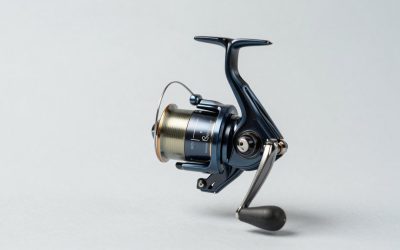
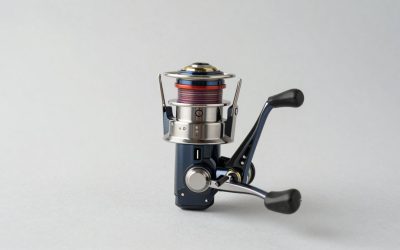
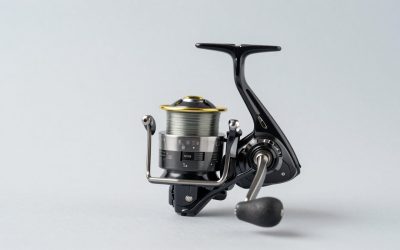
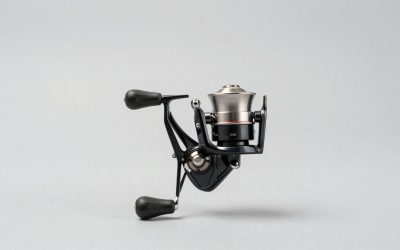
 Daiwa Crossfire LT Spinning Reel
- Hand Orientation: Ambidextrous
- Material: Metal
- Fishing Technique: Spinning
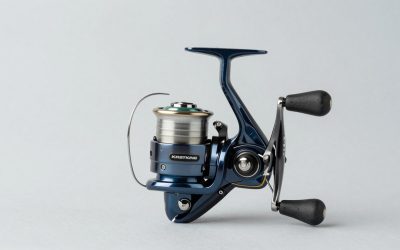
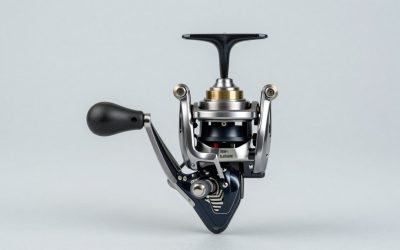
 KastKing Megatron Spinning Fishing Reels with 5.2:1
Aluminum skeletal frame adds strength without excess weight
Carbon drag system handles over 30 pounds of pressure
Seven plus one stainless bearings support smooth retrieves
Ambidextrous handle setup may feel less dedicated than handed reels
Zinc alloy main gear is less premium than full metal alloys
As an Amazon Associate we earn from qualifying purchases at no extra cost to you.
What You Need
| Item | Why | Optional? |
|---|---|---|
| Clean, lukewarm water | Removes salt and surface grime without shocking cold or hot metal parts | No |
| Soft toothbrush or reel-cleaning brush | Works debris out of the bail, line roller, handle, and crevices | No |
| Microfiber cloths | Dries the reel without scratching its finish | No |
| Mild dish soap | Cuts sunscreen, grease, and fish residue on the exterior | Yes |
| Reel oil | Lubricates the line roller, handle knob, and designated oil points | Yes, but recommended |
| Reel grease | Protects accessible gears when the manufacturer specifies grease | Yes |
| Small screwdriver or wrench | Removes the handle or spool when needed | Yes |
| Parts tray or labeled containers | Keeps washers, screws, and drag components in order | Yes |
Use reel-specific oil and grease rather than household lubricants, penetrating oil, or cooking oil. Avoid compressed air, abrasive pads, solvents, and pressure washers. A clean work area about 24 inches wide gives you enough room to lay out small parts without losing them.
Step-by-Step
-
Prepare the reel and work area (5 minutes)
Move to a clean, shaded area with good light. If the reel was used in saltwater, clean it as soon as practical—ideally the same day. Remove the lure and wipe away any visible plant material, bait, or sand. Tighten the drag before rinsing so water is less likely to enter the drag stack. Remove the spool only if it is dirty underneath or if your manual recommends doing so for routine maintenance.
-
Remove the line if necessary (5 to 10 minutes)
For a light exterior cleaning, leave the line on the spool. If the spool is coated with salt or sand, loosen the drag and unscrew the drag knob to lift it off. Place the drag washers in the exact order they came out. Cover the spool with a clean cloth if you are brushing nearby so loose debris does not catch in the line.
Do not remove the spool simply because you plan to rinse the reel. Unnecessary disassembly increases the chance of misplacing a washer or damaging a seal.
-
Rinse gently with fresh water (2 to 3 minutes)
Hold the reel under a gentle stream of lukewarm fresh water or use a spray bottle. Keep the water pressure low—about the force of water from a drinking fountain, not a garden nozzle. Rinse the spool, bail, rotor, handle, and reel foot. Aim the water downward so it flows off the reel instead of being pushed into the body.
Saltwater anglers should spend extra time around the line roller, bail hinges, handle joint, and the gap beneath the spool. Never submerge the reel unless the manufacturer specifically says it is waterproof.
-
Wash exterior grime (5 minutes)
Mix a few drops of mild dish soap into about 16 ounces of water. Dip a microfiber cloth or soft toothbrush into the solution, then clean the reel body, rotor, bail wire, spool lip, and handle. Use short, gentle strokes around the line roller. This is where trapped salt crystals and fine sand commonly cause roughness.
Keep soapy water away from an open drag stack and do not scrub printed markings aggressively. If the reel has a rubberized grip, wipe it rather than soaking it.
-
Clean the line roller and bail (5 minutes)
Turn the handle slowly while brushing the line roller. The roller should rotate smoothly without grinding or sticking. If the roller does not move, do not force it with pliers. Rinse away the debris and inspect the bail spring, bail wire, and hinge points for corrosion.
After the area dries, apply one small drop of reel oil to the line roller bearing or bushing if the manual permits it. One drop is enough; excess oil can migrate onto the line and attract grit.
-
Clean the spool and drag area (5 minutes)
Wipe the spool lip and skirt with a damp cloth. Clean the drag knob threads with a cotton swab or soft brush. If the drag washers are exposed, keep them dry unless the manufacturer specifies a particular drag grease. Felt, carbon, and metal washers use different maintenance procedures, so do not substitute automotive grease or general-purpose lubricant.
Check the spool lip for nicks. A sharp burr can damage fishing line and create casting friction.
-
Dry completely (30 to 60 minutes)
Shake off excess water gently, then pat the reel dry with a microfiber cloth. Rotate the handle and move the bail several times to release water from moving joints. Set the reel upright in a ventilated area for at least 30 minutes; allow several hours if water entered around the spool or handle.
Do not use a hair dryer or heat gun. Temperatures above roughly 100°F can soften some plastics, affect finishes, and drive moisture deeper into bearings.
-
Lubricate and reassemble (5 to 15 minutes)
Apply one drop of reel oil to approved external oil points, such as the handle knob, line roller, and bail hinge if listed in the manual. Wipe away anything that runs out. If you have opened the side plate, apply only the specified amount of reel grease to accessible gear teeth. More lubricant is not better.
Reinstall the spool, drag knob, and handle in their original order. Turn the handle slowly. It should feel smooth, with no crunching, clicking, or sudden resistance. Set the drag loose for storage to reduce pressure on the drag washers.
-
Inspect before storing (3 minutes)
Check the bail for alignment, the line roller for free movement, and the spool for corrosion or sharp edges. Look at the line near the spool lip and cut away any section that is frayed or salt-crusted. Store the reel in a dry, ventilated location inside a cloth bag or open-sided case. Avoid sealed plastic storage until the reel is completely dry.
Mistakes to Avoid
- Using high-pressure water: It pushes grit and moisture past seals and into bearings.
- Spraying lubricant everywhere: Oil can contaminate drag washers, attract sand, and reach the line.
- Using WD-40 or household oil as reel grease: These products may thin out, collect debris, or affect plastic and rubber components.
- Overtightening the drag: Tighten it only enough to keep water out during rinsing, then loosen it for storage.
- Disassembling without a parts layout: Take photos and arrange parts left to right before removing them.
- Drying with heat: Air drying is slower but safer for seals, coatings, and plastic components.
- Ignoring the line roller: It is a small part with a major effect on line twist and casting performance.
How Often
Rinse and wipe a reel after every saltwater trip. For freshwater use, wipe it after each outing and perform the full cleaning every 5 to 10 trips or at least once each season. Reels used in surf, muddy water, or heavy rain may need cleaning after every trip. A deeper internal service is commonly appropriate once a year for frequent anglers and every two years for occasional use, provided the reel remains smooth.
When to Call a Pro or Replace
Professional service is worthwhile when the reel grinds after cleaning, the handle has side-to-side play, the bail will not snap open or closed, the drag surges, or the line roller remains seized. A technician can replace bearings, inspect gears, and correctly stack drag washers without guesswork.
Replacement often makes more sense when corrosion has pitted the main gear or shaft, the body is cracked, several parts are discontinued, or a repair estimate approaches roughly half the cost of a comparable new reel. For many entry-level reels priced around $30 to $60, replacing a severely corroded internal assembly may cost more than buying a new reel. Do not replace a reel merely because it feels dry after storage; clean, lubricate, and test it first.
FAQ
Can I rinse a spinning reel under the faucet?
Yes, if the flow is gentle and the reel is held so water runs over and away from the body. Do not use a forceful spray, submerge the reel, or aim water directly into openings, bearings, or the drag.
Should I clean the reel with the fishing line still attached?
Usually, yes. A light rinse and exterior wipe can be done with line on the spool. Remove the spool only when salt, sand, or grime is trapped underneath, and protect the line from soap and brushes.
How much oil should I use?
Use one small drop at each approved oil point. If oil drips, pools, or reaches the line, you used too much. Gear grease belongs inside the gear housing and should be applied according to the manufacturer’s instructions.
Why does my reel still feel rough after cleaning?
Roughness may indicate a damaged bearing, worn gear, bent shaft, seized line roller, or corrosion inside the body. Stop forcing the handle. A reel technician can identify the failed component; continued use may turn a replaceable bearing into a larger gear or shaft repair.

Write Your Review
No reviews yet. Be the first to share your experience!