
Our Top Picks
Pros & cons
- Eight Dura-Guides use one-piece construction to prevent pop-outs
- Four sealed stainless bearings support consistent operation
- Reel works for both right- and left-handed anglers
- 10 to 17 pound line weight limits it to moderate tackle
- Medium power rod may underperform for heavier saltwater species
As an Amazon Associate we earn from qualifying purchases.
Carlsbad Lagoon, known locally as Agua Hedionda Lagoon, gives San Diego County anglers a rare mix of calm backwater and saltwater action in one place. Its three basins stretch from the ocean inlet to inner flats, so a single morning can offer spotted bay bass along a rocky edge, halibut on a sandy flat, and croaker in a moving channel. The lagoon suits almost every style, from a first cast off the bank to a kayak drifting with the tide.
This guide walks through the lagoon basin by basin, the species you are most likely to meet, the tackle that covers them, and the way tides and seasons shape a trip. It also covers access points, etiquette, and safety, including the checks that matter before you go: a current California fishing license where required, and the latest rules from the California Department of Fish and Wildlife and any signs posted at the water. Regulations change, so treat this guide as a starting point and confirm the details before you fish.
How to Choose
Match Your Approach to the Lagoon’s Three Basins
Carlsbad Lagoon is the local name for Agua Hedionda Lagoon, a tidal lagoon made of three connected basins, and each one fishes differently. The outer lagoon sits beside the ocean inlet, where salt water pours in and out with every tide and the water runs deepest and clearest. The middle lagoon mixes channels, eelgrass beds, and rocky edges, and it holds the most varied structure in the system. The inner lagoon is the shallowest and calmest water, farthest from the sea, with wide mud flats and quiet banks that warm quickly on sunny days. Start your plan by choosing a basin that matches how you will fish, not by choosing a lure. Shore anglers get the most from the outer and middle basins, where paths and roads run close to the water and bridge pilings, rock edges, and channel drop-offs sit within casting range. Kayak and float-tube anglers gain the most in the middle and inner basins, where they can drift over eelgrass and flats that no shore cast can reach. The inner lagoon also stays fishable on windy afternoons when the outer basin turns choppy. Before you settle on a spot, confirm that the bank is open to the public and that launching a small craft is allowed there, since some stretches are private or posted. A short walk to look at the water first usually tells you more than any map.
Pick Tackle for the Species You Expect
The lagoon rewards anglers who match their tackle to the fish that actually live there, and the list is wider than many first-timers expect. Spotted bay bass patrol the eelgrass edges and rocky structure through much of the year, while California halibut lie on sandy flats and in the channels, especially where the tide moves bait past them. Yellowfin and spotfin croaker cruise the middle basin, corbina work the shallow sand near the shore, and surfperch, opaleye, and small mackerel show up near the inlet when ocean water pushes in. Stingrays and the occasional leopard shark also share the flats, so be ready for a surprise pull. A light to medium spinning rod around seven to eight feet, paired with a reel spooled with eight to twelve pound line, covers most lagoon fishing without feeling clumsy. Soft plastic swimbaits, small jigs, and spoons imitate the baitfish and shrimp that bass and halibut hunt, while a simple Carolina rig or drop-shot rig baited with shrimp, mussels, or cut bait works well for croaker and perch. Keep a few hooks and sinkers in different sizes so you can adjust to the current, and use pliers and a net so you can unhook fish quickly and release the ones you do not keep. Before you fish, check the current California Department of Fish and Wildlife rules for any size or bag limits that apply to the species you plan to keep.
Read the Tide Before You Pick a Time
Tides run the lagoon, and the clock on the water matters more than the clock on your phone. Water pours through the inlet on the incoming tide and drains back out on the outgoing tide, and fish gather where that moving water carries bait past structure. Channel mouths, bridge pilings, eelgrass edges, and the edges of sandbars all fish best while the water is moving, because predators sit just out of the current and pick off bait swept past them. The hour or two on either side of a tide change is often the most productive window, while dead slack water can turn quiet as fish spread out and stop feeding. Check a tide chart for Carlsbad before you leave home, and plan to arrive before the window you want to fish so you can settle in and make your first casts while the water is still moving. Dawn and dusk add low light that helps in the clear outer basin, and an overcast morning can stretch that bite later into the day. Wind matters too: a strong onshore breeze chops up the outer lagoon and makes lure control harder, while the inner lagoon usually stays calm enough to fish. When the tide and the light line up, even a short session can outfish a long day spent fighting slack water.
Plan Around the Season and the Rules
Seasons shift what the lagoon offers, and the rules shift too, so a little planning before you go pays off. Spring and summer bring warmer water and more active fish, with halibut, croaker, and bass feeding hard in the channels and over the flats. Autumn often stays productive as the water holds its warmth, while winter slows the bite but still gives up spotted bay bass around structure for anglers willing to fish slowly. California generally requires a sport fishing license for anglers aged sixteen and older, and you should confirm the current requirement, along with any size limits, bag limits, and restricted areas, with the California Department of Fish and Wildlife before your trip, since rules change and some parts of the lagoon sit near facilities with posted access limits. Bring sun protection and drinking water, because the lagoon banks offer little shade and a summer morning heats up fast. Wear shoes that grip wet rock and mud, shuffle your feet when wading the flats to warn stingrays, and carry a small first aid kit in your bag. Pack out your line, hooks, and trash, and handle every fish with wet hands so the ones you release swim away healthy.
Which One Fits Your Situation
First Visit With Kids or New Anglers
Fish the shore of the middle or inner lagoon, where the water is calm and the walk from the car is short. Rig a light spinning rod with a Carolina rig and a piece of shrimp, cast near an eelgrass edge or a rocky bank, and let it sit while you watch the rod tip. Short sessions work best: an hour around a moving tide, snacks and water, and a net ready for the spotted bay bass or croaker.
Kayak Angler Chasing Halibut and Bass
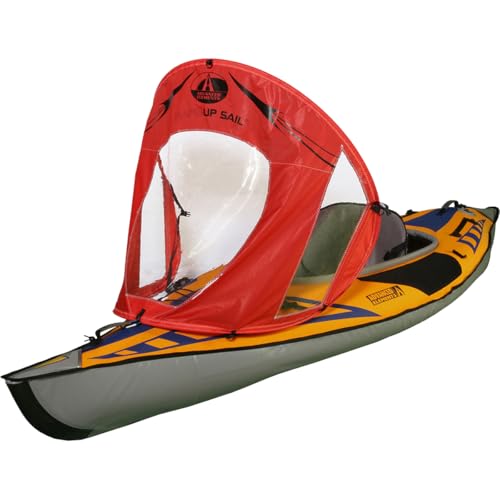
Launch in the middle basin and drift the eelgrass edges and channel drops with the tide, covering water that shore anglers cannot reach. Cast soft plastic swimbaits and jigs ahead of the drift and work them slowly along the bottom, where halibut wait on the sand and bass hold tight to the grass. Wear a life jacket, leash your paddle and rods, and plan your return against the tide so the paddle back stays easy.
Surf and Jetty Angler at the Mouth
Work the outer lagoon and the inlet, where ocean water brings surfperch, corbina, croaker, and mackerel within casting range. A slightly heavier rod and line help here, since the current runs hard and waves break over the rocks at the mouth. Cast spoons and bait rigs into the moving water, keep your footing on wet rock, and watch the swell, because a rising tide can cut off a rocky perch faster than you expect.
Short Session After Work or at Dawn
Pick one shore spot close to parking in the outer or middle basin and fish the tide change, when the lagoon gives up its best hour. Bring a single rod, a small box of jigs and soft plastics, and a few bait rigs, so you spend the session casting instead of sorting gear. Arrive early to watch for bait movement and bird activity, and leave a plan for the next visit if the bite turns on after you go.
Common Mistakes
- Fishing dead slack water: arriving at the lagoon without checking the tide is the most common mistake, because fish scatter and stop feeding when the water stops moving. Check the tide chart first and plan around the change.
- Bringing the wrong weight of gear: a heavy surf rod makes lagoon bass feel like nothing and kills the fun, while line that is too light snaps in the inlet current. Match a light to medium setup to the basin you fish.
- Ignoring posted signs and private banks: some stretches of shoreline are private or closed, and fishing them risks a fine and a confrontation. Read the signs at your access point and fish only where access is open.
- Trusting old rules: size limits, bag limits, and restricted areas change, and advice from last season may already be out of date. Confirm the current California Department of Fish and Wildlife rules before every trip.
- Leaving line and trash behind: tangled line snags birds and marine life, and a messy bank closes spots for everyone. Pack out every scrap of line, every hook, and every wrapper you brought in.
Tackle for a Day at the Lagoon
A compact kit is enough for shoreline and pier days. Basic tools and a simple rod and reel keep things manageable.
Sougayilang Surf Fishing Rod and Reel Combo
A multi-piece surf combo that is easy to transport and handles inshore species.
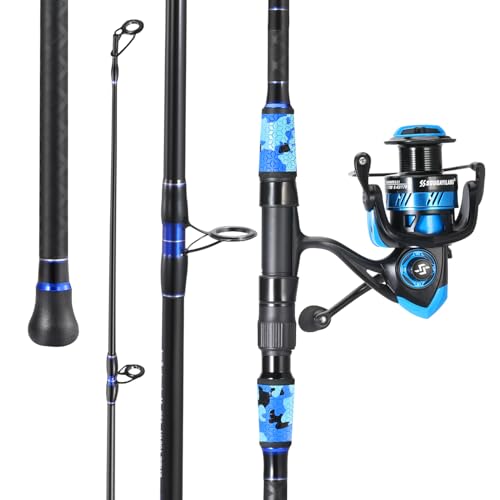
Sougayilang Surf Fishing Rod and Reel Combo, 4 Piece MH/H Saltwater Fishing Combo with 5000 Size Spinning Reel(12' Blue)
One of the home product options compared in this guide.
View on AmazonPENN Pursuit V Spinning Rod and Reel Combo, 7′
A durable spinning combo with a corrosion-resistant build for saltwater use.

Penn Pursuit V Spinning Reel and 7' 2-Piece Fishing RodCombo, Graphite Composite Rod Blank Construction, EVA Handles
One of the home product options compared in this guide.
View on AmazonKastKing Cutthroat Saltwater Fishing Pliers and Scissors Set
Pliers and scissors for handling hooks and cutting braid.
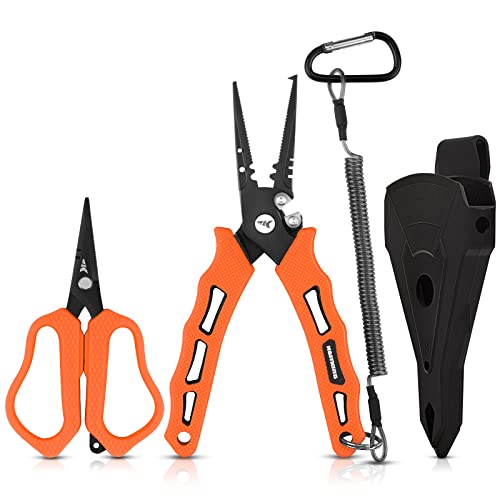
KastKing Cutthroat 7.5" Saltwater Fishing Pliers & Scissors Set, Orange | Hook Remover & Braid Scissors, Line Cutter, Saltwater-Resistant Stainless Steel, Fishing Tool Set and Gifts for Men
One of the home product options compared in this guide.
View on AmazonPlano 3-Tray Tackle Box
A compact tackle box that keeps hooks, weights and lures organized.
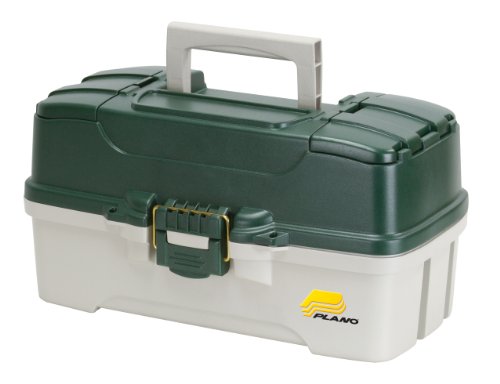
Plano 3-Tray Tackle Box with Dual Top Access, Dark Green Metallic/Off White, Premium Tackle Storage
One of the home product options compared in this guide.
View on AmazonFrequently Asked Questions
Do I need a fishing license to fish Carlsbad Lagoon?
California generally requires a sport fishing license for anglers aged sixteen and older, and that requirement applies to the lagoon. Licenses are available online and at local tackle shops, and you should carry yours while you fish. Check the current California Department of Fish and Wildlife rules before your trip, since requirements and exemptions can change.
Can you fish Carlsbad Lagoon from shore, or do you need a kayak?
You can do both, and shore fishing covers more of the lagoon than many anglers expect. Banks, paths, and bridge areas in the outer and middle basins put rocky edges, pilings, and channel drop-offs within casting range. A kayak or float tube adds the eelgrass beds and flats of the middle and inner basins, but it is an upgrade, not a requirement.
What fish can you catch in Carlsbad Lagoon?
Spotted bay bass, California halibut, yellowfin and spotfin croaker, corbina, and surfperch make up most catches, with opaleye and mackerel showing near the inlet when ocean water pushes in. Stingrays and the occasional leopard shark share the flats too. What you meet depends on the basin, the tide, and the season, so expect variety.
When is the best time to fish Carlsbad Lagoon?
The moving water around a tide change is usually the most productive window, often an hour or two on either side of the turn. Dawn and dusk add low light that helps in the clear outer basin, and spring through autumn generally fish better than the coldest winter weeks. Check the tide chart for Carlsbad and match your trip to the water, not just the clock.
FAQ
Do I need a fishing license to fish Carlsbad Lagoon?
Can you fish Carlsbad Lagoon from shore, or do you need a kayak?
What fish can you catch in Carlsbad Lagoon?
When is the best time to fish Carlsbad Lagoon?
More from Amazon
Programs that pair well with the guide above. Offers and eligibility are set by Amazon and may change.
Free shipping on eligible items, Prime Video and more. Eligible new members can start with a free trial.
Start a Prime free trialA Prime membership for ages 18-24 with a trial period. Eligibility is set by Amazon.
See Prime for Young AdultsAudiobooks and podcasts to listen to on the go. Eligible new members can start with a free trial.
Try Audible freeAd-free music streaming. Eligible new subscribers can start with a free trial.
Try Music Unlimited freeAs an Amazon Associate we earn from qualifying purchases.



Write Your Review
No reviews yet. Be the first to share your experience!