
Our Top Picks
Pros & cons
- Kit bundles rigs, sinkers, and circle hooks to begin fishing
- Rod is backed by a seven year warranty
- Pre-spooled with 14 pound line, ready right out of the box
- Single ball bearing reel is basic compared to multi-bearing reels
- 12 to 25 pound line weight limits use for very large fish
As an Amazon Associate we earn from qualifying purchases.
A weed line looks simple from the boat: green water on one side, open water on the other, and a clean edge running between them. The real decision is not whether fish live there, because they do, but where along that edge they are holding today, how deep the edge runs, and whether they want a lure dropped on their heads or one pulled past them at speed. Anglers who cast at random along the grass usually catch the scattered, aggressive fish and miss the grouped ones holding on a point, a cut, or a patch of taller stems.
This guide is for bass and pike anglers fishing lakes, reservoirs, and slow rivers from a boat, a kayak, or the bank. It covers how to read the structure of a weed bed, how to choose between lures that ride above the grass, punch through it, or swim along its face, and how to work a line in a sequence instead of drifting and hoping. Everything here is technique, not tackle shopping, so you can apply it with the rods already in your locker.
How to Read a Weed Line Before You Cast
Find the Edge, Not Just the Weeds
The edge is the feature, not the whole bed. A weed line forms where depth, light, or bottom composition stops the plants growing, and that break is what concentrates baitfish and the predators watching them. Start by idling or drifting parallel to the bed and watching where the visible grass ends and the water darkens, because that colour change usually marks the drop into deeper, plant-free water. Note whether the edge is sharp and wall-like or ragged and broken, since a sharp edge suits a lure worked tight and parallel, while a ragged edge holds fish in the small bays and points the plants make. Mark the two ends of any distinct section so you can return to the exact stretch that produced a bite instead of refishing the whole shoreline from memory.
Separate the Inside, the Top, and the Outside
Every weed line offers three different fishing zones, and each one calls for a different presentation. The inside edge, on the shallow side, holds fish early and late when light is low and bait moves toward the bank. The top of the bed, where stems nearly reach the surface, is frog and topwater water in calm conditions and a punching target when the canopy mats over. The outside edge, on the deep side, is the most reliable zone through the middle of the day and in bright, windy weather, because fish can slide a short distance into deeper water without leaving the food source. Naming the zone before you cast stops the common habit of throwing a deep presentation at shallow fish, or skimming the top when the fish have dropped to the outside face.
Look for Irregularities Along the Line
Fish do not spread evenly along a mile of grass. They gather where the line does something different: a point of weeds jutting into open water, a cut or channel running into the bed, a corner where two edges meet, a gap where rock or sand breaks the plants, or a clump of taller, stiffer stems standing above the rest. Treat each irregularity as a separate spot and fish it deliberately, with casts from more than one angle, before moving on. A point deserves casts across its tip and down both sides. A cut deserves a slow lure worked from the back of the opening toward the mouth. When a bite comes, note exactly which irregularity it came from, because the next three similar features along the same line are the highest-percentage casts you will make all day.
Judge Depth and Plant Type Honestly
Not all weeds fish the same way. Submerged grass that tops out two or three feet below the surface lets you run a swimming lure just over it all day. Emergent reeds and lily pads create shade pockets and lanes instead, and they reward slow, precise casts into the openings rather than long retrieves. Thick matted canopy, where stems and slime fold together at the surface, blocks most lures entirely and leaves punching or a surface frog as the only honest options. Depth matters just as much: a line standing in four feet of water behaves like a shallow feeding flat, while the same plants ending in twelve feet give fish a genuine deep refuge, and your lure needs to reach and hold that deeper face rather than passing high above it.
Choosing a Lure for the Zone in Front of You
Lures That Ride Above the Grass
When fish are feeding upward and the canopy is close to the surface, a hollow-body frog, a buzzing surface lure, or a soft plastic toad worked across the top keeps you fishing instead of cleaning hooks. Walk the frog slowly over the mat, pause it in every open pocket, and let it sit longer than feels natural, because fish under a mat often track the silhouette before they commit. Over submerged grass that stops short of the surface, a shallow swimming lure or a soft jerkbait twitched above the tops does the same job without fouling. The key test is simple: if you are picking grass off the hooks every second cast, the lure is running too deep for the zone, and raising the rod tip or switching to a lighter, slower-sinking option fixes the problem faster than casting harder.
Lures That Swim Along the Outside Face
The outside edge rewards lures that travel parallel to the grass at the depth where the plants end. A weighted swimbait, a vibrating jig, or a slow-rolled spinnerbait can all be counted down beside the edge and retrieved so the lure ticks the outermost stems without burying itself in them. Cast past the feature you want to fish, let the lure sink to the level of the edge, and retrieve along the line rather than straight back to open water, because a lure crossing the edge at an angle spends only a second in the strike zone. When the lure bumps a stem, a short pause or a slight speed change often turns a following fish into a biting one, since the brief stumble imitates bait that has clipped the cover.
Lures That Go Through the Cover
When the canopy is matted or the fish are buried deep inside the bed on bright, still days, the only way to reach them is through the grass. Punching uses a compact soft plastic on a heavy weight to push through the mat and fall into the dark pocket underneath, where fish hold in shade they rarely leave. Keep the entry point small and close to the thickest cover, let the lure fall on a controlled line, and watch for the line to jump or move sideways before you feel anything. Inside emergent cover, a Texas-rigged soft plastic pitched into pockets and lanes works the same way at a slower pace. This is deliberate, close-range fishing: fewer casts, each one placed, rather than long searching retrieves.
Finesse Options for Pressured or Cold Fish
Some days the fish on a weed line have seen every loud, fast lure on the lake, or a cold front has pushed them tight to the stems with no interest in chasing. A weightless soft plastic stick bait or a lightly weighted wacky rig, cast to the edge and left to sink slowly on its own, reaches fish that ignore everything moving. Work it with long pauses and small lifts rather than a steady retrieve, and pay attention during the first fall, when most bites happen. Finesse presentations also shine on the inside edge in clear, shallow water, where a heavy lure landing close spooks fish before it starts moving. Patience is the technique here: the lure does its work while it is barely moving at all.
A Working Sequence for a New Weed Line
Start Fast, Then Slow Down on Evidence
Begin at the outside edge with a moving lure and cover water until the fish tell you something. A bite, a follow, or even a swirl behind the lure locates the active stretch, and at that moment the search phase ends. Slow down, return to that section, and work it with the slower presentations from the zones above, because a fish that showed itself on a fast lure but did not commit will often take a soft plastic dropped into the same stems. Reversing this order, starting slow on water you have not searched, wastes the best hours of the day creeping along empty grass. Let evidence set the pace: no signs of life means keep moving, and repeated contact means stop and pick the spot apart.
Fish Into the Wind and Use It
Wind blowing into a weed line pushes bait toward the grass and stacks predators on the windward edge, so the breezy side of a bed is usually worth more than the calm side even though it is harder to fish. Position the boat so you cast into or across the wind and retrieve with it, which keeps the lure moving naturally with the drift of food. Wind also breaks up the surface and lets you approach closer without spooking shallow fish, which is why a rough, choppy edge often outfishes a glassy one at midday. In a kayak or on the bank, work the windward sections first while the breeze lasts, and save the sheltered water for when conditions change or the wind drops away completely.
Keep a Second Rod Ready for Follow-Up Casts
A missed strike on a weed line is information, not the end of the chance. Fish that swirl at a frog, slap at a moving lure, or follow to the boat will frequently take a second, slower lure cast straight back to the same spot within seconds. Keep a rod rigged with a weightless soft plastic within reach for exactly this moment, and make the follow-up cast before you finish the original retrieve if a partner is fishing with you, or immediately after if you are alone. The follow-up works because the fish is already alerted and positioned, and a sinking lure landing softly where the commotion happened looks like the injured bait it expected. Missing this window and simply casting the same fast lure again usually earns only a shorter, warier look.
Which One Fits Your Situation
Morning on a Shallow, Matted Bed
Start on top. Low light pulls fish up under and around the canopy, and a frog worked slowly across the mat, paused in the pockets, is the highest-percentage first cast of the day. Cover the inside edge and the mat together, because early fish roam both. As the sun climbs and the surface action fades, shift to the outside edge rather than leaving the area, since the same fish usually slide only a short distance deeper.
Midday Bright and Calm on the Deep Edge
Expect fish to hold tight on the outside face or buried inside the thickest cover, and plan on two presentations: a slow swimbait or vibrating jig counted down and retrieved parallel to the deep edge, and a punching rig for the matted sections. Bites will be fewer and more deliberate than in the morning, so fish each irregularity thoroughly instead of covering the whole line quickly and concluding the fish have gone.
Windy Afternoon on a Large Lake
Use the wind instead of fighting it. Work the windward edge with moving lures, casting into the breeze and retrieving along the line, and concentrate on points and cuts where bait collects. The chop hides your approach and keeps fish feeding later into the day than calm water does. Keep the boat positioned off the edge so your casts land beside the grass, not on top of it, and let the drift carry you along the productive stretch.
Fishing From the Bank or a Kayak
Without the ability to idle along a mile of grass, pick the single best section you can reach: a point, a cut, or the corner where the bed meets a dock, a culvert, or a harder bank. Fish it from several angles, including parallel casts along the edge, and give the follow-up lure a genuine chance after any sign of life. A small, well-chosen stretch fished carefully will outproduce a long, hurried walk past water you never really worked.
Common Mistakes
- Casting into the middle of the bed at random instead of working the inside edge, the top, and the outside edge as separate zones with different lures.
- Using one retrieve speed all day, so fish that want a slow, falling presentation never see one and fish that want a reaction never get chased.
- Ignoring irregularities and treating a point, a cut, and a straight stretch of grass as equal water, when the features hold most of the fish.
- Leaving after the first missed strike without a slow follow-up cast to the same spot, which is often the easiest fish on the whole line.
- Fishing only the calm, comfortable side of a bed when wind blowing into the opposite edge has stacked the bait and the predators there.
Offshore Lures and Rods for Weed Line Fishing
Floating weed lines hold mahi, tuna and other pelagic fish. Trolling lures and a rod that can handle them are the basics.
OCEAN CAT Trolling Lure Set, 6 Pieces
Skirted trolling lures in several colors, aimed at mahi, tuna and wahoo.

OCEAN CAT Trolling Lure Set of 6 6 inch Offshore Big Game Deep Sea Fishing Gear Mahi Trolling Lure for Marlin Tuna Mahi Dolphin Durado Wahoo Free Mesh Bag (6 in - Crystal Head - 6pcs)
Chosen because it lists an explicit depth/thickness.
View on AmazonShaddock Fishing Saltwater Trolling Lures Kit
A six-piece set of deep sea lures suited to trolling along edges and rips.

Saltwater Trolling Lures Kit, 6pcs Deep Sea Big Game Fishing Lures (6 Inch) | Squid Skirt Trolling Lures with Stainless Steel Wire Squid Skirt Rigged Hook for Tuna Mahi Wahoo Dolphin Shark Marlin
Chosen because it lists an explicit depth/thickness.
View on AmazonKastKing Rekon Saltwater Spinning Rod, 7’6″ MH
A saltwater-ready spinning rod that can handle casting live bait or lures at fish near the weeds.
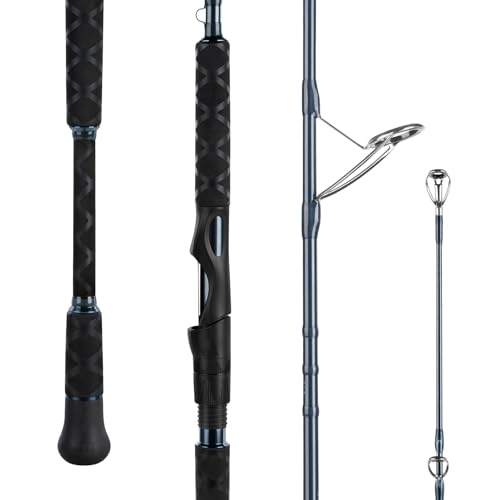
KastKing Rekon Saltwater Spinning Rod, 7'6", MH | 2-Piece Rod, KastFlex IM6 Carbon Graphite Blank, Zirconium Ceramic Guides,Graphite Reel Seat, Hook Keeper
One of the home product options compared in this guide.
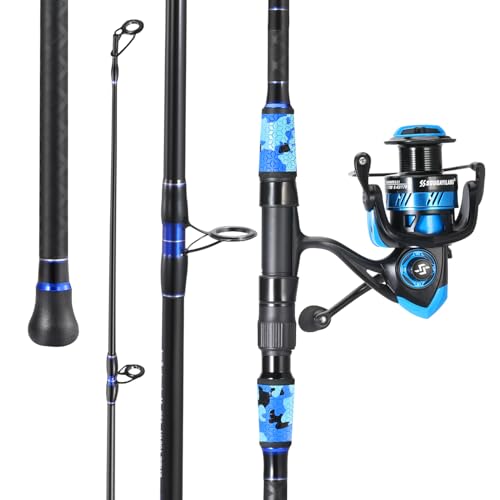
View on AmazonUgly Stik 7′ Complete Saltwater Spinning Combo
A ready-to-fish saltwater combo with a sturdy rod and reel for coastal anglers.

Ugly Stik 7’ Complete Saltwater Kit Fishing Rod and Reel Spinning Combo, Ugly Tech Construction with Clear Tip Design, 7’ Telescopic - 2-Piece Rod,Black
One of the home product options compared in this guide.
View on AmazonFrequently Asked Questions
What is the best time of day to fish a weed line?
Early morning and the last hours of light are usually strongest, because low light lets fish leave the safety of the stems and feed along the edges and over the top. Midday can still produce, but the fish hold tighter to the outside edge or deeper inside the cover, so slower presentations and shade matter more than covering water quickly.
Which lure should a beginner start with on a weed line?
A weedless soft plastic, such as a Texas-rigged worm or a weightless stick bait, is the most forgiving starting point. It can be cast to the inside edge, swum along the outside face, and dropped into pockets without constant fouling, and its slow fall draws bites from fish that are not chasing. Add a frog and a moving lure once the basic edge approach feels natural.
How do I stop my lure snagging in the weeds every cast?
Match the lure to the zone first: surface lures over mats, swimming lures counted down beside the outside edge, and compact rigs pitched into pockets rather than dragged through them. If a lure still fouls, raise the rod tip, slow the retrieve so it rides higher, or move one step lighter in weight. Constant fouling is a depth problem, not a casting problem.
Do weed lines hold fish all year, or only in summer?
Weed lines matter whenever living plants stand in the water, which in most lakes runs from spring growth through autumn die-back. In spring, fish use the first green growth on the inside edge. In summer, the full bed and its deep edge dominate. In autumn, the remaining green sections hold fish while dying, brown vegetation loses them, so target the greenest grass you can find late in the season.
FAQ
What is the best time of day to fish a weed line?
Which lure should a beginner start with on a weed line?
How do I stop my lure snagging in the weeds every cast?
Do weed lines hold fish all year, or only in summer?
More from Amazon
Programs that pair well with the guide above. Offers and eligibility are set by Amazon and may change.
Free shipping on eligible items, Prime Video and more. Eligible new members can start with a free trial.
Start a Prime free trialA Prime membership for ages 18-24 with a trial period. Eligibility is set by Amazon.
See Prime for Young AdultsAudiobooks and podcasts to listen to on the go. Eligible new members can start with a free trial.
Try Audible freeAd-free music streaming. Eligible new subscribers can start with a free trial.
Try Music Unlimited freeAs an Amazon Associate we earn from qualifying purchases.




Write Your Review
No reviews yet. Be the first to share your experience!