
Our Top Picks
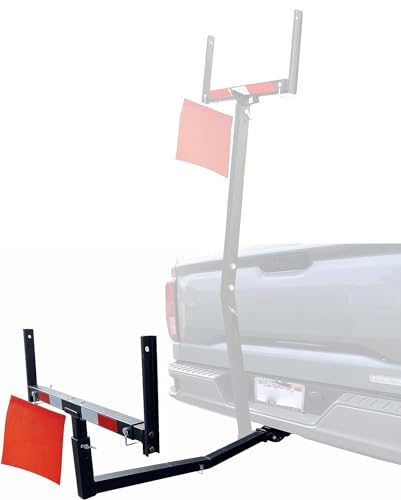 MaxxHaul 70231 Hitch Mount Pick Up Truck Bed37 x 19 x 3 inches37.01 x 19.02 x 2.99 inchesCheck on Amazon
As an Amazon Associate we earn from qualifying purchases.
A pickup bed looks like the easiest way to move a kayak, and often it is, but the difference between an easy trip and a damaged hull is decided before you drive away. The real questions are how much of the boat will hang past the tailgate, where its weight actually rests, and whether it can shift when you brake, climb a ramp, or cross a rough access road on the way to the water.
This guide is for anglers and paddlers carrying a single kayak or a pair in a short, standard, or long bed, with the tailgate down or up, and with or without a bed extender. It walks through measuring, loading, supporting, and securing the boat step by step, then covers the checks to make at the ramp and on the drive home, when a tired paddler is most likely to rush.
Before You Load Anything
Measure the kayak and the bed honestly
Start with two numbers: the kayak’s full length and the usable length of your bed with the tailgate down. Measure the bed from the front wall to the end of the lowered tailgate, not to the bumper, because that flat surface is what supports the hull. Then work out the overhang, which is the part of the kayak that will extend beyond that surface. A short recreational boat may sit mostly inside a long bed, while a long fishing kayak in a short bed can leave a substantial section unsupported behind the truck, and that difference drives every later decision about support and tie-downs.
Write the numbers down rather than estimating from the model name, since kayak lengths in a name do not always match the hull you own once a rudder or handle is included. Also note the kayak’s width at its widest point and its weight when empty. Width decides whether two boats can lie flat side by side or must be angled or stacked, and weight decides whether loading alone is realistic or whether you should plan to slide the boat in from the side, use a helper, or load it at a lower height with the tailgate down.
Decide between tailgate down and tailgate up
Carrying with the tailgate down gives you a longer, flatter support surface and is the usual choice for longer kayaks. The hull lies level, the load is lower, and sliding the boat in and out is easier on your back. Carrying with the tailgate up and the kayak angled over it shortens the combination and can suit a short boat in a longer bed, but it concentrates pressure where the hull crosses the top of the tailgate and lifts one end high, which makes securing it harder and raises the load into the wind.
Whichever you choose, protect the contact points. A bed liner, a rubber mat, or padding where the hull meets the tailgate edge reduces abrasion on both the boat and the truck during the small movements that happen on any road. Check the tailgate cables and hinges before you rely on the gate as part of the support surface, and clear the bed of loose tackle, fuel containers, and tools that could press into the hull or slide into it when you stop.
Know the overhang rules where you drive
Loads that extend beyond the back of a vehicle are regulated in many places, commonly with requirements for a visible flag or cloth at the end of the load during daylight and lights after dark, and with limits on how far a load may project. Those rules vary by state and country, so check the requirement for the roads you will actually use rather than relying on what other drivers at the ramp happen to do. As a working habit, mark the end of any kayak that extends well past the tailgate, keep the marking clean and securely attached so it does not blow off, and make sure the boat does not obscure your tail lights, indicators, or number plate.
Also think about length in practical terms. A long overhang swings wider when you turn, dips closer to the ground on steep ramp approaches and driveway entries, and is easier for another driver to misjudge in a car park. If the overhang is large relative to the bed, a bed extender that supports the hull further back is the safer answer than simply tying the boat harder.
Loading and Supporting the Hull
Load from the back and keep the hull supported
With the tailgate down, set the kayak on the ground behind the truck, lift the bow onto the tailgate edge, then walk to the stern and push the boat forward into the bed while keeping it level. This slide method avoids lifting the whole weight overhead and keeps control of the boat throughout. For a heavy fishing kayak, load it without the seat, drive unit, and loose gear where those parts are removable, then add them after the hull is positioned; a lighter hull is easier to place accurately and less likely to twist as you push.
Position the kayak so its flattest, strongest section rests on the bed floor and tailgate rather than balancing on a narrow keel line or a raised fitting. Most hulls travel best deck up or hull down according to their shape, but the governing rule is even support: avoid a setup where the middle is unsupported and both ends carry the load, which can deform a plastic hull, especially on a hot day. If the bed has ridges or a wheel arch intrudes, shift the boat so it is not rocking on a single high point, and add padding to fill a gap rather than strapping down harder to close it.
Use a bed extender when the overhang is long
A bed extender fits into the hitch receiver and adds a horizontal bar behind the tailgate, giving the overhanging section of the kayak a real support point. It helps most with long fishing kayaks in short beds, where a large share of the hull would otherwise cantilever into the air. Set the bar height so the kayak lies level across the bed floor, the tailgate, and the extender, with no step up or down between them. A boat that bends over a height mismatch is under stress for the whole journey.
Check the extender for play in the receiver before loading, since a bar that rocks will let the stern move at every bump. Pad the bar where the hull rests, and remember that the extender also lengthens your vehicle: allow for it when reversing toward a ramp, parking, or judging a gap in traffic. Remove loose pins or store them safely when the extender is off the truck, so the parts you need are still there next trip.
Carry two kayaks without crushing either hull
Two boats in one bed need a plan for width and contact. If both fit flat, separate them with padding so the hulls cannot rub, and secure each boat on its own rather than strapping the pair as one bundle that can loosen as a unit. If they must overlap or angle, put the heavier, flatter hull underneath and the lighter one on top with padding between them, and accept that loading order matters: the bottom boat comes out last at the ramp. Avoid stacking where the upper boat presses on a hatch, a seat mount, or a rod holder on the lower one, since those fittings were not designed to carry another kayak’s weight for hours on a warm road.
Securing the Kayak for the Road
Tie to the truck, not to the kayak’s handles
Carry handles and deck lines are for lifting and handling at the water, not for holding a boat against highway wind and braking forces. Run your straps or lines to solid anchor points on the truck itself, such as the bed tie-down points, the bed rails, or the extender bar. Place at least two straps across the hull, one toward the front of the bed and one toward the back, so the boat cannot slide forward under braking or lift at the stern when air gets under it.
Tighten until the kayak cannot shift when you push it firmly by hand, then stop. Overtightening across a narrow part of the hull can dent or deform plastic, particularly in heat, and a strap over a hatch can damage the seal. Route straps flat against the hull rather than twisted, keep buckles away from the hull surface or pad them, and tuck loose ends so they cannot flap, tangle in a wheel, or work the strap loose. Cam straps are easier to control than ratchet straps for this job because their tightening force is limited by your pull.
Add a bow or stern line for long loads
For a kayak with significant overhang, a line from the stern to the extender or a rear anchor point stops the back end drifting sideways, and a line at the front stops forward movement if a strap slips. These lines are stabilisers, not the main hold, so they should be snug rather than cranked tight. Recheck every strap and line after the first few minutes of driving, because loads settle as the hull finds its final position on the padding and the straps seat themselves. A short stop to check is far cheaper than a boat moving at speed.
Keep gear from becoming part of the load problem
Paddles, seats, crates, and tackle should be secured separately or carried in the cab, not left loose in the bed where they can slide into the hull or blow out. A paddle laid alongside the kayak needs its own tie, and anything with weight should sit low and forward. If the kayak has open hatches or a tank well, do not rely on them to contain loose items at road speed. Close hatch covers properly before strapping, since a strap across an open hatch can distort the rim and let the cover work free later.
Driving, Unloading, and the Trip Home
Drive like the load is longer than the truck
Allow extra distance for braking, take ramp approaches and speed bumps slowly so the overhang does not strike the ground, and be deliberate when reversing, because the end of the kayak is further back than your mirrors suggest. In a car park, choose a space you can leave forwards where possible. Crosswinds affect a light, long load, so slow down in gusts and after passing large vehicles. If you hear a new noise, feel a change, or see movement in the mirror, stop somewhere safe and check rather than assuming a strap is still doing its job.
Unload in the reverse order and inspect the hull
At the ramp, park where you are not blocking others, remove the stern and bow lines first, then the straps, and slide the kayak back out the way it went in, keeping control of the stern as it leaves the tailgate. Set it down on grass, sand, or a mat rather than dragging it across concrete, which wears the keel. Before launching, look over the hull where the straps and supports sat; a shallow crease that recovers is different from a crack, a split, or a deformed hatch rim, and finding damage at the ramp is better than discovering it on the water.
Secure it again for the drive home
The return trip is where most shortcuts happen. A wet kayak is heavier and more slippery, straps behave differently on a wet hull, and a tired paddler is tempted to reuse the morning’s arrangement without checking. Drain water from the hull, dry the contact areas if you can, and repeat the same loading and checking routine, including the stop after a few minutes to recheck tension. Rinse straps and padding that have picked up grit, since grit under a strap abrades the hull on the next trip, and store them dry so buckles and stitching last.
Common Mistakes
- Tying the kayak down by its carry handles instead of anchoring straps to solid points on the truck.
- Leaving a long overhang unsupported and trying to solve it by tightening the straps harder.
- Forgetting to mark the end of a load that extends well past the tailgate, or letting the boat hide the tail lights.
- Overtightening straps across a hatch or a narrow part of the hull until the plastic deforms in the heat.
- Skipping the recheck a few minutes into the drive, when the load has settled and straps have loosened.
Gear for Hauling a Kayak in a Truck Bed
A kayak is longer than most truck beds, so it helps to extend the load and secure it from several points.
MaxxHaul Hitch Mount Truck Bed Extender
A hitch-mounted extender that supports the rear of a kayak past the tailgate, with a flag-ready design for visibility.
MaxxHaul 70231 Hitch Mount Pick Up Truck Bed Extender For Ladder, Rack, Canoe, Kayak, Long Pipes and Lumber) , Black , 37 x 19 x 3 inches
Chosen because it lists an explicit depth/thickness.
View on AmazonCartman 1″ x 12 ft Lashing Straps, 6 Pack
Cam buckle straps that tighten by hand and are long enough to run over a kayak and around the bed rails.

Cartman 1" x 12 ft Lashing Straps, 6 Pack, 600 lb Break Strength, Black | Cam buckles, corrosion-resistant silver finish, and a carry bag for securing gear
One of the home product options compared in this guide.
View on AmazonTEANTECH Kayak Tie Down Straps Kit with Bow and Stern Loops
A kit with bow and stern tie-downs that keeps the front and rear of the boat from shifting at highway speeds.

Kayak Tie Down Straps Kit – Bow & Stern Loops, Heavy Duty Ratchet Straps | Anchor Points & Secure Tying Kit for Canoes, Kayaks, Paddleboards, and Watercraft
One of the home product options compared in this guide.
View on AmazonRhino USA Lashing Straps, 4-Pack
Heavy-duty cam buckle tie-downs with padded buckles designed to avoid marking the hull.

Rhino USA Lashing Straps (4-Pack) - Cam Buckle Tie Downs for Kayak, Cargo | 1,320lb Break Strength. 4 Heavy Duty 1in x 12ft Cam Buckle Pull Straps for Kayak, Roof Rack, Cooler & Cargo.
One of the home product options compared in this guide.
View on AmazonFrequently Asked Questions
Can I carry a kayak in a short bed truck?
Yes, provided the overhang is supported and secured properly. Measure the bed with the tailgate down, work out how much of the kayak will extend beyond it, and use a bed extender when that section is long or heavy. Anchor straps to the truck, add a stern line to stop sideways drift, mark the end of the load, and check the overhang rules for your area before travelling.
Should the tailgate be up or down?
Down is the more common and usually the better choice for longer kayaks, because it gives a longer, flatter, lower support surface and makes sliding the boat in easier. Up can work for a short kayak in a longer bed, but it concentrates pressure where the hull crosses the tailgate and raises the load. In either case, pad the contact points and make sure the hull is supported evenly along its length.
How tight should the straps be?
Tight enough that the kayak cannot move when you push it firmly by hand, and no tighter. Excess force can dent a plastic hull, damage a hatch seal, or distort the boat on a hot day. Use at least two straps anchored to the truck, keep them flat against the hull with buckles padded, and recheck the tension a few minutes into the journey once everything has settled into place.
Do I need a flag on the end of the kayak?
If the kayak extends well beyond the back of the truck, marking the end is commonly required and is sensible even where you are unsure of the exact rule, because other drivers judge a thin, low hull poorly. Requirements for the size, colour, and lighting of the marker vary by place, so check your local rules. Also make sure the load does not cover your lights or number plate.
FAQ
Can I carry a kayak in a short bed truck?
Should the tailgate be up or down?
How tight should the straps be?
Do I need a flag on the end of the kayak?
More from Amazon
Programs that pair well with the guide above. Offers and eligibility are set by Amazon and may change.
Free shipping on eligible items, Prime Video and more. Eligible new members can start with a free trial.
Start a Prime free trialA Prime membership for ages 18-24 with a trial period. Eligibility is set by Amazon.
See Prime for Young AdultsAudiobooks and podcasts to listen to on the go. Eligible new members can start with a free trial.
Try Audible freeAd-free music streaming. Eligible new subscribers can start with a free trial.
Try Music Unlimited freeAs an Amazon Associate we earn from qualifying purchases.




Write Your Review
No reviews yet. Be the first to share your experience!