
Our Top Picks
 NEW-Vi Universal Deluxe Detachable Kayak Seat Paddle Board1 Pack14.7 x 11.4 x 18 inches2.1 poundsCheck on Amazon
As an Amazon Associate we earn from qualifying purchases.
Your first hour in a kayak sets the tone for every trip after it. Done well, paddling feels rhythmic and calm, the boat glides with each stroke and the shore drifts past without effort. Done badly, the same hour is a sore-armed wrestle: the kayak zigzags, the paddle drips into your lap, and your shoulders ache. The difference is rarely strength. It is technique, a boat that fits, and a few safety habits learned before you leave the shore.
This guide is for first-time paddlers heading out on a calm lake, for renters wanting a steadier first outing, for families taking children out for the first time, and for anyone who has paddled once, struggled, and wants a better second trip. It covers the basic strokes step by step, the gear that actually matters for a beginner, and the safety habits that keep a pleasant day from turning into a problem, so you can launch with confidence and enjoy the water instead of fighting it.
The Basic Strokes Every Beginner Needs
The forward stroke is the one you will use most, so learn it first. Sit upright with your knees slightly bent and your feet on the foot pegs, and hold the paddle with your hands a little wider than shoulder width, knuckles on top and elbows relaxed. Plant the blade fully in the water near your toes, then pull it back alongside the kayak until it reaches your hip, keeping your arms fairly straight and rotating your torso to do the work. Lift the blade out at your hip and repeat on the other side. Power comes from twisting your core, not from pulling hard with your arms, which is why good paddlers finish a long day fresh while arm-paddlers finish exhausted.
Keep the blade close to the boat and your top hand at about eye height. A blade planted far from the hull pushes the kayak sideways instead of forwards, which is the main reason beginners zigzag across a lake. Short, even strokes on alternating sides keep the boat straight, and a steady rhythm beats fast, splashy digging every time. If water drips from the blade into your lap, your top hand is probably too high or your stroke is too long; shorten the stroke and let the blade exit at your hip.
Turning is the next skill, and the sweep stroke does it. To turn left, plant the right blade near the bow and sweep it out in a wide arc away from the boat until it reaches the stern, using your torso rotation to drive the arc. The wide arc spins the kayak toward the opposite side, so a right-side sweep turns the boat left. A few sweep strokes in a row turn the kayak sharply, while one gentle sweep makes a small course correction without losing speed. Practise sweeping on both sides in open water until turning feels as natural as going straight.
The reverse stroke stops the kayak and backs it up. Plant the blade behind your hip and push it forward toward the bow, again using your torso rather than your arms. Two or three reverse strokes bring a moving kayak to a stop, which is useful when you drift toward a dock, a branch or another paddler. The draw stroke moves the kayak sideways: reach the blade out to the side, plant it, and pull it toward the hull, which slides the boat toward the paddle. That sideways slide is handy for docking and for edging up to a bank to land.
Bracing is the skill that stops a capsize before it happens. When the kayak tips suddenly, slap the flat of the blade down onto the water on the tipping side and push down firmly while leaning your hips back toward centre. The flat blade acts like a platform on the water and gives you the split second needed to recover. Practise bracing in shallow water by leaning the kayak deliberately from side to side, and the reflex will be there when a wake or a gust catches you by surprise.
How to Choose
Paddle Length and Blade Shape
Paddle length depends on your height and on how wide your kayak is. A taller paddler in a wide recreational kayak needs a longer paddle, often 220 to 230 centimetres, so the blade reaches the water without forcing the top hand above the shoulder. A shorter paddler in a narrow kayak can use a 210-centimetre paddle and keep the stroke comfortable. Blade shape matters too: a wide blade gives strong power for short bursts but tires the arms, while a narrower blade suits long, relaxed days. For a first paddle, choose a mid-sized blade and a length that lets you plant the blade fully with your top hand near eye height.
A Life Jacket That Fits and Gets Worn
A personal flotation device is the single most important piece of kayaking gear, and it only works if it is worn, zipped and fitted. Choose a paddling-specific life jacket with large armholes that let you rotate freely, and try it on while sitting, since a jacket that feels fine standing can ride up around your chin in a seated paddling position. The fit is right when you cannot pull the jacket up over your ears after tightening the straps. Bright colours help other boaters see you. Wear it from the moment you launch until you are back on dry land, including on calm water close to shore, because most accidents happen in easy conditions.
A Stable Kayak for Learning
Your first kayak should forgive mistakes. A recreational kayak around 10 feet long and 30 inches wide is stable enough to let a beginner relax, learn the strokes and recover from a wobble without tipping. A sit-on-top model suits learning well, since getting on and off is easy and climbing back aboard after a capsize is simpler than in an enclosed cockpit. Avoid narrow touring kayaks for your first trips, because their speed is wasted on a paddler still learning to go straight, and their tippiness turns every small mistake into a swim. Stability first, speed later.
Clothing, Footwear and Weather
Dress for the water temperature, not the air temperature, because a capsize puts you in the water whatever the weather. In warm water, quick-dry clothes and a hat are enough; in cool water, add layers and consider a wetsuit, since cold water saps strength fast. Wear shoes that stay on in the water and protect your feet on rocky launches, not flip-flops that float away. Check the forecast before launching, and treat wind as seriously as rain: wind above 10 to 12 miles per hour makes paddling hard work for a beginner and can push a kayak away from shore faster than you can paddle back.
Which One Fits Your Situation
Your Very First Outing on a Calm Lake
For a first outing, pick a sheltered lake with a launch, no current and a shoreline you can follow. Rent or borrow a stable sit-on-top, wear your life jacket, and stay within a short paddle of the launch while you practise the forward stroke and some sweeps. Keep the trip under an hour, paddle into the wind so the return is easier, and bring water and sun protection. A short first trip builds confidence; an ambitious one builds dread.
Paddling With Children or Family
When children join, the pace and the plan change. Choose a tandem kayak, or a stable boat for the adults with children in their own kayaks close by, and keep everyone in fitted life jackets sized for their weight. Pick a short route in calm, shallow water near the shore, and teach the children the forward stroke and the brace as a game before launching. Stay close together, take frequent breaks, and head in while everyone is still having fun.
Trying a Gentle River
A slow river adds current, which changes things. Launch downstream of fast water, keep the kayak pointed with the current, and use sweep strokes early to steer around bends rather than reacting late. Stay away from strainers, the fallen trees that trap boats and paddlers, and never paddle a section you have not scouted from the bank or from local advice. Go with a partner on your first trip, and carry a whistle and a phone in a waterproof pouch.
Building Skill Over a Season
If you paddle regularly, progress comes from deliberate practice, not miles. Spend ten minutes of each outing on one skill: torso rotation one day, sweep turns the next, bracing the day after. Practise a wet exit and a re-entry in shallow, warm water with a friend nearby, so a capsize is a known event rather than a feared one. Over a season, those sessions add up to a paddler who handles wind, wakes and moving water without thinking twice.
Common Mistakes
- Paddling with the arms alone instead of rotating the torso, which exhausts the shoulders within an hour.
- Planting the blade far from the hull, which pushes the kayak sideways and causes constant zigzagging.
- Letting the stroke run past the hip, which wastes energy and drips water into the lap.
- Leaving the life jacket in the kayak instead of wearing it, so it is out of reach when it is needed.
- Paddling away from shore against a building wind, then discovering the return trip is twice as hard.
Beginner Kayak Gear That Helps You Paddle Comfortably
Comfort and control matter most in the first few outings. A reliable paddle, a supportive seat and a place to store the paddle make the day easier.
WONITAGO Adjustable Kayak Paddle
A lightweight adjustable paddle that suits newcomers while they work out the right length.

WONITAGO Kayak Paddle, Adjustable and Lightweight Kayaking Oar | for Kayaking, Boating and Canoeing, 3 Piece, 230-250 cm/90-98 in, Teal
One of the home product options compared in this guide.
View on AmazonPelican Kayak Paddle for Kids
A smaller paddle for young beginners learning the basics.
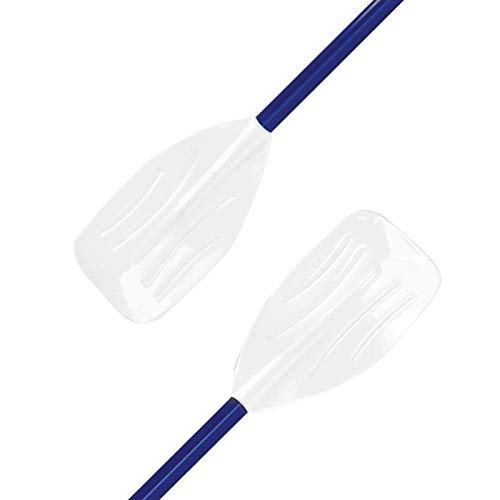
Pelican - Kayak Paddle for Kids - Blue & White - Perfect for The Small or First-Time Paddlers - Easy to Use - 152 cm (60 in.)
One of the home product options compared in this guide.
View on AmazonNEW-Vi Universal Deluxe Detachable Kayak Seat
A padded seat with back support that reduces fatigue on longer sessions.
NEW-Vi Universal Deluxe Detachable Kayak Seat Paddle Board Seat Canoe Seat Kayak Seats with Back Support, 4 Adjustable Straps High Back Support, Form-Fitting for Kayaks SUP Fishing Boat Rowboat
One of the home product options compared in this guide.
View on AmazonYakAttack PadLoc Paddle Holder
A simple mount that holds the paddle while you rest, snack or take photos.
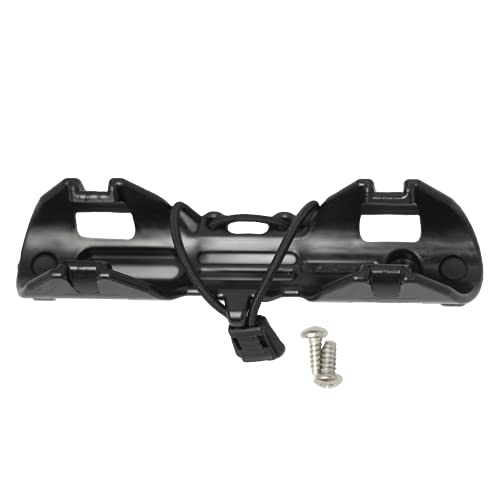
YakAttack PadLoc Paddle Holder, 2-Screw Universal Kayak Mount | Two Points of Contact | Quiet Secure Grip | Fits Standard Paddle & Oar Shafts | Compact Deck Storage
One of the home product options compared in this guide.
View on AmazonFrequently Asked Questions
Do I need lessons before my first kayak trip?
Lessons are not required for a calm lake outing, but one short introductory session saves hours of bad habits. An instructor can correct your forward stroke, show you bracing, and walk you through a wet exit in a safe setting. If lessons are not available, practise the strokes in shallow water near the launch before heading out, and paddle with an experienced friend on your first trip.
What should I wear for kayaking?
Wear quick-dry clothing suited to the water temperature, shoes that stay on your feet, a hat and sunscreen. In cool water, add insulating layers or a wetsuit, since cold water drains strength quickly. Avoid cotton, which stays wet and cold, and avoid loose clothing that can snag on the kayak. Keep a dry set of clothes in the car for the drive home.
How do I get back into a kayak if I capsize?
For a sit-on-top, swim to the side, kick hard, and pull your chest across the deck, then swing your legs aboard. For a sit-inside kayak, swim it to shallow water, empty it, and climb back in from the shore. Practise re-entry in warm, shallow water with a friend before you need it, and always wear your life jacket, which makes the whole process far easier.
How far can a beginner paddle in a day?
Most beginners are comfortable covering two to four miles in a couple of hours with breaks, at a relaxed pace of about two miles per hour. Wind, current and chop all reduce that distance, and the return trip usually feels longer than the way out. Plan a short first trip, keep the shoreline close, and turn back while you still have energy in reserve.
FAQ
Do I need lessons before my first kayak trip?
What should I wear for kayaking?
How do I get back into a kayak if I capsize?
How far can a beginner paddle in a day?
More from Amazon
Programs that pair well with the guide above. Offers and eligibility are set by Amazon and may change.
Free shipping on eligible items, Prime Video and more. Eligible new members can start with a free trial.
Start a Prime free trialA Prime membership for ages 18-24 with a trial period. Eligibility is set by Amazon.
See Prime for Young AdultsAudiobooks and podcasts to listen to on the go. Eligible new members can start with a free trial.
Try Audible freeAd-free music streaming. Eligible new subscribers can start with a free trial.
Try Music Unlimited freeAs an Amazon Associate we earn from qualifying purchases.




Write Your Review
No reviews yet. Be the first to share your experience!