
Our Top Picks
Pros & cons
- Sized and styled specifically for young anglers
- PVD-coated guides resist corrosion and reduce line fray
- Backed by a ten year warranty
- 6 to 12 pound line weight limits it to smaller fish
- Compact 5.5 foot length limits casting distance versus longer rods
Pros & cons
- Rust-proof brass latch keeps the box secure near water
- Adjustable dividers let you customize the tray layout
- Top-access tray puts frequently used lures within easy reach
- Two-tray layout offers less capacity than larger multi-tray boxes
- 12.8 x 6.5 x 7.5 inch size still needs storage room
As an Amazon Associate, we earn from qualifying purchases.
Colorado is famous for trout, but anglers who look past the mountain streams find a bass fishery far better than most people expect. Warm-water reservoirs along the Front Range, foothill lakes with rocky smallmouth habitat, and slow rivers winding through the plains all hold largemouth and smallmouth bass. The trick is knowing where to go, when to go, and how each water fishes differently.
This guide covers the best spots for Colorado bass fishing, organized by region and species, along with the seasons, techniques, and regulations that matter most. Whether you are planning a weekend trip from Denver or a road trip across the state, these are the waters that consistently produce bass.
Why Colorado Bass Fishing Surprises People
Most visitors associate Colorado with cold, clear trout streams, and that reputation is well earned. But the eastern half of the state sits at lower elevation, where summers are hot and reservoirs warm up enough to support strong warm-water fisheries. Irrigation reservoirs, state park lakes, and river impoundments create thousands of acres of bass habitat within an easy drive of the Front Range cities.
Largemouth bass dominate the warmer, weedier reservoirs, thriving in shallow coves, around submerged timber, and along weed edges where they can ambush prey. Smallmouth bass prefer cooler, rockier water and are common in foothill reservoirs and in rivers like the South Platte. Both species are present in several lakes on this list, which makes many Colorado waters genuine two-species fisheries.
Largemouth vs Smallmouth in Colorado
Largemouth bass prefer warmer water and relate to cover: weed beds, flooded brush, docks, and laydowns. They are ambush predators that strike hard and fight with powerful runs and jumps. The best largemouth waters in Colorado are the lower-elevation reservoirs on the Front Range and the eastern plains.
Smallmouth bass tolerate cooler water and prefer rocky structure: points, riprap, boulder fields, and gravel flats. They are famous for their fighting ability, and a two-pound smallmouth on light tackle can feel like a much bigger fish. In Colorado, smallmouth show up in foothill reservoirs, in the South Platte River, and in several western-slope waters.
Many anglers target both species on the same trip, especially at reservoirs like Pueblo, Chatfield, and Horsetooth. Fishing the weeds and coves for largemouth in the morning, then switching to rocky points for smallmouth in the afternoon, is a classic Colorado pattern.
Pueblo Reservoir: The State’s Premier Bass Fishery
Pueblo Reservoir, inside Pueblo State Park in southeastern Colorado, is widely regarded as the best all-around bass fishery in the state. The lake covers more than 4,500 surface acres and holds healthy populations of both largemouth and smallmouth bass, along with walleye, crappie, and channel catfish.
What makes Pueblo special is its variety. The upper end has shallow, brushy arms where largemouth hide in cover. The main lake has rocky points and bluffs that hold smallmouth. Spring is prime: as water temperatures climb into the 50s and 60s, bass move shallow to spawn, and topwater lures at dawn, soft plastics around brush, and crankbaits along rocky banks all produce. Fall brings another strong bite as bass feed heavily before winter.
Access is excellent, with multiple boat ramps, campgrounds, and miles of shoreline. Note that Pueblo has a 15-inch minimum length limit for bass, so check the current regulations before keeping any fish.
Chatfield Reservoir: Denver’s Close-To-Home Bass Lake
Chatfield Reservoir sits just southwest of Denver in Chatfield State Park, making it one of the most accessible bass fisheries in the state. Despite heavy pressure from being near a major city, Chatfield produces quality largemouth and smallmouth year after year.
The lake is known for its rocky points and gravel flats, which are classic smallmouth habitat. The south end has shallower, weedier water where largemouth hold. Chatfield rewards anglers who fish it like a smallmouth lake: tubes, Ned rigs, drop shots, and jerkbaits worked along rock. But don’t ignore the largemouth: spinnerbaits and chatterbaits around the weed edges, and topwater frogs in the slop during summer, catch big fish many anglers overlook.
The park offers boat ramps, a marina, and extensive shoreline access. Early mornings and weekday evenings are the best times to beat the crowds. Chatfield also has a 15-inch minimum for bass.
Cherry Creek Reservoir: A Front Range Favorite
Cherry Creek Reservoir, inside Cherry Creek State Park in southeast Denver, is another urban fishery that punches above its weight. It holds a strong largemouth population, and its numerous coves, submerged structure, and weed beds give bass plenty of ambush points.
Cherry Creek fishes best in spring and fall. In spring, bass move into the coves and around the marina to spawn, and the shallow water warms quickly. In fall, shad move shallow and bass follow them, creating excellent topwater and crankbait opportunities. Summer fishing is best early in the morning and in the evening.
Bank access is a strong point here. The park has trails around much of the shoreline, plus several fishing piers and accessible spots, so it is easy to fish without a boat. Like Chatfield, Cherry Creek has a 15-inch minimum length limit for bass.
Horsetooth Reservoir: Smallmouth Country
Horsetooth Reservoir, west of Fort Collins, is one of Colorado’s best smallmouth fisheries. The long, narrow reservoir sits in a foothill valley, and its steep rocky shorelines, submerged points, and clear water are ideal smallmouth habitat. Largemouth are present too, but smallmouth are the stars here.
Horsetooth smallmouth are known for their size and their fight. Tube jigs, Ned rigs, drop shots, and small crankbaits are the go-to presentations. In low light, topwater lures worked over rocky points can produce explosive strikes. Spring and fall are the best seasons: in spring, smallmouth move onto gravel flats and rocky shelves to spawn, and in fall they feed aggressively on crayfish and baitfish along the points.
The reservoir has several boat ramps and campgrounds, though shore access is more limited because of the steep terrain. Smallmouth at Horsetooth have a 12-inch minimum length limit, which differs from the Front Range lakes, so be sure to know the rule before you fish.
Boyd Lake State Park: Loveland’s Largemouth Lake
Boyd Lake, near Loveland in northern Colorado, is a reliable largemouth fishery with a healthy population and good access. The lake’s shallows, marina area, and weed beds hold largemouth through the season, and it also produces walleye, white bass, and crappie.
Boyd fishes well in spring when bass move into the shallows around the marina and the inlet. Soft plastics, spinnerbaits, and squarebill crankbaits are effective. Summer fishing concentrates around weed edges and deeper holes, while fall brings a strong shallow bite as water temperatures drop.
Boyd Lake State Park has a boat ramp, campgrounds, and shoreline trails. It is a popular family destination in summer, so early mornings are the best bet for bass anglers who want the water to themselves. Boyd has a 15-inch minimum length limit for bass.
Aurora Reservoir: Clear Water and Big Bass
Aurora Reservoir, east of Denver, is one of the clearest reservoirs on the Front Range, and its clear water grows healthy largemouth and smallmouth. Because the water is clear, bass here can be spooky, so long casts, fluorocarbon line, and natural-colored lures help. Drop shots, Ned rigs, and finesse worms are staples, and sight fishing is possible in the shallow coves in spring.
Aurora Reservoir has a boat ramp and shoreline access, but note that the lake has specific rules, including motor restrictions and seasonal limits. Check the current Aurora Parks rules before your trip. The reservoir is managed as a drinking-water supply, so access rules are stricter than at state park lakes.
Quincy Reservoir: A Quiet Bass Haven
Quincy Reservoir, also in Aurora, is a smaller, quieter lake that local bass anglers prize. It is managed as a trophy bass fishery, with electric motors only and a more limited access schedule than the bigger reservoirs. The result is less pressure and a population of largemouth that sees fewer lures.
Quincy is an artificial-lure-only water in many seasons, with special regulations designed to grow big bass. Its weed beds, coves, and submerged structure hold fish that can be caught on topwater lures, soft plastics, and flies. Because Quincy is smaller, it fishes more like a large pond than a reservoir, and careful, quiet presentations pay off.
Check the current access schedule and regulations before visiting, as Quincy has seasonal hours and specific rules that change from year to year. For anglers willing to plan around them, it offers some of the most rewarding bass fishing near Denver.
Rifle Gap and Navajo Reservoirs: Western Slope Options
Rifle Gap Reservoir, near Rifle in western Colorado, is a western-slope fishery that deserves more attention. The lake holds smallmouth bass, along with walleye, yellow perch, and trout. Its rocky points and clear water make it a strong smallmouth lake. Rifle Gap fishes best from late spring through fall, with tubes, Ned rigs, and crankbaits all effective. Rifle Gap State Park offers camping and boat access, and it is a good stop on a western Colorado fishing road trip.
Navajo Reservoir straddles the Colorado and New Mexico border and is one of the largest bass waters in Colorado, with more than 15,000 surface acres. The Colorado side offers smallmouth and largemouth fishing, along with crappie, northern pike, and kokanee salmon. Navajo is big water, so a boat is almost essential. Spring and fall are the prime seasons, with bass moving shallow to spawn in spring and feeding heavily along points in fall. Navajo State Park on the Colorado side has campgrounds and a boat ramp.
The South Platte River: River Smallmouth
For anglers who prefer moving water, the South Platte River offers some of the best river smallmouth fishing in Colorado. The sections below Deckers and through Waterton Canyon are the most famous, but smallmouth are found in the river and its tributaries across the Front Range and the plains.
River smallmouth hold in current breaks, behind boulders, in deep pools, and along undercut banks. Small crankbaits, tube jigs, and streamers fished on light tackle are effective. Wading is possible in many sections, and the river offers a more active style of fishing than sitting in a boat on a reservoir. The South Platte also holds trout, so anglers often catch both species in a single day.
Be aware that river flows change with releases from upstream reservoirs, and high water can make wading dangerous. Check flows before you go, and fish with a partner when wading unfamiliar water.
Best Seasons for Colorado Bass Fishing
Spring is the most popular bass season in Colorado. As ice comes off the reservoirs, usually in March and April at lower elevations, bass move shallow to feed and then to spawn. Water temperatures in the 50s and 60s trigger the spawn, and this is when the biggest fish of the year are most catchable. Sight fishing, topwater lures, and soft plastics around shallow cover are all effective.
Summer brings a shift to deeper water during the heat of the day, but the early morning and evening bites remain strong. Topwater lures at dawn, especially over weed beds and around points, can produce memorable action. Night fishing is also productive on some waters in midsummer.
Fall is many experienced Colorado bass anglers’ favorite season. Cooling water triggers a feeding binge as bass build reserves for winter. Shad and other baitfish move shallow, and bass follow them. Crankbaits, spinnerbaits, and topwater lures all work well, and the crowds thin out after Labor Day.
Techniques That Work in Colorado
Because Colorado bass waters range from clear foothill reservoirs to stained plains lakes, a versatile approach works best. Finesse presentations like Ned rigs, drop shots, and tube jigs are the backbone of Colorado bass fishing, especially in the clear water of Horsetooth, Aurora, and Chatfield. These techniques catch both largemouth and smallmouth, and they work all season.
Power fishing has its place too. Spinnerbaits, chatterbaits, and squarebill crankbaits cover water quickly and trigger reaction strikes, especially in spring and fall when bass are active. Topwater lures, including poppers, walking baits, and frogs, are at their best during low-light periods and in the warm months.
Soft plastics are the most versatile tool in the Colorado bass angler’s kit. Senko-style stick baits, creature baits, and craw imitations fished around cover catch fish in every reservoir on this list. Matching the local forage matters: crayfish patterns are deadly for smallmouth, while shad patterns work well where bass feed on shad.
Regulations and Licensing
Colorado bass fishing is regulated by Colorado Parks and Wildlife, known as CPW. A valid Colorado fishing license is required for anyone 16 or older. Licenses are available online, at CPW offices, and at many sporting goods stores.
Statewide, the daily bag limit for bass is five fish in aggregate, meaning largemouth, smallmouth, and spotted bass combined. However, many waters have special regulations. Boyd, Chatfield, Cherry Creek, and Pueblo reservoirs have a 15-inch minimum length limit for bass. Horsetooth Reservoir has a 12-inch minimum for smallmouth. Quincy Reservoir has special trophy regulations. These are examples, not a complete list, so always check the current CPW fishing brochure or the CPW website for the water you plan to fish.
Regulations can change from year to year, and some waters have seasonal closures or special rules. A few minutes checking the current rules before your trip can save you a fine and help protect the fishery.
Planning Your Colorado Bass Fishing Trip
The best Colorado bass fishing trips start with a simple plan: pick a region, pick a primary water, and have a backup. Front Range reservoirs like Pueblo, Chatfield, and Cherry Creek are easy day trips from Denver, Colorado Springs, and Fort Collins. Western slope waters like Rifle Gap and Navajo reward a longer road trip. Southern waters like Trinidad Lake pair well with a visit to the San Luis Valley.
State parks are the backbone of Colorado bass fishing access. Pueblo, Chatfield, Cherry Creek, Boyd Lake, Trinidad Lake, Jackson Lake, and Navajo all have state park facilities with boat ramps, campgrounds, and shoreline access. A Colorado state parks pass is required for vehicle entry.
Timing matters as much as location. Spring and fall offer the best fishing and the fewest crowds. Summer weekends at the Front Range reservoirs are busy, so plan early starts or weekday trips. If you are visiting from out of state, late May and June offer a good balance of warm weather, active fish, and long days.
Always carry the safety gear the law requires, including a life jacket for every person aboard, and check the weather before you launch. Colorado mountain weather changes fast, and afternoon thunderstorms are common in summer. Getting off the water before a storm arrives is a basic safety rule every Colorado angler learns early.
Catch and Release and Bass Conservation
Colorado’s bass fisheries benefit when anglers practice catch and release, especially for larger fish. The 15-inch minimum limits at the Front Range reservoirs are designed to protect younger fish, but releasing big bass helps maintain the trophy potential of these waters. A quick photo, careful handling with wet hands, and a fast release give the fish the best chance to survive.
Barbless hooks or pinched barbs make release easier and reduce handling time. If you do keep fish for the table, follow the size and bag limits for that water, and keep only what you will use. Bass are a valuable sport fish in Colorado, and the fisheries depend on anglers treating them with respect.
Bass Gear for Colorado Waters
A versatile rod and reel, a box of proven baits and somewhere to keep them is enough to start catching bass.
KastKing Spartacus II Spinning Fishing Combo, 6’8″ ML
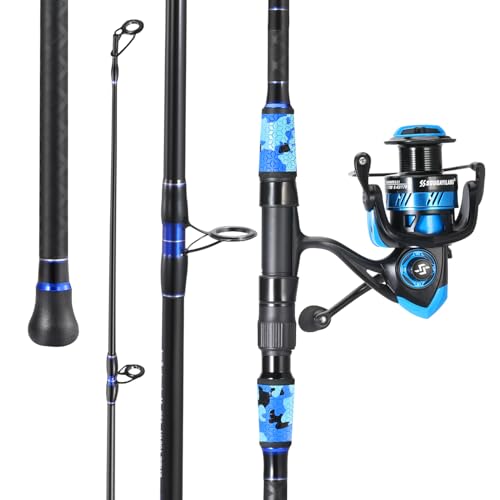
A balanced spinning combo for casting soft plastics and small crankbaits.

KastKing Spartacus II Spinning Fishing Combo,6'8" ML,2000 | 2-Piece Rods with Extra Tip, Spinning & Casting Combo, KastFlex IM6 Graphite Blanks, Fishing Poles and Reels Combo
One of the home product options compared in this guide.
View on AmazonUgly Stik GX2 Spinning Combo, 6′
A durable, forgiving combo that handles shoreline casting.

Ugly Stik GX2 Spinning Reel and 6' Fishing Rod Combo, 2-Piece, Graphite and Fiberglass Rod with Clear Tip Design
One of the home product options compared in this guide.
View on AmazonFONMANG 322-Piece Fishing Lures Kit
A large assortment of bass lures including spinnerbaits and frogs.
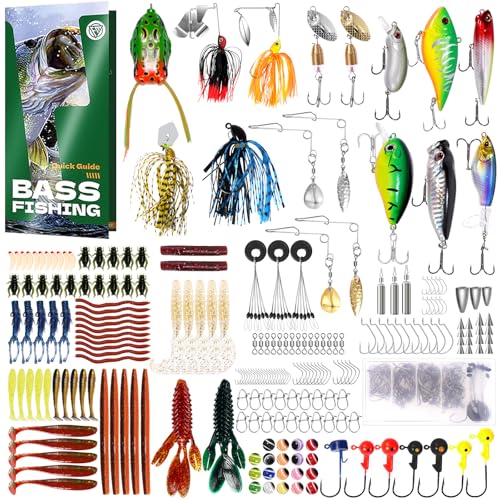
FONMANG 322-Piece Fishing Lures Kit - Buzz Bait/Spinner Baits/Jig/Frog, Fishing Tackle Box with Tackle Included, Soft Bait/Hooks/Weights, Fishing Gear Lure Kit Gift for Men Freshwater Bass Trout
One of the home product options compared in this guide.
View on AmazonPlano Two-Tray Tackle Box
A compact top-access box that keeps hooks and lures organized.

Plano Two-Tray Tackle Box, Green/Tan, Rust-Proof Brass Latch, Top-Access Tray with Deep Storage, Made in the USA, Portable Fishing Gear Storage Organizer
One of the home product options compared in this guide.
View on AmazonFrequently Asked Questions
Where is the best place to catch bass in Colorado? Pueblo Reservoir is the most consistent all-around bass fishery, with both largemouth and smallmouth and excellent access. Chatfield and Cherry Creek are the best options close to Denver, and Horsetooth is the top choice for smallmouth specialists.
When is the best time to fish for bass in Colorado? Spring, from ice-out through June, is the prime season, with the spawn bringing big fish shallow. Fall is a close second, with aggressive feeding as water cools. Early mornings and evenings are the best times of day in summer.
Do you need a boat to catch bass in Colorado? No. Many of the best spots, including Cherry Creek, Chatfield, Pueblo, and Boyd Lake, have extensive shoreline access, fishing piers, and trails. A boat helps on large reservoirs like Navajo and Pueblo, but bank anglers catch plenty of bass, especially in spring.
What is the bass limit in Colorado? The statewide daily limit is five bass in aggregate, but many waters have special size limits. Boyd, Chatfield, Cherry Creek, and Pueblo have a 15-inch minimum, and Horsetooth smallmouth have a 12-inch minimum. Always check the current CPW regulations for the specific water you are fishing.
Can you catch both largemouth and smallmouth bass in Colorado? Yes. Several reservoirs, including Pueblo, Chatfield, Cherry Creek, and Horsetooth, hold both species. Largemouth favor the warmer, weedier areas, while smallmouth prefer rocky structure, so fishing different parts of the same lake can produce both species in one day.
More from Amazon
Programs that pair well with the guide above. Offers and eligibility are set by Amazon and may change.
Free shipping on eligible items, Prime Video and more. Eligible new members can start with a free trial.
Start a Prime free trialA Prime membership for ages 18-24 with a trial period. Eligibility is set by Amazon.
See Prime for Young AdultsAudiobooks and podcasts to listen to on the go. Eligible new members can start with a free trial.
Try Audible freeAd-free music streaming. Eligible new subscribers can start with a free trial.
Try Music Unlimited freeAs an Amazon Associate we earn from qualifying purchases.



Write Your Review
No reviews yet. Be the first to share your experience!