
Choosing between braided line and fluorocarbon for a spinning reel is less about finding one universal winner and more about matching the line to how, where, and how often you fish. Braid offers long casting distance, excellent sensitivity, and a small diameter for its stated strength. Fluorocarbon is harder for fish to see underwater, sinks more readily, and resists abrasion well around rocks, docks, and cover.
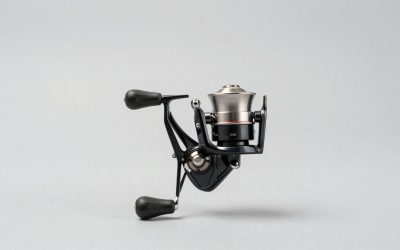
The real buyer decision is usually practical: Do you want a line that stays on your reel for multiple seasons and makes casting easier, or do you prioritize a more discreet presentation for clear-water fish? Your reel, storage habits, household budget, and the waters you visit all matter. A compact spinning reel such as the Daiwa Crossfire LT or a premium option such as the Abu Garcia Revo 3 X can use either line effectively, but line choice changes the overall feel of the setup.
Our top picks
 Berkley Trilene Big Game Braided Fishing Line
- Material: Blend
- Fishing Line Type: Braided
- Line Weight: 30
Thin diameter keeps strength high relative to its size
Zero stretch build boosts sensitivity to bites
Abrasion-resistant weave slices through heavy vegetation
Lo-Vis green color may show up in very clear water
Braided texture needs specific knots to hold securely
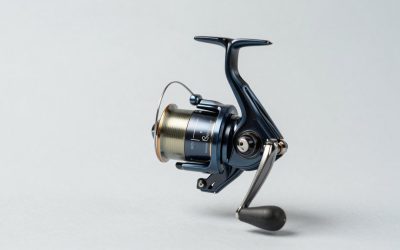
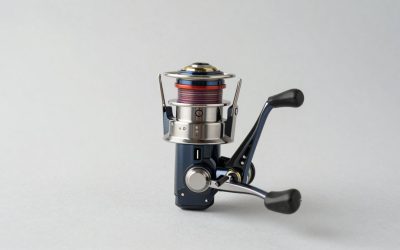
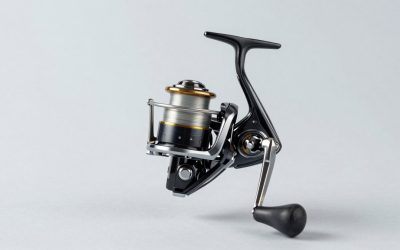
 Daiwa Crossfire LT Spinning Reel
- Hand Orientation: Ambidextrous
- Material: Metal
- Fishing Technique: Spinning
| Product | Key specs | |
|---|---|---|
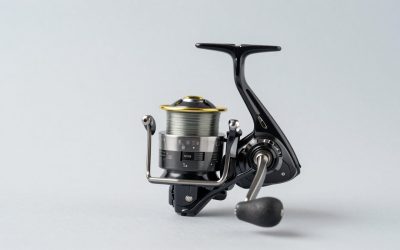
 KastKing Superpower Braided Fishing Line KastKing Superpower Braided Fishing Line | Check price | |
| Berkley Trilene Big Game Braided Fishing Line | Material: Blend Fishing Line Type: Braided Line Weight: 30 | Check price |
| Daiwa Crossfire LT Spinning Reel | Hand Orientation: Ambidextrous Material: Metal Fishing Technique: Spinning | Check price |
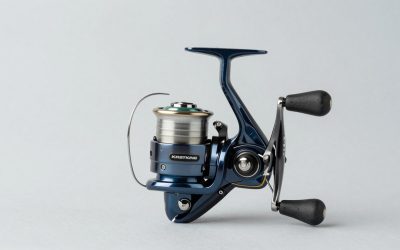
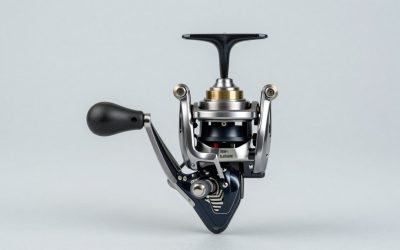
 Abu Garcia Revo 3 X Spinning Fishing Abu Garcia Revo 3 X Spinning Fishing | Check price |
As an Amazon Associate we earn from qualifying purchases at no extra cost to you.
Quick Verdict
Choose braided line if you want maximum casting distance, immediate bite detection, a thinner line diameter, and better long-term value. It is especially useful for anglers fishing from shore, covering open water, or using heavier lures.
Choose fluorocarbon if you fish clear water, work lures slowly near the bottom, or need added abrasion resistance around rocks, mussels, dock pilings, and brush. For many spinning-reel users, the most balanced approach is braid as the main line with a fluorocarbon leader.
In 2026, that braid-and-leader combination remains the most versatile choice for a home tackle setup because it reduces full-spool replacement costs while giving you a nearly invisible section near the lure.
Side by Side
| Factor | Braided Line | Fluorocarbon Line |
|---|---|---|
| Comfort and handling | Soft, limp, and easy to cast; can dig into itself under heavy tension. | Stiffer, with more line memory; may form coils on smaller spinning spools. |
| Durability | Often lasts 2 to 5 years when protected from sun and regularly inspected. | Usually needs replacement sooner, commonly every 1 to 2 seasons as main line. |
| Typical price range | About $10 to $35 for 150 to 330 yards, depending on strength and brand. | About $12 to $30 for 200 to 300 yards; premium formulas can cost more. |
| Maintenance | Check for fraying, faded sections, and wind knots; rinse after saltwater use. | Check frequently for nicks and coils; replace damaged sections promptly. |
| Space needed at home | One 4 x 4 x 2-inch spool fits easily in a small tackle box or drawer. | Similar package size, but anglers often keep several leader strengths on hand. |
| Look in the water | More visible, even in gray, green, or moss shades. | Low visibility underwater, especially in clear lakes and rivers. |
| Resale and reuse value | Can be stripped, reversed on the spool, and reused if it remains undamaged. | Little reuse value once removed; age and abrasion are harder to judge. |
| Stretch and sensitivity | Very low stretch, producing fast hooksets and strong bottom-contact feedback. | More stretch than braid, but still less than traditional nylon monofilament. |
| Best for | Long casts, topwater, vegetation, deep water, and general-purpose setups. | Clear water, finesse rigs, bottom baits, and abrasive structure. |
Where Braided Line Wins
Braided line is made from tightly woven synthetic fibers, giving it a very thin diameter compared with fluorocarbon of the same pound test. For example, 10-pound braid can be close in diameter to 2- to 4-pound fluorocarbon or monofilament, depending on the manufacturer. That smaller diameter lets more line fit on a spinning reel spool and helps lighter lures travel farther.
This matters for apartment dwellers and casual anglers who want one compact rod-and-reel setup to cover many outings. A 150-yard spool of 10-pound braid, such as KastKing Superpower Braided Fishing Line in gray at $10.99, can be enough to fill a smaller 1000- or 2000-size spinning reel, although adding inexpensive backing first can reduce the amount of braid required.
Braid also excels at sensitivity. Because it has very little stretch, you can feel a jig touch gravel, detect a light bite, or notice when a lure has picked up vegetation. That direct feel is valuable when fishing from a bank where the line may run 30 to 60 yards from rod tip to lure.
Durability is another meaningful advantage. Braid does not develop the same coiling memory as fluorocarbon, and it can remain usable for years when stored away from direct sunlight. A 30-pound option such as Berkley Trilene Big Game Braided Fishing Line, sold in a 330-yard lo-vis green spool for $19.74, makes sense for larger reels, heavier cover, or anglers who want extra line for repeated respooling and leader changes.
The tradeoff is visibility. Fish in clear, pressured water can notice braid, particularly when a lure is moving slowly. Braid also has limited resistance to sharp rock edges and zebra mussels. It is strong, but its fibers can fray. For that reason, many anglers tie 2 to 8 feet of fluorocarbon leader to the end of their braid.
Where Fluorocarbon for Spinning Reels Wins
Fluorocarbon wins when presentation is more important than maximum casting ease. Its refractive properties make it less visible underwater than braid, which can be helpful in clear reservoirs, spring-fed rivers, and heavily fished neighborhood ponds. It also sinks, so it helps soft plastics, small jigs, and bottom-oriented lures get down without creating as much floating line on the surface.
It is particularly useful around hard cover. Rocks, shell beds, concrete edges, submerged timber, and dock posts can all damage line. Fluorocarbon is not indestructible, but it generally withstands repeated rubbing better than braid. If you fish a drop-shot, shaky head, Ned rig, or small tube along the bottom, a 6- to 10-pound fluorocarbon leader is a practical starting range. For larger bass, pike-free lake fishing, or heavier cover, 12- to 17-pound leader may be appropriate.
Using fluorocarbon as the entire main line on a spinning reel can work, but it requires attention. The thicker and stiffer the line, the more likely it is to spring off a spool in loops. On a small reel, avoid overfilling: leave about 1/16 inch between the line and the spool lip. A 2500-size spinning reel is usually more forgiving than a tiny 1000-size reel for 8- to 12-pound fluorocarbon.
Fluorocarbon’s drawbacks are mostly about convenience. It costs more to replace frequently, can develop line memory, and should be checked carefully after fishing rough cover. For a simple household fishing kit, it is often more sensible to keep one or two small fluorocarbon leader spools instead of maintaining several reels fully loaded with fluorocarbon.
Cost Over 5 Years
Initial price does not tell the whole story. A full spool of fluorocarbon may cost $15 to $30, while braid often costs $10 to $35. Yet braid can remain on a reel much longer. For a moderate recreational angler fishing 10 to 20 days per year, a $20 braid spool may last 3 to 5 years. Add one or two $15 fluorocarbon leader spools over that period, and the total line cost may land around $35 to $50.
Running fluorocarbon as a full main line may require replacing it every year or two. Over five years, that can mean three to five $15 to $25 purchases, or roughly $45 to $125. Costs stay lower if you use smaller reels and lighter line, but rise when you fill larger spools or replace line after frequent snagging.
A budget-conscious middle ground is backing plus braid. Use 20 to 40 yards of inexpensive monofilament backing, then add 75 to 120 yards of braid on top. This is enough usable braid for most freshwater spinning applications and avoids burying an expensive full spool beneath line you will never cast out.
Which One for Your Home
Small apartment
Choose braid with a small fluorocarbon leader. It keeps your fishing supplies compact: one reel, one main-line spool, and perhaps two leader spools in 6- and 10-pound test can fit in a 12 x 8-inch tackle bag. Braid’s longer service life also means fewer replacement spools taking up drawer or closet space.
Family with kids or pets
Braid is usually the easier main line to manage because it is less prone to loose coils than fluorocarbon. Still, keep all spools, loose leaders, hooks, and lures inside a latched tackle box. Neither line should be left on floors, patios, or garage benches: thin fishing line can tangle around pet paws, toys, vacuum brushes, and lawn equipment.
Rental
A braid-and-leader setup suits renters who want flexible gear without building a large collection. Pair a 2000- or 2500-size spinning reel with 10-pound braid and carry fluorocarbon leaders in 6-, 8-, and 12-pound strengths. You can adapt to clear ponds, public docks, or weekend trips without buying separate full spools for every situation.
Long-term home
If you have a garage, shed, or dedicated gear cabinet, keeping several setups becomes more reasonable. Use braid on all-purpose reels for shore fishing and reserve a fluorocarbon-main-line reel for clear-water finesse fishing if you prefer its sinking behavior. Store spare line in a cool, dry cabinet rather than a hot vehicle or sunny windowsill. A reel like the lightweight Daiwa Crossfire LT is a sensible everyday platform, while an Abu Garcia Revo 3 X may justify more carefully matched line and leader choices for frequent anglers.
FAQ
Can I put fluorocarbon directly on a spinning reel?
Yes. Use a quality line designed for spinning reels, avoid overfilling the spool, and close the bail by hand after each cast. For easier handling, 4- to 8-pound fluorocarbon is generally more manageable than heavier tests on small reels.
Is braid better than fluorocarbon for beginners?
Braid is often easier for beginners to cast and feel, but a fluorocarbon leader adds versatility. A practical beginner setup is 10-pound braid with a 6- to 10-pound fluorocarbon leader about 3 to 6 feet long.
How often should I replace braided line?
Inspect it before each trip and cut back any faded, fuzzy, or damaged section. With regular freshwater use and proper storage, braid can commonly last 2 to 5 years. Replace it sooner after severe abrasion, persistent wind knots, or heavy saltwater use.
Do I need a fluorocarbon leader with braid?
Not always. Straight braid works well in stained water, thick vegetation, and topwater fishing. Add a fluorocarbon leader when water is clear, fish are cautious, or the lure will contact rocks, shell, docks, or other abrasive cover.
Write Your Review
No reviews yet. Be the first to share your experience!