
Choosing a spinning reel or baitcaster for skipping docks is less about which reel is universally “better” and more about which one fits your casting skill, fishing conditions, and storage habits at home. Skipping a lure under a low dock demands a controlled, sidearm cast that keeps the bait low and lets it bounce across the surface. The wrong setup can create frustrating tangles, noisy impacts, or enough lost lures to erase any savings at checkout.
For many anglers, a spinning reel is the easier starting point. It generally handles light lures, thin line, and repeated short casts with less effort. A baitcaster, however, can offer excellent accuracy, stronger control, and a more compact profile once its spool tension and braking system are properly adjusted. Your decision also affects how much room you need for rods and tackle, how much maintenance you will do, and what your household can comfortably store.
Our top picks
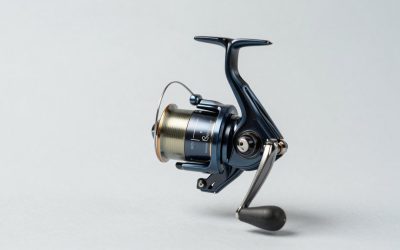
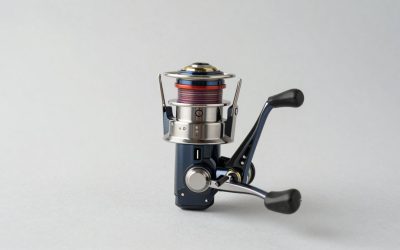
 Daiwa Crossfire LT Spinning Reel
- Hand Orientation: Ambidextrous
- Material: Metal
- Fishing Technique: Spinning
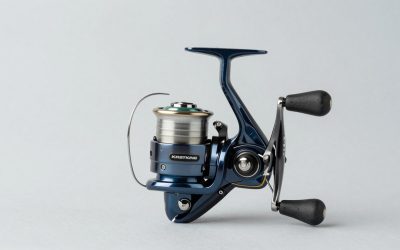
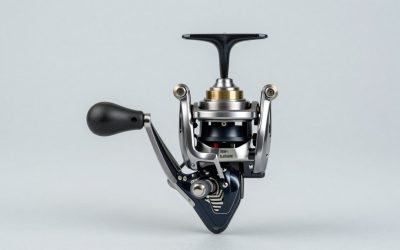
 KastKing Megatron Spinning Fishing Reels with 5.2:1
Aluminum skeletal frame adds strength without excess weight
Carbon drag system handles over 30 pounds of pressure
Seven plus one stainless bearings support smooth retrieves
Ambidextrous handle setup may feel less dedicated than handed reels
Zinc alloy main gear is less premium than full metal alloys
As an Amazon Associate we earn from qualifying purchases at no extra cost to you.
Quick Verdict
Choose a spinning reel if you are learning to skip docks, use lures under about 3/8 ounce, fish with lighter line, or want a setup that is forgiving when stored in a small apartment, rental, or family home. It is usually the better value for occasional anglers and anyone who dislikes picking out backlashes.
Choose a baitcaster if you already cast comfortably, need precise lure placement around pilings, fish heavier jigs or soft-plastic rigs, and expect to spend time tuning your equipment. A baitcaster is especially appealing for experienced anglers who want thumb control during the skip and a strong, direct connection when a fish turns toward cover.
In short, spinning gear is the safer recommendation for most buyers. Baitcasting gear wins when accuracy, heavier tackle, and maximum casting control matter more than simplicity.
Side by Side
| Factor | Spinning Reel | Baitcaster |
|---|---|---|
| Comfort | Easy to cast with less thumb work; comfortable for long sessions | Compact and balanced, but wrist and thumb technique take practice |
| Dock-skipping learning curve | Low; fewer backlashes and easier light-lure casting | Moderate to high; spool settings must match lure weight and wind |
| Durability | Good, though the exposed bail can bend if knocked against a dock | Good; enclosed spool design protects some parts, but gears need care |
| Typical price range | About $25–$180 for common freshwater models | About $40–$250, with premium models exceeding that range |
| Maintenance | Rinse, dry, inspect the bail and line roller; occasional lubrication | Rinse, dry, clean the spool and level-wind area; more frequent adjustment |
| Space needed | Allow roughly 12–14 inches of rod length in a rack, plus reel width | Similar rod length, but the reel profile is often narrower on the rod |
| Look | Traditional open-bail appearance with a larger hanging reel body | Low-profile, streamlined appearance that suits modern rod setups |
| Resale | Broad beginner demand; clean, affordable models can sell quickly | Strong demand for recognizable performance models, but condition matters |
| Best for | Beginners, light lures, finesse presentations, and mixed household use | Experienced anglers, heavier line, pinpoint casts, and dense cover |
Where Spinning Reel Wins
The biggest advantage of a spinning reel for skipping docks is forgiveness. The spool does not rotate during the cast, so an imperfect release is far less likely to create a backlash. That matters when a lure clips the water early, when a crosswind pushes the line, or when you are trying to repeat dozens of short casts from a cramped shoreline position.
Spinning gear also handles light presentations well. Small unweighted soft plastics, compact tubes, finesse jigs, and other lures that do not load a baitcaster spool properly are generally easier to cast with a spinning setup. A 6- to 7-foot medium-light or medium rod paired with a 2000- to 3000-size spinning reel is a practical starting point for many dock situations. The complete rod-and-reel setup commonly weighs about 9–14 ounces, depending on the rod and reel materials.
Line management is another advantage. Braided line in the 10- to 20-pound range, often paired with a 6- to 12-pound fluorocarbon leader, can provide useful casting distance and manageable diameter. The open spool makes it easy to see how much line remains and to remove line quickly if it becomes damaged.
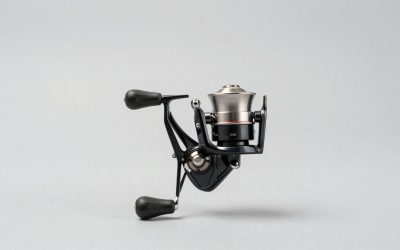
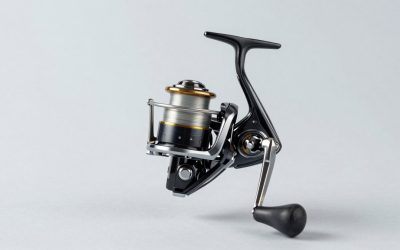
Spinning reels are also approachable for shared households. If a partner, teenager, or visiting friend wants to cast, there is less setup to explain. An inexpensive reel such as the $31.53 Daiwa Crossfire LT Spinning Reel can make sense for a basic or backup setup, while the $56.09 KastKing Megatron Spinning Fishing Reel with a 5.2:1 gear ratio and 60 size represents a higher-priced option in the same broad spinning category. These products are reference points for the price gap between entry-level and more substantial spinning equipment, not reasons to choose one reel type automatically.
The drawbacks are real. The bail can catch on brush or be bent if the reel is dropped, and line can develop loops when the spool is overfilled or the line is wound under poor tension. A spinning reel may also feel less precise when you need to feather a lure inches at a time beneath a narrow dock opening.
Where Baitcaster for Skipping Docks Wins
A baitcaster gives your thumb direct control over the spool. During a skip, you can reduce spool rotation immediately as the lure reaches the target, helping keep the bait low and limiting extra line after the final bounce. With practice, that control can make it easier to place a lure beside a piling, under a boat lift, or deep beneath a shaded dock.
The reel also sits above the rod, creating a compact, integrated feel. Many low-profile baitcasters are about 3 to 4 inches wide and weigh approximately 6.5–8.5 ounces, though size varies considerably. That balance can feel more natural during repetitive sidearm casts, particularly with a 6-foot-6-inch to 7-foot-3-inch medium-heavy rod.
Baitcasters are typically better suited to heavier line and lures. A 12- to 20-pound fluorocarbon line or 30- to 50-pound braid is common for fishing around wood, cables, and thick vegetation. Heavier lures also load the rod and spool more effectively, allowing a controlled skip without forcing an ultra-light presentation.
The tradeoff is the backlash. Spool tension, magnetic or centrifugal brakes, lure weight, wind, and thumb pressure all interact. A beginner may spend several minutes clearing a tangle after a single poor cast. That does not make baitcasters unsuitable for skipping; it means the setup rewards repetition. Start with more braking, use a heavier practice lure, and gradually reduce assistance as your release becomes consistent.
Cost Over 5 Years
A realistic five-year budget includes more than the reel. An entry-level spinning setup may cost $25–$70 for the reel, $40–$100 for a rod, and $10–$25 for line and leader material. With one or two line replacements per year, the five-year total often lands around $140–$300, before lures and repairs.
A dependable baitcasting setup may cost $50–$150 for the reel, $70–$180 for the rod, and $15–$35 for line. If backlashes damage line or require more frequent respooling, a five-year total of roughly $220–$500 is reasonable for regular use. Premium reels can raise that figure substantially.
Maintenance can keep either option in service for five years or longer. Rinse lightly with fresh water after use, wipe dry, and never store a wet reel in a sealed tackle box. Spinning reels need attention around the bail and line roller. Baitcasters need clean spool bearings, a clear level-wind area, and occasional manufacturer-approved oil. Do not use heavy household oil, which can slow a spool and attract grit.
Which One for Your Home
Small Apartment
Choose a spinning reel if storage is limited and several people may handle the equipment. A two-piece rod can reduce storage length to roughly 3.5–4 feet, while a compact reel and a narrow rod rack can fit in a closet or utility cabinet. Keep the rod in a sleeve so hooks and guides do not scratch walls or furniture.
Family With Kids or Pets
A spinning setup is usually easier to share and teach, but safe storage matters more than reel style. Store rods vertically in a locked or high-mounted rack, remove hooks from the rod when transporting it indoors, and keep line cutters and loose lures in a latched box. A baitcaster can work well, but its exposed controls and loose spool should not be adjusted by small children.
Rental
Renters should favor equipment that can be stored without drilling or creating a permanent installation. A soft rod case under a bed or in a closet protects both the gear and the property. Spinning gear is the lower-risk choice if you fish only occasionally, while a baitcaster makes sense when dock fishing is a serious hobby and you are willing to carry a dedicated case.
Long-Term Home
Homeowners with a garage, mudroom, or fishing corner can choose based primarily on technique. Consider keeping both: a spinning reel for light lures and windy days, and a baitcaster for heavier presentations and tight targets. A 24- to 36-inch-wide wall rack can hold several rod combinations without taking much floor space, provided it is mounted securely and away from walkways.
FAQ
Is a spinning reel or baitcaster better for beginners skipping docks?
A spinning reel is usually better for beginners because it minimizes backlashes and casts light lures more easily. Once you can control release angle and lure speed, adding a baitcaster can improve precision around pilings and boat lifts.
What line should I use for dock skipping?
For spinning gear, 10- to 20-pound braid with a 6- to 12-pound leader is a flexible starting point. For baitcasting gear, 12- to 20-pound fluorocarbon or 30- to 50-pound braid is common around heavier cover. Match line strength to the structure and target species.
How much should I spend on a dock-skipping reel?
About $30–$80 is enough for a practical spinning reel, while $60–$150 is a sensible range for a dependable baitcaster. Spending more can improve refinement and durability, but it cannot replace casting practice or proper spool adjustment.
Can I keep fishing reels stored in the house?
Yes. Store them dry, away from direct sunlight, heat vents, and damp floors. Loosen the drag before long-term storage, remove damaged line, and use a case or rack that keeps hooks, handles, and bail wires from contacting walls or household furnishings.
Write Your Review
No reviews yet. Be the first to share your experience!