
Best Night Lures For Bass are essential when summer heat pushes trophy fish into midnight feeding frenzies, and here at fishnholeoutdoors.com, I have analyzed the latest 2026 angler reports to help you choose the ultimate setup. From high-vibration blades to dark profiles, these six proven options will maximize your success after dark.
🛒 Best Price Today on Amazon
Prime members get fast, free shipping on everything above, plus member-only deals. New members get a 30-day free trial — cancel anytime.
Our top picks


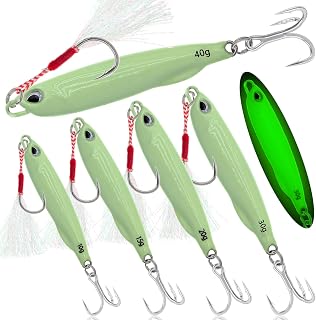

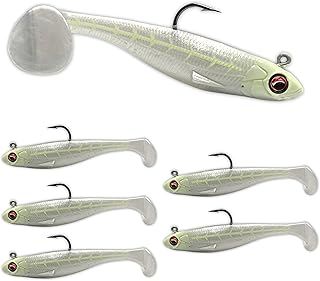

As an Amazon Associate we earn from qualifying purchases at no extra cost to you.
Understanding Nighttime Bass Behavior
To successfully target largemouth and smallmouth bass after dark, you must understand how their predatory habits shift once the sun goes down. When visibility drops to near zero, bass rely on a completely different set of biological tools to track and strike their prey.
Why Dark Colors and Vibration Matter
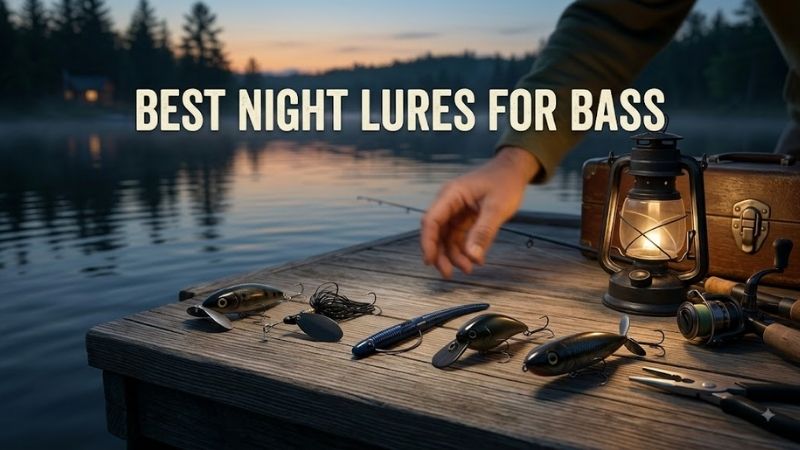
It might seem counterintuitive to throw an all-black lure in the pitch black of night, but I can tell you this is the most critical rule of night fishing. Against the dim ambient light of the night sky or moon, a dark silhouette creates a stark, highly visible contrast that bass can easily target from below. Furthermore, heavy vibrations and water displacement are crucial; they act as a beacon, allowing fish to pinpoint your lure without needing to see it clearly first.
The Role of Sensory Perception in the Dark
Bass possess a highly sensitive lateral line system, a row of sensory pores running along their sides that detects minute pressure waves and low-frequency vibrations in the water. In the dark, this system becomes their primary navigational and hunting tool. Lures that thud, rattle, or churn the surface trigger aggressive, instinctual strikes because they mimic the exact pressure signatures of struggling forage fish or disoriented frogs.
The Black Spinnerbait: The Gold Standard for Night Bass
According to major buyer guides and expert consensus as of mid-2026, a large-blade black spinnerbait remains the absolute default choice for nighttime bass fishing. I highly recommend keeping one tied on because it combines a strong silhouette with intense, thumping vibrations that bass can feel from a distance.
| Lure Category | Primary Action / Trigger | Best Water Conditions | Target Cover |
|---|---|---|---|
| Black Spinnerbait | Thumping vibration & silhouette | Slightly stained to clear | Weed edges & drop-offs |
| Black Buzzbait | Surface sputtering & squeaking | Calm, warm water | Shallow flats & open pockets |
| 10-Inch Dark Worm | Subtle gliding & scent trail | Any clarity (slow bite) | Deep brush piles & rock ledges |
| Topwater Frog | Chugging, popping & weedless glide | Calm water | Heavy lily pads & mats |
| Chatterbait | Violent blade vibration & erratic hunting | Murky to muddy | Submerged vegetation & docks |
| Black Jig | Heavy bottom thud & bulky profile | Variable clarity | Laydowns, riprap & steep banks |
When selecting a spinnerbait for night fishing, size and blade configuration are everything. I advise you to bypass the standard double-willow setups used during the day and opt instead for a single, oversized Colorado blade, typically in size 5 or larger. The rounded Colorado blade acts like a parachute in the water, creating a slow, heavy “thump” that maximizes lateral line stimulation while allowing you to retrieve the lure at agonizingly slow speeds without sinking to the bottom.
One minor drawback of the single-blade spinnerbait is its tendency to roll if retrieved too quickly, but since a slow roll is your goal at night, this is rarely an issue. For the best results, look for models featuring a black nickel or painted black blade to maintain that solid, unbroken silhouette against the night sky.
The Black Buzzbait: Creating Surface Commotion
If you are fishing on calm, warm summer nights, nothing beats the heart-stopping excitement of a topwater strike on a buzzbait. Community discussions throughout 2025 and 2026 consistently rank the black buzzbait as a top-tier choice for drawing active bass out of shallow water.
The magic of the buzzbait lies in its dual-sensory appeal: it combines a sputtering surface spray with a distinct metallic squeak or clack. Many experienced night anglers prefer models with a brass clicker or a blade that strikes the head frame, which adds an extra layer of high-pitched noise to the deep gurgle of the blade. This distinct acoustic profile makes it incredibly easy for a bass to track the lure’s path, even in pitch-black conditions.
The main limitation of a buzzbait is that it must be kept moving to stay on the surface, which can sometimes result in missed strikes from short-striking bass. To combat this, I always suggest adding a trailer hook to your buzzbait setup to ensure those explosive, nighttime blowups translate into solid hooksets.
The 10-Inch Dark Worm: Slow and Steady for Lethargic Bass
When the fast-moving active bite slows down or the bass retreat to deeper, offshore structures, it is time to slow your presentation down. A massive, dark-colored ribbon tail worm is a legendary tool that has saved countless night fishing trips when fish refuse to chase moving baits.
A 10-inch worm in black, dark blue, or plum creates a substantial underwater profile that hungry bass find hard to resist. The oversized ribbon tail moves a surprising amount of water even with subtle rod twitches, giving off a gentle wave signature that mimics a large leech or eel. Rigging this on a Texas rig with a heavy bullet weight allows you to slowly crawl it through deep brush piles, rock ledges, and submerged timber where big bass rest.
While this slow-rolling approach requires a great deal of patience, it is exceptionally reliable. Just keep in mind that detecting bites in the dark on a slack line can be difficult, so I recommend keeping your finger in direct contact with the fishing line to feel for that classic, subtle “thump” before setting the hook.
The Topwater Frog: Precision for Shoreline Cover
For anglers targeting dense, matted vegetation or heavy overhanging shoreline brush, a weedless hollow-body frog is indispensable. Recent expert testing and forum reports from late 2026 highlight popping frogs and standard walking frogs as essential tools for navigating the thickest cover after dark.
A black or dark-colored popping frog allows you to work the tightest pockets of open water within lily pads or grass mats without constantly snagging. The cupped mouth of a popping frog spits water and creates a distinct chugging sound that mimics a terrestrial animal in distress. Because it is completely weedless, you can cast it directly onto the bank or over thick mats and slowly drag it into the strike zone, pausing it frequently to let the ripples settle.
A common complaint with hollow-body frogs is a lower hookup ratio compared to open-hook lures. To optimize your success, I advise waiting a full second or two after the explosion before setting the hook, ensuring the bass has fully turned with the bait and compressed the hollow body.
The Chatterbait: Intense Vibration for Murky Waters
The bladed jig, commonly known as a chatterbait, is a highly versatile hybrid lure that bridges the gap between a spinnerbait and a jig. It has exploded in popularity for nighttime use because its hex-shaped blade produces a violent, hard-shaking vibration that you can feel right through your rod blank.
This intense vibration is particularly effective in murky or stained water where bass require a stronger sensory cue to locate prey. By pairing a black-and-blue chatterbait with a bulky, dark-colored paddle tail or creature bait trailer, you create a massive profile that displaces an incredible amount of water. You can slow-roll this along the bottom, rip it through submerged grass, or tick the tops of deep weed beds where bass wait in ambush.
Because the blade vibrates so violently, it can occasionally collect weeds more easily than a traditional spinnerbait. However, if you are fishing relatively clean water or sparse vegetation, the sheer calling power of a chatterbait makes it one of the most reliable tools in your night fishing arsenal.
The Black Jig: A Versatile Tool for Structural Targets
When you need to pinpoint bass holding tight to specific, hard structures like dock pilings, riprap banks, or steep rocky drop-offs, a heavy black jig is the ultimate weapon. It offers a compact, highly realistic presentation that mimics crawfish, which are highly active and vulnerable under the cover of darkness.
I recommend opting for a 3/8 to 1/2-ounce jig in black, black-and-blue, or green pumpkin, paired with a bulky chunk or flapping craw trailer to slow down the fall rate. The key to night jigging is maintaining contact with the bottom, allowing the heavy head to clack against rocks and gravel to create localized sound cues. This localized noise, combined with the bulky silhouette, makes it incredibly easy for a patrolling bass to locate and inhale the bait.
Keep in mind that jig fishing is a highly tactile technique, meaning you must rely heavily on your sense of touch rather than sight. If you are fishing in heavy wood cover, ensure your jig has a sturdy weed guard to prevent snagging, and always be prepared for a sudden pressure change on your line that signals a bite.
How to Choose the Right Night Lures for Your Needs
Selecting the best night lures for bass depends largely on the specific environment you are fishing and the activity level of the fish. If you find yourself on a calm, warm lake with active surface feeding, starting with a topwater buzzbait or popping frog is your best bet to trigger aggressive surface strikes. However, if a cold front has moved in or the bass are holding deep along structural ledges, switching to a slow-crawled 10-inch worm or a heavy black jig will yield much better results.
Water clarity also plays a crucial role in your selection process. In highly stained or muddy water, the intense, violent vibration of a chatterbait or a large Colorado-blade spinnerbait is necessary to help the fish locate the bait. Conversely, in ultra-clear water under bright moonlight, a slightly smaller profile or a stealthier soft plastic worm will prevent spooking wary fish while still offering a clear silhouette. Always match your retrieval speed to the water temperature, slowing down as the water cools to match the sluggish metabolism of nighttime predators.
Check the latest price on Amazon:
- Best Night Fishing Lures For Bass for Ultimate Lake Success
- Best Lures For Bass In Ponds: 5 Proven Options for 2026
- Best Bass Pond Lures: 5 Proven Choices for 2026 Success
- Best Frog Lures For Bass: 4 Top Picks for 2026
- Best Night Time Bass Fishing Lures: Ultimate Proven Choices
Conclusion
Night fishing is an incredibly rewarding way to beat the summer heat and target the largest bass in your local waters without the daytime crowds. By stocking your tackle box with high-vibration blades, loud topwaters, and bulky, dark-colored soft plastics, you will be fully prepared to handle any scenario the lake throws at you. For more expert gear guides, rigging tips, and localized angling advice, be sure to visit us at fishnholeoutdoors.com to elevate your fishing game this season.



Write Your Review
No reviews yet. Be the first to share your experience!