
Key takeaways
Best Fishing Rod For Backpacking options can feel overwhelming when balancing weight, durability, and pack size for long backcountry hikes. Outdoor enthusiasts often struggle to find compact gear that fits inside packs without sacrificing sensitivity. This guide simplifies your decision by detailing top picks and essential criteria.
🛒 Best Price Today on Amazon
Prime members get fast, free shipping on everything above, plus member-only deals. New members get a 30-day free trial — cancel anytime.
How to Choose the Best Fishing Rod for Backpacking
Selecting gear for trail trips requires evaluating compact design alongside overall durability and casting performance. A well balanced setup ensures you can navigate rugged terrain without extra bulk while remaining ready for spontaneous casts. Understanding key technical factors helps you choose equipment tailored to your wilderness trips.
Collapsible Design and Packed Length
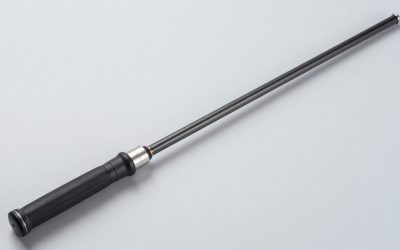
Packed length determines how easily a rod secures inside your pack or fastens to exterior gear straps. Most trail anglers prefer telescopic designs or multi piece travel rods that collapse under twenty inches. Choosing a compact model prevents branches from snagging your equipment while trekking along narrow overgrown trails.
Finding the best fishing rod for backpacking means prioritizing minimal collapsed dimensions without compromising structural integrity. Telescopic models offer rapid deployment when reaching alpine lakes, whereas four piece travel blanks deliver superior flex curves. Both styles provide distinct advantages depending on your hiking style.
Material Construction and Total Weight
Rod materials directly influence how much weight you carry over long distances and steep elevation gains. High modulus graphite construction provides impressive sensitivity while keeping total gear weight extremely light. However graphite requires careful handling to avoid accidental fractures against harsh rocky surfaces along riverbanks.
Fiberglass and composite blends offer enhanced durability against impacts at the expense of slight additional weight. Beginners often appreciate composite options because they withstand rough handling during backcountry excursions. Balancing weight against durability ensures your pole survives demanding wilderness conditions season after season.
Power and Action Ratings for Trail Use
Medium light or light power ratings work best for backcountry streams and high mountain lakes. These ratings allow anglers to cast smaller lures accurately while detecting subtle bites from wild trout. Choosing appropriate power ensures exciting fights without risking line breakage on small mountain fish species.
Fast action tips offer quick hook sets and precise casting around overhanging trees or shoreline structures. Identifying the best fishing rod for backpacking involves selecting moderate to fast action that handles light lures smoothly. Proper action gives you versatility across various mountain water environments.
Storage Durability and Protective Cases
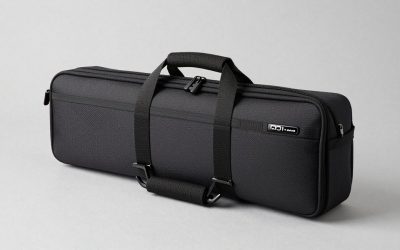
Protecting your gear during long treks requires sturdy storage options like rigid travel tubes or padded sleeves. Transporting unprotected blanks inside a fully packed backpack exposes delicate guides and tips to crushing forces. A dedicated hard case prevents damage during rough transit over challenging terrain.
Lightweight travel cases made from hard plastic or reinforced cordura nylon add minimal weight to your loadout. Many manufacturers include protective travel cases with their mobile setups to ensure complete safety on the trail. Investing in proper storage preserves your gear for years of wilderness exploration.
Top Picks for the Best Fishing Rod for Backpacking
Evaluating leading market options helps you select proven equipment built specifically for wilderness angling adventures. Modern manufacturers produce lightweight models that combine effortless portability with dependable performance. These top choices deliver solid durability, smooth casting, and easy packability for trail trips.
KastKing Compass Telescopic Fishing Rod
KastKing Compass provides exceptional portability through its compact telescopic design that collapses down to seventeen inches. Built with composite graphite blanks, it offers an ideal balance of lightweight handling and durability. Its compact nature makes it a strong candidate for the best fishing rod for backpacking overall.
This model features stainless steel guide frames with oxide rings that ensure smooth line flow during casting. The ergonomic EVA handle reduces hand fatigue during long fishing sessions near mountain lakes. While slightly stiffer than traditional multi piece rods, its quick setup time makes it ideal for spontaneous trail casting.
PLUSINNO Telescopic Fishing Rod Combo
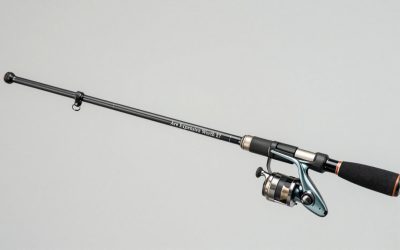
PLUSINNO offers a complete travel kit designed for hikers who want a hassle free setup right out of the box. Constructed from high density carbon fiber mixed with fiberglass, this rod delivers solid power and flexibility. It includes a matched spinning reel with a smooth drag system suitable for catching trout and bass.
Anglers searching for the best fishing rod for backpacking will appreciate the comprehensive inclusions in this affordable bundle. The collapsible blank fits neatly into the included carrying bag along with basic tackle accessories. Its main drawback is slightly heavier total weight compared to premium ultralight options.
Goture Travel Spinning Fishing Rod
Goture delivers a premium four piece travel rod engineered for anglers who prefer traditional ferrule connections over telescopic shafts. Crafted from thirty ton carbon fiber, this blank delivers superior sensitivity and seamless bending curves. It breaks down into four equal sections that fit inside a compact rigid travel case.
The alignment dots on each section make assembly fast and effortless even when setting up in dim light. High quality ceramic guides minimize friction, allowing light lures to sail effortlessly across open alpine waters. Although assembly takes longer than a telescopic pole, its performance closely matches one piece rods.
| Product Name | Rod Type | Packed Length | Key Advantage | Target Angler |
|---|---|---|---|---|
| KastKing Compass | Telescopic | 17 Inches | Quick Deployment | Casual Hikers |
| PLUSINNO Combo | Telescopic | 19 Inches | Complete Starter Set | Beginner Anglers |
| Goture Travel Rod | 4 Piece | 21 Inches | Superior Bend Curve | Serious Fly/Spin Anglers |
Frequently Asked Questions About Backpacking Fishing Rods
Addressing common user questions helps clarify technical details and operational tips for taking fishing gear on trails. Understanding line choices, packing strategies, and design trade offs ensures smooth outings in remote locations. Review these helpful answers before heading out on your next backcountry adventure.
Are Telescopic Rods Suitable for Wilderness Hikes?
Telescopic options excel on wilderness hikes because they collapse into extremely compact lengths in just seconds. They eliminate the hassle of aligning multiple individual sections while standing on slippery riverbanks. Modern composite construction ensures these retractable blanks handle moderate fish without snapping.
However fine sand or grit can enter telescoping joints if gear is placed on dusty trails. Keeping section joints clean and extending them firmly prevents unexpected slipping or jamming during use. For quick casting setups along mountain streams, telescopic models remain a practical choice for most hikers on the go.
How Do Multi Piece Travel Rods Compare?
Multi piece travel designs feature four or five separate sections that fit together using precision ferrule joints. These blanks deliver a smoother parabolic bend and better sensitivity than typical telescoping poles. Many experienced anglers prefer multi piece setups when targeting cautious wild fish in clear waters.
Deciding on the best fishing rod for backpacking depends on whether you prioritize assembly speed or rod action. Multi piece options take slightly longer to set up but provide superior feedback during light bites. They pack down into slim hard tubes that slide effortlessly into side water bottle pockets.
What Line Weight Is Best for Trail Fishing?
Monofilament line rated between four and eight pounds test works best for most backcountry fishing applications. Lightweight line allows longer casts with small spinners, spoons, or artificial flies commonly used in mountain waters. Monofilament also provides forgiving stretch when playing energetic fish on light gear.
Fluorocarbon leaders can be added to improve abrasion resistance near sharp underwater rocks and submerged logs. Carrying a small spool of leader material ensures you remain prepared for crystal clear alpine lakes where fish are line shy. This versatile line setup handles diverse freshwater species without adding bulk.
How Should You Pack Your Rod Safely?
Storing your fishing pole securely inside a hard tube or protective case prevents accidental damage from heavy gear. Position the storage tube vertically along the side of your backpack, securing it firmly with compression straps. Placing delicate gear near the top or center of your pack minimizes impact hazards.
Avoid placing heavy items like camp stoves or food bear canisters directly on top of loose rod sections. Detaching reels and storing them in padded pouches keeps gear organized and protected from trail dust. Following proper packing habits ensures your equipment arrives intact at remote wilderness destinations.
View more products:
- Best Fishing Rod And Reel Combo For The Money
- Best Backpack Fishing Rod
- Best Fly Fishing Rod Reel Combos
- Best Fly Fishing Rod And Reel Combo
Final Thoughts on Choosing the Best Fishing Rod for Backpacking
Choosing the best fishing rod for backpacking transforms your outdoor adventures by opening up remote angling opportunities. Focus on lightweight construction, compact packed length, and dependable materials that suit your target waters. With the right gear packed securely, you can explore pristine waters with complete confidence.
Our top picks
 PLUSINNO Fishing Rod and Reel Combos Carbon
- Fishing Technique: Spinning
- Target Species: Bass
- Line Weight: 10 lb
Kit bundles two rods, two reels, and assorted tackle
Stainless hooded reel seat resists saltwater corrosion
Telescopic design packs down for easy transport
10 pound line weight limits use to lighter fish
Carrier case holds a lot of small parts to track


 Ghosthorn Telescopic Fishing Rod and Reel Combo
- Rod Length: 1.8 meters
- Material: Graphite
- Fishing Technique: Experienced
Three carbon drag washers improve smoothness under load
Included fish pliers cut line and remove hooks easily
Corrosion-resistant lip gripper works in saltwater or freshwater
Compact telescoping design may feel less rigid than fixed rods
Listing does not specify the line or lure weight capacity
 Telescopic Collapsible Extendable Fishing Rod for Saltwater
- Fishing Technique: Beginner and Skiller
- Line Weight: 4-8 pounds
- Tension Supported: Medium


As an Amazon Associate we earn from qualifying purchases at no extra cost to you.
Write Your Review
No reviews yet. Be the first to share your experience!