
Our Top Picks
As an Amazon Associate we earn from qualifying purchases.
A kayak that fits feels like an extension of your body: it tracks straight, turns when asked, and leaves your knees and back comfortable after a long day on the water. Too short and it wanders with every stroke, too narrow and every ripple feels like a warning, too small in capacity and it sits low, sluggish and wet. The real decision is not which kayak looks best on the rack, but which combination of length, width and weight capacity matches your height, weight, gear and the water you actually paddle.
This guide is for first-time buyers comparing sizes before they spend, for renters ready to own a kayak, for anglers who carry rods and a tackle crate, and for taller or heavier paddlers who have sat in a boat that felt cramped. It explains length, width, weight capacity and cockpit fit, shows how paddler size changes every recommendation, and matches sizes to calm lakes, rivers, fishing and touring days, so you know which dimensions to look for.
Kayak Length, Width and Capacity at a Glance
Length is the first number to settle, because it decides how the kayak behaves. Short kayaks, around 9 to 10 feet, turn easily and are light to carry, which suits small lakes, slow rivers and paddlers who value easy handling over speed. Mid-length kayaks, around 11 to 12 feet, balance tracking and turning and suit most recreational paddlers on lakes and gentle rivers. Longer kayaks, 13 feet and up, hold a straight line, glide further per stroke and carry more speed, which suits open water, touring and paddlers who cover distance. A longer boat is also harder to store, heavier to load on a car roof and slower to turn in tight bends, so length is a trade-off, not a ranking.
Width decides stability, and it works against length. A wide kayak, around 30 inches or more, feels steady when you shift your weight, reach for a fishing rod or climb back aboard, which is why fishing and beginner boats run wide. A narrow kayak, around 24 inches or less, slices through the water faster and feels livelier, but it demands better balance and punishes sudden moves. Most recreational kayaks sit between 28 and 32 inches wide, a range that gives a new paddler confidence without making the boat feel like a barge. Your hip width matters here too: a paddler with broad hips needs a wider cockpit and a wider hull simply to sit comfortably.
Weight capacity is the number most buyers skip, and it is the one that causes the most disappointment. A kayak’s rated capacity is the maximum total load of paddler plus gear, and a boat loaded near its limit sits deeper, handles poorly and takes on water over the sides in chop. A practical rule is to keep your total load at no more than about 80 percent of the rated capacity, which leaves a margin for safety and performance. Add up your body weight, then add the weight of everything you carry: a tackle crate, a cooler, a dry bag, a fishing rod setup and a few litres of water add up faster than most people expect. A 200-pound paddler with 40 pounds of gear needs a kayak rated for at least 300 pounds, and an angler with a crate and a fish finder needs more still.
Cockpit fit is where height and leg length come in. In a sit-inside kayak, the cockpit opening needs to let you slide your legs in without scraping your knees, and the foot braces need to reach your feet with your knees slightly bent. A paddler over six feet tall usually needs a cockpit opening at least 35 inches long and foot braces that adjust well forward; a shorter paddler may find that same cockpit so roomy that they cannot brace their knees against the sides for control. Sit-on-top kayaks avoid the cockpit question altogether, since you sit on a moulded deck with open legroom, which is one reason they suit taller paddlers and anyone who dislikes feeling enclosed. Before buying, sit in the kayak on dry land, place your feet on the braces, and check that your knees bend naturally and your hips do not pinch against the sides.
How to Choose
Length for the Water You Paddle
Start with the water, not the boat. On small ponds and winding creeks, a 9- or 10-foot kayak turns on a coin and is easy to carry from car to shore, so the short length is a genuine advantage. On large lakes and open bays, that same short kayak wanders and needs constant correction strokes, which is tiring over a long day. A 12-foot kayak is the common middle ground for mixed lake paddling, while 13- to 14-foot boats suit paddlers who regularly cross open water or paddle for fitness. Match length to your longest typical outing, not your shortest, because the days you paddle far are the days a short boat frustrates you most.
Width for Stability and Speed
Width is a direct trade between steadiness and glide. A 30-inch-wide recreational kayak lets a beginner relax, shift weight to grab a water bottle and lean over the side without fear of tipping, which matters more than speed on a first boat. Narrower boats around 26 inches track faster and respond more crisply to a paddle stroke, but they feel twitchy to anyone still building balance. Fishing kayaks run widest of all, often 33 inches or more, because an angler stands, casts and reaches behind for gear. If you plan to stand, fish or carry a child or dog, choose width first and accept the slower pace.
Weight Capacity With a Safety Margin
Read the capacity number as a ceiling, not a target. A kayak rated for 250 pounds carrying a 240-pound paddler plus a dry bag will ride low, feel sluggish and ship water in anything but glassy calm. The 80 percent rule keeps performance and freeboard in reserve: multiply the rated capacity by 0.8 and make sure your body weight plus gear stays under that figure. Anglers should add the weight of rods, tackle, a crate and any electronics before choosing, and paddlers who plan to camp from the kayak should add food, water and camping gear. When two boats look similar, the one with the higher capacity is the safer pick for a heavier paddler.
Cockpit Fit, Seat and Foot Braces
A kayak is worn as much as paddled, so check three contact points before buying: hips resting against the seat sides without squeezing, knees touching the thigh braces with a slight bend, and feet reaching the foot pegs without straightening your legs fully. An adjustable seat helps taller paddlers by opening the hip angle. Sit-on-top models suit paddlers who want open legroom and easy entry, while sit-inside models suit cold water and rough conditions. If your knees press hard against the deck or your feet cannot reach the braces, the boat is the wrong size whatever the length says.
Which One Fits Your Situation
Shorter Paddler on Calm Lakes
If you are under about five foot six and paddle calm lakes, look at a recreational kayak 9 to 10 feet long and 28 to 30 inches wide, with 250-pound capacity. The shorter length keeps the weight down for car-topping, the moderate width gives stability without making the stroke uncomfortably wide, and a smaller cockpit lets you brace your knees. Avoid 12-foot touring boats, which are built for longer legs and leave you stretching for the foot pegs.
Taller or Heavier Paddler
If you are over six feet tall or over 220 pounds, size up. A kayak of 12 feet or more, at least 30 inches wide and rated for 350 pounds or higher gives you legroom, hip room and a safety margin. A sit-on-top is the easier choice, since the open deck removes cockpit-length limits. Sit in a candidate boat before buying and check that your knees bend at the braces and your hips do not press against the seat sides.
Angler Carrying Rods and Gear
If you fish, capacity and width matter more than length. A sit-on-top kayak of 10 to 12 feet and 32 inches, rated for 350 pounds or higher, carries rods, a crate and a tackle box without riding low. The wide hull lets you reach behind for gear and stand in calm water, and the open deck makes climbing back aboard easy. Add up fishing gear before choosing, because a loaded angler carries 50 pounds more than a day paddler.
Longer Days and Open Water
If your outing covers several miles of open water, choose a touring-style kayak of 13 to 14 feet with a narrower beam around 24 to 26 inches and a capacity that covers your body weight plus touring gear. The longer hull tracks straight and glides further per stroke, so you arrive less tired, and bulkheads store gear for multi-day trips. The trade-off is weight and storage space, so measure your garage and car roof before committing to a long boat.
Common Mistakes
- Choosing a kayak by looks or colour instead of by length, width and capacity for your body and water.
- Loading a kayak to its full rated capacity, which leaves no freeboard and makes the boat slow and wet.
- Buying the shortest kayak available for a large lake, then fighting its wandering track all day.
- Forgetting to add gear weight, so a boat that fits the paddler alone is overloaded once tackle and a cooler go aboard.
- Skipping the sit test, and discovering on the water that the cockpit pinches your hips or the foot braces are out of reach.
Kayaks and Paddles Across Common Size Ranges
Once you know the length and width that suit your height and trips, here are examples in different classes.
Pelican Sentinel 100X Recreational Sit-on-Top Kayak
A 10-foot single kayak that is easy to carry and paddle, suited to smaller paddlers and calm water.

Pelican Sentinel 100X - Recreational Sit on top Kayak - Fade Blue Yellow - Lightweight - Ergoform Backrest - 10 ft
One of the home product options compared in this guide.
View on AmazonPerception Rambler 13.5 Sit-on-Top Tandem Kayak
A longer sit-on-top built for two paddlers or a paddler plus gear.
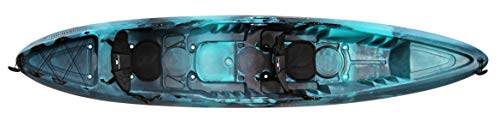
Perception - Rambler 13.5 Recreational Kayak - Sit on Top Tandem Kayak - Storage with Tie Downs - 13.6 ft - Dapper
One of the home product options compared in this guide.
View on AmazonWilderness Systems Tsunami 125 Sit-Inside Touring Kayak
A 12.5-foot sit-inside touring kayak with storage for longer trips.

Wilderness Systems Tsunami 125 - Sit Inside Touring Kayak - Multiple Storage Options - 12.6 ft - Mango
One of the home product options compared in this guide.
View on AmazonOCEANBROAD Adjustable Carbon Fiber Kayak Paddle
An adjustable-length paddle that can be set to fit different boat widths and paddler heights.

OCEANBROAD Adjustable Carbon Fiber Kayak Paddle 86in/220cm to 94in/240cm Kayaking Oar with Paddle Leash 1 Paddle, Black
One of the home product options compared in this guide.
View on AmazonFrequently Asked Questions
What size kayak do I need if I am six feet tall?
A paddler around six feet tall usually needs a kayak at least 11 to 12 feet long with a cockpit opening of 35 inches or more, so the knees bend naturally at the foot braces. Capacity should cover body weight plus gear with a margin, so look for a rating of 300 pounds or higher. A sit-on-top removes cockpit-length limits and is often the more comfortable choice for tall paddlers.
Is a longer kayak always better?
No. A longer kayak tracks straighter and moves faster, but it is heavier to carry, harder to store and slower to turn in tight creeks. A short kayak suits small lakes and winding rivers better. The right length depends on your water: choose the shortest boat that still tracks well on the largest water you regularly paddle.
How much weight capacity do I need in a kayak?
Add your body weight to the weight of everything you carry, including tackle, a cooler, a dry bag and water, then choose a kayak whose rated capacity is at least 25 percent higher than that total. That margin keeps the boat riding high enough to handle chop and stay responsive. Anglers and campers need more capacity than day paddlers because their gear weighs more.
Should a beginner choose a sit-on-top or a sit-inside kayak?
A sit-on-top is usually the easier first kayak, because entry is simple, the deck is open, and climbing back on after a capsize is straightforward. A sit-inside kayak keeps you drier and warmer in cold water and performs better in wind, but the enclosed cockpit can feel confining. Beginners paddling warm, calm water should start with a sit-on-top.
FAQ
What size kayak do I need if I am six feet tall?
Is a longer kayak always better?
How much weight capacity do I need in a kayak?
Should a beginner choose a sit-on-top or a sit-inside kayak?
More from Amazon
Programs that pair well with the guide above. Offers and eligibility are set by Amazon and may change.
Free shipping on eligible items, Prime Video and more. Eligible new members can start with a free trial.
Start a Prime free trialA Prime membership for ages 18-24 with a trial period. Eligibility is set by Amazon.
See Prime for Young AdultsAudiobooks and podcasts to listen to on the go. Eligible new members can start with a free trial.
Try Audible freeAd-free music streaming. Eligible new subscribers can start with a free trial.
Try Music Unlimited freeAs an Amazon Associate we earn from qualifying purchases.




Write Your Review
No reviews yet. Be the first to share your experience!