
Key takeaways
- Removing every brake at once: Large changes make it difficult to identify what caused the next backlash. Adjust one control at a time.
- Over-tightening spool tension: A reel that feels smooth by hand may cast poorly if the knob is tightened enough to stop the spool too quickly.
- Ignoring wind: A strong tailwind can make the lure outrun the line, while a headwind can slow the lure and cause the spool to overrun. Increase braking in changing wind.
- Using a lure that is too light: Many baitcasters are easier to tune with at least 3/8 ounce. Check your reel’s stated lure range before going lighter.
- Filling the spool too high: Keep line approximately 1/8 inch below the spool rim. An overfilled spool has less margin for error and can release line too quickly.
- Pulling on a sealed knot: Cut a damaged section if needed. A bent pick or scratched spool costs more than a few yards of line.
- Blaming the reel for a timing problem: A sudden stop in the rod, an abrupt thumb release, or a lure hitting the water can all create backlash even with a properly adjusted reel.
Learning how to fix baitcasting reel backlash starts with one simple idea: the spool is rotating faster than the line can leave it. That mismatch creates the familiar “bird’s nest,” with loops piling up around the spool. Backlash usually happens during a hard cast, when the lure slows in flight, or when the reel’s braking and tension settings are too loose.
If you pull aggressively on a tangled spool, pick at it with a sharp tool, or keep casting with excessive brake pressure, you can damage the line, nick the spool, or wear the reel’s levelwind and bearings. The good news is that most backlashes can be cleared in a few minutes and prevented with careful setup. This guide covers a practical fix for beginners and experienced anglers, including adjustments that remain useful on modern reels in 2026.
Our top picks

As an Amazon Associate we earn from qualifying purchases at no extra cost to you. Ratings are shown as listed on Amazon.
What You Need
| Item | Why | Optional? |
|---|---|---|
| Your baitcasting reel and rod | Keeping the reel mounted lets you test spool tension, braking, and casting control in their normal positions. | No |
| Fishing line cutters or small scissors | Useful for removing severely tangled or damaged line without pulling hard on the spool. | No |
| Soft microfiber cloth | Catches loose line and prevents grit from getting into the spool or frame. | No |
| Small pick or blunt plastic tool | Helps lift individual loops from a compact tangle. Avoid knives, hooks, and metal screwdrivers. | Yes |
| Practice lure or casting plug, 3/8 to 1/2 ounce | A moderate weight is easier to control than an ultralight lure while you tune the reel. | Yes |
| Replacement fishing line | Needed if the existing line has deep kinks, flattened sections, or visible abrasions. | Yes |
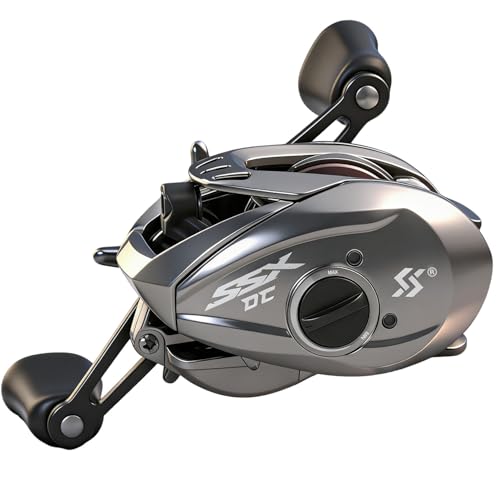
For beginners, a reel with adjustable magnetic, centrifugal, or digital braking can simplify setup. As a reference, Sougayilang baitcasting models with digital anti-backlash control are commonly listed around $30 to $40, including the $29.98 model and the $39.99 SOUGA DC model. Price should not replace proper adjustment, but a braking system can give new casters more room for error.
Step-by-Step
-
Stop the cast and secure the reel (1 minute)
Engage the spool by turning the reel handle or pressing the thumb bar back into casting mode only when the line is no longer under dangerous tension. Set the rod on a clean surface with the reel facing upward. Keep your thumb on the spool so it cannot spin freely while you inspect the tangle.
Do not yank the line from the rod tip. A sudden pull can tighten the loops and make the backlash harder to remove.
-
Remove loose loops first (2 to 5 minutes)
Pull several inches of line from the spool by hand and look for the topmost loop that crosses another strand. Gently lift that loop with your fingers or a blunt plastic pick. Once it is free, pull out another short section and repeat.
Work from the outside of the tangle toward the spool. If a loop will not move with light pressure, stop and find the strand pinching it. Never force a loop through a knot; that usually drives it deeper into the spool.
-
Use the spool-release method for a stubborn nest (1 to 3 minutes)
Press the thumb bar to disengage the spool, then apply light thumb pressure while slowly pulling line from the reel. Rotate the handle briefly to re-engage the spool if the line becomes too loose. This alternating pressure often loosens crossed strands without tools.
For a tight knot, gently push the line ahead of the knot back toward the spool. The goal is to create slack, not to stretch the line. If you cannot loosen the knot after two or three careful attempts, cut only the affected section rather than damaging the reel.
-
Inspect the line and spool (2 minutes)
Run the first 10 to 15 feet of line between your fingers. Replace it if you feel rough spots, flat sections, deep coils, or a sharp crease. Monofilament and fluorocarbon may retain permanent memory after a severe backlash; braided line can also become fuzzy or wind under itself.
Check that the spool spins freely and that line is not trapped beneath the spool lip or inside the levelwind opening. Wipe away dirt and moisture with a dry microfiber cloth.
-
Reset spool tension (2 minutes)
Locate the small spool-tension knob beside the handle. Tighten it until side-to-side spool movement disappears, then loosen it slightly. A common starting point is to let a 3/8-ounce lure drop slowly when the thumb bar is pressed, with the spool stopping soon after the lure touches the ground.
This is a starting adjustment, not a universal measurement. Heavy lures need more control; light lures need more spool freedom. Do not use the tension knob as your only brake, because over-tightening can reduce casting distance and put unnecessary pressure on the spool shaft.
-
Set the braking system conservatively (2 minutes)
Turn magnetic or digital braking to a high setting before your next cast. If your reel uses a numbered dial from 0 to 10, begin around 7 or 8. For a reel with a different scale, start near the upper third of its available range.
Centrifugal brakes may require moving brake blocks outward according to the reel’s design. Make changes in small increments and keep both sides balanced. More braking is helpful at the beginning of a cast, while thumb control is especially important as the lure slows near the end.
-
Practice short, controlled casts (5 to 10 minutes)
Attach a 3/8- to 1/2-ounce practice plug, stand in an open area, and make gentle casts of about 20 to 30 feet. Keep your thumb lightly touching the spool throughout the cast. Press down more firmly as the lure approaches the target and just before it lands.
If the spool remains controlled, reduce the brake setting by one increment or loosen the tension knob by a small turn. Make another short cast before changing anything else. When the reel performs consistently, gradually extend the distance and return to your normal lure weight.
Mistakes to Avoid
- Removing every brake at once: Large changes make it difficult to identify what caused the next backlash. Adjust one control at a time.
- Over-tightening spool tension: A reel that feels smooth by hand may cast poorly if the knob is tightened enough to stop the spool too quickly.
- Ignoring wind: A strong tailwind can make the lure outrun the line, while a headwind can slow the lure and cause the spool to overrun. Increase braking in changing wind.
- Using a lure that is too light: Many baitcasters are easier to tune with at least 3/8 ounce. Check your reel’s stated lure range before going lighter.
- Filling the spool too high: Keep line approximately 1/8 inch below the spool rim. An overfilled spool has less margin for error and can release line too quickly.
- Pulling on a sealed knot: Cut a damaged section if needed. A bent pick or scratched spool costs more than a few yards of line.
- Blaming the reel for a timing problem: A sudden stop in the rod, an abrupt thumb release, or a lure hitting the water can all create backlash even with a properly adjusted reel.
How Often
Check spool tension and braking whenever you change lure weight by roughly 1/4 ounce or more, switch between monofilament, fluorocarbon, and braid, or begin casting in noticeably different wind. Give the line a quick inspection after every fishing trip, especially if the reel was exposed to sand, mud, or saltwater.
Clean the exterior after each outing and perform a more detailed maintenance check every 10 to 20 hours of use. Follow the reel maker’s lubrication instructions; excess oil can slow a spool and attract grit. Re-spool when the line is visibly worn or when repeated backlashes have created permanent damage.
When to Call a Pro or Replace
Seek professional service if the spool has side-to-side play after proper tension adjustment, makes a grinding sound, fails to spin freely, or continues to overrun with the brakes set high and the line correctly loaded. A bent spool shaft, damaged bearing, worn pinion, or faulty digital control may not be visible from the outside.
Replacement makes sense when repair costs approach the price of a new reel, corrosion has reached the frame or internal gears, or the reel repeatedly develops mechanical problems. Replace fishing line rather than the entire reel when the only issue is abrasion, memory, or a deep backlash knot.
FAQ
Why does my baitcaster backlash at the end of the cast?
The lure slows as it approaches the water or target, but the spool keeps spinning. Increase braking slightly, keep your thumb near the spool, and apply gentle thumb pressure during the final third of the cast.
Should spool tension be tight or loose?
It should be just tight enough to remove side-to-side spool play. Start with a controlled lure drop, then loosen the knob gradually as your thumb control improves. Excessive tension reduces distance and can make the reel feel sluggish.
Can I fix backlash without cutting the line?
Usually, yes. Pull short sections of line, lift crossed loops, and create slack rather than forcing knots. Cut the line only when a knot is fully cinched, the line is damaged, or continued picking could scratch the spool.
Does a digital anti-backlash reel prevent all bird’s nests?
No. Digital or magnetic braking can regulate spool speed, but it cannot compensate for an incorrect lure weight, severe wind, an overfilled spool, or a thumb that stops controlling the line. Begin with a high brake setting and tune downward gradually.



Write Your Review
No reviews yet. Be the first to share your experience!