
GPS anchor lock technology completely transformed how anglers fish offshore structure, ledges, and deep brush piles from a bass boat. Instead of constantly feathering a foot pedal in heavy crosswinds or tossing out traditional anchors that spook fish, a GPS-guided trolling motor automatically calculates position using satellite signals and internal sensors to lock your boat precisely over a specific spot. Choosing the right unit, however, involves much more than picking a brand off the rack; you need to properly calculate thrust, ensure hull deck clearance, select compatible battery power, and verify sonar integration.
When shopping for a setup in 2026, matching your trolling motor’s capabilities directly to your boat’s displacement and electrical infrastructure is critical. Under-powering your bow or selecting an improper shaft length can render digital anchoring ineffective when wind and wave chop pick up. This decision guide breaks down the essential technical specs, sizing formulas, electrical requirements, and common purchasing traps so you invest in a system that keeps you locked on target all day long.
As an Amazon Associate we earn from qualifying purchases at no extra cost to you.
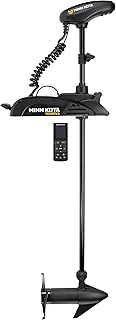
Understanding Voltage and Thrust Sizing for Bass Hulls
Thrust output is directly tied to the motor’s operating voltage, typically broken into 12-volt, 24-volt, and 36-volt configurations. To determine how much thrust your bass boat requires, use the standard rule of thumb: you need at least 2 pounds of thrust for every 100 pounds of total loaded boat weight. Total weight must account for the hull, main outboard engine, full fuel tank, livewells, fishing gear, batteries, and all passengers aboard.
For small aluminum bass boats under 16 feet, a 12-volt motor producing 55 pounds of thrust may suffice for mild conditions. However, fiberglass tournament rigs measuring 18 to 19 feet generally require a 24-volt system delivering 70 to 80 pounds of thrust. Deep-V hulls or fiberglass bass boats extending 20 feet and beyond demand a 36-volt system generating 100 to 115+ pounds of thrust. Selecting a higher voltage motor provides higher torque and efficiency, allowing the GPS system to hold position effortlessly without running the motor continuously at maximum throttle.
Selecting the Correct Shaft Length
Selecting the proper shaft length ensures the propeller remains submerged during rough chop while avoiding excessive depth that could strike shallow cover. If the shaft is too short, waves will cause the propeller to break the water surface—a problem known as cavitation—which breaks the GPS lock and creates loud noise that alerts fish. Conversely, an overly long shaft sits too high above the bow deck when stowed, obstructing line of sight and casting angles.
To measure for your bass boat, determine the distance from the top of the bow deck mount to the waterline when the boat is fully loaded. Add at least 20 inches to this measurement to ensure the center of the motor section sits deep enough below the surface. Standard fiberglass bass boats usually perform best with a 45-inch to 52-inch shaft, whereas deep-V or multi-species aluminum bass hulls often require a 60-inch shaft to keep the prop underwater when bow bounce occurs in open water.
Brushed vs. Brushless Motors: Efficiency and GPS Precision
Modern GPS trolling motors utilize either traditional brushed internal motors or modern brushless designs. While brushed options carry a lower upfront price tag, brushless motors offer significant operational advantages for electronic anchoring. Brushless motors operate with higher thermal efficiency, drawing fewer amp-hours from your battery bank while delivering significantly more torque at low RPMs.
This efficiency translates directly to GPS spot locking accuracy. Because brushless motors adjust rotational speed instantly and quietly without generating electromagnetic interference (EMI) across your sonar screens, the GPS brain makes micro-adjustments without surging. If you frequently fish open water in strong currents or plan to pair your setup with live-imaging sonar, investing in a brushless motor delivers longer runtimes and far smoother positioning performance over the life of the unit.
Integration with Onboard Fish Finders and Heading Sensors
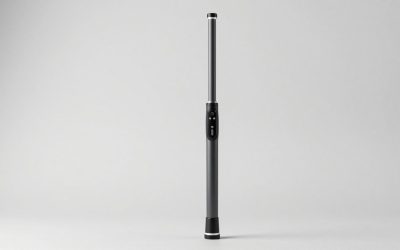
A digital anchor relies on two main components: a GPS receiver located in the head or base unit, and an external heading sensor (often called a puck). The heading sensor uses an internal compass to tell the motor which direction the boat’s bow is pointed. This prevents the motor from spinning wildly when trying to correct for wind displacement, enabling features like “Jog mode,” which allows you to move the boat in precise five-foot increments in any direction with a single button press.
You must also consider ecosystem compatibility. Trolling motor manufacturers build native integration with specific graph brands: Minn Kota integrates seamlessly with Humminbird via the One-Boat Network, Lowrance Ghost links directly with Lowrance displays, and Garmin Force motors communicate natively with Garmin chartplotters. Selecting a motor that matches your existing electronics brand lets you control Spot-Lock, set waypoints, and follow depth contours directly from your fish finder touchscreens.
Battery Systems: AGM vs. Lithium (LiFePO4) Support
GPS anchor lock places a continuous, dynamic load on your battery bank, rapidly cycling between low draw and sudden bursts of power. Traditional flooded lead-acid or AGM batteries suffer from voltage sag as they discharge throughout the day. When battery voltage drops, the trolling motor’s internal computer struggles to maintain precise steering response, leading to “GPS wander,” where the boat drifts further off target before the motor reacts.
Lithium Iron Phosphate (LiFePO4) batteries provide a flat discharge curve, delivering consistent full voltage from 100% down to roughly 5% capacity. This constant voltage keeps the GPS logic and steering motor operating at peak responsiveness all day long. Additionally, lithium battery banks cut weight on the bow by up to 70%, improving hull draft, top-end speed, and overall hole shot while enabling faster recharge times between fishing trips.
Avoidable Buyer Mistakes and When to Spend More
The most common mistake buyers make is neglecting the boat’s underlying electrical wiring. Installing a high-thrust GPS motor on undersized 8-gauge wire or retaining a cheap marine circuit breaker causes severe voltage drop, leading to sudden thermal trips while holding in strong wind. Upgrade to marine-grade 6-gauge copper wiring and heavy-duty 50-amp or 60-amp waterproof circuit breakers to ensure clean, reliable power delivery.
It pays to spend more on composite shafts that flex under impact without bending, as well as heavy-duty quick-release mounting plates. Quick-release plates make removing the motor for storage or service simple while providing structural reinforcement to the bow fiberglass. Spending extra on a motor with built-in transducer options or ultra-quiet electric foot pedals is always worth the investment if you rely heavily on shallow-water stealth and continuous sonar scanning.
Related Guides
If you are exploring alternative setups or expanding your vessel’s capabilities, explore our roundups on the best GPS trolling motors with Spot-Lock, evaluate heavy-duty gear with our guide to high-thrust saltwater trolling motors, or keep your catch fresh with our tested choices for top-tier marine coolers.
FAQ
How accurate is GPS Spot-Lock on a modern bass boat?
Modern GPS spot lock systems are typically accurate within a three- to five-foot radius under standard conditions. When paired with an external heading sensor, the system minimizes boat swing and holds position effortlessly even in heavy wind or moderate river currents.
Can I install a GPS trolling motor on my bass boat myself?
Yes, DIY installation is straightforward if your boat already has proper wiring and bow access. You will need to mount the base plate, run appropriate gauge power wire to a suitable circuit breaker, connect your battery bank, and calibrate the external heading sensor on open water.
Is a 24-volt trolling motor enough for a 20-foot fiberglass bass boat?
While a 24-volt motor can move a 20-foot boat in calm conditions, it will struggle to maintain GPS lock during strong winds or swift current. For a 20-foot hull, a 36-volt system is strongly recommended to ensure adequate thrust reserve and prevent rapid battery drain.
Why does my trolling motor jog or circle aggressively when locked?
Aggressive hunting or spinning usually indicates an uncalibrated heading sensor or local magnetic interference near the puck. Re-calibrating the compass offset on the water or moving the heading sensor away from metallic objects and high-voltage wiring generally resolves the issue.



Write Your Review
No reviews yet. Be the first to share your experience!