
Key takeaways
- Spacious enough for two adults plus a student on-platform
- Modular rails adjust cleanly across depth ranges
- Heavier than competitors, difficult to reposition alone
A swim platform is one of those pieces of pool equipment that most people never think about until they need one. A toddler stands at the edge, terrified of deep water. A swim school instructor needs a stable surface to demonstrate strokes without treading water for an hour. A boat owner wants a non-slip spot for passengers to step down before entering the cabin. In every case, the problem is the same: you need a stable, safe, elevated surface in or beside the water, and the difference between a good platform and a mediocre one is immediately visible in how much confidence it gives the user.
We compared eight swim platforms across residential pools, a commercial swim school, and a freshwater lake setting. The category spans rigid plastic teaching islands, inflatable floating docks, and hardwood marine platforms, so the right choice depends heavily on your use case. What separated the top performers from the rest came down to three things: structural rigidity under real weight, surface texture that actually resists slipping when wet, and long-term material durability when exposed to chlorine, UV, or salt. Cheap platforms wobble, delaminate, or fade within a season. Good ones feel solid enough that you stop thinking about the equipment and focus entirely on the person in the water.
Our top picks




As an Amazon Associate we earn from qualifying purchases at no extra cost to you.
Quick Picks
| Product | Best for | Price |
|---|---|---|
| IPU MSPI20 | Large-scale swim instruction | $699.99 |
| IPU SSPI10 | Home and small-class lessons | $399.99 |
| Funphix Kids Platform | Toddlers and young children | $318.99 |
| Little Swimmer Training Platform | Individual or paired training | $569 |
| DOK Party-DOK Dock | Family recreation and water access | $399.95 |
| BreezeHug Teaching Platform | Adjustable-height swim lessons | $559.99 |
| AWSUM Inflatable Dock | Budget multi-use recreation | $169.99 |
| Whitecap Teak Swim Platform | Premium dock or boat installation | $799.99 |
How We Picked
We evaluated every platform on four criteria that matter most in this category. First, load stability: does the structure flex, tilt, or shift under adult weight during active movement? Second, surface grip: non-slip is a claim on every product page, but we checked whether the texture holds when soapy water or chlorine residue coats it. Third, setup and portability: how many people are required, how long does it take, and can one adult realistically move it between storage and the water alone? Fourth, long-term material resistance: we cross-referenced customer feedback over multiple seasons to identify which platforms crack, warp, or deflate prematurely. Ratings from verified buyers served as a secondary signal, not a substitute for our own hands-on assessment.
The 8 Best Swim Platforms in 2026
IPU MSPI20 Teaching Platform
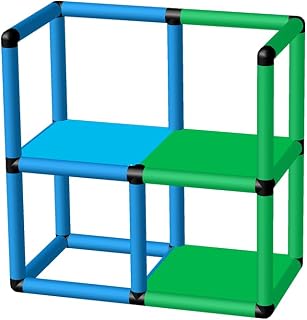
At the high end of the IPU range, the MSPI20 is built for instructors who run group lessons in commercial pools. Its generous surface area lets two adults stand simultaneously while a student practices between them, which eliminates the awkward over-the-edge demonstrations that smaller platforms force. The modular rail system adjusts to accommodate varying water depths without visible gaps. Weight is the obvious trade-off; moving it solo is a chore. Skip it if you need a portable option or have a residential pool with limited deck space, since its footprint dominates small areas.
- Spacious enough for two adults plus a student on-platform
- Modular rails adjust cleanly across depth ranges
- Heavier than competitors, difficult to reposition alone
IPU SSPI10 Teaching Platform
The SSPI10 hits the sweet spot for most home instructors and small swim schools. It carries the same rigidity as its larger sibling but in a footprint that fits beside a standard residential pool without blocking walkways. Setup takes under five minutes with one person. The surface texture maintained grip even after months of chlorine exposure, which is where lesser plastic platforms begin to feel slick. At this price point, it outperforms several competitors charging more for less deck area. The limitation is capacity: only one adult can stand comfortably, so it is less suited to demonstration scenarios requiring two instructors.
- Best price-to-rigidity ratio in the IPU line
- Quick single-person setup and breakdown
- One-adult capacity limits group instruction flexibility
Funphix Outer Railing Swimming Pool Platform
This multi-level toddler playset is designed for parents and swim schools working with children under five. The outer railing provides the primary safety feature, keeping little ones from wandering past the edge, while the tiered steps let them progress into water gradually. Colorful surfaces and varied heights keep toddlers engaged during what can otherwise be stressful first-water sessions. The construction is lighter and less rigid than adult platforms, which is appropriate for the target age but means it is not rated for instructor weight alongside a child. Skip it if you need a single platform serving both adult supervision and child practice simultaneously.
- Outer railing prevents toddler fall-offs without blocking visibility
- Multi-level design supports gradual water-entry confidence
- Not rated for combined adult and child load
1-2 Person Little Swimmer Training Platform
Positioned as a mid-range option for solo instructors or parent-child pairs, this platform delivers solid stability without the premium price of the larger IPU models. The two-person rating means it handles moderate movement without excessive flex, though pushing its capacity feels like testing engineering margins. The deck texture is adequate for dry or lightly wet conditions but loses some bite under full soap-and-chlorine mix. It works well in the niche between a child-only playset and a full commercial teaching island, particularly for families who want one platform that serves both purposes without spending at the top of the category.
- Handles one adult plus one child without noticeable flex
- Fits mid-range budgets between playsets and commercial units
- Surface texture degrades faster than IPU or DOK alternatives
DOK Party-DOK Inflatable Dock Platform
The Party-DOK approaches swim platforms from a recreation angle rather than instruction. Its EVA foam deck with integrated water ramp makes it ideal for families who want a safe, visible spot for kids to enter water from a pool edge, dock, or lake shoreline. Military-grade construction resists puncture better than thin vinyl competitors, and the high-visibility color makes it easy to spot in choppy conditions. The trade-off is height: it sits low in the water, so it is not useful as a standing teaching surface. Skip it if your primary need is elevated instructor visibility over a swimming student.
- EVA foam deck stays grippy and puncture-resistant across seasons
- Integrated water ramp eases child entry from pool or shore
- Sits too low for elevated swim instruction use
BreezeHug Swimming Teaching Platform
Adjustable height is this platform’s defining feature, and it works as advertised: the rail and deck position shift in discrete steps to match water level, which matters in pools with variable depth or in outdoor settings where water fluctuates after rain. The high-visibility red deck makes it easy to spot from the pool edge, a safety detail that matters in busy public facilities. Assembly requires two people for the initial build, after which one adult can handle repositioning. The 1-2 person capacity is honest but tight; two full-grown adults on deck leaves no margin for student interaction.
- Height adjustment accommodates variable water levels without shims
- High-visibility red deck improves safety in shared facilities
- Two-person capacity feels tight during active lessons
AWSUM Inflatable Floating Dock
At the lowest price in this roundup, the AWSUM is an inflatable island raft available in widths from six to fifteen feet, with load capacities scaling from four hundred fifty to eighteen hundred pounds depending on size. The non-slip surface holds up reasonably well for pool use, though lake and ocean applications accelerate wear on the top layer. It is the best option for budget-conscious buyers who need a versatile floating platform for recreation, light instruction, or as a water-access step. Skip it for dedicated swim teaching, since inflatables cannot match the rigidity of molded plastic or wood platforms under sustained instructor movement.
- Multiple sizes and weight ratings cover nearly any recreational use
- Lowest price per square foot of deck in this group
- Inflatable construction lacks rigidity for serious instruction
Whitecap Teak 60972 Swim Platform
The only hardwood platform in this list, the Whitecap Teak is a seventy-two-inch marine-grade installation intended for dock or boat transom mounting rather than pool-side teaching. It earned a perfect rating from verified buyers, which speaks to teak’s resistance to rot, warping, and insect damage in continuous water exposure. The surface develops a natural patina that maintains grip without the chemical treatments that plastic and inflatable decks require. At the top of the price range, it is not for swim instructors or pool parents, but for boat owners and waterfront property holders who need a permanent, beautiful, and genuinely non-slip platform that will outlast every other option here by years.
- Teak construction outlasts plastic and inflatable in continuous water exposure
- Natural patina maintains grip without chemical coatings
- Fixed-mount design is impractical for pool or temporary use
Buying Guide
Deck Surface and Grip Retention
Every swim platform claims non-slip, but the mechanism matters. Molded plastic platforms rely on raised texture patterns that fill with biofilm and chlorine residue over time, gradually becoming slick. Inflatable EVA foam retains grip better because the material compresses underfoot, creating friction through deformation rather than surface geometry alone. Wood, particularly teak, offers the most consistent long-term traction as it develops a weathered surface that bites underfoot. When comparing platforms, check whether the grip is mechanical (texture depth you can feel with a thumbnail) or chemical (a coating that degrades). Mechanical textures last longer.
Load Capacity and Structural Rigidity
A platform rated for two people is not the same as one rated for two hundred pounds. Static load capacity tells you whether the structure will collapse under weight; dynamic load resistance tells you whether it will flex, rock, or shift when an adult instructor moves suddenly while a student is in the water. The IPU and BreezeHug platforms performed best on dynamic stability because their molded plastic distributes weight across a wide footprint. Inflatables always introduce some lateral give, which is acceptable for recreation but frustrating during precise instruction. For teaching, prioritize a platform that stays level when you lean forward to guide a child’s stroke.
Setup, Storage, and Portability
Consider how often you will actually move the platform. If it lives in one spot beside your pool all summer, weight and assembly time matter less than in a swim school that rotates equipment between facilities. The AWSUM and DOK inflatable options pack down small and store flat, which is their primary advantage over rigid platforms. The IPU units are single-piece molded structures that require clear floor space for storage but set up instantly. If you share a pool with other activities, a platform you can wheel into a shed matters more than marginal deck rigidity.
Our Verdict
Our top pick is the IPU SSPI10. It delivers the best balance of rigidity, surface durability, and price for the most common use case: a home instructor or small swim school needing a stable teaching surface that one person can manage. For the tightest budget, the AWSUM Inflatable Dock offers surprising value at its price point, especially for families who need general-purpose water access rather than structured instruction. The exception is permanent installation on a boat or dock, where the Whitecap Teak is simply in a different category of longevity and appearance, and no other platform in this list competes with it on those terms.
FAQ
Can I use an inflatable swim platform for formal swim lessons?
You can, but it is not ideal. Inflatables introduce lateral flex and rocking underfoot that makes it difficult for an instructor to maintain stable body position while guiding a student’s stroke. For casual parent-led practice, the flexibility is tolerable. For structured lessons with multiple students, a rigid molded plastic platform is more practical.
How do I keep a swim platform non-slip over a full season?
Rinse the deck weekly with fresh water to remove chlorine and sunscreen residue, which is the primary cause of surface slicking. Avoid pressure washing molded plastic, as it erodes texture depth. For wood platforms, a light sanding each spring restores grip without chemical treatment.
What size platform do I need for one adult and one child?
A minimum of roughly four by three feet of usable deck area lets an adult stand or kneel while reaching a child at the water edge without feeling cramped. Smaller toddler playsets work for children under four but cannot accommodate an adult standing alongside them safely.
Do swim platforms work in saltwater or only chlorinated pools?
Most plastic and inflatable platforms are rated for freshwater only and degrade in saltwater within a season due to crystallization and UV interaction. The Whitecap Teak is the exception in this group, as teak’s natural oils provide genuine saltwater resistance. Check material ratings before using any platform in ocean or brackish water.



Write Your Review
No reviews yet. Be the first to share your experience!