
Key takeaways
- Best knots for monofilament fishing line, with turn counts by line weight, strength test results and eight mono lines matched to the right knot.
The best knot for monofilament fishing line is the Palomar for most hooks, jigs and lures, with the improved clinch as a close second on light line and the San Diego jam as the heavy-mono specialist. The uni knot is the one to learn if you want a single tie that also joins two lines. A knot can only be as good as the line under it, so this guide pairs each knot with the monofilament it suits best, using eight lines and leaders from light panfish mono up to a 60-pound dropper-loop leader. Mono stretches, tolerates abrasion and bites into itself well, which is why friendly, well-seated knots work so reliably on it.
Quick List
- Berkley Trilene XL 10 lb – best for everyday freshwater spinning with a Palomar
- Stren Original Hi-Vis Gold 6 lb – best for ultralight panfish and a visible line with a six-turn improved clinch
- Berkley Trilene Big Game – best for tough freshwater and light saltwater use with the Trilene knot
- Geode Monofilament 3-100 lb – best for bulk spools in the exact test you need
- KastKing DuraBlend 50 lb – best for heavy leaders joined with a San Diego jam or double uni
- Knot-Card Nylon Mono 8-80 lb – best for learning knots with printed guide cards
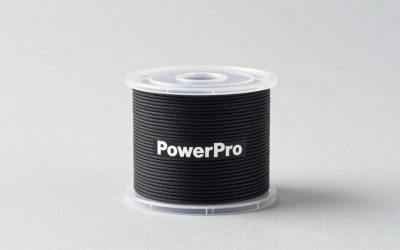
- POWJOY 20 lb Bulk Mono – best for cheap practice spools to drill knot technique
- Pre-Tied Dropper Loop Leader 60 lb – best for bottom rigs without tying every loop
Which One Is Right for You?
| If you… | Choose |
|---|---|
| Spin-fish ponds and lakes with 6 to 10 pound mono | Trilene XL 10 lb |
| Chase bluegill, crappie or trout and want to see the line | Stren Original Hi-Vis Gold 6 lb |
| Fish heavier cover, catfish or light saltwater | Trilene Big Game |
| Spool several reels from one source | Geode Monofilament |
| Tie leaders to big jigs, swivels or main line | KastKing DuraBlend 50 lb |
| Are new and want instructions on the box | Knot-Card Nylon Mono |
| Want to practice a knot twenty times without guilt | POWJOY 20 lb Bulk Mono |
| Fish multi-hook bottom rigs from a boat or pier | Pre-Tied Dropper Loop Leader |
As a rule, thinner mono wants more turns and a doubled-line knot like the Palomar, while thicker mono wants fewer turns and a knot that seats cleanly, such as the improved clinch with four turns or the San Diego jam. If you only learn two knots, make them the Palomar and the uni.
All 8 Picks in Detail
1. Berkley Trilene XL 10 lb – Best for Everyday Freshwater Spinning
As an Amazon Associate we earn from qualifying purchases at no extra cost to you.
Trilene XL is the line most people picture when they hear “limp, easy-casting mono.” The 10-pound clear spool in this listing holds 110 yards, which is enough for a light spinning reel when you re-spool a few times a season. It pairs especially well with the Palomar, because the doubled line passes through a small hook eye easily and the thin diameter cinches down cleanly. Anglers who fish bass, walleye or bigger panfish from the bank will find it an easy all-rounder.
- Line type: monofilament, clear
- Test: 10 pounds (about 4.5 kilograms)
- Spool length: 110 yards (about 100 meters)
- Diameter: about 0.011 inch (0.27 mm), per retailer specs
- Intended for freshwater
Pros:
- Thin for its strength, which seats Palomar and clinch knots tightly
- Soft enough to cast smoothly off a small spinning reel
Cons:
- A 110-yard spool may not fill a larger reel, so confirm on listing for your reel capacity
- Less abrasion armor than heavier lines around rocks and docks
Compared with Trilene Big Game, XL is limper and a hair thinner at the same test, which suits finesse knots, while Big Game trades some suppleness for toughness.
2. Stren Original Hi-Vis Gold 6 lb – Best for Ultralight Work You Can Watch
At 6 pounds, this is the lightest line in the group and the place where knot discipline matters most. The gold color is easy to track on the surface, which helps you spot a bite on a slack line and also helps you see whether your knot has slipped. Per Illinois DNR knot-tying guidance, light line in the 2 to 6 pound range calls for about six turns on an improved clinch, so this spool is a good place to apply that rule. Stren markets it as a controlled-stretch, low-memory line made in the USA.
- Line type: monofilament, Hi-Vis Gold
- Test: 6 pounds (about 2.7 kilograms)
- Designed for freshwater
- Stren lists controlled stretch and low memory for the series
- For scale, the 8-pound version measures about 0.011 inch (0.27 mm)
Pros:
- Visible color makes bite detection and knot checks easy
- Light test pairs well with panfish, trout and ultralight jigs
Cons:
- Bright gold is more visible to fish in very clear water, so confirm the color suits your lake
- Spool yardage is not stated in the listing text
Next to the Trilene XL, the Stren is the more visible line, while the XL is the one most anglers will choose when stealth matters more than visibility.
3. Berkley Trilene Big Game – Best for Tough Conditions and the Trilene Knot

Big Game is a heavy-duty mono sold from 8 pounds up to 130 pounds, with Berkley pitching it at catfish, striper, redfish and trophy bass. It is also the line used in a widely cited Field and Stream knot comparison, where the Trilene knot beat the other four knots in the comparison on 10-pound Big Game. If you want a practical pairing, tie the Trilene knot or the improved clinch to light Big Game and the San Diego jam to the heavier tests.
- Line type: monofilament
- Test range: 8 to 130 pounds, depending on spool
- Diameters per retailer tables: 10 lb about 0.012 inch, 20 lb about 0.018 inch, 30 lb about 0.022 inch, 50 lb about 0.028 inch
- Colors include clear, green and steel blue
- Exact test and spool size for this listing: confirm on listing
Pros:
- Tough, abrasion-resistant mono for rough bottoms and structure
- Wide test range lets one brand cover light and heavy setups
Cons:
- Stiffer and thicker than XL at the same test, with more memory on small reels
- Thick tests need fewer turns and careful seating
It is the practical step up from XL when your knot has to survive rocks, wood and bigger fish.
4. Geode Monofilament 3-100 lb – Best for Choosing the Exact Test You Need
Geode sells premium nylon mono in tests from 3 to 100 pounds and spool sizes of 500, 1,200 and 2,400 yards, and markets it for freshwater and saltwater use and for leader material. That range is the point. A knot-heavy angler who rigs panfish, bass and bottom rigs from one source can buy the right pound test for each knot, rather than forcing one line to do everything. It also works for backing a spinning reel or for tying practice knots across a wide range of diameters.
- Line type: nylon monofilament
- Test range: 3 to 100 pounds
- Spool sizes: 500, 1,200 and 2,400 yards
- Marketed for freshwater, saltwater and leader use
- Specific test and diameter for the version you buy: confirm on listing
Pros:
- Huge test range for different knot turn counts
- Bulk yardage keeps cost per spool down for heavy users
Cons:
- A 2,400-yard spool is a lot of line if you only own one reel
- Brand history and abrasion data are thinner than for the big-name lines, so confirm on listing
Compared with Trilene Big Game, Geode wins on available test choices, while Big Game wins on name recognition and published diameter tables.
5. KastKing DuraBlend 50 lb – Best for Heavy Leaders and the San Diego Jam
DuraBlend is sold as a saltwater mono leader material, and this version is 50-pound test, 120 yards and 0.60 mm in diameter. At that thickness, a Palomar can be hard to pass through small hook eyes, so a San Diego jam or a double uni is the practical choice. Knot guides report the San Diego jam, originally developed for tying line to heavy iron jigs when targeting large tuna, can hold up to about 95 percent of line strength when tied correctly. For leader-to-main-line joins, a double uni with five wraps on mono is the standard.
- Line type: monofilament leader, clear
- Test: 50 pounds
- Length: 120 yards (about 360 feet)
- Diameter: 0.60 mm
- Marketed as saltwater leader material with low memory and good abrasion resistance
Pros:
- Thick, stiff diameter works as a shock and abrasion buffer
- Good fit for heavy swivels, snaps and large jigs
Cons:
- Too stiff for light spinning or finesse casting as a main line
- Thick mono is harder to seat, so tie slowly and wet the knot
It is the opposite of the Stren 6 lb: the Stren is for thin-line precision, the DuraBlend is for brute strength.
6. Knot-Card Nylon Mono 8-80 lb – Best for Learning With Printed Guides
This listing is sold simply as nylon monofilament with knot guide cards. The cards show eight essential fishing knots, which is a real benefit if you are new and want a visual reminder in your tackle box. The maker describes molecular-bonded color rather than surface dyeing, low water absorption and good abrasion resistance, and sells it in tests from 8 to 80 pounds for fishing and for non-fishing uses such as garden support or crafts.
- Line type: nylon monofilament
- Test range: 8 to 80 pounds
- Includes instruction cards for eight knots
- Low water absorption and color blended into the nylon, per the listing
- Brand name is not clearly shown; confirm on listing
Pros:
- Instruction cards remove guesswork for beginners
- Wide test range suits different species
Cons:
- Limited published performance data compared with established brands
- Sold across fishing and crafts, so check the exact test you need on the listing
Compared with the POWJOY, the knot cards are the draw here, while the POWJOY emphasizes bulk yardage.
7. POWJOY 20 lb Bulk Mono – Best for Cheap Practice and Spare Spools
This is a 20-pound, 600-yard clear spool that the listing describes as low memory, nearly invisible, smooth casting and abrasion resistant, with knot cards included. The seller also pitches it for hanging decorations and crafts, which tells you it is a general-purpose nylon string. For knot learning that is useful: 20 pound mono is thick enough to see each turn and thin enough to cinch by hand, so it is a forgiving training line for the improved clinch (4 turns by Illinois DNR guidance at 14 to 20 pounds) and the uni.
- Line type: monofilament, clear
- Test: 20 pounds
- Length: 600 yards
- Includes knot cards
- Marketed as low memory and abrasion resistant
Pros:
- Plenty of yardage for repeated knot practice
- Good size for learning heavier-line technique
Cons:
- Not a premium main line for finesse fishing
- Cross-marketed for crafts, so confirm fishing suitability for your target species
Pick it over the Knot-Card Nylon Mono if you want a single known test and a large spool, and pick the other if you want a choice of tests.
8. Pre-Tied Dropper Loop Leader 60 lb – Best for Bottom Rigs Without Tying Every Loop
The dropper loop is a knot that forms a loop standing out sideways from the main line so you can attach a hook or sinker. This listing sells 80 pre-tied knots in 60-pound monofilament leader, each with a 5.5-inch loop and 18-inch spacing, aimed at sea bass, snapper and cod. It is useful for a pier or boat where you rig several hooks and do not want to tie a fiddly loop with cold hands. It is also a lesson in the trade-off: pre-tied means fixed spacing and fixed loop size.
- Line type: monofilament leader
- Test: 60 pounds
- 80 pre-tied dropper loops
- Loop diameter: 5.5 inches
- Spacing between loops: 18 inches
- Saltwater and freshwater use
Pros:
- Saves time and cold-finger frustration on multi-hook rigs
- Consistent knots mean consistent rig geometry
Cons:
- Fixed spacing and loop size cannot be tailored to a specific rig
- Strength of the pre-tied knots is not stated; confirm on listing
It sits at the opposite end from the bulk spools: you pay in flexibility, not in effort.
Specs Compared
| Product | Type | Test | Length | Best knot pairing | Notes |
|---|---|---|---|---|---|
| Berkley Trilene XL | Main line | 10 lb | 110 yd | Palomar, improved clinch | About 0.011 in |
| Stren Original Hi-Vis Gold | Main line | 6 lb | Confirm on listing | Improved clinch (6 turns), uni | Gold color |
| Berkley Trilene Big Game | Main line | Confirm on listing | Confirm on listing | Trilene knot, San Diego jam | 8-130 lb range |
| Geode Monofilament | Main line or leader | 3-100 lb range | 500, 1,200, 2,400 yd | Uni, Palomar, jam by test | Choose test on listing |
| KastKing DuraBlend | Leader | 50 lb | 120 yd | San Diego jam, double uni | 0.60 mm |
| Knot-Card Nylon Mono | Main line | 8-80 lb range | Confirm on listing | Any of the eight on the cards | Brand: confirm on listing |
| POWJOY Bulk Mono | Main line / practice | 20 lb | 600 yd | Improved clinch (4 turns), uni | Knot cards included |
| Pre-Tied Dropper Loop Leader | Leader with loops | 60 lb | Confirm on listing | Dropper loop (pre-tied) | 80 loops, 5.5 in, 18 in spacing |
How We Chose These
This is a research-based roundup. We started from the eight monofilament products attached to this topic, read each listing for test strength, length, diameter and any stated features, and then matched each line to the knot that published sources recommend for its thickness. For knot strength we relied on published comparisons from Tom Rowland’s podcast and Field and Stream, and for turn counts we used Illinois DNR, Outdoor Life and Northland tackle guidance. Where a listing omitted spool length or brand, we flagged it as “confirm on listing” instead of guessing.
What to Look For
Match Turns to Line Diameter
Thin mono wants more turns, thick mono wants fewer. Retailer tables show how quickly diameter climbs with pound test.
| Line | Approx. diameter | Suggested improved clinch turns |
|---|---|---|
| Trilene XL 4 lb | 0.008 in | 6 (2-6 lb range) |
| Trilene XL 6 lb | 0.009 in | 6 |
| Trilene XL 10 lb | 0.011 in | 5 (8-12 lb range) |
| Trilene XL 20 lb | 0.016 in | 4 (14-20 lb range) |
| Big Game 30 lb | 0.022 in | 4, per Outdoor Life for 20-40 lb |
The turn counts follow the Illinois DNR knot guide (six turns for 2-6 lb, five for 8-12 lb, four for 14-20 lb), with Outdoor Life recommending four wraps for 20 to 40 lb. Sources differ slightly, so treat these as starting points and seat the knot until it looks neat.
Knot Strength: What the Tests Say
Published tests vary by line and tier, but a few patterns repeat. In a Tom Rowland podcast pull test, the Palomar held about 91 percent of line strength against about 85 percent for the improved clinch. In a Field and Stream test on 10-pound Trilene Big Game, the Trilene knot beat the other four knots, the Palomar reached about 89 percent, and clinch variants reached 96 percent only when tied with extreme care. The lesson: Palomar is dependable, clinch can be excellent when tied slowly, and tying quality matters as much as knot choice.
Pick the Knot by Job
- Hook, jig or lure on light mono: Palomar or improved clinch
- One knot for everything: uni, with 5 to 7 turns on light mono and 3 to 5 on heavy
- Heavy mono to a big jig: San Diego jam, roughly 5 to 7 wraps depending on diameter
- Joining two lines: double uni, five wraps per side on mono
- Multiple hooks on a bottom rig: dropper loop
Wet It, Seat It, Test It
Mono is nylon, and friction heat from cinching a dry knot can weaken it. Always wet the knot with water or saliva, pull slowly so the turns lie side by side without crossing, and then pull hard on the standing line to confirm it holds. Trim the tag end close but leave a small tail. Retie after any nick, kink or fraying near the knot, because knot-adjacent line takes the most abuse.
A Worked Example
Say you are tying 10-pound Trilene XL to a size 8 jig for crappie. The line is about 0.011 inch, so a Palomar is the quickest strong choice: double about six inches, pass it through the eye, tie a loose overhand, pass the loop over the jig, wet it, and pull slowly. If the eye is tiny, switch to an improved clinch with five turns. Tie one on the practice spool first, pull it to failure, and look at where it broke. A clean break in open line is a good sign; a break at the knot means retie.
Questions
What is the strongest knot for monofilament?
No single knot wins every test. In published pull tests the Palomar, Trilene knot and a carefully tied improved clinch all finish near the top. Tying quality and wetting the knot matter as much as the name.
How many turns should an improved clinch have on mono?
Use more turns on thin line and fewer on thick line. Illinois DNR suggests six turns for 2 to 6 pound, five for 8 to 12 pound and four for 14 to 20 pound mono.
Is the Palomar knot good for thick monofilament?
It can be hard to tie with thick mono and small hook eyes. For heavy line, the San Diego jam or an improved clinch with fewer turns is usually easier to seat.
Why do my knots slip on mono?
The usual causes are too few turns, tightening a dry knot, or crossed turns. Wet the knot, keep the turns neat and pull slowly to seat it.
Should I use the same knot for hooks and for joining lines?
The uni can do both, but joins are better with a double uni. Use five wraps per side on mono, and use fewer wraps on the thicker of two lines if their diameters differ.
Do pre-tied loops weaken the line?
Strength depends on how the knots were tied and on the line, and the listing does not publish a figure. Confirm on listing, and inspect a few loops before you rig.
Update History
- October 15, 2026 – Updated with specification checks and a revised product comparison.
- Check the product page for current specifications and availability before buying.
Sources
- Tom Rowland podcast knot strength comparison (Palomar versus improved clinch)
- Field and Stream and Popular Science knot strength features (10 lb Trilene Big Game comparison)
- Illinois DNR improved clinch knot guide (turns by line weight)
- Outdoor Life improved clinch and uni knot guides
- Northland Fishing Tackle knot-tying guide (uni knot turns, double uni)
- Net Knots and Shimano San Diego jam knot instructions
- Retailer line tables for Berkley Trilene XL and Big Game diameters; product listings for each line


Write Your Review
No reviews yet. Be the first to share your experience!