
Key takeaways
- Find the best fishing lures for pickerel: eight picks compared, plus leader, lure size, weed cover and seasonal retrieve tips for chain pickerel.
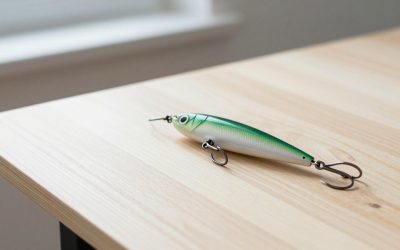
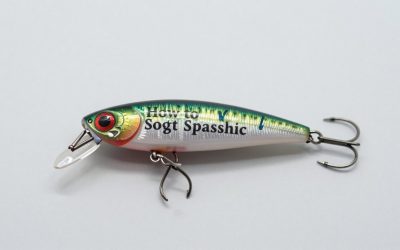
The Realure multi-jointed pike lure set is the best pick for pickerel because it comes with three wire traces, and wire is the one thing a pickerel’s teeth cannot cut through. Pickerel, usually chain pickerel, are slim, toothy ambush fish that hold in weeds, lily pads and fallen timber. The best lures for them flash, wobble and stay alive on a slow, erratic retrieve. This guide ranks eight listed options, explains which ones are lures and which are accessories, and shows how to rig and retrieve them.
Quick List
- Realure multi-jointed pike set – best for toothy fish, with wire traces included
- TRUSCEND Swimmax jointed swimbait – best for a slow, wiggling presentation along weed edges
- Unexcelled nickel spoon assortment – best for long casts and bright flash
- TSKS mixed lure kit – best for trying several lure shapes at once
- Lifelike jointed swimbait 3-pack – best for stocking spare swimbaits
- Northern Pike multi-jointed swimbait – best for hunting the largest fish in big water
- Gag luminous spoon set – best as a backup flash option, with caveats
- Lew’s Get’r Back lure retriever – best for getting snagged lures back (an accessory)
Which One Is Right for You?
| If you… | Choose |
|---|---|
| want a ready-to-fish toothy-fish setup | Realure multi-jointed pike set |
| fish open pockets between weed beds | TRUSCEND Swimmax |
| need distance and a flash lure that casts like a rock | Unexcelled spoon assortment |
| are new to pickerel and want variety | TSKS mixed lure kit |
| want spare swimbaits to risk in cover | Lifelike jointed 3-pack |
| hunt trophy fish in big, open water | Northern Pike multi-jointed swimbait |
| want a small backup flash lure | Gag luminous spoon set |
| fish timber and stumps and hate losing lures | Lew’s Get’r Back retriever |
Most pickerel lures are bass or pike lures that happen to work. The real separators are a leader that survives teeth, hooks that hold in the bony mouth, and a profile that matches a fish that is often only 15 to 22 inches long. Start with the Realure set, then add a spoon and a swimbait for variety.
All 8 Picks in Detail
1. Realure Multi-Jointed Pike Set – Best for Toothy Fish
As an Amazon Associate we earn from qualifying purchases at no extra cost to you.

This three-lure set is built for pike, and pickerel behave much the same way. The included wire traces mean you can clip on and cast without buying leaders separately.
- Contents: 3 jointed lures and 3 wire traces, listed at 15, 23 and 30 centimeters (about 6, 9 and 12 inches)
- Size: the variant on this listing is 12.5 centimeters and 17 grams, though other variants run smaller
- Action: slow sinking, with a wobbling, jointed swim
- Hooks: treble hooks with protective sleeves for storage
- Body: detachable sections; listings differ on material, so confirm
Clip a trace between your line and the lure, then roll the lure slowly along a weed edge and pause so it sinks gently, since pickerel often hit on the pause. The set is listed in more than one size: one variant is 10.2 centimeters and 14 grams, and this one is 12.5 centimeters and 17 grams, so check the variant on your listing. The traces convert to about 6, 9 and 12 inches, which fits the 8 to 12 inch leaders anglers commonly use.
Pros
- Leaders are included, so you are ready for teeth right away
- Slow sinking action suits cool-water, slow-retrieve fishing
Cons
- The 12.5-centimeter size is large for small chain pickerel
- Treble hooks collect weeds in dense cover
It beats the Lifelike 3-pack mainly because the wire is in the box.
2. TRUSCEND Swimmax Jointed Swimbait – Best for a Slow Wiggle
The Swimmax is a segmented swimbait that wiggles, vibrates and rattles at slow speeds. That suits cool-water pickerel that follow a lure and need a reason to bite.
- Sizes: brand listings show roughly 4 inches at 0.4 ounce and 5.4 inches at 0.9 ounce, with other weights on some pages
- Joints: heavy-duty Dyneema fiber between segments
- Hooks: BKK treble hooks on most listings
- Action: slow sinking, with a rattle and a wobbling swim
- Target species: bass, trout, pike, walleye and crappie, per the listing
For typical chain pickerel, the 4 inch size is the better match, with the larger one saved for bigger water. Fish it at a slow roll with an occasional twitch along weed lines, in open pockets and beside timber. Use a 6.5 to 7 foot medium or medium-light rod with a wire or heavy fluorocarbon leader, since teeth can cut through ordinary line.
Pros
- Durable joint material stands up to repeated strikes
- Works from a slow roll to a twitch-and-pause retrieve
Cons
- No leader included, so add wire or heavy fluorocarbon
- Exact size and weight differ by listing, so confirm before ordering
Choose it over the Lifelike 3-pack when you want a better-documented joint design.
3. Unexcelled Nickel Spoon Assortment – Best for Distance and Flash
Spoons are a classic for pickerel because they flash like a wounded minnow and cast far. This five-piece set is aimed at pike and lake trout, but it is a useful tool for fish along weed lines.
- Weight: 7/8 ounce each
- Material: .045 nickel-plated steel, per the listing
- Hook: single 2/0 hook
- Count: 5 spoons, with patterns that may vary by pack
- Use: casting and retrieving or jigging along drop-offs
Cast beyond a weed line and retrieve with lifts and pauses so the spoon flutters, or jig it over a drop-off in deeper water. Listings suggest a swivel or extra split ring to reduce line twist, and the single hook snags less than a treble, though it is not weedless. The 7/8 ounce weight is heavy for shallow ponds, so save it for lakes where you need distance.
Pros
- Long casts reach cover without spooking fish
- Sturdy steel body with a big, strong hook
Cons
- Not weedless; it fouls in dense vegetation
- The 7/8 ounce weight is heavy for shallow ponds
Pair it with the TRUSCEND to cover both flash and finesse.
4. TSKS Mixed Lure Kit – Best for Variety
The TSKS kit packs many lure shapes into one box, so you can find what the fish want without buying single lures. Retailer pages show several near-identical TSKS listings, so confirm the piece count on yours.
- Contents: listed as minnow lures, crankbaits, poppers, pencil baits, vibrating baits and soft lures
- Piece count: a closely related TSKS listing shows 105 pieces
- Hooks: treble hooks on the hard baits
- Target species: trout, bass, perch, pike and salmon, per the listing
- Weight: about 0.63 pounds for the related listing
Use the kit as a testing tool. Start with the minnow shapes along weed edges, try poppers and pencil baits at dawn and dusk when pickerel feed near the surface, and keep notes on which shape draws follows. Expect to add your own leader, and consider upgrading the hooks on the lures that work. The listing family shows 105 pieces, but your exact variant may differ, so confirm the count.
Pros
- Lets you test shallow, surface and diving shapes on one trip
- Good for learning what pickerel in your water prefer
Cons
- Small hooks and sizes may bend or fall short on bigger fish
- Many pieces are sized for trout and panfish, not pickerel
It is the best learner kit here, but the Realure set is more targeted.
5. Lifelike Jointed Swimbait 3-Pack – Best Extra Swimbaits
This three-pack of multi-jointed, lifelike swimbaits is a fit for anglers who want spare lures. The listing is brief, so confirm sizes and weights before you commit.
- Count: 3 swimbaits in the pack
- Style: realistic, multi-jointed bodies with a popper-style option mentioned in the title
- Target species: bass, trout, walleye and predator fish, per the listing
- Water: listed for freshwater and saltwater
- Size and weight: not stated clearly; confirm on the listing
Use these in open pockets and along weed edges where a jointed body can swim freely. The listing title also mentions popper-style swimbaits and a mix of freshwater and saltwater use, but it does not clearly state size or weight, so confirm those details before you count on them. Think of the pack as spares for timber and weeds, and always add a wire leader.
Pros
- Gives you backups to lose in timber
- Jointed action works on a slow retrieve
Cons
- No leaders included
- Hook quality and sizes are not well documented
It is the least documented swimbait in this list; the Realure set offers more certainty about what you get.
6. Northern Pike Multi-Jointed Swimbait – Best for Trophy Water
This swimbait comes in 5 and 8 inch sizes and is meant for muskie and pike. It is oversized for typical chain pickerel, so treat it as a runner-up for large lakes where bigger fish roam.
- Sizes: medium and large, listed as 5 and 8 inches
- Hooks: two Mustad treble hooks
- Body: multi-segment with a printed baitfish finish
- Action: swims naturally and can be fished very slowly
- Target species: bass, striped bass, pike, muskie, trout and salmon
Use this where larger predators share the water, such as lakes with pike or muskie, or when a big pickerel is the goal. At 5 to 8 inches it needs a stiffer rod, heavier line and a stronger leader than the smaller lures here. Fish it very slowly, as the listing says, along weed edges and over deeper structure, and watch for a follower on the last few feet of each cast.
Pros
- Large profile draws attention from big predators
- Slow-swimming action suits cold water
Cons
- Too big for most pickerel; use it only where larger fish are present
- Needs a heavier rod, line and leader
Compared with the Realure set, it is for bigger fish and bigger gear.
7. Gag Luminous Spoon Set – Best as a Backup Flash Option
The title reads like a novelty gift set of luminous sequin spoons. The listing does not make sizes, hook strength or weights clear, so treat it as a backup and confirm details first.
- Style: metal spoons with luminous sequin finish
- Marketed for: bass and general freshwater and saltwater use
- Hooks: not described clearly; confirm on the listing
- Size and weight: not stated; confirm
- Count: a set, number not specified
If you use these spoons, fish them on short casts with a steady retrieve and a few pauses, and replace the hooks if you cannot confirm their strength. Add a swivel to limit line twist, and use a wire leader, because the small size will not stop a toothy fish from cutting thin line. Because the listing is vague, consider this set a spare, not your main lure.
Pros
- Adds flash to a tackle box
- Small spoons may suit smaller pickerel
Cons
- Unclear hook quality for toothy fish
- Specifications are thin, so verify before buying
Choose the Unexcelled spoons first if you want a documented pike-grade option.
8. Lew’s Get’r Back Lure Retriever – Best for Recovering Snagged Lures
This is not a lure. It is a weighted retriever that slides down your line to knock a snagged lure loose, which matters when pickerel hold in timber and weeds.
- Weight: about 8.9 ounces
- Cord: about 28 feet of nylon cord
- Design: triangular, weighted, rubber-coated body
- Use: crankbaits and swimbaits stuck just out of reach of your rod tip
- Finish: bright yellow
Attach it to the line, let it slide down to the snag, then pull from a different angle with the cord; retailers do not spell out the steps, so read the instructions in the box. It is built for crankbaits and swimbaits stuck in trees, stumps or rocks just out of reach, and it works only while the lure is within cord range. At nearly 9 ounces, keep it in the boat bag, not on a long shoreline walk.
Pros
- Saves lures that would otherwise be lost
- Simple to attach and remove from your line
Cons
- Only helps when the snag is within cord range
- Adds weight to your boat or bank gear
It does not replace any lure, but it pays for itself the first time it saves a favorite bait.
Specs Compared
| Product | Type | Size or count | Hooks | Leader included |
|---|---|---|---|---|
| Realure multi-jointed pike set | Jointed lures | 3 lures, 12.5 cm variant | Treble | Yes, 3 wire traces |
| TRUSCEND Swimmax | Jointed swimbait | About 4 to 5.4 in, confirm | BKK treble | No |
| Unexcelled spoon assortment | Spoons | 5 spoons, 7/8 oz | Single 2/0 | No |
| TSKS mixed kit | Assorted hard and soft | Confirm piece count | Treble | No |
| Lifelike jointed 3-pack | Swimbaits | 3, size unclear | Confirm on listing | No |
| Northern Pike swimbait | Jointed swimbait | 5 or 8 in | 2 Mustad treble | No |
| Gag luminous spoon set | Spoons | Confirm on listing | Confirm on listing | No |
| Lew’s Get’r Back | Lure retriever | 8.9 oz, 28 ft cord | Not applicable | Not applicable |
No price column appears here because listing figures change often. Confirm sizes, counts and variants on the product page.
How We Chose These
This guide comes from desk research alone. We compared each listed product’s title, specifications and retailer descriptions, then checked pickerel behavior and tackle advice from fisheries and angling sources. We ranked products on four points: whether the item suits toothy fish, how well it works near weeds, how clearly the listing documents sizes and hooks, and how well it fits chain pickerel of about 15 to 22 inches. Where a listing was thin, we say so and tell you to confirm details on the page.
What to Look For
Know the Fish and the Water
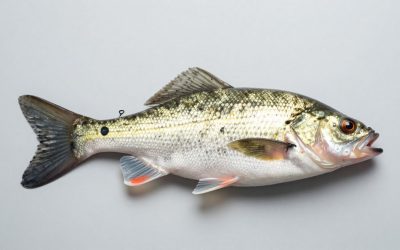
Chain pickerel usually run 15 to 22 inches and 1 to 3 pounds, and a fish over 20 inches is considered a good one. The world record is 9 pounds, 6 ounces, caught in Georgia in 1961. They live in shallow, vegetated water from about 1 to 15 feet deep: lily pads, weed lines, timber, creek pools and cove edges. Size your lure to the fish you expect. A 2 to 4 inch profile fits typical pickerel, while 5 to 8 inch baits are for pike, muskie or trophy fish.
Leaders and Line
Pickerel teeth cut monofilament. A steel or wire leader of about 8 to 10 inches is common advice, and some anglers use a 12-inch, 20-pound steel leader. A few get by with about 14-pound mono, but they lose more lures to bite-offs. For the main line, 12 to 17 pound test on a spinning outfit is a common choice. Braid works in weeds but still needs a leader. Use small hooks, size 2 to 4, for single-hook baits and trebles.
Lure Types and Weed Management
Bright inline spinners, spoons, jerkbaits and spinnerbaits all work. Weedless spoons slip through cover, jerkbaits can be paused to tempt a follower, and spinnerbaits push through heavier vegetation. Soft frogs and plastics rigged Texas-style fish thick weeds. Treble hooks collect plants, so use them along open edges and keep single-hook weedless baits for matted cover. A lure retriever helps in timber.
Season, Time and Retrieve
| Season | Where to cast | Retrieve |
|---|---|---|
| Early spring | Shallow weeds and warming coves | Slow, with pauses; pre-spawn fish feed hard |
| Summer | Shaded pockets in thick weeds | Topwater, frogs, weedless spoons |
| Fall | Weed edges as lakes cool | Medium speed, erratic jerks |
| Winter | Deeper holes near weed beds | Jigging spoons or live bait |
Pickerel prefer cool water, so spring and fall are often the best seasons, and dawn and dusk are strong windows. A slow, erratic retrieve with pauses usually beats a steady crank.
Match Lure Weight to Your Rod
Casting a lure heavier than your rod can handle hurts accuracy and can damage the blank. Pickerel are often fished with a 6.5 to 7 foot medium-light to medium spinning rod, which handles lures from about 1/8 to 3/4 ounce. Use this simple check against the listed weights.
| Lure or weight | Rod power that fits |
|---|---|
| TRUSCEND at about 0.4 ounce | Medium-light to medium |
| Realure at about 17 grams (about 0.6 ounce) | Medium |
| TRUSCEND at about 0.9 ounce | Medium-heavy |
| Unexcelled spoon at 7/8 ounce | Medium-heavy |
| Northern Pike swimbait at 5 to 8 inches | Medium-heavy or heavy |
The Realure number comes from a gram-to-ounce conversion (17 grams divided by 28.35 is about 0.6 ounce). If your rod label stops at 5/8 ounce, skip the 7/8 ounce spoons or buy a heavier rod.
Lure by Cover Type
| Cover | Lure style | How to work it |
|---|---|---|
| Open weed edge | Inline spinner, jointed swimbait, spoon | Cast parallel to the edge and retrieve slowly with pauses |
| Matted lily pads | Hollow-body frog or weedless spoon | Walk it across the top and pause at holes |
| Fallen timber | Suspending minnow or jointed lure | Twitch and rest beside the wood; keep a retriever handy |
| Deeper holes and drop-offs | Jigging spoon or heavier spoon | Let it sink, then lift and drop |
Handling Toothy Fish
Keep fingers away from the mouth and use long-nose pliers to remove hooks. Hold the leader steady rather than lifting the fish by line, and have your tools ready before the first cast. Check local rules for your water before you keep any fish.
Questions
Do I need a wire leader for pickerel?
Yes, in most cases. Their teeth cut mono quickly, and an 8 to 10 inch steel leader protects your lure and line. Only a few anglers skip it, and they accept more bite-offs.
What size lure is best?
A 2 to 4 inch lure matches most pickerel. Go larger only if you target trophy fish in big water or share the lake with pike or muskie.
What color should I use?
Bright colors such as chartreuse and orange help in stained water, and silver or natural baitfish patterns work in clear water. Match the water clarity first.
Where do pickerel hide in summer?
They stay in shaded weed beds, lily pad fields and around timber and docks. Cast along weed edges and into pockets.
Are treble hooks or single hooks better?
Trebles hold better on hard-body lures but collect weeds. Single-hook weedless lures work in matted cover. Many anglers carry both.
Update History
- October 15, 2026 – Updated with specification checks and a revised product comparison.
- Check the product page for current specifications and availability before buying.
Sources
- Product listings and retailer specification pages for each listed item
- Orvis News chain pickerel fact guide
- MeatEater, Bass Pro Shops and In-Fisherman chain pickerel tactics
- New Jersey Fish and Wildlife chain pickerel guidance
- Retailer descriptions for the Lew’s Get’r Back lure retriever



Write Your Review
No reviews yet. Be the first to share your experience!