
Key takeaways
- Over-oiling: Excess oil slows a spool, collects grit, and can migrate into the drag or braking system.
- Using household products: WD-40, motor oil, cooking oil, and general-purpose grease may damage finishes or leave an unsuitable residue.
- Mixing up washers: Drag washers and spacers can look similar but may need a precise sequence.
- Blasting bearings with air: High-pressure air can spin a bearing dry at damaging speed or push debris past its seals.
- Greasing brake surfaces: Magnetic and centrifugal braking parts should remain clean and dry unless the manual says otherwise.
- Forcing stuck screws: Use the correct driver size and apply gentle downward pressure. Stop if the head begins to deform.
- Ignoring line and guides: A frayed line or dirty level-wind eyelet can mimic a reel problem.
A baitcasting reel works best when its spool spins freely, its bearings stay lightly lubricated, and its drag and braking systems remain clean. Dirt, dried grease, salt, and excess oil can make a reel feel rough, reduce casting distance, or cause inconsistent braking and backlashes. Servicing it incorrectly can be just as harmful: too much oil attracts grit, the wrong grease can contaminate drag washers, and overtightening small screws may damage delicate threads or side plates.
The good news is that routine baitcaster maintenance is manageable at home. The process below is designed for a typical low-profile reel and takes about 30 to 60 minutes, depending on how deeply you clean it. Always check your reel’s manual before removing parts, since brake systems, spool bearings, and drag stacks vary. The same basic routine applies to many modern reels, including budget models such as the roughly $15–$20 SylvanFlux Metal + Nylon Baitcasting Reel and the approximately $25–$35 Sougayilang reel with digital anti-backlash control.
Our top picks
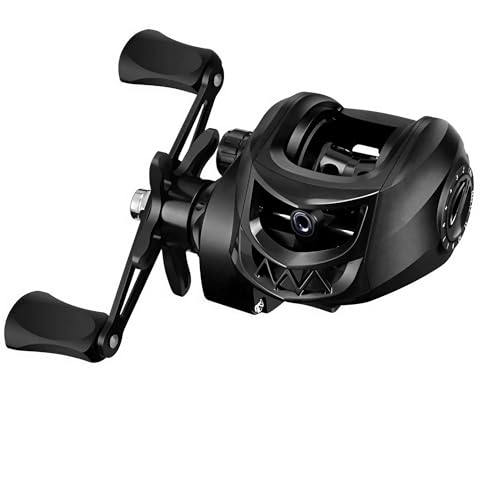
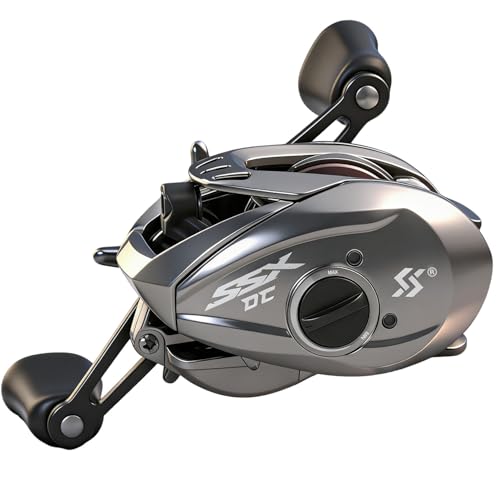
As an Amazon Associate we earn from qualifying purchases at no extra cost to you. Ratings are shown as listed on Amazon.
What You Need
| Item | Why | Optional? |
|---|---|---|
| Small Phillips and flathead screwdrivers | Removes side-plate, handle, and tension-knob screws. Use correctly sized tips to prevent stripped heads. | No |
| 10 mm or reel-specific handle nut wrench | Loosens the handle nut without rounding it. | No |
| Reel oil | Provides one or two drops of low-viscosity lubricant for spool and handle bearings. | No |
| Reel grease | Protects gears, worm gears, and lightly loaded moving contact points. | No |
| Isopropyl alcohol, 70% or higher | Removes old oil and grime from metal parts. | Yes |
| Lint-free cloths and cotton swabs | Wipes surfaces without leaving fibers behind. | No |
| Small parts tray or magnetic dish | Keeps screws, washers, and clips in order. | Yes |
| Soft toothbrush and compressed air | Brushes away debris. Use compressed air sparingly so you do not force grit deeper into bearings. | Yes |
Step-by-Step
1. Prepare and document the reel (5 minutes)
Move to a clean, well-lit table and place a light-colored towel underneath the reel. A 24-by-18-inch work area is usually enough. Remove the lure and rod, loosen the drag, and wipe the exterior with a dry cloth. Take photos before removing the handle, side plate, or drag components. These pictures provide a useful reference for washer order and spring placement.
Do not begin with the reel wet. If it has recently been used in salt water, wipe it with a lightly damp freshwater cloth, dry it thoroughly, and let it sit for several hours. Never soak a baitcaster or place it under a running faucet unless the manufacturer specifically permits it.
2. Remove the spool and inspect the frame (5 minutes)
Set the cast-control tension knob to a moderate setting, then open the non-handle side plate according to the reel’s instructions. Remove the spool carefully and place it on the towel. Inspect the spool shaft, pinion area, line guide, and brake surfaces for sand, corrosion, or dried lubricant.
Look for a bent spool shaft or spool damage by rolling the spool gently on a flat surface. It should roll smoothly without wobbling. Do not force a spool out if it feels stuck; a retaining clip or brake component may still be engaged.
3. Clean the spool and bearings (10 minutes)
Use a cotton swab lightly dampened with isopropyl alcohol to clean the spool shaft and accessible bearing surfaces. If the spool bearings are removable and you are comfortable handling tiny clips, remove them and place them in a labeled dish. Swirl each bearing in a small amount of alcohol, then allow it to air-dry completely on a lint-free cloth.
Spin a dry bearing on the tip of a pencil or small screwdriver. A healthy bearing should turn smoothly without grinding, catching, or producing a gritty sound. Add one drop of reel oil to each clean spool bearing. One drop means roughly 0.02 to 0.05 milliliters; more is not better. Reinstall the bearings and clips in their original orientation.
Clean magnetic or centrifugal brake components with a dry cotton swab. Avoid applying grease or thick oil to brake shoes, magnets, or brake rings. Lubricant in these areas can make braking inconsistent.
4. Open the gear side and clean old grease (10–15 minutes)
Remove the handle nut, handle, star drag, and gear-side cover only if your reel’s design allows routine access. Keep every washer in order. Many reels use thin keyed and eared drag washers that must return to a specific sequence.
Use cotton swabs and a cloth to remove old grease from the main gear, pinion gear, worm gear, and frame. A soft toothbrush can loosen hardened residue. Use alcohol only on bare metal parts, and keep it away from painted surfaces, rubber seals, plastic gears, and drag washers unless the manufacturer approves it.
Do not pry against the frame or use metal picks on plastic components. If a gear has chipped teeth, deep grooves, or visible rust pits, cleaning will not restore it.
5. Apply fresh grease and oil (5–10 minutes)
Apply a thin film of reel grease to the gear teeth. A pea-sized amount is usually more than enough for one low-profile baitcaster; spread it across the teeth rather than packing the gear cavity. Add a very light coating to the worm gear and its level-wind contact points.
Use reel oil, not grease, on small bearings, the handle knobs, and designated pivot points. Most locations need one drop. Wipe away any visible excess. Keep grease off the drag washers unless the reel maker specifies a compatible drag grease, and never substitute automotive grease or household penetrating oil.
6. Reassemble and set the reel (5–10 minutes)
Replace the pinion yoke, springs, gears, drag washers, star drag, handle, and side plate in the order shown in your photos or manual. Tighten screws until snug, then stop. Small reel screws do not need heavy force, and overtightening can strip aluminum or plastic threads.
Reinstall the spool and close the side plate. Set the cast-control knob until the spool has minimal side-to-side play, then back it off slightly. Set the magnetic or digital brake to a conservative mid-to-high setting for the first test. Digital braking systems should be adjusted through their normal controls rather than modified internally.
7. Test the reel (5 minutes)
Turn the handle slowly. It should feel smooth, with no scraping, clicking, or sudden resistance. Press the thumb bar and check that the spool engages and disengages reliably. Pull line through the level wind and test the drag by hand. The drag should release evenly rather than sticking and then suddenly slipping.
Make a few short casts in an open area before returning to full-power casting. Listen for unusual noise and check that the spool stops cleanly. If the reel feels worse after servicing, stop using it and retrace the assembly order.
Mistakes to Avoid
- Over-oiling: Excess oil slows a spool, collects grit, and can migrate into the drag or braking system.
- Using household products: WD-40, motor oil, cooking oil, and general-purpose grease may damage finishes or leave an unsuitable residue.
- Mixing up washers: Drag washers and spacers can look similar but may need a precise sequence.
- Blasting bearings with air: High-pressure air can spin a bearing dry at damaging speed or push debris past its seals.
- Greasing brake surfaces: Magnetic and centrifugal braking parts should remain clean and dry unless the manual says otherwise.
- Forcing stuck screws: Use the correct driver size and apply gentle downward pressure. Stop if the head begins to deform.
- Ignoring line and guides: A frayed line or dirty level-wind eyelet can mimic a reel problem.
How Often
Wipe down a baitcaster after every outing, especially after exposure to salt, sand, mud, or rain. Apply a drop of oil to accessible bearings and moving points every 10 to 20 hours of fishing, or whenever the reel begins to sound dry. Perform a deeper cleaning and gear inspection once or twice per season for freshwater use.
Saltwater anglers should rinse salt from the exterior with a light freshwater mist or damp cloth, dry the reel immediately, and perform a deeper service every 5 to 10 trips. Heavy surf, brackish water, and sandy conditions may require service sooner.
When to Call a Pro or Replace
Use a professional reel technician if the reel has seized bearings, stripped screws, bent shafts, damaged anti-reverse parts, or a drag that remains uneven after cleaning. Professional service is also sensible when the reel requires complete disassembly or when replacement parts are difficult to identify.
Replacement may make more sense when repair costs approach the reel’s value, the frame is cracked, the spool is badly bent, or multiple gears and bearings are worn. For an entry-level reel in the roughly $15–$35 range, a major parts bill may exceed the cost of a new reel. For a higher-end reel, professional repair is often worthwhile.
FAQ
Can I use water to clean a baitcasting reel?
Use only a light freshwater mist or damp cloth on the exterior, then dry the reel completely. Do not submerge the reel or spray pressurized water into bearings, side plates, or the drag.
How much oil should I put on a baitcasting reel?
Usually one drop per accessible bearing or pivot is sufficient. If oil is visibly pooling or running from a part, you applied too much. Wipe off the excess before casting.
Should I grease the drag washers?
Only if the manufacturer specifies a compatible drag grease. Carbon-fiber drag washers may be designed for light lubrication, while felt or certain composite washers may be used dry. Check the manual before applying anything.
Why does my reel still make noise after servicing?
Noise may come from a worn spool bearing, damaged gear teeth, a loose handle nut, a misaligned side plate, or line rubbing the level wind. Recheck assembly and fasteners first. Persistent grinding or clicking usually indicates a part that needs replacement or professional inspection.


Write Your Review
No reviews yet. Be the first to share your experience!