
Key takeaways
- Leaving lures in a hot vehicle: Temperatures inside a parked car can rise quickly and warp tails or fuse baits.
- Mixing colors in one bag: Dye transfer is especially noticeable on white, pearl, and translucent plastics.
- Storing wet baits: Trapped water encourages odor, residue, and corrosion on nearby hooks.
- Using soft-plastic baits as filler: Do not pack bags so tightly that tails stay bent under pressure.
- Combining formulas without checking: Different brands or materials may react, bleed color, or become sticky.
- Leaving hooks exposed: A sharp point can puncture several bags and create a safety hazard.
- Applying household chemicals: Oil, solvent, and cleaning products can change the plastic’s texture.
- Throwing everything into one tray: Organization saves time and makes damaged or contaminated lures easier to spot.
Soft plastic lures are easy to store, but the wrong container, temperature, or organization system can ruin them. Heat may soften or melt baits together, while incompatible plastics can cause colors to bleed, surfaces to become sticky, or tails to warp. Salt, scent, and moisture can also shorten a lure’s useful life. Learning how to store soft plastic lures properly keeps them ready for the next trip and prevents a tackle box from becoming one fused, oily mess.
The basic rule is simple: keep each bait type in a compatible, sealed package; store similar colors and materials together; and protect everything from heat, sunlight, and pressure. The method below works for paddle tails, curly tails, worms, craws, tubes, and other common soft plastics.
Our top picks
As an Amazon Associate we earn from qualifying purchases at no extra cost to you. Ratings are shown as listed on Amazon.
What You Need
| Item | Why | Optional? |
|---|---|---|
| Original resealable bait bags | They are usually compatible with the lure material and preserve the manufacturer’s scent and oil. | No |
| Soft-plastic-safe tackle tray, 10 to 15 inches long | Provides organization without forcing baits into an incompatible hard-plastic compartment. | No, unless storing only a few bags |
| Resealable polyethylene bags, 1 quart or 1 gallon | Useful for grouping unopened packages, colors, or lure sizes. | Yes |
| Waterproof labels and permanent marker | Identify size, color, style, and whether a bag contains used or unused lures. | Yes |
| Paper towels or a lint-free cloth | Remove water, dirt, and excess oil before storage. | No |
| Small plastic tub or drying rack | Lets rinsed lures drain and dry without touching other tackle. | Yes |
| Soft-plastic repair material, such as Bait Plastics Premium Lure Plastisol – 112 Super Soft Formula, about $40 to $55 | Can be useful for experienced anglers repairing tears or remolding damaged baits; follow the product’s safety directions. | Yes |
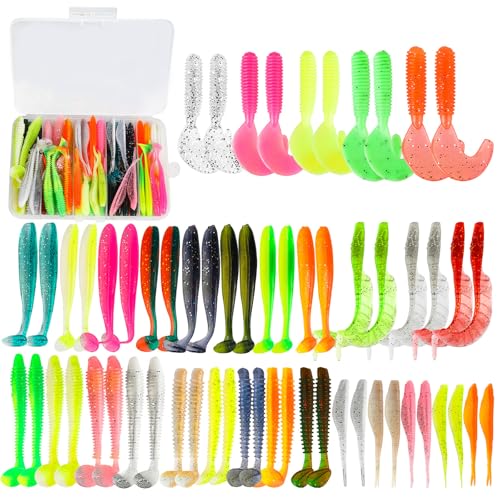
| Separate bait bags, such as 60-piece paddle-tail sets, typically about $8 to $15 | Keep inexpensive assorted lures sorted by style and color instead of loose in a tray. | Yes |
Do not assume every tackle-box compartment is safe for soft plastics. Some hard plastics and soft baits can react with one another. When the packaging does not identify the material, keep the lure in its original bag or use a bag specifically sold for soft plastics.
Step-by-Step
1. Sort the lures before cleaning (10 to 15 minutes)
Empty one bag, tray, or drawer at a time. Group lures by style first—worms, swimbaits, craws, tubes, and grubs—then by length and color. Keep scented, salted, glittered, and unscented baits in separate groups when possible.
Do not combine dark colors with light or translucent colors. Black, blue, red, and heavily dyed baits can transfer color to lighter plastics. Also separate very soft lures from firmer ones if they are likely to be compressed. A 6.5-centimeter paddle tail, for example, can develop a permanent bend when packed tightly against larger baits.
2. Inspect every lure (5 to 10 minutes)
Look for torn noses, split bodies, bent tails, dried-out surfaces, white residue, unusual stickiness, or a strong chemical odor. Set aside baits that are fused together or have changed texture. Do not force stuck lures apart; pulling can stretch the plastic and permanently deform the body.
Check hooks and jig heads as well. Never store a soft lure with an exposed hook unless the hook point is safely covered or the item is placed in a dedicated rigged-lure compartment. Hooks can puncture bags and damage nearby baits.
3. Rinse used lures with fresh water (2 to 5 minutes per batch)
After fishing, rinse used lures with cool or lukewarm fresh water to remove sand, salt, algae, and fish slime. Avoid hot water, which may soften or distort some formulas. A gentle stream is enough; scrubbing can damage thin tails and appendages.
If a lure has heavy residue, use a small amount of mild, unscented dish soap diluted in water, then rinse thoroughly. Avoid solvents, bleach, alcohol, and household degreasers. They may weaken the plastic or leave a residue that affects future use.
4. Dry the lures completely (30 minutes to 2 hours)
Spread the baits in a single layer on a clean towel or plastic drying rack. Turn them once if they are thick or heavily salted. Store them only when the outside is dry and no water remains inside a hollow body.
Do not use a hair dryer, heat gun, radiator, or direct summer sun to speed up drying. If you need gentle airflow, use a room fan set several feet away. A small fan rated around 10 to 25 watts is sufficient; high heat is more damaging than helpful.
5. Return each lure to a compatible bag (5 to 15 minutes)
Whenever possible, use the original manufacturer’s bag. Lay the lures flat, or position them naturally so paddle tails and curly tails are not folded. Leave a little air space rather than stuffing a bag until it is tight.
If the original package is missing, use a thick resealable polyethylene bag made for fishing tackle. Do not transfer soft plastics into food containers, thin disposable sandwich bags, or random clear tackle compartments unless the manufacturer says they are compatible. Keep the liquid oil or scent that came with the bait inside the bag; it helps prevent some lures from drying out.
6. Label and separate the packages (10 minutes)
Write the lure style, length, color, scent, and date of cleaning on each bag. For example: “paddle tail, 8 centimeters, pearl white, rinsed, June 2026.” A separate “used” label can remind you to inspect baits before the next trip.
Place each bag upright or flat according to the lure shape. Use dividers for different colors and styles. Avoid placing heavy jig heads, pliers, or utility tools on top of the bags.
7. Store the container in a cool, dark place (5 minutes)
Keep soft plastics in a dry indoor cabinet, tackle room, or shaded storage bin. Aim for a stable room-temperature environment, roughly 50 to 75 degrees Fahrenheit. Short exposure outside is usually unavoidable, but do not leave a tackle box in a closed vehicle, attic, shed, or garage during hot weather.
Keep the box away from heaters, windows, and direct sunlight. Store it level, with enough room that bags are not crushed. A lidded container helps block dust, but it should not trap wet lures. If condensation is a concern, add a small reusable desiccant pack to the outer storage bin—not directly inside a lure bag.
Mistakes to Avoid
- Leaving lures in a hot vehicle: Temperatures inside a parked car can rise quickly and warp tails or fuse baits.
- Mixing colors in one bag: Dye transfer is especially noticeable on white, pearl, and translucent plastics.
- Storing wet baits: Trapped water encourages odor, residue, and corrosion on nearby hooks.
- Using soft-plastic baits as filler: Do not pack bags so tightly that tails stay bent under pressure.
- Combining formulas without checking: Different brands or materials may react, bleed color, or become sticky.
- Leaving hooks exposed: A sharp point can puncture several bags and create a safety hazard.
- Applying household chemicals: Oil, solvent, and cleaning products can change the plastic’s texture.
- Throwing everything into one tray: Organization saves time and makes damaged or contaminated lures easier to spot.
How Often
Inspect and organize your main supply every three to six months, or at the beginning and end of each fishing season. Check used lures after every trip. Rinse saltwater baits immediately, dry them the same day, and return them to their original bags.
During a long storage period, examine the bags once a month for leaks, swelling, color transfer, or fused lures. Rotate frequently used colors toward the front and keep rarely used packages flat and undisturbed. Replace labels whenever oil makes the writing difficult to read.
When to Call a Pro or Replace
Most storage problems are minor, but replace any lure that has become brittle, deeply cracked, badly misshapen, or contaminated with an unknown chemical. Discard a bag if the contents have fused into a hard mass that cannot be separated without tearing. A lure that smells strongly of solvent or has an unusual oily film should not be placed back with usable tackle.
Professional help is rarely needed for ordinary storage. Consider consulting a qualified tackle-repair specialist if you want to remold a valuable or discontinued lure, repair a large batch, or work with heated plastisol. Heated lure-making materials require ventilation, protective equipment, and careful temperature control. Do not attempt repairs in a kitchen or around children and pets.
FAQ
Can soft plastic lures stay in a tackle box?
Yes, if each lure remains in a compatible sealed bag or a manufacturer-approved tray. Keep the box cool, dry, shaded, and free of heavy items that can bend the lures. Original packaging is the safest choice for long-term storage.
Should soft plastics be stored flat or standing up?
Store them in the position that keeps their shape natural. Flat bags work well for worms and paddle tails, while standing bags can make small packages easier to browse. The important point is to avoid sharp folds, crushing, and long-term pressure on thin tails.
Can I store different brands of soft plastics together?
It is better not to unless they are sealed separately. Formulas, oils, salts, scents, and dyes vary by brand. Keeping each type in its own labeled bag prevents chemical interaction and makes color transfer less likely.
How long do soft plastic lures last in storage?
There is no universal expiration date. Clean, sealed lures stored away from heat and sunlight can remain usable for years, while poorly stored baits may fail in weeks. Inspect them before use and replace any bait that is brittle, sticky, fused, badly warped, or chemically contaminated.



Write Your Review
No reviews yet. Be the first to share your experience!