
Key takeaways
- Using heat: Hot water and heated air can permanently alter nylon. Lukewarm water is sufficient.
- Stretching the line hard: A strong pull may hide memory temporarily while weakening the line. Use steady, moderate tension.
- Overfilling the spool: Leave about 1/16 inch below a spinning-reel spool lip. Too much line produces loose coils and wind knots.
- Ignoring twist: Memory and line twist are different problems. If the lure spins, the line may need a swivel, a careful re-spooling procedure, or replacement.
- Reeling over a knot: Stop and remove the knot first. Packing a knot tightly onto the spool can create a weak spot and future tangles.
- Using a rough cloth: Abrasive fabric can scuff mono. Choose a clean, soft cloth.
- Trying to save damaged line: Straightening cannot repair nicks, abrasion, sun damage, or flattened sections.
Monofilament fishing line naturally develops “memory,” meaning it keeps the shape of the spool or reel instead of lying straight. A little memory is normal, but excessive coil can create loops, wind knots, short casts, and tangles around the rod tip. The problem is especially noticeable after line has sat on a spool for months, been stored in a hot vehicle, or been wound too tightly.
Removing line memory is mostly a matter of controlled tension, water, and patience. If you pull too hard, use excessive heat, or stretch the line aggressively, you can weaken the nylon without seeing obvious damage. A bad attempt may leave you with line that looks straighter but breaks unexpectedly under a fish’s weight. The method below is designed to reduce memory safely on spinning, baitcasting, and spare spools. It works well for typical light and medium mono, including 4-pound and 8-pound lines such as KastKing Destron Essential Mono, which generally sells for about $8 to $10 for a 300-yard spool.
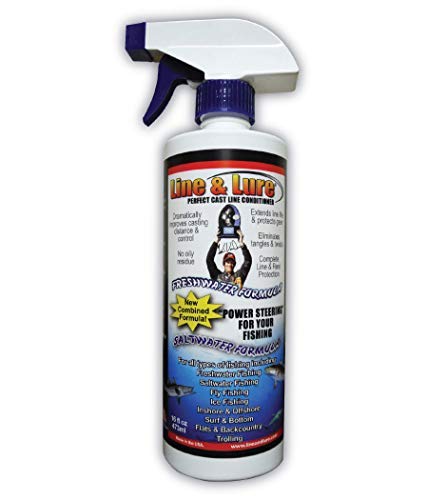
KVD Line and Lure Conditioner 16 oz | Fishing Line Conditioner Spray, Braid Fishing Line Spray, Fluorocarbon Spray Freshwater & Saltwater Reel Conditioner, Rod and Tackle Kit
Included for 'How to Remove Line Memory From Mono (2026): Step-by-Step' because the listing specifies Fishing Line Conditioner Spray and Braid Fishing Line Spray, details this guide uses to compare options.
View on Amazon
KVD Line and Lure Conditioner | Fishing Line Conditioner Spray for your Freshwater or Saltwater Fishing Reel, Rod and Tackle Kit | Works on Braid, Monofilament and Fluorocarbon Fishing Line – 1 Gallon
Included for 'How to Remove Line Memory From Mono (2026): Step-by-Step' because the listing specifies Rod and Tackle Kit and Works on Braid, details this guide uses to compare options.
View on Amazon
KastKing Destron Essential Mono Fishing Line, 4LB, 300Yds, Chaos Camo
Included for 'How to Remove Line Memory From Mono (2026): Step-by-Step' because the listing specifies 4LB and 300Yds, details this guide uses to compare options.
View on Amazon
KastKing Destron Essential Mono Fishing Line, 8LB, 300Yds, Lemon Drop
Included for 'How to Remove Line Memory From Mono (2026): Step-by-Step' because the listing specifies 8LB and 300Yds, details this guide uses to compare options.
View on AmazonWhat You Need
| Item | Why | Optional? |
|---|---|---|
| Rod and reel with the mono installed | Lets you apply steady tension and work the line through the guides. | No |
| Open outdoor space or a clear hallway | Provides 50 to 100 feet of room to let the line unwind. | No |
| Clean water | Moistens and cools the nylon while it relaxes. | No |
| Soft, clean cloth | Wipes dirt from the line and adds light, even drag. | No |
| Line conditioner | Can reduce friction and improve handling after the memory is reduced. | Yes |
| Gloves or a rubber grip | Protects your fingers when handling heavier mono under tension. | Yes |
| Spare spool or line winder | Makes it easier to transfer line evenly if the original spool is overfilled or damaged. | Yes |
Step-by-Step
1. Inspect the line and reel (5 minutes)
Run a clean cloth along the first 20 to 30 feet of line and look for nicks, cloudy sections, flat spots, severe abrasions, or areas that feel stiff. Check the reel spool for sharp edges and confirm that the line is not filled more than about 1/16 inch below the lip on a spinning reel. An overfilled spool can exaggerate loops even when the line itself is in good condition.
For baitcasters, check that the line is level across the spool and not packed tightly against one side. If the line has deep, permanent coils or visible damage, straightening may not be worth the risk; skip to the replacement section below.
2. Remove terminal tackle (2 minutes)
Cut off the lure, hook, swivel, or weight. A bare line can unwind smoothly and will not catch on grass, branches, or furniture. If you are working indoors, remove the spool from the reel only when the manufacturer’s design allows it. Do not let loose line run near a fan, heater, pet, or doorway where it can snag.
3. Let the line trail behind you (5 to 10 minutes)
Walk slowly while allowing 50 to 100 feet of line to peel off the reel. Keep the rod tip about 3 to 5 feet above the ground. Do not cast a lure to accomplish this; casting adds shock and can create new twists. If you are on a boat, let the bare line trail behind at idle speed in clear water, keeping it well away from the propeller.
With the line fully extended, close the bail on a spinning reel or engage the spool on a baitcaster. Keep the line free of tension for a few seconds so the largest coils can relax.
4. Apply light, steady tension (3 to 5 minutes)
Pinch the line gently between a soft cloth or two fingers about 6 to 12 inches in front of the reel. Reel the line back in slowly while maintaining consistent pressure. The line should enter the spool in a smooth, straight path. Avoid jerking, bending it sharply, or pulling against a locked drag.
For light mono, such as 4-pound line, use only enough pressure to remove slack—roughly the resistance of a small paperback book being pulled across a table. For 8-pound mono, you can use moderately firmer pressure, but never pull until the line cuts into your fingers or the rod bends sharply. The goal is even packing, not maximum force.
5. Repeat the unwind-and-retrieve cycle (10 to 15 minutes)
Walk the line out again and retrieve it under light tension. Repeat the cycle two or three times. Each pass should produce fewer loops. If a coil remains near the rod tip, stop reeling, lower the rod slightly, and allow the line to rotate freely before continuing.
On a spinning reel, watch the line as it approaches the spool. If it begins jumping off in large loops, stop and let it unwind again. On a baitcaster, use your thumb to guide the line from side to side so it fills the spool evenly.
6. Use a water soak for stubborn memory (15 to 30 minutes)
If the line still springs into coils, place the spool in clean, lukewarm water for 15 to 30 minutes. The water should feel comfortable to the touch, not hot. Do not use boiling water, a hair dryer, a heat gun, or a radiator. Excessive heat can deform nylon and reduce its reliable strength.
If the line is on the reel, you can lightly mist it with water and repeat the trailing method instead. Keep the reel body out of the water unless it is specifically designed for immersion. After soaking, wipe the line dry and retrieve it under gentle tension.
7. Apply conditioner and store it correctly (5 minutes)
Once the line lies reasonably straight, apply a small amount of fishing-line conditioner according to the product directions. Do not saturate the line or substitute household oils, solvents, silicone sprays, or cooking products. These can attract dirt, affect knots, or damage reel components.
Store the rod and reel in a cool, dry place away from direct sunlight. Keep loose line on its original spool with the manufacturer’s label facing outward. Avoid temperatures above roughly 100°F, such as those commonly found inside a closed car during summer. Leave the drag loosened during storage, but tighten it before fishing.
Mistakes to Avoid
- Using heat: Hot water and heated air can permanently alter nylon. Lukewarm water is sufficient.
- Stretching the line hard: A strong pull may hide memory temporarily while weakening the line. Use steady, moderate tension.
- Overfilling the spool: Leave about 1/16 inch below a spinning-reel spool lip. Too much line produces loose coils and wind knots.
- Ignoring twist: Memory and line twist are different problems. If the lure spins, the line may need a swivel, a careful re-spooling procedure, or replacement.
- Reeling over a knot: Stop and remove the knot first. Packing a knot tightly onto the spool can create a weak spot and future tangles.
- Using a rough cloth: Abrasive fabric can scuff mono. Choose a clean, soft cloth.
- Trying to save damaged line: Straightening cannot repair nicks, abrasion, sun damage, or flattened sections.
How Often
Reduce line memory whenever the first several yards begin forming persistent loops, usually after long storage or several fishing trips. A quick 5- to 10-minute trail-and-retrieve session before fishing can help prevent tangles. Treat fresh line before the first trip if it has been tightly wound on a small filler spool.
Replace mono at least once a season for frequent anglers, or sooner if it sees heavy ultraviolet exposure, rocky cover, saltwater, or repeated hard fights. Casual anglers may get longer service from carefully stored line, but inspect it before every outing.
When to Call a Pro or Replace
Most line-memory problems do not require professional service. Consider a reel technician if the line repeatedly develops coils after correct re-spooling, the bail does not close cleanly, the line roller feels rough, or the spool wobbles. Those symptoms may indicate a reel issue rather than bad mono.
Replace the line if it has visible nicks, chalky discoloration, flattened areas, deep kinks, or several failed knots. Also replace it when memory remains severe after two or three controlled cycles. New mono is inexpensive compared with losing a lure or a fish; a 300-yard spool in common 4-pound to 8-pound strengths often costs roughly $8 to $10.
FAQ
Can I completely remove memory from monofilament?
No. Mono is a nylon material, so it naturally retains some shape from storage and spooling. The steps above can substantially reduce coils and improve handling, but they cannot make old line behave exactly like fresh line.
Does hot water remove line memory faster?
It may soften the line temporarily, but hot water can also deform or weaken it. Use clean, lukewarm water for 15 to 30 minutes instead. Never use boiling water, a heat gun, or direct contact with a heater.
Should I remove the line from the reel first?
Usually not. Trailing the line from the assembled rod and reel lets you correct memory while observing how the reel handles it. Remove the line only when the spool is damaged, badly overfilled, or due for complete replacement.
Will line conditioner fix severe coils?
Conditioner can improve flexibility and reduce friction, but it will not repair damaged or permanently deformed line. First unwind and relax the mono, then apply conditioner sparingly. If large coils return immediately, replace the line.






Write Your Review
No reviews yet. Be the first to share your experience!