
Key takeaways
- 4 to 8 pounds: Panfish, trout, finesse bass fishing, and clear freshwater. Common leader lengths are 3 to 8 feet.
- 10 to 15 pounds: General bass, walleye, inshore fishing, and light saltwater. Use roughly 4 to 10 feet depending on casting style and clarity.
- 20 to 30 pounds: Redfish, snook, larger bass around cover, striped bass, and medium-duty saltwater. A 2- to 6-foot leader is common when abrasion is the priority.
- 40 to 60 pounds: Heavy inshore, reef fishing, large jigs, and fish that rub line against structure. Many anglers use 18 inches to 5 feet.
- 80 pounds and up: Large offshore species, sharp structure, and situations where the leader is more about abrasion protection than finesse.
Choosing fluorocarbon leader is easy to overcomplicate—and just as easy to get wrong by focusing only on pound test. Anglers often buy a spool labeled “100% fluorocarbon,” tie it directly to their main line, and then wonder why knots slip, leaders coil badly, or break-offs happen around rocks, docks, and toothy fish. The better approach is to match leader diameter, abrasion resistance, stiffness, spool size, and budget to the water and species you actually fish.
When deciding what to look for in fluorocarbon leader, remember that “invisible” is not a universal advantage and heavier is not automatically safer. A 6- to 10-pound leader can make sense for clear-water finesse fishing, while a 40- to 80-pound leader may be the practical choice near reef structure, mangroves, or big game fish. This guide breaks down what actually matters in 2026, without confusing marketing language for useful buying criteria.
Our top picks

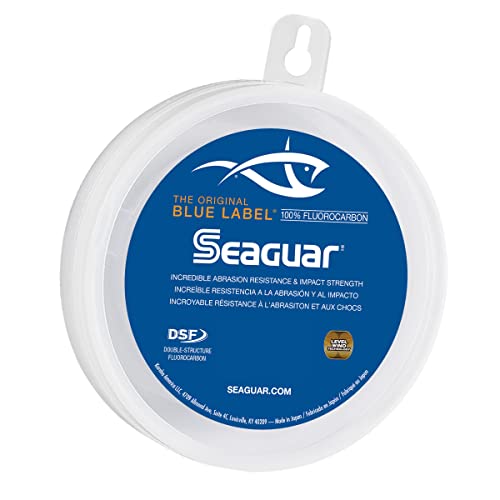


As an Amazon Associate we earn from qualifying purchases at no extra cost to you. Ratings are shown as listed on Amazon.
Decide These 3 Things First
- What fish and cover are you targeting? Start with the fish’s size, teeth, and habitat. Open-water trout or bass require a different leader than snook around pilings, pike in weeds, or tuna over reef edges.
- What main line are you connecting it to? Most anglers pair fluorocarbon leader with braided main line. Your leader should generally be compatible with the braid’s practical breaking strength and the size of your reel.
- How much leader do you use per trip? A 25-meter spool is convenient for occasional use. A 50-yard spool suits regular anglers, while 200- to 300-yard bulk spools are usually the better value for guides, charter crews, and anyone tying leaders frequently.
Once you have those answers, compare leader products by their actual specifications rather than brand reputation alone.
Size: Pound Test, Diameter, and Leader Length
Pound test is the first number most shoppers see, but it is only part of the story. Two 20-pound fluorocarbon leaders can have noticeably different diameters, stiffness, and knot behavior. In general, a thinner diameter creates less drag and may be less visible, while a thicker diameter usually provides more abrasion resistance.
- 4 to 8 pounds: Panfish, trout, finesse bass fishing, and clear freshwater. Common leader lengths are 3 to 8 feet.
- 10 to 15 pounds: General bass, walleye, inshore fishing, and light saltwater. Use roughly 4 to 10 feet depending on casting style and clarity.
- 20 to 30 pounds: Redfish, snook, larger bass around cover, striped bass, and medium-duty saltwater. A 2- to 6-foot leader is common when abrasion is the priority.
- 40 to 60 pounds: Heavy inshore, reef fishing, large jigs, and fish that rub line against structure. Many anglers use 18 inches to 5 feet.
- 80 pounds and up: Large offshore species, sharp structure, and situations where the leader is more about abrasion protection than finesse.
Do not assume a longer leader is always better. A 10-foot leader can improve separation between braid and lure in clear water, but it can also make casting awkward if the connection knot repeatedly passes through small rod guides. For many spinning setups, 4 to 6 feet is a workable all-purpose range. On conventional or trolling gear, leaders from 3 to 15 feet may be practical depending on the rig.
The reference products show how spool length affects the buying decision: a 20-pound, 25-meter coil at about $13.99 is enough for dozens of short leaders, while a 60-pound, 300-yard spool around $22.91 is designed for substantially higher-volume use.
Material: Confirm It Is 100% Fluorocarbon
If you are specifically shopping for leader material, verify whether the spool says 100% fluorocarbon or whether it is fluorocarbon-coated nylon monofilament. These are not interchangeable products.
True fluorocarbon is valued for its refractive properties, density, and abrasion resistance. It sinks faster than typical nylon monofilament, which can help with subsurface presentations. It also tends to be stiffer and less forgiving than mono, especially in heavier tests. Fluorocarbon-coated line can cost less and may handle more softly, but it should not be assumed to provide the same abrasion resistance or density as a dedicated 100% fluorocarbon leader.
Read the package carefully. “Fluorocarbon fishing line” does not always mean a purpose-built leader spool. For example, an 8-pound, 250-yard spool such as Berkley Vanish at approximately $9.87 may be appealing for light freshwater use or long leaders, but buyers should confirm its intended application before expecting the handling and abrasion-focused design of a dedicated leader product.
Color matters less than material for most fluorocarbon purchases. Clear is the standard choice. Pink, blue, or smoke-tinted leader can be easier for anglers to see above water or on the spool, but do not buy a color based on claims that it disappears completely underwater. Fish behavior, water clarity, lure action, hook size, and presentation all matter too.
Construction: Spool Design, Coils, and Usable Length
Leader construction includes more than the polymer itself. Look at the spool format, the way the line is wound, and how much line you can realistically use without creating a tangled mess.
Small coils in the 20- to 30-meter range are compact and easy to store in a tackle bag. They work well if you tie a few leaders at a time. The downside is that tightly coiled heavy fluorocarbon can retain some shape after it leaves the package. A 50-yard spool, such as a 25-pound Seaguar Blue Label option priced around $12.99, is a useful middle ground for many inshore and freshwater anglers.
Bulk spools from 100 to 300 yards make the most sense when you regularly use 30-pound test or heavier, where each leader may consume 3 to 10 feet of material. A 300-yard spool contains 900 feet, enough for roughly 180 five-foot leaders before accounting for knots, trimming, and waste.
Look for a spool band, retainer, or dispenser system that prevents loose loops from unspooling. Parallel-wound spools can be especially convenient for heavier line because they help keep the leader organized. Whatever format you choose, store fluorocarbon out of prolonged direct sun and away from extreme heat in a vehicle or garage.
Handling and Performance: Abrasion Resistance, Stiffness, and Knots
The best leader is not necessarily the softest or the hardest. You need a balance suited to your technique.
Softer fluorocarbon is easier to tie and can be a better match for light spinning tackle, small lures, and finesse presentations. Stiffer fluorocarbon can resist abrasion well and may reduce tangles on some rigs, but it can be more difficult to cinch cleanly in heavier pound tests.
Pay attention to knot compatibility. Popular braid-to-fluorocarbon connections include the FG knot, Alberto knot, and double uni knot. For terminal connections, improved clinch knots, Palomar knots, and loop knots are common choices, depending on hook or lure type. Lubricate the knot with water or saliva before tightening, and tighten it steadily rather than yanking it closed. Heat created by friction can weaken any line.
Inspect the first 6 to 18 inches of leader after catching fish, bumping rocks, or dragging through shell beds. If you feel roughness, flattening, nicks, or whitening, cut back and retie. This small habit is more valuable than paying extra for premium leader and then fishing it after it has been damaged.
For toothy fish such as pike, muskie, wahoo, and some mackerel species, even 60- or 80-pound fluorocarbon is not always a replacement for wire. Match the leader to the species rather than assuming a heavier fluorocarbon solves every bite-off problem.
Price Tiers: What You Get for Your Money
Fluorocarbon leader pricing is best evaluated by spool length, pound test, and intended use—not just sticker price. Heavy-test material costs more per spool, while small premium coils can have a higher cost per yard than bulk packages.
- Budget: about $8 to $15. Usually 25 to 250 yards of lighter test line, depending on brand and product type. Best for freshwater anglers, occasional use, and buyers who do not need heavy abrasion protection.
- Mid-range: about $12 to $25. Often 25 to 100 yards of dedicated 100% fluorocarbon leader in 12- to 40-pound tests. This is the practical sweet spot for regular bass, inshore, and multispecies fishing.
- Premium or bulk: about $20 to $50 or more. Typically larger 100- to 300-yard spools, higher pound tests, specialized leader formulations, or premium dispenser systems. Best for frequent fishing, offshore use, and anglers who replace leaders often.
A $13.99, 25-meter spool is not automatically overpriced if you only need a few high-quality leaders each season. Conversely, a $22.91, 300-yard bulk spool can be a bargain if you go through 60-pound leader every week. Calculate your expected use before buying bulk; old, neglected line is not a saving.
Warranty, Delivery, and Setup
Fluorocarbon leader does not require assembly, but it does require sensible setup. Check that the spool arrives sealed, labeled with the correct pound test, and free of crushed edges or loose, contaminated line. For online orders, make sure the listed spool length is in yards or meters as expected; 25 meters is about 27 yards, while 50 yards is 150 feet.
Warranty coverage on consumable fishing line is usually limited. Manufacturers may address defects in materials or packaging, but they generally do not cover break-offs caused by knots, rocks, fish, improper storage, or normal use. Keep the receipt and packaging until you have inspected the product.
When the spool arrives, pull out 2 to 3 feet and examine it under good light. It should feel smooth and consistent, without obvious crushed sections, abrasions, or severe kinks. Tie a practice knot before heading out, particularly when using a new brand or moving up to heavier line.
Spec Checklist
| Spec | Budget | Mid | Premium |
|---|---|---|---|
| Typical price | $8–$15 | $12–$25 | $20–$50+ |
| Common spool length | 25–250 yd | 25–100 yd | 100–300 yd |
| Best pound-test range | 4–15 lb | 10–40 lb | 20–100+ lb |
| Best use | Light freshwater, occasional use | Regular freshwater and inshore fishing | Heavy cover, offshore, frequent re-rigging |
| What to verify | Whether it is 100% fluorocarbon | Diameter, knot handling, spool format | Bulk value, abrasion focus, line management |
Red Flags
- No clear statement of pound test, spool length, or whether the line is 100% fluorocarbon.
- Prices that look unusually low for a large heavy-test spool without a clear product description.
- A spool with line that is loose, visibly kinked, flattened, chalky, or exposed to damage.
- Buying a light 6- or 8-pound leader for dock pilings, oyster beds, reef edges, or toothy fish simply because the water is clear.
- Buying 200 to 300 yards of leader when you fish only a few times a year and will not use it before it spends years in storage.
- Expecting fluorocarbon to eliminate the need for knot practice, leader inspection, or proper drag settings.
FAQ
What pound-test fluorocarbon leader should I start with?
For a general freshwater setup, 10- to 12-pound test is a versatile starting point. For typical inshore fishing, 20- to 30-pound test is common. Move up when fishing abrasive structure or larger fish, and move down for clear-water finesse presentations.
Is fluorocarbon leader better than monofilament leader?
Neither is always better. Fluorocarbon is usually chosen for sinking behavior and abrasion resistance, while monofilament is often softer, less expensive, and more forgiving for topwater lures or shock absorption. Match the material to the technique.
How long should a fluorocarbon leader be?
For most spinning applications, 4 to 6 feet is a practical all-around length. Use 2 to 3 feet around heavy structure or when you want the knot outside the guides. Use 8 to 10 feet when clear water and presentation justify the extra length.
Can I use fluorocarbon fishing line as leader material?
Yes, in many cases, especially for lighter applications. However, dedicated leader material is often sold in heavier tests and may be designed with abrasion resistance, stiffness, and spool management in mind. Confirm the product’s intended use before purchasing.




Write Your Review
No reviews yet. Be the first to share your experience!