
Key takeaways
- When choosing between graphite and fiberglass, the real decision is not simply which fishing rod is “stronger.” It is whether you want a lighter, more sensitive tool that rewards careful handling or a heavier, more forgiving rod that can tolerate…
When choosing between graphite and fiberglass, the real decision is not simply which fishing rod is “stronger.” It is whether you want a lighter, more sensitive tool that rewards careful handling or a heavier, more forgiving rod that can tolerate everyday abuse. That distinction matters at home, where rods may be stored in a closet, carried in a car, handled by children, or exposed to damp garages and crowded gear shelves.
Graphite rods are generally more sensitive and easier to hold for long periods, while fiberglass rods are typically better at absorbing impacts and sudden loading. Neither material is automatically durable in every situation. A graphite rod can provide many years of service when protected from knocks, crushing, and high-sticking. Fiberglass can survive rougher treatment, but it may still fail if repeatedly bent beyond its design limits or left exposed to heat and moisture.
Our top picks


 PLUSINNO Fishing Rod and Reel Combos -24
- Fishing Technique: Casting
- Target Species: Bass
- Line Weight: 10 pounds

As an Amazon Associate we earn from qualifying purchases at no extra cost to you. Ratings are shown as listed on Amazon.
For most buyers planning a fishing setup for 2026, the best choice comes down to storage conditions, handling habits, target species, and how much weight and sensitivity they are willing to trade for toughness.
Quick Verdict
Choose graphite when low weight, fast response, and bite sensitivity are priorities. A typical graphite spinning rod may weigh roughly 3 to 6 ounces, making it comfortable for long fishing sessions and easy to store on a wall rack or in a narrow closet. Its drawback is impact sensitivity: a door edge, dropped tackle box, or sharp bend near the tip can create damage that is difficult to see until the rod breaks under load.
Choose fiberglass when impact resistance and forgiving handling matter more than sensitivity. Comparable fiberglass rods often weigh about 5 to 10 ounces, and their slower, more flexible action helps distribute stress. They are a practical fit for beginners, children, boat use, pier fishing, and homes where equipment gets moved frequently.
If you want one general-purpose rod for a careful adult angler, graphite is usually the more enjoyable option. If durability means surviving bumps, storage mistakes, and inconsistent handling, fiberglass is the safer bet.
Side by Side
| Category | Graphite | Fiberglass |
|---|---|---|
| Comfort | Very light, often about 3–6 ounces; less tiring during long sessions | Heavier, often about 5–10 ounces; stable but more tiring over time |
| Durability | Excellent under proper use, but vulnerable to sharp impacts and crushing | Better impact tolerance and more forgiving under sudden loads |
| Price range | About $40–$300 or more, depending on blank quality and components | About $20–$150, with many reliable beginner models below $75 |
| Maintenance | Needs careful inspection for chips, cracks, and damaged guides | Usually less demanding, though guides, ferrules, and finish still need care |
| Space needed | Usually available in 6–7-foot configurations; breaks down for storage | Common in 5–8-foot configurations; heavier but similarly easy to section |
| Look | Modern, sleek, often matte black or woven-patterned | Classic, glossy, and sometimes available in bright colors |
| Resale | Higher resale potential when the blank and guides remain flawless | Steady resale value, especially for recognizable beginner and utility models |
| Best for | Experienced anglers, bass fishing, finesse techniques, and long sessions | Beginners, children, boat fishing, rough transport, and general utility use |
Where Graphite Wins
Graphite’s biggest advantage is sensitivity. Vibrations travel efficiently through a stiff graphite blank, allowing an angler to detect light taps, changes in bottom texture, or a lure contacting vegetation. That responsiveness is especially useful for finesse fishing, soft plastics, and situations where fish bite lightly.
Its low weight also improves comfort. A 6.5-foot graphite rod paired with a small spinning reel can create a compact setup that is easy to carry from a home storage area to a vehicle. For an adult who fishes several hours at a time, reducing even a few ounces at the end of the rod can make a noticeable difference in wrist and forearm fatigue.
Graphite also offers useful stiffness for accurate casting and hook-setting. A fast-action rod bends mostly near the tip, which can make it easier to place lures precisely and respond quickly. The tradeoff is that the blank has less tolerance for abuse. Avoid leaning on the rod, lifting fish by the rod tip, or forcing a snag loose by sharply pulling upward.
Many modern products combine graphite or carbon-fiber construction with travel-friendly features. For example, the PLUSINNO Fishing Rod and Reel Combos -24 Ton Carbon Fiber Telescopic Fishing Pole is listed at $44.95 and is designed around portability. A telescoping design can help a home with limited storage, but every joint should be fully seated before use and kept clean so repeated assembly does not create avoidable wear.
Where Fiberglass Fishing Rod Durability Wins
Fiberglass is the better material when the rod is likely to experience bumps, awkward transport, or inconsistent technique. Its flexible blank bends progressively rather than resisting sudden movement. That makes it less likely to suffer immediate damage from a moderate knock against a dock, gunwale, or storage shelf.
This flexibility is also useful for beginners. New anglers often make mistakes such as setting the hook too aggressively, holding the rod at an awkward angle, or allowing a fish to pull suddenly. Fiberglass can absorb more of that movement. It is not indestructible, but it generally gives more warning through deep bending before reaching a critical failure point.
Fiberglass rods are also common in utility and low-cost applications because the material is economical and easy to manufacture. A basic rod in the $20–$60 range can be a sensible choice for a shared household setup. Some families prefer a fiberglass rod as a “loaner” that guests can use without the owner worrying about every minor scrape.
Do not confuse all fiberglass rods with flexible, slow-action poles. Construction varies, and some models are designed with faster actions or blended materials. Check the stated power, action, line rating, and lure rating before buying. A heavier rod may be durable but uncomfortable if it is used for delicate techniques all day.
Cost Over 5 Years
The purchase price is only part of the ownership cost. A basic fiberglass rod may cost $20–$60, while a good graphite rod commonly costs $60–$180. Premium graphite models can exceed $300, particularly when they use advanced blanks, lightweight guides, and specialized handles.
Assuming careful storage, either material can last five years or longer. A $50 fiberglass rod used for occasional family fishing might average $10 per year before replacement parts. A $100 graphite rod that remains undamaged would average $20 per year. That difference can disappear if the graphite rod is dropped and replaced after one season.
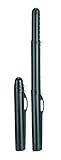
Budget separately for a rod sleeve or protective tube, which may cost about $10–$35, and a rack or vertical holder, commonly $15–$60. A 6- to 7-foot rod needs a storage location at least several inches longer than its collapsed or sectioned length, while a telescoping model can reduce the packed size substantially.
Maintenance is inexpensive but important. Rinse saltwater gear with fresh water, dry it before storage, and inspect guides and ferrules. Household products such as Graphite Powder Lubricant, Dry Lube, Reduces Friction, Increases Speed at $6.99 and Hillman 703185 Graphite Tube 3G, White Key Lock Lubricant at $6.92 are intended for friction reduction in household hardware, not as general-purpose rod treatments. Use only care products appropriate for fishing equipment and avoid contaminating line or drag components.
For comparison, 21 Feet Fiberglass Fish Tape Cable Rods are listed at $22.99, but fish tape rods are utility tools rather than fishing rods. Their low price illustrates why fiberglass is common in applications where flexibility and impact tolerance matter, but it should not be treated as a substitute for a properly designed fishing blank.
Which One for Your Home
Small apartment
Choose a two-piece graphite rod or a telescoping setup if storage space is limited and the rod will be handled carefully. A packed length around 3 to 4 feet fits more easily in a closet or under a bed. Use a sleeve and keep it away from doors, vacuum cleaners, and heavy storage bins.
Family with kids or pets
Fiberglass is the safer choice for shared spaces. Its additional weight is usually less important than its greater tolerance for accidental contact. Store it vertically in a secured holder, with the tip out of reach and hooks removed before bringing the rod indoors.
Rental home
Pick a reasonably priced fiberglass rod if you cannot install permanent storage. A freestanding rack or compact case avoids wall damage, and replacing a $30–$60 rod is less painful than replacing a premium graphite model damaged during a move.
Long-term home
Buy graphite if you have dedicated storage and know the techniques you enjoy. A quality 6- to 7-foot rod can deliver better sensitivity and comfort for years. If several people will use the equipment, keep one graphite rod for experienced anglers and one fiberglass rod for guests and general use.
FAQ
Is graphite stronger than fiberglass?
Graphite is stiffer and lighter, but fiberglass generally tolerates impacts and sudden bending better. “Stronger” depends on the type of force. Graphite excels under controlled loading; fiberglass is usually more forgiving when handling is rough.
Which rod lasts longer?
Either can last many years when stored dry, transported in a sleeve, and used within its line and lure ratings. Fiberglass often lasts longer in homes where rods are frequently bumped or shared. Graphite can match or exceed that service life with careful handling.
Can a graphite rod be used in saltwater?
Yes. Saltwater use does not automatically damage the graphite blank, but salt can corrode guides, reel seats, and hardware. Rinse the complete setup with fresh water, wipe it dry, and inspect metal parts after each saltwater outing.
What is the best choice for a first fishing rod?
For a child, casual family use, or uncertain handling, choose fiberglass. For an adult beginner who values light weight and plans to learn careful rod technique, an affordable graphite or graphite-composite model can be a good fit. In both cases, match the rod to the intended line and lure ratings.




Write Your Review
No reviews yet. Be the first to share your experience!