
Key takeaways
- Choosing between braided line and fluorocarbon for finesse fishing is less about finding one universally superior line and more about matching the line to your reel, lure, water clarity, and tolerance for maintenance. A light spinning setup or bait finesse…
Choosing between braided line and fluorocarbon for finesse fishing is less about finding one universally superior line and more about matching the line to your reel, lure, water clarity, and tolerance for maintenance. A light spinning setup or bait finesse combo can benefit from braid’s small diameter and sensitivity, while fluorocarbon can offer a stealthier presentation and a simpler connection between angler and lure.
The real decision is whether you want maximum casting efficiency and feel, or a more invisible, abrasion-resistant line that can be fished directly. Many finesse anglers use both: braid as the main line and fluorocarbon as a leader. For 2026 buying decisions, consider not only the spool price but also how often you retie, how much line your reel holds, and whether your fishing environment includes vegetation, rocks, docks, or clear water.
Our top picks


As an Amazon Associate we earn from qualifying purchases at no extra cost to you. Ratings are shown as listed on Amazon.
Quick Verdict
Choose braided line when you want long casts, high sensitivity, minimal stretch, and efficient use of a small spinning spool. A common finesse setup is 6- to 10-pound braid paired with a 4- to 8-pound fluorocarbon leader. Braid is especially practical for drop shots, shaky heads, small swimbaits, and light jigs around grass or deeper water.
Choose fluorocarbon when line visibility, abrasion resistance, and direct-lure simplicity matter most. It is a strong choice for clear water, pressured bass, trout, panfish, and situations where your lure frequently contacts rock or wood. For ultralight presentations, 2- to 6-pound fluorocarbon is typical, although heavier line may be appropriate around cover.
For most anglers, the most versatile answer is not braid versus fluorocarbon but braid plus a fluorocarbon leader. The tradeoff is an extra knot, occasional leader replacement, and more setup work.
Side by Side
| Factor | Braided Line | Fluorocarbon |
|---|---|---|
| Comfort | Soft and supple on a spinning reel; can feel rough against bare fingers under heavy tension | Stiffer and springier, especially in heavier tests; generally comfortable when handled carefully |
| Durability | Excellent knot and tensile strength, but vulnerable to sharp rocks, docks, and abrasion | Very good abrasion resistance; can weaken after nicks, kinks, or repeated reties |
| Price range | About $10-$30 for many 150- to 300-yard spools | About $8-$30 for many 100- to 300-yard spools |
| Maintenance | Requires checking for fraying and managing leader knots; may need tensioned spooling | Requires frequent inspection for memory, nicks, and damaged sections |
| Space needed | Small diameter stores a great deal of line on a compact spool | Larger diameter occupies more spool capacity at the same strength |
| Look | Highly visible, with colors such as blue, green, yellow, or gray | Clear or low-visibility appearance underwater |
| Resale | Does not meaningfully increase the resale value of a rod or reel | Does not meaningfully increase the resale value of a rod or reel |
| Best for | Long casts, deep water, light lures, vegetation, and detecting subtle bites | Clear water, abrasion, direct connections, and wary fish |
Where Braided Line Wins
Braid’s biggest advantage is its thin diameter relative to its breaking strength. Ten-pound braid is often substantially thinner than 10-pound monofilament or fluorocarbon, allowing a spinning reel to hold more line while reducing resistance during a cast. That matters when throwing a 1/16-ounce jig, weightless worm, small jerkbait, or other lure that does not carry much momentum.
Braid also has very little stretch. That helps transmit bottom contact, vegetation, and light bites through a long cast. It can make a noticeable difference when fishing a drop shot in 20 feet of water or working a small jig along a rocky bottom. The low-stretch connection also makes hook-setting easier at distance, although anglers should avoid overly aggressive hooksets with light wire hooks.
Another benefit is longevity. Braid does not absorb water, and the main line can remain usable for several seasons if it is not badly frayed. The visible color can also help anglers watch the line for subtle movement, which is useful when a fish bites before the rod tip loads. The tradeoff is that the same visibility can make braid less appealing in clear, calm water.
Budget options are readily available. For example, a 150-yard spool of Reaction Tackle Braided Fishing Line in 10-pound blue camouflage is listed at $11.98, while a 150-yard spool of KastKing Superpower 10-pound gray 4X braid is listed at $10.99. Those prices make braid-and-leader setups economical, particularly when only the final 2 to 6 feet of leader needs to be replaced after a snag or abrasion.
Braid is not ideal everywhere. It can dig into itself on a tightly packed spool, create wind knots if overfilled, and slip on some smooth spool surfaces unless backing or proper line wraps are used. It also performs poorly when dragged directly across sharp rock or mussel beds without a leader.
Where Fluorocarbon for Finesse Fishing Wins
Fluorocarbon’s main appeal is its low underwater visibility. In clear lakes, shallow streams, and heavily pressured fisheries, that can make a small lure look more natural. It is also denser than braid, so it sinks rather than floating on the surface. That characteristic can help a finesse worm or small jig reach its intended depth without adding much weight.
Direct fluorocarbon connections are simple: spool the line, tie on the lure, and fish. There is no leader knot to pass through guides, and there is no contrasting braid above the lure. This is convenient for anglers who change presentations often or prefer a clean, uncomplicated setup.
Fluorocarbon also handles abrasion better than braid in many cover situations. Around rock, wood, dock pilings, or shell beds, it is often a safer direct-line choice. However, no fluorocarbon should be considered damage-proof. Run your fingers over the final 12 to 24 inches after catching a fish or contacting cover, and cut away any rough section.
Stiffness is the principal drawback. Small-diameter fluorocarbon can develop coils and memory, particularly on a small spinning spool. Fill the spool conservatively—usually leaving about 1/8 inch below the rim—and avoid forcing a large diameter onto a reel designed for ultralight line. A line conditioner may reduce handling problems, but it cannot repair a kinked or nicked section.
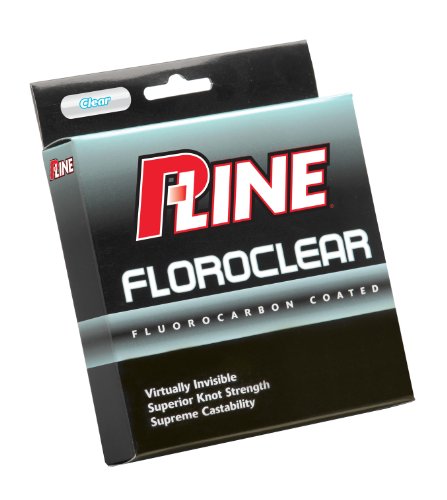
Dedicated finesse products include Eurotackle Micro Finesse FC 100% Pure Fluorocarbon, which is designed for BFS and ultralight spoolable leader or main-line use and is listed at $19.99. P-Line Floroclear, a fluorocarbon-coated line rather than a solid fluorocarbon line, is listed at $7.99 for a 2-pound, 300-yard clear spool. Coated lines can offer lower memory and easier casting, but their handling and underwater behavior should not be assumed to be identical to 100% fluorocarbon.
Cost Over 5 Years
A realistic five-year cost depends more on fishing frequency and snags than on the initial spool price. For a weekend angler who fishes 25 times per year, assume one 150-yard braid spool at $11-$20 every two years, plus three 25-yard fluorocarbon leader spools at $8-$20 each over five years. The estimated total is about $35-$80, not including lures or terminal tackle.
A direct-fluorocarbon angler may need more frequent replacements because memory, abrasion, and backlashes can consume line. Assuming two 100- to 300-yard spools per year at $8-$25 each, the five-year total is approximately $80-$250. An ultralight angler using 2-pound line around rocks may spend more than someone fishing open water with 8-pound line.
The least expensive arrangement is often braid as the main line with a short fluorocarbon leader. The most expensive mistake is buying a large spool that does not suit the reel, then replacing it because of coils, poor casting, or insufficient capacity.
Which One for Your Home
Small Apartment
Choose braid with a compact fluorocarbon leader setup if storage is limited. One 150-yard braid spool and a small 25- to 50-yard leader spool take little cabinet space and cover several finesse applications. Store line away from direct sunlight, heat, and damp utility areas. A small tackle box with separate leader, knot, and lure compartments is easier to manage than multiple full-size spools.
Family With Kids or Pets
Fluorocarbon and braid can both create sharp, difficult-to-see hazards when left loose. Keep unused line in a sealed tackle container on a high shelf, and cut discarded line into short pieces before placing it in a trash bin. Braid is particularly easy to overlook because thin strands can remain under tension. A labeled container also prevents children from confusing fishing line with craft cord or string.
Rental
A braid-main-line setup is practical for renters who fish from different locations and want one adaptable outfit without storing several spooled reels. Use a 6- to 10-pound braid main line and swap 2- to 8-pound leaders based on water clarity and cover. This reduces the need to keep multiple complete reels and lowers the chance of line scraps or wet gear damaging floors and cabinets.
Long-Term Home
If you have a dedicated garage, mudroom, or fishing cabinet, keep both types available. Use braid for general-purpose finesse casting and fluorocarbon for clear-water or abrasion-heavy trips. Store spools vertically or in their original packaging, label the test and diameter, and maintain a simple replacement log. This setup costs more initially but gives you a better match for changing conditions.
FAQ
Is braid or fluorocarbon better for finesse fishing?
Neither is best in every situation. Braid is usually better for casting distance, sensitivity, and thin-diameter performance. Fluorocarbon is usually better for low visibility, abrasion resistance, and a direct connection. A braid main line with a fluorocarbon leader is the most flexible compromise.
What pound test should I use?
For spinning gear, 6- to 10-pound braid is common, with a 4- to 8-pound fluorocarbon leader. Direct fluorocarbon finesse setups often use 2- to 6-pound line in open water and 6- to 10-pound line near heavier cover. Match the line to the fish, lure weight, cover, and rod power rather than choosing solely by breaking strength.
Can fluorocarbon be used as a main line on a spinning reel?
Yes, but use a diameter appropriate for the spool. Light fluorocarbon can work well on ultralight and finesse reels, while heavier diameters may produce coils and reduce casting distance. Fill the spool slightly below the rim and replace line when memory or abrasion becomes noticeable.
How long does fishing line last in storage?
Braid can remain serviceable for several years when stored dry, shaded, and away from heat. Fluorocarbon also lasts well in storage, but inspect it for kinks, flattened sections, or brittleness before use. Regardless of age, replace any line that shows visible damage or repeatedly fails at the knot.






Write Your Review
No reviews yet. Be the first to share your experience!