
Key takeaways
- How to fish a drop shot in deep water: weight, leader and tag line by depth, line setup, and a clear step-by-step vertical method.
To drop shot in deep water, use a 3/8 to 1/2 ounce weight at depths of 20 feet and beyond, a 6 to 10 lb fluorocarbon leader, and a hook-to-weight tag line of 12 to 24 inches, longer if fish are holding well above the bottom. Fish it vertically from a boat with electronics, keep the line tight, and shake the rod tip while the weight stays still. This is for bass, walleye and other fish that sit on deep ledges, humps and points, especially in summer heat, winter cold or after cold fronts, when fish refuse faster baits. It works best when you can see fish on sonar.
Quick Answer
- Weight: 1/4 oz as a starting point beyond 15 feet; 3/8 to 1/2 oz from 20 to 40 feet or in wind and current.
- Line: 10 to 15 lb braid with a 6 to 10 lb fluorocarbon leader, or 6 to 10 lb straight fluorocarbon for lighter conditions.
- Tag line (hook to weight): 8 to 14 inches on the bottom, 18 to 36 inches for fish suspended above it.
- Hook: size 1 to 2/0 drop shot or octopus-style hook, nose-hooked so the bait hangs free.
- Technique: stay vertical, keep the weight on the bottom, and make the bait quiver in place before a long pause.
What You Need
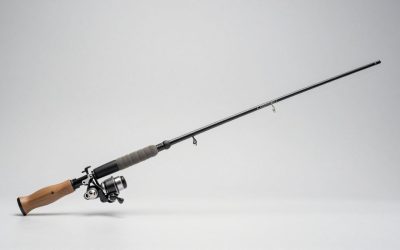
- Rod: 6’6″ to 7’6″, medium or medium-light power, fast or extra-fast action, spinning style. A fast tip detects light bites and a sturdy butt section sets the hook at depth.
- Reel: a size 2500 to 3000 spinning reel with a smooth drag and fast retrieve for taking up slack.
- Mainline: 10 to 15 lb braid for deep water, since it does not stretch and transmits bites clearly.
- Leader: 6 to 10 lb fluorocarbon, 4 to 8 feet long, tied to the braid with a uni-to-uni or double uni knot. Keep the knot short enough that it stays out of the rod guides when you cast.
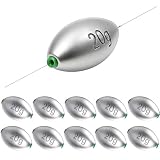
- Weight: a cylindrical or teardrop drop shot weight in 1/4, 3/8 and 1/2 ounce. Round weights snag less on rock, while cylinder weights hold well on a sandy or muddy bottom.
- Hook: a size 1 to 2/0 hook with a straight eye, which lets you tie the Palomar knot so the hook point faces up.
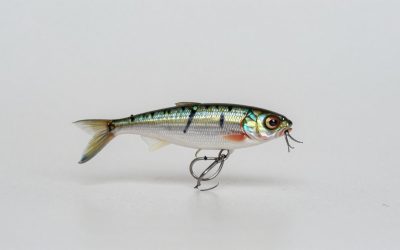
- Soft plastic: a 3 to 6 inch finesse worm, minnow or small creature bait.
- Electronics: a depth finder with sonar that can show your bait and fish below the boat.
- Safety: a life jacket for everyone on board in deep water, polarized glasses and long-nose pliers for hook removal.
Step by Step: Tie and Rig the Drop Shot
- Start with a 4 to 8 foot fluorocarbon leader already joined to the braid. Plan the tag line length first (for example 18 inches), then leave about 6 extra inches of leader for the knot tail, so the weight sits at the right distance below the hook.
- Thread the leader through the hook eye from the point side, so the line comes out the same side the point faces. Tie a Palomar knot: double the line through the eye, tie an overhand knot, pass the loop over the hook, wet it and cinch it down.
- Pass the tail line back through the eye from the same direction, in the way many drop shot guides describe, so the tail hangs straight down toward the weight and the hook sits at a right angle to the main line with its point facing up.
- Measure the tag length from the hook to where you want the weight. For a fish sitting on the bottom, use about 12 inches. For fish suspended above the bottom, use 18 to 36 inches or more.
- Attach the weight to the free end. Many weights have a clip that holds the line, so you can adjust the length quickly without retying.
- Nose-hook the soft plastic by pushing the point through the tip and out just behind it, so the bait can swim and quiver freely. Pull on the bait; it should hang straight and not spin.
Step by Step: Fish It Vertically in Deep Water
- Find the fish. Use sonar to look for fish within a few feet of the bottom or hanging above structure at 20 to 50 feet. Mark them on your electronics before you drop the bait.
- Position the boat. Hold the boat above the fish with a trolling motor or by drifting slowly. In wind, use the trolling motor to keep from being blown past the spot.
- Drop the bait. Free-spool the line until the weight touches the bottom. You should feel a light tick on a hard bottom or a soft thud on mud, and the line goes slack.
- Take up slack. Reel just enough to straighten the line from the rod tip to the weight, with no bow in the line. Too much tension drags the weight, and too little hides bites.
- Shake, do not hop. Gently tremble the rod tip with small movements while the weight stays on the bottom. The bait should shiver in place above the weight.
- Pause. Let the bait rest for 5 to 10 seconds. Many bites come when the bait is still.
- Set the hook. When you feel a tap, extra weight or the line moves sideways, reel down and lift the rod smoothly. With braid, avoid a large sweeping hookset because there is almost no stretch to absorb it.
- Reset. If there is no bite, lift the weight a foot or two, drop it, and re-establish contact. Check your bait often, because deep fish bite lightly and may strip the bait.
Weight, Line and Tag Line by Depth
| Depth | Weight | Mainline and leader | Tag line |
|---|---|---|---|
| 10 to 20 feet | 3/16 to 1/4 oz | 8 to 12 lb braid with a 6 to 8 lb fluorocarbon leader, or 6 to 8 lb fluorocarbon | 8 to 14 inches |
| 20 to 30 feet | 1/4 to 3/8 oz | 10 to 15 lb braid with a 6 to 10 lb leader | 12 to 18 inches |
| 30 to 40 feet | 3/8 to 1/2 oz | 10 to 15 lb braid with a 6 to 10 lb leader | 12 to 24 inches |
| 40 to 60 feet | 1/2 to 5/8 oz | 10 to 15 lb braid with an 8 to 10 lb leader | 12 to 36 inches |
| Strong wind or current | Add 1/8 oz | Same as above | Shorten by a few inches if the bait lifts |
Use the lightest weight that keeps the line straight and lets you feel the bottom. If you cannot feel the weight touch, go heavier. If you keep snagging, go lighter or use a rounder weight.
Decision Table: Water and Fish Conditions
| Condition | Change |
|---|---|
| Fish on the bottom in clear water | 6 to 8 lb leader, 10 to 14 inch tag, small natural-color bait |
| Fish suspended 3 to 5 feet off bottom | Lengthen the tag to 36 to 60 inches, keep the weight on the bottom |
| Stained water | 8 to 10 lb leader and a larger bait |
| Rocky bottom | Round weight with a lighter leader that breaks before the mainline |
| Soft mud or sand | Cylinder weight, shorter tag, slower shaking |
| Heavy wind | Heavier weight and a slightly shorter tag |
| Cold water, slow fish | Longer pauses, smaller baits and minimal shaking |
Common Mistakes
- Weight too light. A light weight drifts and hides bites. Fix: add 1/8 ounce until the line stays straight and you feel the bottom.
- Too much movement. Dragging or hopping the weight pulls the bait away from the fish. Fix: keep the weight still and move only the rod tip.
- Hooking the bait wrong. Hooking the bait through the middle makes it spin. Fix: nose-hook it so it hangs straight.
- Setting the hook too hard. A big sweep can pull the hook away or snap light leader. Fix: reel down and lift smoothly.
- Ignoring electronics. Fishing blind wastes time in deep water. Fix: find fish or structure first, then drop on them.
- Handling deep-caught fish roughly. Fish brought up from depth may suffer pressure-related injuries. Fix: if you plan to release, handle fish gently, release them quickly, and check your state’s guidance on release tools and methods.
Questions
How long should a drop shot leader be in deep water?
The tag line from hook to weight is usually 12 to 24 inches in deep water. Make it longer, 36 inches or more, if sonar shows fish well off the bottom. The leader above the hook, between braid and the knot, is separate and often runs 4 to 8 feet.
What weight should I use to drop shot at 30 feet?
A 3/8 ounce weight is a good starting point at 30 feet. Go to 1/2 ounce if wind or current bows your line. Go to 1/4 ounce only in calm conditions on a hard bottom.
Should I use braid or fluorocarbon for deep drop shotting?
Both work. Braid with a fluorocarbon leader gives better sensitivity and bite detection at depth because it does not stretch. Straight fluorocarbon at 6 to 10 lb is simpler and good for lighter weights and clear water.
Can I drop shot from the bank?
Yes, but deep water drop shotting is easiest vertically from a boat. From shore, cast and drag slowly along the bottom with a longer leader. Use a weight that keeps contact and watch for snags.
What fish bite a deep water drop shot?
Largemouth, smallmouth and spotted bass are the most common targets. Walleye, perch and some trout also take a drop shot rig. Match bait size and color to the forage and light conditions.
Update History
- October 15, 2026 – Initial publication; details checked against current manufacturer guidance and angling references.
- Conditions, regulations and tackle specifications vary by water and region; check local rules before you fish.
Sources
- Drop shot rigging and depth guides from tackle manufacturers and outdoor retailers
- Angling reference articles on finesse bass techniques and line selection
- State wildlife agency angler education materials on handling and releasing fish
Write Your Review
No reviews yet. Be the first to share your experience!