
Key takeaways
- Confusing screen size with housing size: Measure the complete display and bracket, including knobs, connectors, and cable exits.
- Mounting too high: If the transducer is above the waterline at speed, it cannot provide a consistent reading.
- Mounting too low: A transducer that hangs far below the hull is vulnerable to impact and may catch weeds or fishing line.
- Ignoring turbulence: A location behind a strake, rivet, intake, or propeller can create bubbles that interrupt sonar.
- Using the maximum depth as a minimum depth: A unit rated for hundreds or thousands of feet can still struggle in very shallow, aerated water.
- Forgetting cable and power space: Leave room for connectors and avoid sharp bends. Small displays commonly draw roughly 4 to 10 watts, so use the supplied fuse and wiring instructions.
If you are asking what depth fish finder transducer needs, there are two measurements to consider: the depth of water required for the sonar to read accurately and the physical space needed to mount the transducer. Most recreational fish finders work in surprisingly shallow water, but the transducer must remain fully submerged and positioned below turbulence, bubbles, and the boat hull.
The Short Answer
A fish finder transducer generally needs at least 18 to 24 inches of water to produce a useful reading, although some units can display a bottom signal in less water. For dependable performance, plan on 2 to 3 feet of water beneath the transducer. In a flat-bottom boat, the transducer should sit about 1/8 to 1/4 inch below the hull. On a kayak or transom-mounted boat, the sensing face should usually be 1 to 2 inches below the waterline when the vessel is moving.
Our top picks
 Garmin 010-01550-00 Striker 4 with Transducer
- Clear Vu scanning Sonar shows you more of…
- The power of simple offers a keyed interface…
- Waypoint map: Use the way point map to…
 Humminbird PiranhaMAX 4 Fish Finder with Transducer
- Dual Beam Sonar: Choose from a narrow and…
- Tilt and Swivel Mount: Quickly adjust your viewing…
- 1-Year Limited Warranty
 LUCKY Kayak Portable Fish Depth Finder Water
- ✦ Fish Finder and Depth Finder : It…
- ✦ Helpful Data Display : Besides fish depth…
- ✦ Handheld & Portable : The size of…
| Product | Key specs | |
|---|---|---|
| Garmin 010-01550-00 Striker 4 with Transducer | Clear Vu scanning Sonar shows you more of… The power of simple offers a keyed interface… Waypoint map: Use the way point map to… | Check price |
| Humminbird PiranhaMAX 4 Fish Finder with Transducer | Dual Beam Sonar: Choose from a narrow and… Tilt and Swivel Mount: Quickly adjust your viewing… 1-Year Limited Warranty | Check price |
| LUCKY Kayak Portable Fish Depth Finder Water | ✦ Fish Finder and Depth Finder : It… ✦ Helpful Data Display : Besides fish depth… ✦ Handheld & Portable : The size of… | Check price |
 Garmin Striker Vivid 4cv Fishfinder with Transducer Garmin Striker Vivid 4cv Fishfinder with Transducer | Easy-to-use 4-inch color fishfinder with new vivid scanning… Includes a GT20 transducer for built-in Garmin CHIRP… High-sensitivity GPS to mark waypoints, create routes and… | Check price |
As an Amazon Associate we earn from qualifying purchases at no extra cost to you.
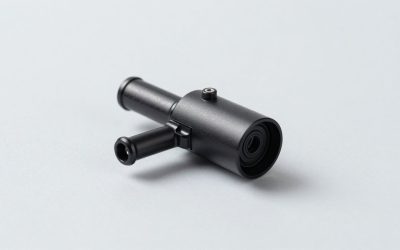
The transducer itself is commonly 3 to 8 inches long, 1 to 3 inches wide, and 1 to 2 inches high. Allow additional room for the bracket, cable bend, and adjustment. A practical installation zone is about 8 inches long by 4 inches wide, with at least 3 inches of unobstructed space around the sensing face.
Depth capability is different from minimum operating depth. A compact CHIRP unit may advertise a maximum depth of 1,600 feet or more in ideal conditions, but that does not mean it will read reliably in every location. Water clarity, bottom composition, boat speed, frequency, mounting position, and electrical interference all affect the result.
Standard Sizes
The following measurements are useful planning figures for common fish finder and transducer installations. Exact dimensions vary by brand, frequency, mounting style, and whether the unit uses a skimmer, trolling-motor, through-hull, or portable transducer.
| Component or installation | Typical dimensions in inches | Approximate dimensions in centimeters | Space or depth guidance |
|---|---|---|---|
| Compact fish finder display | 4 to 6 W × 3 to 4 H × 1.5 to 2 D | 10.2 to 15.2 W × 7.6 to 10.2 H × 3.8 to 5.1 D | Allow 1 to 2 inches around the housing and mount |
| Small transom-mount transducer | 3 to 5 L × 1 to 2 W × 1 to 2 H | 7.6 to 12.7 L × 2.5 to 5.1 W × 2.5 to 5.1 H | Place the sensing face 1/8 to 1/4 inch below the hull |
| Kayak or portable transducer | 3 to 6 L × 1 to 3 W × 1 to 2 H | 7.6 to 15.2 L × 2.5 to 7.6 W × 2.5 to 5.1 H | Keep fully submerged; 1 to 2 inches below the waterline is typical |
| Through-hull transducer housing | 3 to 8 L × 2 to 4 W × 2 to 4 H | 7.6 to 20.3 L × 5.1 to 10.2 W × 5.1 to 10.2 H | Requires a flat hull area and clearance inside the boat |
| Minimum practical water depth | 18 to 24 in | 46 to 61 cm | Two to three feet is a better target for a stable bottom reading |
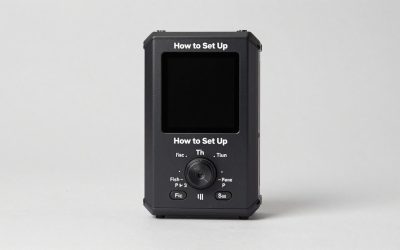
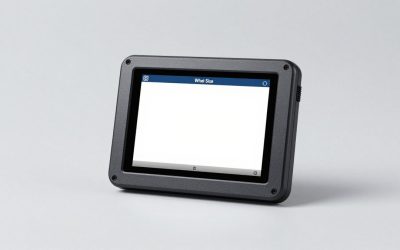
Entry-level combinations such as the Garmin Striker 4 with transducer, priced around $140, and the Humminbird PiranhaMAX 4, priced around $139, are suited to small boats and basic freshwater fishing. Their displays typically fit a compact console or kayak accessory rail. The Garmin Striker Vivid 4cv, around $200, uses a similar small-display footprint but adds clearer color palettes and scanning-sonar features.
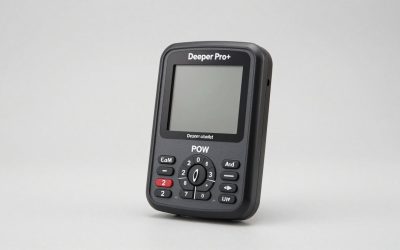
A portable model such as the LUCKY FFC1108, around $43, usually needs less permanent installation space. Its handheld or castable transducer can be lowered into the water, but it still must be completely submerged and held away from the boat’s side, propeller wash, and heavy surface turbulence.
How to Measure Your Space
- Measure the display area. Record the usable width, height, and depth of the console, dash, kayak rail, or mounting board. Compare these measurements with the fish finder’s housing, not only its screen size. A 4-inch screen does not mean the entire unit is exactly 4 inches wide.
- Mark the cable route. Measure from the proposed transducer location to the display. Leave a gentle service loop rather than pulling the cable tight. Most small installations need at least 6 to 10 feet of cable, depending on the boat and mounting position.
- Find a smooth hull section. For transom mounting, choose a location below the waterline that remains submerged while the boat is underway. Avoid chines, strakes, rivet lines, drain fittings, and areas directly behind a propeller.
- Measure hull clearance. Confirm that the transducer’s sensing face can extend roughly 1/8 to 1/4 inch below the hull without hitting a trailer, bunks, rocks, or a dock. Leave enough vertical adjustment to fine-tune the angle.
- Check the water depth. Measure from the water surface to the bottom of the hull, then account for the transducer’s position. If the boat normally operates in water shallower than 18 inches, expect more frequent bottom-loss warnings and surface clutter.
- Test before drilling. Hold the transducer in the intended location while the boat is stationary and moving slowly. Confirm that the screen shows a consistent bottom line before making permanent holes.
By Room or Use Case
Small fishing boat
A small aluminum or fiberglass boat usually has enough room for a display measuring about 4 to 7 inches diagonally. Mount the transducer on the transom in clean water, away from the propeller and below the hull’s turbulent edge. A mounting zone about 8 inches long by 4 inches wide is usually sufficient for a compact bracket.
Kayak
Kayak installations favor compact displays and low-profile transducers. Plan for approximately 6 inches of display width, 4 inches of display height, and 2 inches of depth, plus room for a rail mount or portable arm. A scupper-hole or removable arm mount can keep the transducer 1 to 2 inches below the kayak. The transducer must stay submerged when you lean, paddle, or drift over small waves.
Ice fishing
Ice anglers often lower a transducer through an opening in the ice rather than mount it to a hull. The transducer needs only enough cable to reach beneath the ice and remain level. A 6- to 10-inch opening is common for working space, although the transducer itself may be only 3 to 5 inches long. Keep the sensing face below the ice and free of slush.
Portable or castable fishing
Portable fish finders are useful when you do not want to drill into a boat. A castable or handheld transducer can be suspended in the water, but the cable or float should not be allowed near a propeller. These units are convenient in ponds, small boats, and rental vessels, though their displays and batteries are often smaller than fixed installations.
Deep-water boating
For deep water, maximum sonar depth and transducer frequency matter more than the physical size of the display. A larger, permanently installed transducer may need a stronger bracket or a through-hull opening. Check the manufacturer’s maximum-depth rating, but treat it as a best-case specification rather than a guaranteed reading at all speeds and bottom types.
Common Sizing Mistakes
- Confusing screen size with housing size: Measure the complete display and bracket, including knobs, connectors, and cable exits.
- Mounting too high: If the transducer is above the waterline at speed, it cannot provide a consistent reading.
- Mounting too low: A transducer that hangs far below the hull is vulnerable to impact and may catch weeds or fishing line.
- Ignoring turbulence: A location behind a strake, rivet, intake, or propeller can create bubbles that interrupt sonar.
- Using the maximum depth as a minimum depth: A unit rated for hundreds or thousands of feet can still struggle in very shallow, aerated water.
- Forgetting cable and power space: Leave room for connectors and avoid sharp bends. Small displays commonly draw roughly 4 to 10 watts, so use the supplied fuse and wiring instructions.
FAQ
How deep does a fish finder transducer need to be in the water?
The sensing face should be fully submerged. On a transom-mounted boat, it is commonly positioned 1/8 to 1/4 inch below the hull. On a kayak or portable arm, 1 to 2 inches below the waterline is a practical starting point.
What is the shallowest water a fish finder can read?
Many units can show a bottom signal in roughly 12 to 18 inches, but readings may be unstable. For dependable operation, plan on at least 18 to 24 inches, with 2 to 3 feet preferred.
Does a bigger transducer work better?
Not automatically. Performance depends on frequency, beam angle, power, mounting position, and signal processing. A larger transducer may support more sonar channels or a wider beam, but it still needs clean water and correct installation.
How much space should I leave around a fish finder?
Leave about 1 to 2 inches around the display housing and at least 3 inches of clear working space around a transducer. Also provide a gentle cable loop and enough room to remove the unit for storage or service.
Write Your Review
No reviews yet. Be the first to share your experience!