
Our Top Picks
 BLUEWING 36in Upgraded Fishing Spreader Bar Starboard Canyon36" Bar - 9" Squid2.9 PoundsCheck on Amazon
 BLUEWING 18in Upgraded Fishing Spreader Bar Starboard Canyon18" Bar - 6" Squid1.7 PoundsCheck on Amazon
The best mahi mahi fishing rod in this group is the Fitzgerald Stunner HD 8’0″ extra-heavy spinning rod, a 20 to 40 lb class rod that casts to weed lines and floating debris and still has the backbone for a bull dolphin. If you troll instead of cast, the Penn Ally II 7′ conventional rod is the sturdier choice, though it is heavier than most mahi need. Two items on this list are trolling spreader bars rather than rods, and we flag them as add-ons so you can build a complete offshore setup.
Quick List
- Penn Ally II 7′ Conventional – best for trolling bigger baits and bull dolphin on a boat
- FISHAPPY 6′ Straight Butt Trolling Rod – best for heavy roller-guide trolling in a stand-up style
- BERRYPRO Trolling Rod – best for anglers who want bent or straight butt options
- Fitzgerald Stunner HD 8’0″ XH Spinning – best overall for casting to mahi
- BLUEWING 36in Spreader Bar – best add-on teaser for attracting schools while trolling
- BLUEWING 18in Spreader Bar – best compact add-on teaser for smaller boats
Which One Is Right for You?
| If you… | Choose |
|---|---|
| cast live bait or lures to weed lines and floating debris | Fitzgerald Stunner HD 8’0″ XH |
| troll ballyhoo or skirted lures from a center console or charter-style boat | Penn Ally II 7′ |
| want a roller-guide rod for heavy line and big-game style trolling | FISHAPPY 6′ |
| like the option of bent or straight butt and one- or two-piece rods | BERRYPRO |
| want a larger teaser to flash behind the boat and pull in a school | BLUEWING 36in |
| run a smaller boat or lighter outfits and need a compact spread | BLUEWING 18in |
Most mahi anglers do not need a marlin-class rod. Fish encountered under weed lines are often school-sized, and a lighter, longer rod is more fun and easier to cast. If your trips also target tuna, wahoo or big bulls, a stouter conventional rod is worth adding. Remember that the spreader bars are tackle accessories and need to be fished off a rod and reel rated for them.

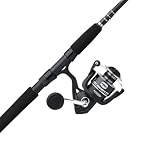
Penn Ally II 7' Boat Fishing Rod, 1-Piece Saltwater Conventional Rod, 50-100 lb Line Rating, Heavy Rod Power, Moderate Action
Chosen because it specifies 1-Piece Saltwater Conventional Rod and 50-100 lb Line Rating.
View on Amazon
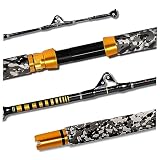
FISHAPPY Saltwater Offshore Straight Butt Heavy Trolling Fishing Rod Big Game Conventional Boat Fishing Rod with Roller Guides 6' (6' - 80-120lbs - 1Piece)
Chosen because it specifies 80-120lbs and 1Piece).
View on Amazon
BERRYPRO Bent/Straight Butt Trolling Rod 1-Piece / 2-Piece Saltwater Offshore Fishing Rod Big Game Roller Rod Conventional Boat Fishing Pole (Bent Butt - Roller Guide - Length 5'6''-2pc (80-150lbs))
Chosen because it specifies Roller Guide and Length 5'6''-2pc (80-150lbs)).
View on Amazon
Saltwater Offshore Fishing 8’0” XH Spinning 20–40lb for Cobia Mahi Kingfish Casting Carbon Fiber One Piece Boat Fitzgerald Stunner HD
Picked as a relevant option in this category.
View on AmazonBLUEWING 36in Upgraded Fishing Spreader Bar Starboard Canyon with 9in Floating Squids, Trolling Birds, Big Game Trolling Lure and 316 Stainless Steel Rod for Wahoo Tuna Marlin Mahi Mahi, Pink
Chosen because it specifies Trolling Birds and Pink.
View on AmazonBLUEWING 18in Upgraded Fishing Spreader Bar Starboard Canyon with 6in Floating Squids, Trolling Birds, Big Game Trolling Lure and 316 Stainless Steel Rod for Wahoo Tuna Marlin Mahi Mahi, Pink
Chosen because it specifies Trolling Birds and Pink.
View on AmazonAll 6 Picks in Detail
1. Penn Ally II 7′ Conventional – Best for trolling bigger baits and bull dolphin
As an Amazon Associate we earn from qualifying purchases at no extra cost to you.

The Ally II is a 7 foot, one-piece saltwater conventional boat rod. The listing states a 50 to 100 lb line rating, heavy power and moderate action. Retailer specifications describe an E-glass blank with a solid glass tip, an aluminum gimbal, an EVA grip and a Sea-Guide reel seat with zirconium guides.
That rating is stout for mahi. It will handle a large bull dolphin and a surprise tuna, but you give up some of the sporty feel that a lighter rod provides. It matches best with a 30W or 50W-class conventional reel and is a good fit for anglers who also chase tuna, wahoo or kingfish from the same boat.
In practice, a rod like this lives in a gunwale holder with a skirted lure or rigged ballyhoo running behind the boat. A moderate action helps there: the rod loads progressively when a fish strikes at trolling speed, which keeps hooks pinned and gives you time to pull the rod from the holder. The solid glass tip is forgiving of bumps and rod-holder wear. If you plan mostly on casting, look at the Fitzgerald instead.
- 7 foot, one-piece construction per the listing
- 50 to 100 lb line rating, heavy power
- Moderate action, which suits trolling and live bait
- E-glass blank with solid glass tip, per retailer specifications
- Aluminum gimbal butt and EVA grip, per retailer specifications
Pros
- Durable glass blank handles abuse in a rod holder
- Wide rating makes it a flexible boat rod
Cons
- Heavier than needed for school mahi
- One-piece 7 foot rod is awkward to store on small boats
Compared with the FISHAPPY, the Ally II is shorter on rating and easier to cast, while the FISHAPPY is built for roller-guide trolling.
2. FISHAPPY 6′ Straight Butt Trolling Rod – Best for heavy roller-guide trolling

The FISHAPPY is a 6 foot straight-butt trolling rod with roller guides, aimed at saltwater offshore and big-game style conventional fishing. Variants are offered in line classes such as 50 to 80 lb and 80 to 120 lb, so check which one your listing shows. Either class is far heavier than most mahi require.
It makes sense if you troll big baits or lures for marlin, tuna and wahoo and want mahi as part of the mix, not as the target. For a dedicated mahi trip, we would call this a runner-up because of its power.
Where it does earn its place is on mixed offshore days. If the plan is to pull a spread for wahoo and tuna and take mahi as they come, a six foot roller rod with a matching 50W-class reel is a classic setup. The short length keeps the rod tip out of outriggers and rigging lines. Just remember that heavy tackle needs a matching drag setting, and that you should confirm the line class of the exact variant you click, since the listing shows more than one.
- 6 foot length with roller guides, per the listing title
- Straight butt design, per the title
- Multiple line-class variants; confirm which you are choosing
- Retailer text describes an E-glass and graphite composite blank
- Large-diameter non-slip grip and stainless roller frames, per retailer text
Pros
- Roller guides reduce friction with heavy braid or mono
- Strong enough for big pelagics
Cons
- Heavy-duty class overshoots typical mahi
- Straight butt needs a harness or rod holder to be comfortable
Next to the BERRYPRO, it is the simpler, shorter-rod option.
3. BERRYPRO Trolling Rod – Best for bent or straight butt options

BERRYPRO sells this rod as a bent or straight butt trolling rod in one- or two-piece builds, with roller guides on offshore models. Retailer text describes solid E-glass and graphite blanks and an aluminum gimbal. Line classes vary, and a commonly seen version is a 5’6″ two-piece rated 80 to 150 lb.
The name lists many variants, so what you buy depends on the option selected. Treat it as a heavy trolling rod and pick a lighter class if you are only after mahi. Two-piece builds help with transport and storage on small boats.
Because the product page bundles many configurations, the practical advice is to decide the line class first, then the butt style, then one or two pieces. A bent butt is easier to fight from a chair, a straight butt works in a standard rod holder, and a roller guide only pays off if you run heavy line. If a configuration shows a rating above what your reels can hold, skip it; the extra backbone will never be used.
- Bent or straight butt options, per the listing title
- One-piece or two-piece builds, per the title
- Roller guides on offshore variants
- Line class depends on variant; confirm on the listing
- Aluminum reel seat and gimbal, per retailer text
Pros
- Variant range lets you tune length and butt style
- Two-piece options travel easier
Cons
- Heavy rating on many variants
- Confusing variant list requires careful reading
Compared with the FISHAPPY, the BERRYPRO gives you more configuration options but demands more attention at checkout.
4. Fitzgerald Stunner HD 8’0″ XH Spinning – Best overall for casting to mahi

The listing describes an 8 foot, extra-heavy spinning rod for saltwater offshore use, tagged for cobia, mahi and kingfish. Fitzgerald’s Stunner HD spec sheet shows a 20 to 40 lb line rating, a 3/4 to 3 oz lure rating and a one-piece blank made from its Super Nano Composite. Guides are described as American Tackle Virtus stainless guides.
Eight feet of rod lets you cast a live bait or a bucktail well past the boat and fight a fish from a standing position. That is exactly what mahi fishing is: you spot a weed line or a log, you cast and you hold on.
Pair it with a large spinning reel in the 8000 to 10000 class, loaded with braid and a fluorocarbon leader, and you have a setup that also handles cobia, kingfish and other offshore species. Keep the drag smooth and the hooks sharp, because mahi jump, shake and run in short bursts. The one-piece blank is stiffer and more responsive than a two-piece, which matters when you are setting the hook at long range. Always confirm the exact model on the product page, since the series comes in several lengths and powers.
- 8 foot, one-piece, extra-heavy spinning rod
- 20 to 40 lb line rating, per Fitzgerald specifications
- 3/4 to 3 oz lure rating, per the same source
- Super Nano Composite blank, per the manufacturer
- Stainless steel guides with Nanolite-type rings, per the manufacturer
Pros
- Long cast and enough power for bulls
- Balanced rating suits many offshore species
Cons
- One-piece 8 foot length is awkward to store
- Not meant for trolling with heavy baits
Compared with the Penn Ally II, this rod casts better and fights lighter, while the Ally II is a trolling workhorse.
5. BLUEWING 36in Spreader Bar – Best add-on teaser for pulling a school

This is not a rod. It is a 36 inch spreader bar with 9 inch floating squids, trolling birds and a stainless rod, rigged to imitate a school of baitfish. The listing says Starboard Canyon and lists a big-game trolling lure and a 316 stainless steel rod. Marketing copy targets wahoo, tuna, marlin and mahi mahi.
Spreader bars are typically run behind the boat as teasers to raise fish, then you drop back a rigged ballyhoo or lure. They only work with a rod and reel that can handle the drag of the bar, so treat this as an upgrade to a trolling setup, not a replacement for one.
- 36 inch bar, per the listing
- 9 inch floating squids, per the listing
- Starboard Canyon walker-bird configuration, per the title
- 316 stainless steel rod, per the listing
- Intended for offshore trolling; confirm line class needs on the listing
Pros
- Looks like a school of baitfish and can raise fish
- Stainless build resists saltwater
Cons
- Needs a stout rod and heavy line to pull
- Not useful for casting or inshore fishing
Next to the 18in bar, it makes a bigger visual statement but needs heavier tackle.
Handling matters too. A 36 inch bar with multiple squids and a walker bird takes time to deploy and retrieve, so plan on a clear cockpit and a second pair of hands. Many anglers run the bar on a dedicated heavy rod or on a line with a tether and clip so that a hooked fish can be fought free of the bar. Use heavy swivels and check the stainless rod for bends after every trip.
6. BLUEWING 18in Spreader Bar – Best compact teaser for smaller boats

The 18 inch version has 6 inch floating squids and the same Starboard Canyon trolling birds and 316 stainless rod. The shorter bar and smaller squids create less drag and fit smaller boats and lighter trolling gear.
Like its 36 inch sibling, it is not a rod. It is a lure that pairs with a trolling rod, and it is aimed at anglers who want a spread without overloading light equipment.
Smaller bars are also easier to rinse, store and untangle, which counts for a lot at the end of a long day. If your boat is under about 25 feet or you troll with medium conventional gear, this is the more practical size. The walker-bird configuration tracks to one side, so check that it matches the side of the spread where you plan to run it. Confirm the line and leader requirements on the listing before you rig it.
- 18 inch bar with 6 inch squids, per the listing
- Starboard Canyon trolling birds, per the title
- 316 stainless steel rod, per the listing
- Big-game trolling lure is part of the rig, per the title
- Designed for offshore trolling
Pros
- Lower drag than larger bars
- Easier to deploy and stow
Cons
- Smaller profile may raise fewer fish than a long bar
- Still needs a rod rated for trolling
Compared with the 36in bar, it is easier on tackle and storage but less eye-catching.
Specs Compared
| Product | Type | Length | Line / lure class | Action / power | Notes |
|---|---|---|---|---|---|
| Penn Ally II 7′ | Conventional boat rod | 7 ft, 1 piece | 50-100 lb line | Heavy, moderate | Trolling and bait |
| FISHAPPY 6′ | Straight butt trolling rod | 6 ft | Variants such as 50-80 and 80-120 lb; confirm | Heavy | Roller guides |
| BERRYPRO | Bent or straight butt trolling rod | Varies by variant | Varies; confirm on listing | Heavy | Roller guides on many variants |
| Fitzgerald Stunner HD 8’0″ XH | Spinning rod | 8 ft, 1 piece | 20-40 lb line, 3/4-3 oz lure | Extra heavy | Casting rod |
| BLUEWING 36in | Spreader bar (not a rod) | 36 in | Confirm on listing | Not applicable | 9 in squids |
| BLUEWING 18in | Spreader bar (not a rod) | 18 in | Confirm on listing | Not applicable | 6 in squids |
How We Chose These
This guide is built from desk research of published specifications. We started with the six items assigned to this page, read their listing titles and checked manufacturer and retailer specification pages for Penn, Fitzgerald, FISHAPPY, BERRYPRO and BLUEWING. We judged each against what mahi anglers do: casting to floating structure, trolling baits, and fighting fish that range from school size to bulls. We separated true rods from trolling accessories, flagged oversized trolling rods as runner-ups, and noted every spec that varies by variant instead of guessing. Where sources disagreed, we preferred the manufacturer’s page and say so in the entry.
What to Look For
Line class and power
Mahi come in a wide range of sizes, so the line class should reflect what you expect to catch. A 20 to 40 lb outfit handles most nearshore mahi and is fun on school fish, while a 50 to 80 lb rod is a better match if you also troll for tuna or wahoo. Anything above that is generally big-game gear for marlin and large tuna. Lighter tackle lets you feel the fish, but you need a drag that stays smooth under the fish’s powerful runs and jumps.
Spinning versus conventional
A spinning rod and reel is the best choice for casting live bait and lures to fish near the surface. Conventional rods dominate trolling because the reel holds more line, has a lever drag and mounts under the rod in a holder. Rule of thumb: if you see the fish before you hook it, think spinning; if you find the fish by trolling, think conventional. Many boats carry both.
Length and butt style
Longer rods, around 7 to 8 feet, cast farther and absorb the head shakes of a jumping fish. Shorter rods, around 5.5 to 6 feet, give leverage when you fight a fish from a chair or harness. Straight butts suit rod holders and standing fights; bent butts work better when you fight the fish in a chair or from a gimbal belt.
Guides and rod blank
Roller guides reduce friction on heavy lines and are common on trolling rods; ceramic or stainless ring guides are lighter and better for casting. Glass blanks are tough in rod holders, while graphite and composite blanks are lighter and more sensitive. Corrosion-resistant hardware matters offshore.
Fighting and storage on the boat. Mahi are found around floating structure, weed lines and temperature breaks, often close to the boat, so rods that store easily and are ready to cast matter as much as raw power. Rod holders with rubber liners protect blanks; a rod locker or rack keeps tips from striking the console. Rinse reels and rods with fresh water after every trip, and check guides for cracks. A drag that has been tightened for too long can stick, so back it off between trips.
Trolling teasers and spreader bars
A spreader bar creates the look of a bait school. Fish them off a short rigger or flat line, run a rigged bait behind and be ready for a bite on the teaser, which means you will need to drop back the rod quickly. A 316 stainless bar resists corrosion, but pulling a bar adds a lot of drag, so use a rod and reel rated for it. Worked example: if your trolling rod is rated 50 to 80 lb and the manufacturer calls for 80 lb leader on the bar, make sure your mainline and swivel are strong enough to match.
A quick buying checklist. Decide first whether you will cast, troll or do both, then pick the line class that suits the biggest fish you realistically expect. Check the rod length against your rod holders and storage racks, confirm the reel you plan to use balances with the rod, and verify the exact variant on the listing, since several of these products come in many lengths and ratings. For example, a boat that runs a nearshore spread of four rods may carry two trolling rods in the 30 to 50 lb class, one heavier rod for a surprise tuna and one spinning rod ready to cast.
Questions
What size rod is best for mahi mahi?
For casting, a 7 to 8 foot rod rated 20 to 40 lb is a good all-around choice. For trolling, a 6 to 7 foot conventional rod in the 30 to 80 lb class works for most boats. Pick the lighter class if mahi are your primary target.
Spinning or conventional for mahi?
Spinning is best when you cast to visible fish or structure, because it throws light baits and lures farther. Conventional is the standard for trolling and for deep drops. Many offshore anglers keep both ready on deck.
Do I need roller guides?
Roller guides are helpful on heavy trolling setups with big line, since they reduce friction and wear. For casting rods and lighter conventionals, standard ring guides are fine. Check the manufacturer’s recommendations for your line.
Can a tuna rod handle a mahi?
Yes, a rod built for tuna will land a mahi easily, but it may feel heavy and less fun on smaller fish. If you fish mixed trips, a mid-range rod gives you both. Bring a lighter spinning rod for casting.
Are spreader bars good for mahi?
They can be effective teasers, since mahi often attack fast-moving baitfish groups. Fish them with a rod and reel that can handle the added drag and drop back a hooked bait behind the bar. They are accessories, not rods.
Should I buy a one-piece or two-piece rod?
One-piece rods generally feel better and avoid ferrule failures but are harder to store and carry. Two-piece rods are easier to travel with and fit smaller boats, often with only a small trade-off in performance. Choose based on how you store and move your gear.
Update History
- October 14, 2026 – Initial publication; product set drawn from current catalog listings.
- Check the product page for current specifications and availability before buying.
Sources
- Manufacturer product and specification pages for Penn, Fitzgerald Fishing, FISHAPPY, BERRYPRO and BLUEWING
- Retailer listing titles and specification fields

Write Your Review
No reviews yet. Be the first to share your experience!