
Key takeaways
- Step 1: Double the Line. Pass your fishing line through the eye of your hook, lure, or swivel, and then bring the tag end back to meet the standing line, creating a loop. You should now have a doubled section of line.
- Step 2: Form an Overhand Knot. Take the loop you’ve created and tie an overhand knot, similar to the first step in tying your shoelaces, using both the standing line and the tag end. Ensure this knot is loose enough to proceed to the next step.
- Step 3: Pass the Hook Through the Loop. Take the eye of the hook (or lure/swivel) and pass it through the large loop you created in Step 2. This is the critical step that gives the Palomar its unique strength.
- Step 4: Tighten the Knot. Moisten the knot with a bit of saliva or water to reduce friction. Then, pull both the standing line and the tag end simultaneously and steadily to cinch the knot down tightly against the eye of the hook.
- Step 5: Trim the Tag End. Once the knot is securely tightened, trim the excess tag end. For optimal performance and to prevent any potential snags, leave about 1/4 inch of the tag end.
In the dynamic world of bass fishing, where every cast and every retrieve can make the difference between a trophy catch and a missed opportunity, the strength and reliability of your line-to-lure connection are paramount. Among the myriad of knots available to anglers, the Palomar knot stands out as a true workhorse. Its simplicity, incredible strength, and ease of tying, even in challenging conditions, make it an indispensable tool for bass anglers in 2026. Mastering the Palomar knot is not just about tying a knot; it’s about building confidence in your tackle and ensuring you can put the right lure in front of a hungry bass without the fear of failure.
This guide will walk you through the process of tying the Palomar knot with clarity and precision, ensuring you can execute it flawlessly every time. We’ll cover the essential steps, highlight its advantages for bass fishing, and provide practical tips to elevate your knot-tying game. Get ready to enhance your fishing success by mastering this fundamental yet incredibly effective bass fishing knot.
Our top picks
 Bait Squad 20 Essential Fishing Knots Pocket
- Warranty Description: 30 Days
- Item Dimensions: 2.5 x 3.5 x 0.1 inches
- Material Type: Plastic
Practice hook and lines let you rehearse knots before fishing
Separate rigs card shows ten effective setups by species
Ring holder clips the guide to a bag or belt
Only a 30 day warranty covers this guide
Compact 2.5 x 3.5 inch card limits space for detail


As an Amazon Associate we earn from qualifying purchases at no extra cost to you.
⚡ Save on Your Next PC — Amazon Prime
Prime members get fast free shipping on the systems above, plus early access to Prime Day & Black Friday PC deals. New members get a 30-day free trial.
Watch: How to Tie a Palomar Knot for Bass Fishing Success — Video Review
Why the Palomar Knot is King for Bass Fishing
The Palomar knot has earned its reputation as a go-to knot for bass anglers for several key reasons. Firstly, its remarkable breaking strength is often cited as being close to 100% of the line’s rated strength, a crucial factor when battling powerful bass that can make sudden, explosive runs. Secondly, it’s incredibly versatile, working exceptionally well with monofilament, fluorocarbon, and braided fishing lines – the three primary line types favored by bass anglers. This adaptability means you can rely on the Palomar knot regardless of your preferred line choice. Thirdly, its streamlined profile minimizes interference when lures pass through the water, ensuring natural bait presentation. Finally, and perhaps most importantly for many, it’s relatively easy to learn and tie, even with cold hands or in windy conditions, making it a practical choice for on-the-water adjustments.
Step-by-Step: Tying the Palomar Knot
Let’s break down the process into simple, actionable steps. Remember to keep your tag end relatively short (about 6-8 inches) for ease of handling.
- Step 1: Double the Line. Pass your fishing line through the eye of your hook, lure, or swivel, and then bring the tag end back to meet the standing line, creating a loop. You should now have a doubled section of line.
- Step 2: Form an Overhand Knot. Take the loop you’ve created and tie an overhand knot, similar to the first step in tying your shoelaces, using both the standing line and the tag end. Ensure this knot is loose enough to proceed to the next step.
- Step 3: Pass the Hook Through the Loop. Take the eye of the hook (or lure/swivel) and pass it through the large loop you created in Step 2. This is the critical step that gives the Palomar its unique strength.
- Step 4: Tighten the Knot. Moisten the knot with a bit of saliva or water to reduce friction. Then, pull both the standing line and the tag end simultaneously and steadily to cinch the knot down tightly against the eye of the hook.
- Step 5: Trim the Tag End. Once the knot is securely tightened, trim the excess tag end. For optimal performance and to prevent any potential snags, leave about 1/4 inch of the tag end.
Essential Tools for Knot Tying
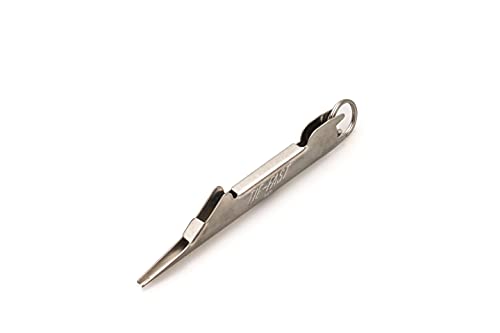
While the Palomar knot can be tied with just your hands, having a few key tools can significantly improve your efficiency and the consistency of your knots. A reliable line cutter is essential for a clean trim, preventing frayed ends that can weaken your connection. Many anglers find a dedicated knot-tying tool, such as the TIE-FAST Fishing Line Knot Tyer, invaluable for quickly and securely cinching down knots, especially in adverse weather. For those who are new to knots or want a quick refresher on the water, a pocket-sized reference like the Bait Squad 20 Essential Fishing Knots Pocket Guide Card or a more detailed book like the Fishing Knot Guide with its larger photos can be incredibly helpful. These resources ensure you have the correct knot for any situation.
Palomar Knot Advantages for Bass Lures
The effectiveness of the Palomar knot is particularly pronounced when paired with the diverse array of lures used in bass fishing. When tying to a treble hook on a crankbait, the Palomar’s compact profile ensures it doesn’t impede the hook’s ability to penetrate. For Texas-rigged soft plastics, the knot’s strength is vital for pulling fish out of heavy cover. When using finesse baits on drop-shot rigs, the knot’s slim design allows for a natural presentation. Even with high-speed topwater lures, the Palomar knot’s reliability ensures that explosive strikes are met with a secure connection, minimizing the chance of a lost fish due to knot failure. For those who appreciate style even in their fishing gear, consider accessories like the Supdreamc Men & Boys Professional American Bass Fishing Lure Flag Neckties or the Joisbs Fake News Large Mouth Bass Fishing Men’s Necktie, which add a touch of personality off the water.
Tips for Palomar Knot Perfection
- Always moisten your knot before tightening. This reduces friction, preventing heat buildup that can weaken your line and ensuring a tighter, more secure knot.
- Practice tying the Palomar knot repeatedly, even at home. The more you tie it, the more automatic it becomes, allowing you to tie it quickly and correctly on the water.
- Use a fresh section of line for each knot. Old, abraded line is more prone to breaking, regardless of how well you tie the knot.
- Inspect your knot after tying. Ensure it’s cinched down evenly and there are no crossed or twisted sections that could compromise its strength.
Frequently Asked Questions
Is the Palomar knot the strongest knot for fishing?
The Palomar knot is considered one of the strongest and most reliable knots available, often retaining close to 100% of the line’s breaking strength. While other knots might offer marginal strength advantages in specific scenarios or with certain line types, the Palomar’s combination of strength, ease of tying, and versatility makes it a top choice for most anglers.
Can I use the Palomar knot with braided line?
Yes, absolutely. The Palomar knot is an excellent choice for braided fishing lines, as it is less prone to slippage than some other knots when used with braided materials. Its secure bite and compact design make it ideal for this popular line type.
How much tag end should I leave when tying a Palomar knot?
It’s generally recommended to leave approximately 1/4 inch (about 6mm) of tag end after tightening the Palomar knot. This is long enough to prevent the knot from potentially unraveling but short enough to avoid snagging on underwater structure or interfering with your lure’s action.
When should I avoid using the Palomar knot?
While the Palomar knot is highly versatile, there might be niche situations where other knots are preferred. For instance, some specialized knots are designed for extreme finesse presentations or for tying leaders to main lines where a very low profile is critical. However, for the vast majority of bass fishing applications, from flipping jigs to casting crankbaits, the Palomar knot is an exceptional choice.
Conclusion
Mastering the Palomar knot is a fundamental step towards achieving greater success in your bass fishing endeavors. Its inherent strength, adaptability to various line types, and straightforward tying process make it an indispensable tool in any angler’s arsenal. By incorporating the techniques and tips outlined in this guide, you can tie the Palomar knot with confidence, ensuring a secure and reliable connection between you and that lunker bass you’ve been chasing. Invest the time to practice, and you’ll reap the rewards on the water.




Write Your Review
No reviews yet. Be the first to share your experience!