
Our Top Picks

A stage piano is recorded and sampled in stereo, and a mono amp quietly throws half of that work away. The real decision is whether the whole path stays stereo: stereo inputs that do not sum at the door, a speaker layout or link option that keeps left and right apart on stage, and a balanced output pair that delivers both sides to the house desk without collapsing the image you practised with.
This guide is for stage piano players who care about the width of grands, electric piano choruses and layered pads, in bands and solo settings alike. Every amp below was picked from its Amazon title and listing details, and each documents stereo handling plus a balanced XLR line or DI output. Models that merely accept a stereo input and reproduce it in mono did not make the cut.
Quick Picks
As an Amazon Associate we earn from qualifying purchases
| Product | Best for | Key spec from title |
|---|---|---|
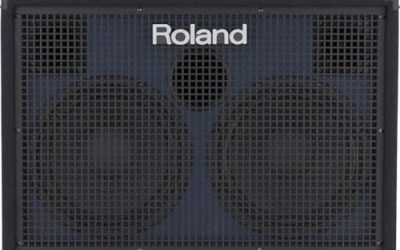
| Roland KC-990 | True stereo in one cabinet, 160W per side | 4-channel stereo mixing, 320W (160W + 160W), balanced XLR line outs |
| Roland KC-600 | Stereo mixing with a linked-pair upgrade path | 4-channel stereo mixing, 200W, 15-inch woofer, XLR line outs |
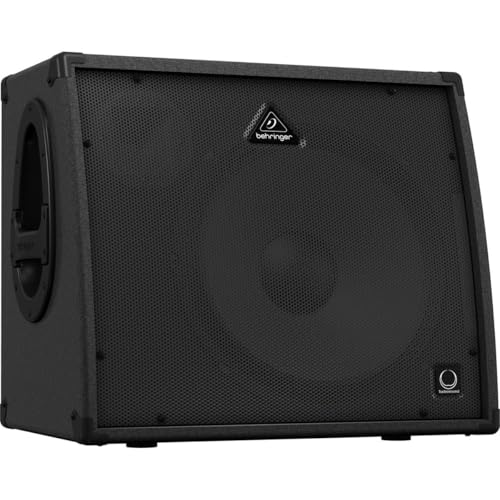
| Behringer ULTRATONE KXD15 | Stereo channels and a stereo DI, linkable to a pair | 600W, 4 stereo channels, 15-inch Turbosound, balanced XLR DI out |
| Peavey KB 5 | A stereo mixer with XLR balanced stereo line out | 150W, two 10-inch speakers, XLR balanced stereo line out |
How to Choose
Trace the stereo path from input to speaker
Stereo has to survive three stages: the input, the mixer and the loudspeakers. The Roland KC-990 is built as a genuine stereo amp, with four stereo input channels and two woofers with two horn tweeters driven by 160 watts per side. A single-speaker combo with stereo inputs, by contrast, sums your piano to mono at the cabinet even if its output feed stays stereo. Decide which matters for your gigs: stereo in the room, stereo only to the desk, or both, then buy accordingly.
Demand a balanced output pair, not a single socket
A stereo feed to the house needs two balanced lines, left and right. The KC-990 and KC-600 provide a balanced XLR line out pair, and the Behringer KXD15 offers a balanced stereo XLR DI output with ground lift. The Peavey KB 5 lists an XLR balanced stereo line out. When a listing says only line out with no mention of balanced or XLR, assume the piano’s stereo image will travel unbalanced, or not travel at all, until the seller confirms otherwise.
Consider stereo link as the expandable route
Two linked mono-format cabinets can produce a wider, more convincing stereo field than one box, because the speakers can stand metres apart. Roland’s Stereo Link chains a second KC-990 or KC-600, and Behringer’s link output couples a second KXD15 into what the listing describes as a stereo system. Linking also doubles your input count. The trade is transport: two cabinets, two mains leads and a link cable, in exchange for a stage image that matches the piano’s samples.
Protect the low end and the detail at the same time
Stage piano lives at both extremes: left-hand weight that needs woofer area, and hammer and string detail that needs a proper high-frequency driver. Twin 12-inch woofers with horn tweeters, as on the KC-990, or a 15-inch Turbosound driver on the KXD15, cover the bottom, while horn or coaxial tweeters keep the top articulate. Play your lowest and highest repertoire passages at soundcheck volume when judging, because a cabinet that flatters the middle can still blur both ends.
The 4 Best Options
Roland KC-990

The KC-990 is the one-box stereo answer: a flagship with two 12-inch woofers, two horn tweeters and 320 watts split as 160 per side, fed by four stereo input channels and a stereo aux input. Your stage piano keeps its width in the room, not just in the headphones. The balanced XLR line out pair then mirrors that stereo mix to the house desk, and Stereo Link can add a second KC-990 for bigger stages. Four DSP effects, including rotary and chorus, suit electric piano and organ layers without extra pedals.
Specs
- 4-channel stereo mixing keyboard amplifier
- 320 watts total power (160W + 160W)
- Two custom 12-inch woofers and two horn tweeters
- Line Out (Balanced L, R) on XLR connectors, plus 1/4-inch line outputs
- Channel 1 balanced XLR input for a microphone
- Stereo Link for chaining a second KC-990
- Built-in DSP effects with footswitch control option
- Casters included
Best for: Stage piano players who want genuine stereo reproduction and a balanced stereo feed from one cabinet.
Watch out for: True stereo in one box still means both speakers share a cabinet’s width. For the widest image, plan on the linked second unit and the stage space it needs.
Roland KC-600

Roland’s KC-600 keeps the stereo architecture at a smaller scale: four stereo input channels, a stereo aux input, and XLR line outputs including the balanced pair, with a 15-inch woofer and horn tweeter handling the combined image. Stereo Link is its growth path, chaining a second KC-600 so the pair can be spread across the stage. A sub output helps when left-hand piano parts carry the bass role in a small band, and the master EQ with Shape switch voices the whole stereo mix quickly at soundcheck.
Specs
- 4-channel stereo mixing keyboard amplifier
- 200 watts of power
- 15-inch woofer and horn tweeter in a two-way speaker system
- XLR and 1/4-inch line outputs, including balanced XLR line out pair
- Sub output for adding low-end reinforcement
- Stereo Link for chaining a second KC-600
- Master EQ with Shape switch
- Removable casters included
Best for: Pianists who want stereo mixing now and a linked stereo pair later, without changing amps.
Watch out for: As a single cabinet it renders stereo through one woofer, so the in-room image is narrower than the KC-990’s twin-woofer layout or a linked pair.
Behringer ULTRATONE KXD15
Behringer’s KXD15 treats stereo as a system property: four independent stereo channels feed a bi-amped 15-inch Turbosound design, and the balanced stereo XLR DI output with ground lift sends both sides to the desk as a matched pair. Its link output is the stereo feature to notice, because coupling a second KXD15 builds the two-cabinet stereo system the listing describes, with each side keeping its own amplifier and speaker. The Klark Teknik effects are stereo-friendly processors, and the 7-band graphic EQ shapes the combined result.
Specs
- 600-watt bi-amped PA system and keyboard amplifier
- 4 independent stereo channels with volume and FX send per channel
- Original 15-inch Turbosound speaker
- Klark Teknik multi-FX processor with 100 presets
- Balanced stereo XLR DI output with ground lift switch
- 7-band graphic EQ with FBQ feedback detection
- XLR mic input on channel 1
- Link output for coupling a second unit into a stereo system
- Integrated pole socket for stand mounting
Best for: Players who want a stereo DI feed today and a two-cabinet stereo rig as the upgrade step.
Watch out for: One KXD15 alone plays its stereo mix through a single speaker, so the full stereo effect in the room only arrives with the linked second unit.
Peavey KB 5
Peavey’s KB 5 earns its stereo place on the output panel and mixer design: a stereo mixer with 2-band EQ, a mic and line channel for a vocal alongside, and an XLR balanced stereo line out that keeps left and right separate all the way to the desk. Two 10-inch speakers and a horn cover the stage area, and output rises to 200 watts with an external speaker when the room grows. Ground lift, a monitor input and an effects loop make it a practical stereo hub for a singing pianist’s rig.
Specs
- 150 watts, rising to 200 watts with an external speaker
- Two 10-inch speakers and a horn
- Stereo mixer with 2-band EQ and main effects send/return
- Mic/line channel with 3-band EQ and effects send/return
- XLR balanced stereo line out
- Ground lift and DDT speaker protection defeat switch
- Monitor input with level control and assign
- Headphone output with level control
- Built-in casters and handle
Best for: Singing stage piano players who need their stereo mix delivered balanced, plus foldback in the same box.
Watch out for: Check how the twin speakers are driven before expecting a wide stereo image from the cabinet itself; its clearest stereo strength is the balanced stereo feed to the house.
Which One Fits Your Situation
A solo stage piano recital in a mid-size hall
The Roland KC-990 covers it alone: true stereo speakers for the audience near the stage, a balanced XLR pair for the hall system, and enough channels to add a second keyboard or playback without a mixer. Set the cabinet behind and slightly above the piano for the most even spread.
A band pianist whose image keeps getting summed to mono
Feed the desk from the Behringer KXD15’s balanced stereo XLR DI output and agree with the engineer that the piano arrives as a stereo pair. Keep the amp as your monitor, and add the linked second cabinet on larger stages when your on-stage sound needs the same width.
A piano and vocal act with stereo keys
The Peavey KB 5 fits the act: stereo mixer for the piano, a separate mic channel with its own EQ for the voice, a monitor input for foldback, and the XLR balanced stereo line out carrying the combined performance to the house in stereo.
A rig that starts small and grows to a stereo pair
Begin with the Roland KC-600, using its stereo channels and balanced outputs from day one. When budgets and stages allow, chain the second KC-600 through Stereo Link and spread the pair. Nothing about your cabling to the desk or your mixing habits has to change.
Common Mistakes
- Feeding a stereo piano into a single input jack marked mono and losing the right side of the samples entirely.
- Assuming a stereo input guarantees stereo reproduction, when the single speaker sums everything to mono.
- Sending one balanced line to the desk and expecting stereo, when a stereo feed needs the left and right pair.
- Placing a linked stereo pair close together like a single amp, which collapses the width the second cabinet was bought for.
- Judging stereo amps with a mono synth patch instead of the stereo piano voices the purchase is actually about.
Frequently Asked Questions
Do I need a stereo amp for a stage piano?
If your piano’s main voices are stereo samples, a stereo path preserves the width and chorus movement built into them, both on stage and at the desk. Players who mostly use mono electric piano or organ patches gain less. The amps here all keep stereo intact from input to balanced output.
What is the difference between stereo link and a stereo speaker layout?
A stereo layout, like the KC-990’s twin woofers, produces both sides from one cabinet. Stereo link chains two cabinets so each handles one side, letting you separate them across the stage for a wider image. Link also doubles inputs and power, at the cost of carrying a second amp.
How do I send stereo to the house desk from these amps?
Use the balanced XLR output pair: left and right line outs on the Roland models, the balanced stereo XLR DI output on the KXD15, or the XLR balanced stereo line out on the KB 5. Tell the engineer it is a stereo pair so both channels get panned and gained together.
Will a stereo amp help in a small room with no PA?
Yes, if it has a genuine stereo speaker layout. The KC-990’s two woofers and tweeters reproduce the piano’s width for listeners in the room. A single-speaker amp with stereo inputs will still sound mono in that setting, whatever its output feed can do, so match the cabinet design to the rooms you play.
FAQ
Do I need a stereo amp for a stage piano?
What is the difference between stereo link and a stereo speaker layout?
How do I send stereo to the house desk from these amps?
Will a stereo amp help in a small room with no PA?
More from Amazon
Programs that pair well with the guide above. Offers and eligibility are set by Amazon and may change.
Free shipping on eligible items, Prime Video and more. Eligible new members can start with a free trial.
Start a Prime free trialA Prime membership for ages 18-24 with a trial period. Eligibility is set by Amazon.
See Prime for Young AdultsAudiobooks and podcasts to listen to on the go. Eligible new members can start with a free trial.
Try Audible freeAd-free music streaming. Eligible new subscribers can start with a free trial.
Try Music Unlimited freeAs an Amazon Associate we earn from qualifying purchases.





Write Your Review
No reviews yet. Be the first to share your experience!