
Key takeaways
- No outside dimensions or empty weight listed.
- Compartment counts without divider measurements or usable depth.
- A lid that flexes significantly when the latch is closed.
- Hinges that bind, rattle, or show visible gaps.
- Uncoated metal hardware marketed for saltwater without a corrosion claim.
- Waterproof language without a gasket, closure explanation, or test standard.
- Dividers that fit loosely enough to move when the box is tilted.
- Product photos showing accessories that are not included.
- Deep compartments that cannot accommodate the largest item you plan to store.
Buying tackle box storage seems simple until the first trip exposes the weak points: lures tangled in one compartment, hooks rusting against damp plastic, a lid that pops open in the truck, or a box that is too bulky to carry from the parking lot to the water. The most common mistake is choosing by compartment count alone. A box with 30 tiny sections may look organized in a product photo but be frustrating if your soft plastics, pliers, line, and larger baits have nowhere to go.
Another frequent error is confusing a tackle tray with a complete tackle system. A removable tray may be ideal inside a larger bag, while a two-tray box with a handle is better for short trips. Buyers also overlook actual outside dimensions, latch quality, corrosion protection, and whether the box will remain usable when wet. Use the guide below to decide what to look for in tackle box storage before comparing colors and compartment numbers.
Our top picks
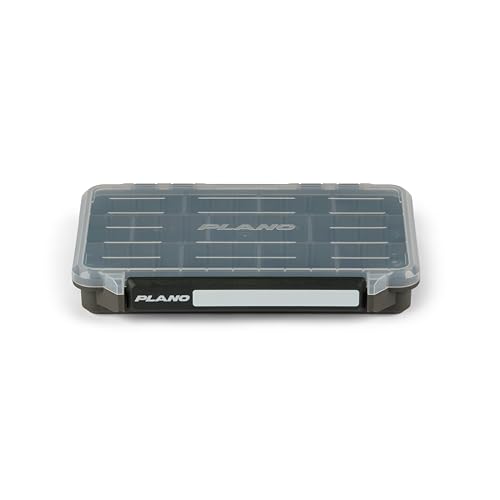
 Plano Two-Tray Tackle Box
- Product Group: Sports
- Binding: Tools & Home Improvement

As an Amazon Associate we earn from qualifying purchases at no extra cost to you. Ratings are shown as listed on Amazon.
Decide These 3 Things First
- What are you storing? List your largest items first. A box for hooks and swivels needs different compartments from one holding spinnerbaits, large plugs, bobbers, tools, and bags of soft bait.
- How will you carry it? Decide whether the box will live in a boat locker, ride in a vehicle, fit inside a tackle bag, or travel on foot. Portability changes the right size and handle style.
- How often will it get wet? Occasional splash exposure calls for a secure lid and corrosion-conscious materials. Frequent rain, spray, or damp storage makes drainage, ventilation, and rust prevention more important.
Once those decisions are clear, compare the following factors in order. They have a greater effect on satisfaction than branding or the number printed on the package.
Size and Capacity
Start with outside dimensions, not advertised capacity. A compact single-tray box may measure roughly 14 by 8 by 7 inches and weigh 2 to 4 pounds when empty. That format offers quick access and a useful lower compartment, but it can be awkward for bulky lures or several bags of soft plastics.
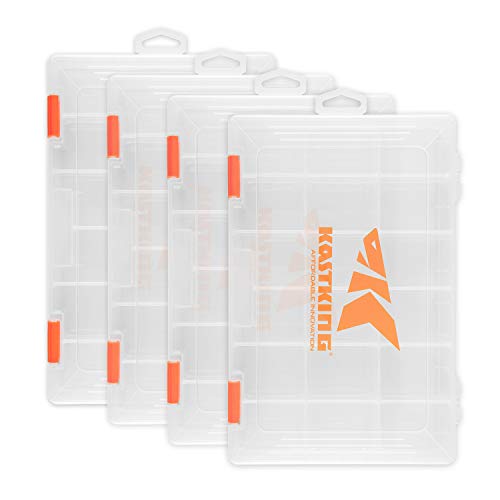
Modular trays are usually easier to customize. A common small tray is about 11.5 by 7.5 by 1.75 inches, while a medium tray can be approximately 14 by 9 by 2 inches. The widely used 3600-size format is generally around 14 by 9 by 2 inches, though dimensions vary by brand. Measure your existing tackle bag or boat compartment before ordering; a difference of half an inch can prevent a tray from sliding in.
Look for adjustable dividers if you carry changing lure sizes. For general freshwater use, 12 to 24 adjustable sections are more versatile than dozens of fixed micro-compartments. Reserve deep, open areas for pliers, line, scissors, and packaged bait. Leave about 10 percent of the interior empty so lids close without crushing contents.
Material and Moisture Protection
Most tackle storage is made from polypropylene, polyethylene, or another molded plastic. Polypropylene is light and reasonably impact resistant; thicker polyethylene can feel more substantial and tolerate rough handling. Clear lids are convenient because they let you identify contents without opening the box, but transparency does not automatically mean superior durability.
Pay attention to metal components. Rust-resistant brass or stainless-steel latches are preferable to thin, untreated steel, particularly for saltwater use. A corrosion-preventive treatment can help protect metal tackle, but it is not a substitute for drying hooks and rinsing salt residue. Do not seal wet gear in an airtight box for days.
For routine freshwater use, a standard molded-plastic box is usually enough. In saltwater or humid climates, prioritize corrosion-resistant hardware, a lid that closes evenly, and a design that can be rinsed and dried easily. Avoid assuming that a gasket makes a box waterproof unless the manufacturer clearly states an ingress rating or specific water-resistance claim.
Construction and Organization
Examine the hinge, latch, divider slots, and lid alignment. A sturdy hinge should run smoothly without excessive side-to-side movement. The latch should require deliberate pressure to open but should not need force that flexes the lid. Two latches can distribute pressure across a wide lid; a single centered latch is convenient and often adequate on a smaller tray.
Dividers should fit tightly enough that they do not slide when the box is tilted. Flexible divider walls can bow under pressure, while very thin removable dividers may bend or disappear in a crowded storage bin. If you store small hooks or split shot, look for compartment edges that meet the lid closely; oversized gaps allow small pieces to migrate between sections.
A good construction detail is a lower cavity beneath a top-access tray. It creates room for tools and larger items without requiring a second container. A modular system such as a four-pack of 3600-style trays may be more efficient for sorting crankbaits, terminal tackle, soft plastics, and tools separately. The tradeoff is that separate trays need an additional bag, shelf, or carrying method.
Comfort and Performance
Weight matters more than many buyers expect. An empty portable box in the 2- to 4-pound range is manageable for short walks, but a fully loaded box can easily reach 6 to 10 pounds. A broad handle is more comfortable than a narrow ridge, especially when carrying the box with wet hands. Check whether the handle folds flat and whether it interferes with stacking.
Performance also means access. Top-access trays are useful when you frequently change lures because the most-used items remain visible. Transparent lids reduce unnecessary opening, while a deeper open compartment is better for bulky tools. Boxes with ventilation or drainage openings can dry faster, but openings may also allow water and sand inside during transport.
For vehicle or boat storage, stackability is valuable. A flat, reinforced lid lets you place one tray on another without stressing the latch. For bank fishing, prioritize a compact footprint, secure closure, and comfortable handle over maximum capacity. The best design is the one you can carry and open repeatedly without rearranging everything.
Price Tiers and Long-Term Value
Budget tackle storage generally costs about $8 to $25 per box. A simple single-tray box around $20 can provide excellent value for casual freshwater use, while a basic transparent 3600-style tray may cost less than $10. At this level, expect molded plastic, limited sealing, and basic dividers. Inspect the latch and hinge before filling the box.
Midrange storage usually falls between $25 and $60 for a multi-tray set, larger organizer, or better-equipped tackle system. A four-pack of utility trays around $27 can be economical if you already own a compatible bag. The value comes from sorting flexibility rather than premium hardware.
Premium systems commonly cost $60 to $150 or more, especially when a rugged case, specialized inserts, water-resistant construction, or integrated tool storage is included. Pay for features you will use. A high-priced box with fixed compartments is not a better buy than a less expensive adjustable tray if your tackle changes frequently.
Warranty and Replacement Support
Check whether the warranty covers manufacturing defects, broken latches, cracked bodies, or only certain components. A practical baseline is at least 90 days of coverage; one year is more reassuring for a regularly used organizer. Some warranties exclude damage from impact, misuse, saltwater, or normal wear, so read the exclusions before relying on the policy.
Replacement dividers are particularly valuable. A lost divider should not make the entire tray unusable. Also look for a clear process for obtaining parts and a manufacturer that identifies the product by model or size. Keep your receipt and photograph a damaged item before disposing of it.
Delivery and Assembly
Most molded tackle boxes require no assembly, but delivery can still affect the buying decision. Confirm the package dimensions and whether a multi-pack ships as individual trays or as a complete bag-and-box system. A box that measures 14 by 9 inches may need at least 15 inches of clear shelf or locker width to slide in comfortably.
Inspect the box on arrival for warped lids, cracked corners, missing dividers, and latches that do not align. Let plastic warm to room temperature before judging minor flexibility if it arrived in cold weather. If the product includes removable dividers, test every slot before loading hooks or small hardware. Assembly should take only a few minutes; complicated inserts are worthwhile only when they provide a clear organizational advantage.
Spec Checklist
| Spec | Budget | Mid | Premium |
|---|---|---|---|
| Typical price | $8–$25 | $25–$60 | $60–$150+ |
| Typical outside size | 10–14 in. long | 12–18 in. long | 14–22 in. long |
| Empty weight | 1.5–3 lb | 2–5 lb | 4–8 lb |
| Organization | Fixed sections or 6–12 dividers | 12–24 adjustable sections | Custom inserts and modular trays |
| Hardware | Basic plastic or plated latch | Reinforced latch; corrosion-conscious hardware | Multiple latches, reinforced hinges, or advanced closure |
| Best use | Occasional trips and small collections | Regular freshwater fishing | Frequent use, boat storage, or specialized tackle |
Red Flags
- No outside dimensions or empty weight listed.
- Compartment counts without divider measurements or usable depth.
- A lid that flexes significantly when the latch is closed.
- Hinges that bind, rattle, or show visible gaps.
- Uncoated metal hardware marketed for saltwater without a corrosion claim.
- Waterproof language without a gasket, closure explanation, or test standard.
- Dividers that fit loosely enough to move when the box is tilted.
- Product photos showing accessories that are not included.
- Deep compartments that cannot accommodate the largest item you plan to store.
FAQ
What size tackle box should a beginner buy?
A medium box measuring roughly 12 to 16 inches long is a flexible starting point. Choose adjustable dividers, one or two deep sections, and a weight under 4 pounds when empty. This provides room to grow without making the box unnecessarily difficult to carry.
Are transparent tackle boxes better?
Transparent lids are better for quick identification, especially when several trays are stacked. They are not automatically stronger or more water resistant. Choose transparency for visibility, then evaluate the latch, hinge, plastic thickness, and moisture protection separately.
How should tackle boxes be stored after fishing?
Remove wet or salty tackle, rinse salt-exposed items with fresh water, and leave the box open until completely dry. Store it in a cool, dry location away from direct sunlight. Do not pack damp hooks or lures into a closed container for long-term storage.
Is a tackle bag better than a hard tackle box?
A hard box offers faster access, stronger protection, and easier stacking. A tackle bag is lighter to organize around and can hold multiple removable trays plus tools. Many anglers get the best flexibility by using modular trays inside a soft bag and keeping a small hard box for frequently used terminal tackle.



Write Your Review
No reviews yet. Be the first to share your experience!